Listen through the publisher, then discuss the episode here or arrange an in-person Roundtable. Your city determines where to meet.
Roundtables are designed for groups of four, with a shared subject and room for everyone to speak. Come for discussion, with no dating expectation.
Chris Hayes wants to talk about things we’ve gone through. In his twenty-five years of covering American politics, Hayes says he’s never seen an election quite like the 2026 midterms. Together, we unpack the blue wave (2:17), what caused this pendulum swing (3:36), and how Hayes sees the next two years of Trump’s presidency (19:40). Then, he outlines the affordability crisis that shaped voters’ decisions (24:26), what he believes are the top three priorities for Democrats entering Congress (32:07), and the future of party leaders Chuck Schumer and Hakeem Jeffries (41:17). On the back-half, we discuss how the Trump fever finally broke (53:22), our path to a more decent, pluralistic politics (56:45), Democrats’ handling of Gaza (1:08:15), and the road to 2028 (1:11:46). To close, Hayes reflects on the emotional toll of the past few years—and why he’s determined to see this chapter through (1:17:53). As always, our email: [email protected].
Episode information is provided by the publisher. Listening takes place on the publisher’s service.
Before House Democrats voted on Hakeem Jeffries for Speaker, nobody was running against him, but a group of new progressive members, known as "The Bloc," wouldn't commit to backing him without guarantees. Asked about the holdouts, Jeffries told reporters: "You'll have to ask, you know, those individuals." In the Senate, Chris Van Hollen was challenging Chuck Schumer for leader, and Schumer was bristling. Meanwhile, John Fetterman was hinting he could leave the party if Van Hollen won. Don was joined by Mehdi Hasan, founder and editor-in-chief of Zeteo, to talk about who should lead the Democrats and whether the party was already blowing its big win. GUEST: Mehdi Hasan, founder and editor-in-chief of Zeteo FIND THE DON LEMON SHOW: Youtube: https://www.youtube.com/@TheDonLemonShow Substack: https://substack.com/@donlemon Facebook: facebook.com/donlemon Instagram: instagram.com/donlemonofficial Tik Tok: tiktok.com/@donlemonofficial LEMON NATION: Website: donlemon.com Buy Merch: https://do
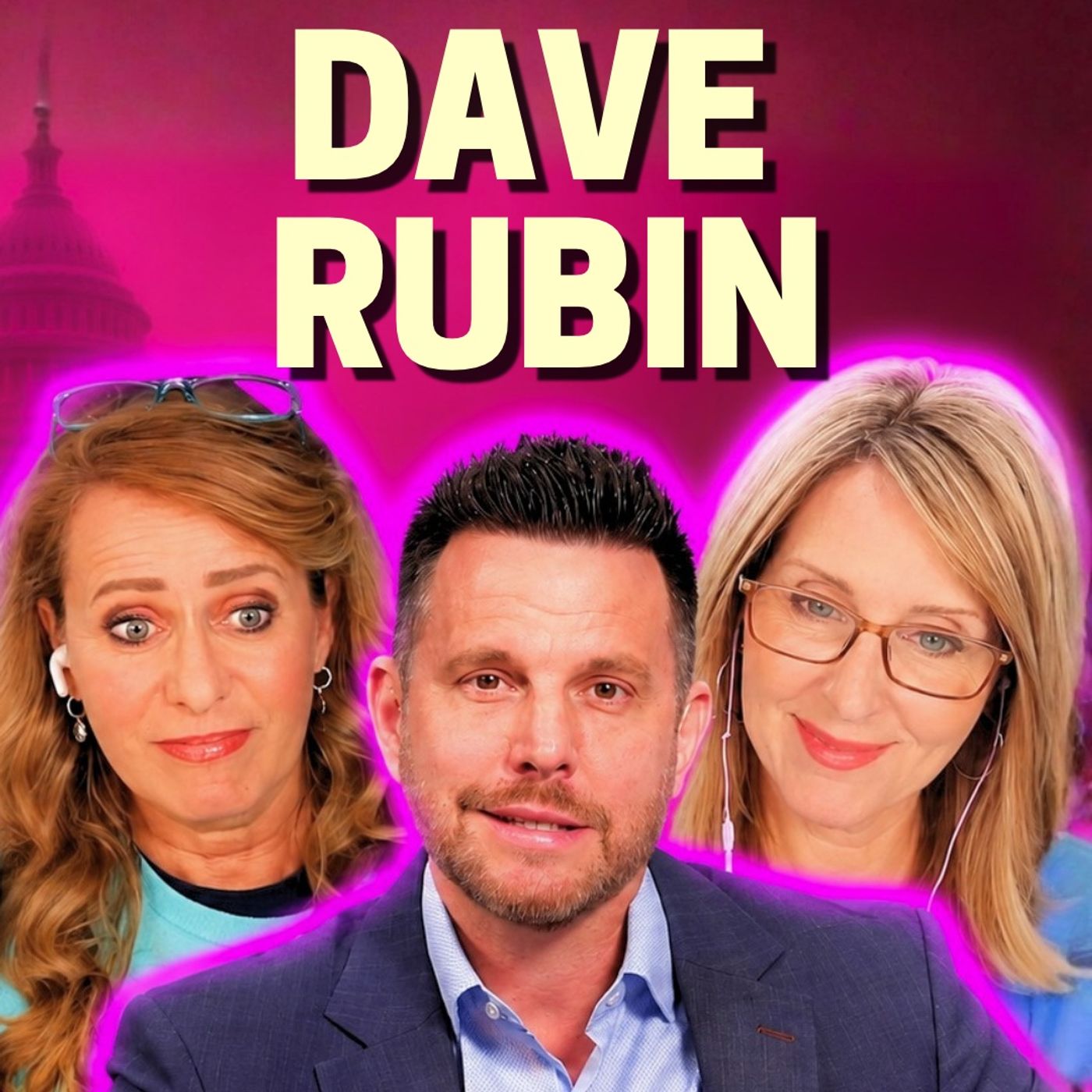
Is the Republican Party heading for a major reckoning in 2028? Dave Rubin joins The Chicks on the Right for a brutally honest conversation about Trump's final two years, the future of the GOP, and the growing divisions threatening conservatives. Dave weighs in on the Republican Party's recent election losses, whether JD Vance, Marco Rubio, or Ron DeSantis can carry Trump's agenda forward, and why he's increasingly concerned about the political direction of America. The conversation heats up as Dave takes on Nick Fuentes, the rise of extremist voices on the right, and the socialist movement gaining influence within the Democratic Party. He also discusses radical Islamism, antisemitism, the dangers of online outrage, and why he believes Western civilization faces serious challenges. Plus, with cyberattacks, banking disruptions, and nationwide outages raising concerns, Dave shares his thoughts on whether Americans should be preparing for more chaos. And don't miss the lighter side of Dave
They broke up with you. They stopped reaching out. Maybe you finally started to move on. And then, just when you were beginning to feel like yourself again, their name appeared on your phone. Why do exes have a habit of coming back, often when we're finally getting over them? The temptation is to believe they've realized what they've lost. That they miss you, regret their decision, and are finally ready to give you the relationship you wanted. But missing someone and being ready to build a relationship with them are two very different things. In this episode, I break down five reasons an ex might come back after a breakup, from loneliness and the need for validation to genuine regret and a desire to try again. More importantly, I share three principles to follow before giving someone a second chance, how to tell the difference between promises and real change, and what to look for so you don't end up repeating the same heartbreak. Before you let someone back into your life, make sure y
Thanksgiving is here, and some of your aunts and uncles may have softened their stances since last year. So, should you engage when politics comes up? And if so, how? Jessica Tarlov, co-host of Raging Moderates and Fox News’s The Five returns to the show to offer some tips for handling Thanksgiving (and the rest of the year), discusses her new book, and she and Sarah listen to some voters talk about how political divisions have affected their lives…and what those voters think of people who think differently. Show links: Raging Moderates with Scott Galloway and Jessica Tarlov (https://www.youtube.com/@RagingModerates) Jessica’s book, I Disagree: Winning Arguments Without Losing Friends (https://www.penguinrandomhouse.com/books/803493/i-disagree-by-jessica-tarlov/) Feeling frustrated by the state of American democracy? The Context, a podcast from the Charles F. Kettering Foundation, explores the challenges facing democracy, how to fix what’s broken, and what we can do to make it work bet
Tuvalu looks like paradise – a cluster of islands, with white sandy beaches lined with palm trees, surrounded by the deep blue of the Pacific Ocean. But the tiny nation, which is roughly midway between Australia and Hawaii, is facing the existential threat of rising sea levels, caused by climate change. The 11,000 or so inhabitants are reckoning with a future where their country may no longer be habitable. With world leaders meeting at the UN COP31 climate talks, we bring together three young women to share their experiences of life in Tuvalu. “I want my children to understand [Tuvaluan] values, to know the language,” Moeli tells us. “To know more about Tuvalu, you have to sit down, respect the elders, no talking when elders are talking, everything like that.”
Traitors: New Blood What You Didn’t See | Finale Exit Interviews Also available on YouTube (https://youtu.be/QsbkbHcylOY). Dive into the Traitors: New Blood finale as Rob Cesternino and Pooya conduct a marathon of exit interviews with eight players from the season’s last two hours. The duo sits down with winner Shane Beatty, along with Victor Vollbrechthausen, Katie Fites, Wyatt Gillespie, Kriste Lewis, Jay Vinnedge, Clyde Moser, and more—each offering honest reflections and strategic breakdowns from inside the castle’s walls. This episode brings together the emotions of tough betrayals and smart gameplay, capturing just how the finish line was crossed and by whom. Listeners are taken behind the scenes of key endgame moments: Shane opens up about his journey from faithful to traitor, the pivotal ultimatum, and his approach to balancing loyalty with victory. Victor and Katie discuss the decisions that shaped their alliance, the heated debates over “Fruitgate,” and why certain recruits c
It was the best of times, it was the worst of times. This fall, Pulitzer Prize-winning novelist Hernan Diaz (Trust, In the Distance) released Ply, a sweeping, Dickensian story set centuries in the future, long after the United States has ceased to exist. We begin with the world of the new book (3:00), why Diaz rejects the idea that it’s a dystopian story (14:00), and how he achieves his fluid authorial voice (22:00). Then, he describes his childhood in exile following Argentina’s 1976 military coup (25:50), the influence of his parents on his writing life (28:05), and his winding path to becoming a novelist (33:00). On the back-half, Diaz shares how we weathered the years of rejection that preceded his first novel In the Distance (39:00), the through line across his books (45:00), the scientific ideas that inspired Ply (58:00), and why, in an age of technological upheaval, Diaz believes fiction can bring us closer to one another (1:04:00). As always, our email: [email protected].
Public arts funding should prioritize access over attracting the largest audiences.
Share your view, then see how readers voted. No sign-in required. This poll is shared across stories.
Do you agree or disagree?
Common Quandary
A Common Quandary to discuss
Another conversation to explore, separate from this news story.
A stranger takes an emotional call in the quiet car. Do you shush them?
On a crowded train's designated quiet car, a passenger answers a call and begins discussing an apparent family emergency. They are speaking softly but continuously, and everyone nearby is listening despite trying not to.
Do public rules make room for private emergencies?