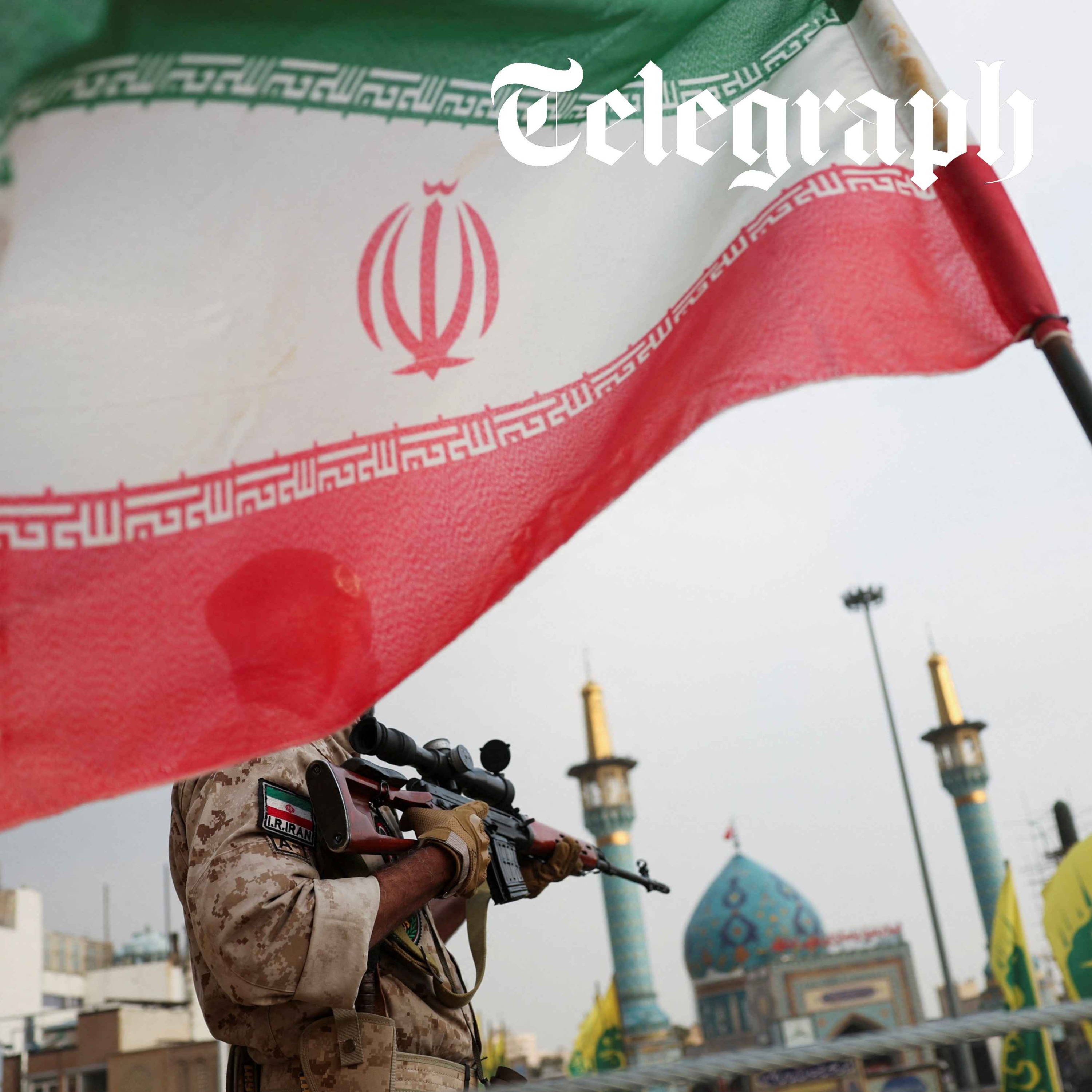
‘They’re in it to win or die’: Why Iran’s regime is built to survive
43 min
Listen through the publisher, then discuss the episode here or arrange an in-person Roundtable. Your city determines where to meet.
Roundtables are designed for groups of four, with a shared subject and room for everyone to speak. Come for discussion, with no dating expectation.
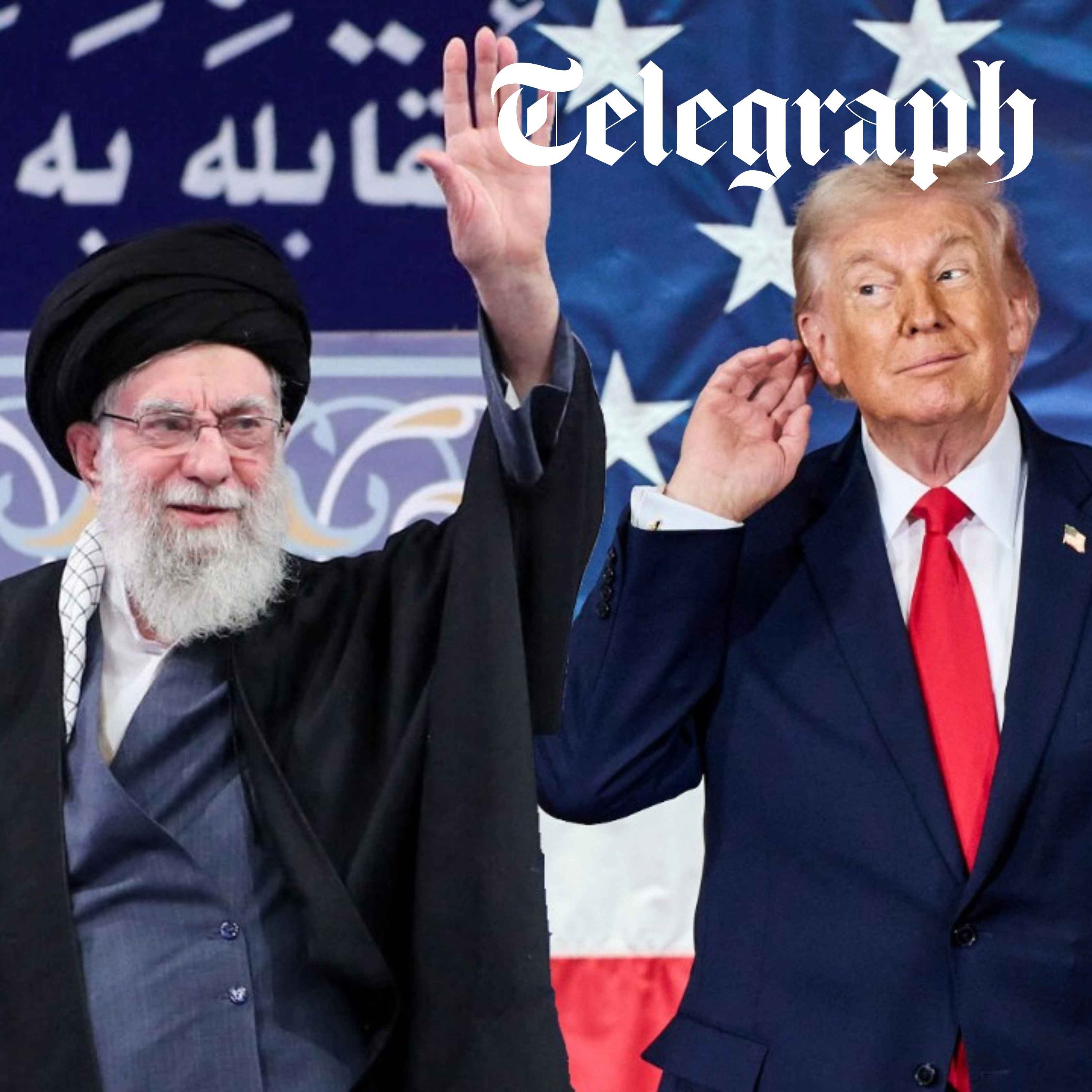
‘They’re in it to win it or die, and they’re happy to die. That’s something you and I will not understand.’ On today’s episode of Iran: the Latest, Venetia Rainey is joined by Soheil Moughadam, a former chief technology officer at the country's largest online retailer, Digikala. He explains what he learned about the Iranian regime from living through the 1979 revolution, the dark days of the Iran-Iraq War, the excitement of the startup boom and the surprising Mahsa Amini protests before escaping Tehran during last year’s 12-day war. As Iran strikes Kuwait and Bahrain and continues to attack ships in the Strait of Hormuz, Soheil argues that Mojtaba Khamenei’s ‘no war, no peace’ philosophy will likely continue to dominate the country’s approach to war with the US. He cuts past both official propaganda and diaspora wishful thinking to explain why loyalists will fight to the death and how the long history of war and sanctions means the regime can survive Trump’s strikes and blockades. Highlights ‘They’re in it to win or die’: Why Iran’s regime is built to survive What it was like escaping Tehran during the 12-day war CONTRIBUTORS: Venetia Rainey, co-host and executive producer @venetiarainey Soheil Moughadam Winner Podcast of the Year - London Press Club Awards 2026 Producers: Peter Shevlin and Max Bower Researcher and Social Producer: Anna Hindmarsh Studio Operator: Andy Watson Executive Producer: Venetia Rainey ► Sign up to our most popular newsletter, From the Editor. ► EMAIL US: Contact the team on [email protected] Hosted on Acast.
Episode information is provided by the publisher. Listening takes place on the publisher’s service.
For review: 1. Iraq has reached a compromise with the powerful Iran-backed militia Kataeb Hezbollah, three senior security officials said, after Prime Minister Ali al-Zaidi readied security forces to move against the group. Reflecting the gravity of the situation, Iraqi Shiite political sources said Esmail Qaani, commander of Iran’s elite Revolutionary Guards’ Quds Force, arrived in Baghdad late on Monday to help defuse tensions with Kataeb Hezbollah, Tehran’s most powerful militia ally in Iraq. 2. Lebanese President Joseph Aoun launched a lengthy rebuke of Iran in an Independence Day address, arguing that the Islamic Republic does not have the right to interfere in Lebanon’s internal affairs, as it long has via support for its local terror proxy, Hezbollah. 3. Yemen’s Houthis launched strikes on the Saudi capital Riyadh on Saturday, after vowing reprisals for a “special operation” by the Saudi-led coalition fighting them. The coalition later said it had “intercepted and destroyed” thr
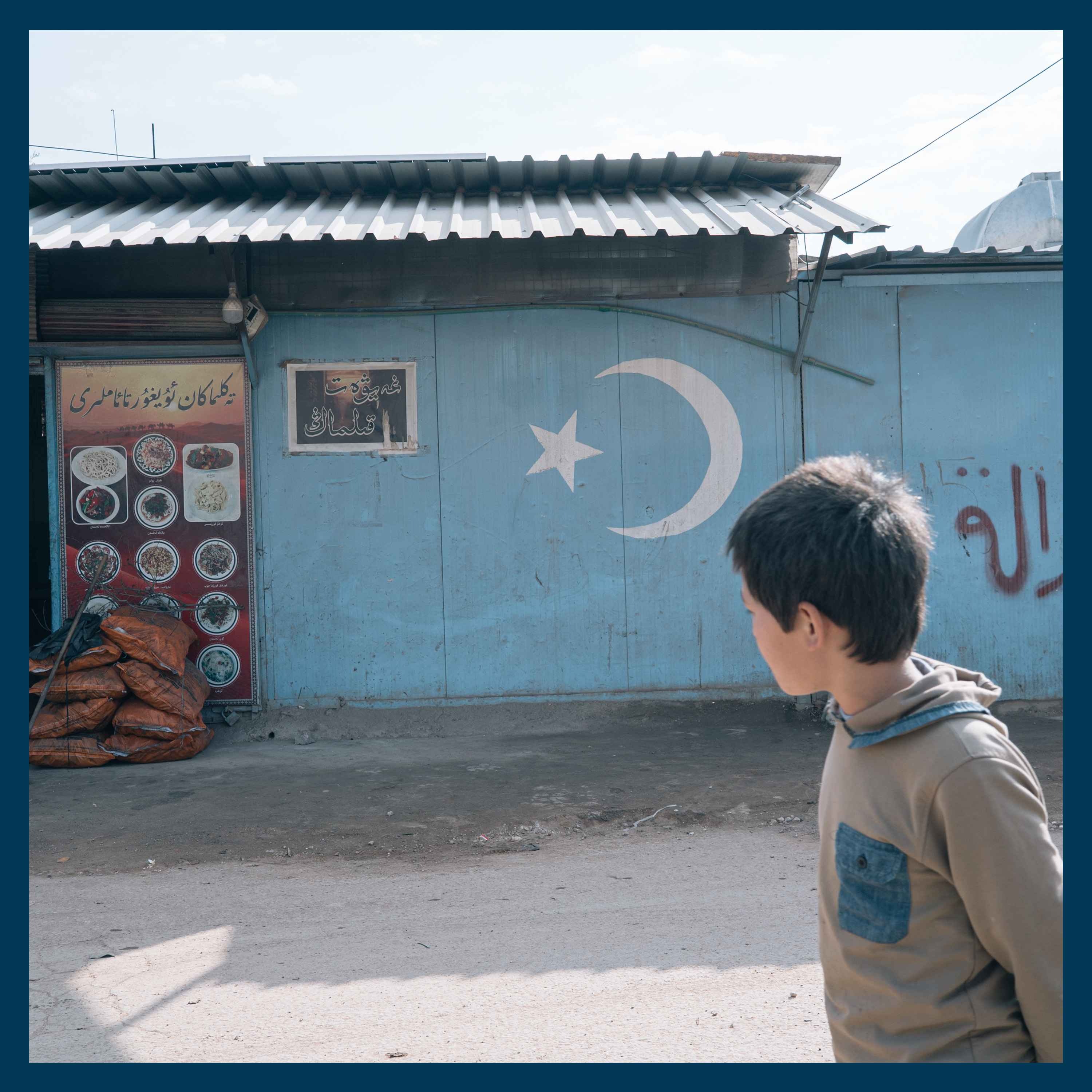
Over 20,000 Uighur refugees escaped repression in China by fleeing to Syria at the height of its brutal civil war. Originally from north western China, the Muslim minority fought fiercely against the Assad regime. But now that the war is over, they live in limbo, unable to return home or even contact loved ones while the Chinese state continues its campaign against their community. So will the new Syrian government honour their sacrifice? Or try to stay on good terms with the Chinese state? Our reporter has been to northern Syria to meet them. Guest: Anthony Loyd, special correspondent, The Times Host: Luke Jones Producer: Robyn Simon and Harry Stott We want to hear from you - email: [email protected] Read more: They fought for Syria’s freedom. Will they fight for their own? (https://www.thetimes.com/world/middle-east/article/uighur-fighters-syria-xinjiang-china-cfv5733d8) Further listening: SAS in Syria: the untold murder probe (https://pod.fo/e/6c8ea9) Clips: The New York Times,
This week on the Mark Levin Show, 2028 Republican Presidential candidates must directly address the urgent threats to the country - Marxism and Islamism. These candidates should deliver bold, courageous speeches that clearly explain what is happening in the country, identify those responsible, and directly challenge these threats rather than leaving such warnings to a small number of media voices. Also, it is difficult to believe so many major outages affecting entities such as the NSA, FAA, airline systems, Microsoft, and Apple services could be merely coincidental. The timing and scale of the incidents are troubling and remain inadequately explained. President Trump had proposed a major modernization and restructuring of air traffic control in 2017 that Congress failed to enact. Had those reforms been adopted, many current FAA failures might have been avoided. Later, does Senator John Kennedy know anything about originalism? Originalism is not pure textualism. The meaning and intent
Iran says it shot down a U.S. drone over the Strait of Hormuz as CBS News reports the U.S. and Israel are weighing a new assault on Iran. MIKE DROP NEWSROOM | 21 NOVEMBER 2026 Iranian state TV claimed Saturday that Iran downed a U.S. drone near Qeshm Island; the U.S. has not confirmed it. CBS News reported, citing sources, that the U.S. and Israel are considering a new assault in the short term, driven by Israeli concern over how fast Iran is rebuilding its missile production and moving sites underground. President Trump told Israel's Channel 12 he is not rushing any decision. At the same time, the New York Times reported Israeli warnings that Iran has made progress on chemical and biological weapons and could use them against U.S. officials, though some U.S. officials doubt those warnings. Mike Ritland breaks down why a single intelligence source shouldn't drive a decision this big, how corroboration works when lives are on the line, and what would actually change his mind. Also cover
November 20, 2026 On November 19, Trump met with Xi Jinping and Vladimir Putin in Shenzhen, China, The fact that the president of the US would meet with leaders of China and Russia was bizarre since both China and Russia have been helping Iran in its current fight against the US, Trump appeared to want the fanfare and President Xi played that up, Putin wanted the meeting because it would suggest that Russia was a great power, although it is far from being so and Putin’s war on Ukraine is going poorly, The meeting’s purpose seemed to be to produce propaganda for each of the three leaders, Beyond the propaganda is the larger story of the destruction of the post-World War II rules-based international order, In its place is the idea of dividing the world into spheres of influence, The three leaders met for 90 minutes and issued only a vague "joint declaration toward peace," which vowed to reform the UN and weaken the International Criminal Court, where Putin is already under indictment for
A summit like no other. In a political first, President Trump sat down with President Putin and President Xi for an unprecedented trilateral meeting. He insists they’re all friends, but what does this mean for their conflicting agendas in Iran and Ukraine? Former Biden adviser Rush Doshi joins Christiane Amanpour to assess what was, or wasn’t, achieved. Then, in a landmark case, the International Court of Justice has found Myanmar guilty of committing genocide against the minority Rohingya population. The U.N. High Commissioner for Human Rights, Volker Türk, joins the show to discuss why this moment is so important. Plus, CNN’s Clare Sebastian takes us underground to look at how Ukraine’s innovative operation is helping the country make substantial gains. And best-selling author Elizabeth Strout discusses her new book ‘The Things We Never Say’, exploring the political and personal tensions of America that emerged during the 2024 presidential election. From the archive, my report from U
On today’s final episode of Iran: the Latest, Venetia Rainey, Roland Oliphant and Sophia Yan look back at nine months of the US-Iran war, what they think Donald Trump and Tehran will do next, and examine how the global balance of power has permanently shifted. As the IEA calls the conflict the “largest threat” to energy security in history, the team examines why the Strait of Hormuz will never fully reopen again and how China and Russia are benefitting from the conflict. Finally, Venetia, Roland and Sophia discuss the volatile new fronts across Yemen, Lebanon and Syria, reflect on what the podcast got right and wrong, make some book recommendations, and pay tribute to the show’s original creator, David Knowles. A big thank you from all the team to all our listeners and viewers, especially everyone who wrote in to support the show and share their feedback. Please follow us all on social media for more of our coverage of the war going forward! That was Iran: the Latest. Goodbye. Highligh
In today's special listener Q&A episode of Iran: The Latest, Venetia Rainey, Roland Oliphant, and Sophia Yan are together in the studio to answer your biggest questions on the US-Iran war. They discuss: US Midterm Elections: Following the recent "blue wave" in the US midterms, what new options do congressional Democrats have to end the war with Iran? US Middle East Strategy: If neither diplomacy nor military force works and the Islamic Republic outlasts the US blockade, what should Trump do? Trump’s Rhetoric & Acuity: How should journalists cover Trump’s inconsistent statements and Truth Social outbursts? Is it legitimate to question his mental capacity? Supporting Iranian Democracy: What can the West do to help the Iranian people win their freedom? And why do journalists use "Iran" and "the Islamic Republic" interchangeably? Regime Loyalty: Why do so many Iranians continue to support the regime? The Future of Deterrence & Chokepoints: Has the Strait of Hormuz standoff replaced the era
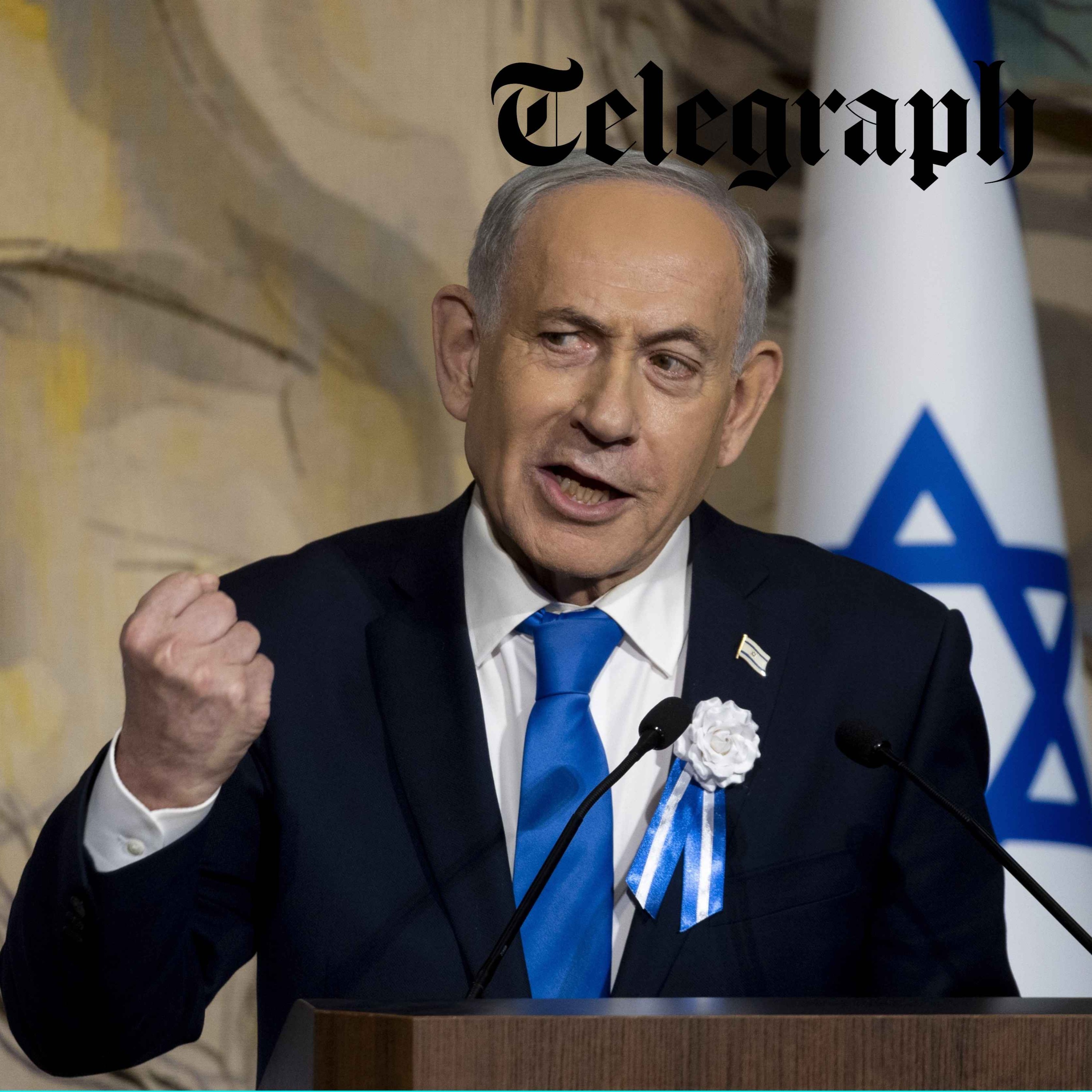
‘Israel has lost most of Europe, the Democrat Party and half the Republican Party. So is it legitimate to ask: did Sinwar win?’ On today’s episode of Iran: the Latest, Roland Oliphant is joined by Global Health Security Editor Paul Nuki and Jerusalem Correspondent Henry Bodkin to explain how three years of war with Hamas, Iran and various Iranian proxies have shattered Western support for Israel, potentially pushed Benjamin Netanyahu out of power, and altered geopolitical dynamics across the Middle East. They also discuss what it’s like reporting on the country and how different it is on the ground from the social media debate around Israel. Plus, who is likely to form the next Israeli government, US intelligence warns that Iran is plotting a dirty bomb attack on Washington DC, and tankers burn in the Strait of Hormuz following fresh Iranian attacks. Highlights Iran plotting ‘dirty bomb’ attack on Washington ‘Super Sparta’: How Netanyahu’s Iran and Gaza wars isolated Israel CONTRIBUTOR
Residents' quality of life can justify caps on tourism even when businesses lose income.
Share your view, then see how readers voted. No sign-in required. This poll is shared across stories.
Do you agree or disagree?
Common Quandary
A Common Quandary to discuss
Another conversation to explore, separate from this news story.
Someone reserves the best gym machine with a towel. When may you move it?
At a crowded gym, a towel has occupied the most popular machine for fifteen minutes while its owner chats across the room. Gym rules prohibit reserving equipment, but everyone occasionally steps away between sets.
How long may convenience masquerade as continued use?