Listen through the publisher, then discuss the episode here or arrange an in-person Roundtable. Your city determines where to meet.
Roundtables are designed for groups of four, with a shared subject and room for everyone to speak. Come for discussion, with no dating expectation.
Ten lepers cried out to Jesus for mercy. All ten were healed, but only one returned to give thanks. In this powerful message, Dr. Michael Youssef explores Luke 17:11–19 and reveals the difference between receiving God's blessings and truly knowing Him. Physical healing changes our lives on earth, but salvation through Jesus Christ changes our eternal destiny. Dr. Youssef reminds believers that genuine gratitude is more than saying thank you. It is a life of humility, obedience, and praise. This episode calls you to: Recognize God's blessings with a grateful heart, Turn from ingratitude and spiritual complacency, Praise Jesus for His mercy and saving grace, Pray for those who do not know Christ, Share your testimony and live with daily thanksgiving. Don't limit gratitude to a holiday or a moment. Make thanksgiving a way of life that honors Jesus Christ. Scripture Focus: Luke 17:11–19 Pastoral Care & Prayer Teams https://myfaithassistant.com (https://myfaithassistant.com/) ️ Support Leading The Way:
Episode information is provided by the publisher. Listening takes place on the publisher’s service.
Jen Wilkin, JT English, and Kyle Worley answer questions submitted by their Patreon supporters. See the show notes to learn how you can be part of the community! Questions Covered in This Episode: How do you tread the line and hold your conviction while being charitable on second-tier and third-tier issues? What are your thoughts on the traditional doctrine of hell vs. eventual annihilationism? What is a good filter to choose the right songs to sing with your church on a Sunday? Can I get JT’s AI prompt for the chore chart? What to do when you are praying to God for a life decision but you are note getting anything back? How can I think theologically about space travel? If Jesus returns and someone is in space, what happens? What does it mean that “love covers a multitude of sins (1 Peter 4:8)? What role do the gender forms of words play in translating the original language of the Bible, and how does that help us define the two persons in the Trinity that don't exist in human form? Wou
Why Does the Person Who Hurt You Seem Fine? (Luke 6:32-36) | Daily Devotional and Bible Study Why does the person who hurt you seem fine? Luke 6:35 says God is kind to the ungrateful and the evil, and the answer is better than most of us have been told. In today's Bible study we reach the "why" behind everything Jesus has said about loving your enemies in Luke 6:32-36. We look at what "even sinners do that" really means, what the patronage economy meant for lending without expecting anything back, and the hard verse about God's kindness to the ungrateful and the evil. We unpack three layers: common grace, kindness as a window of time, and why it isn't the final word. And we land on mercy, the family likeness of God's children. Join me on an immersive Bible Study Experience. Learn more at BibleStudyLive.org (https://biblestudylive.org/) Have a question about the series or a prayer request? Ad-free episodes and the full library of past series: Patreon (https://www.patreon.com/c/HearingJe
We often ask God for blessings, but how often do we stop to thank Him? Through the powerful story of the ten lepers, Dr. David Jeremiah reveals the difference between feeling grateful and actually expressing thanksgiving. Discover why remembering what Christ has done for you is the key to cultivating a truly thankful heart. Be encouraged and stay engaged with God’s Word by downloading the free Turning Point mobile app for your smartphone or tablet. Whether you are a new believer or a seasoned Christian, you will be encouraged and strengthened in your walk with the Lord as you spend time learning, growing, and exploring God’s limitless love. Search in your App Store for Turning Point Ministries to access our content. Download the Turning Point at at DavidJeremiah.org/app
Thanksgiving is often presented as a simple story of Pilgrims and Native people sharing a meal. But what gets left out—and who benefits from that version? Lakota Chicano journalist Simon Moya-Smith and Ojibwe educator Julie Francella discuss how we should to challenge the familiar holiday narrative and share the histories, traditions, and lived experiences it obscures. They discuss the Wampanoag people’s diplomacy and the realities surrounding the 1621 gathering, the origins of the National Day of Mourning, and how Manifest Destiny helped turn a complicated history into a comforting national myth. Julie describes Indigenous gratitude as an everyday practice rooted in reciprocity with the land, water, animals, and community. Simon speaks about resilience, cultural survival, stereotypes, and why Indigenous nations should never be treated as a monolith. The conversation also explores what it means to gather with family while acknowledging painful history, why Indigenous communities contin
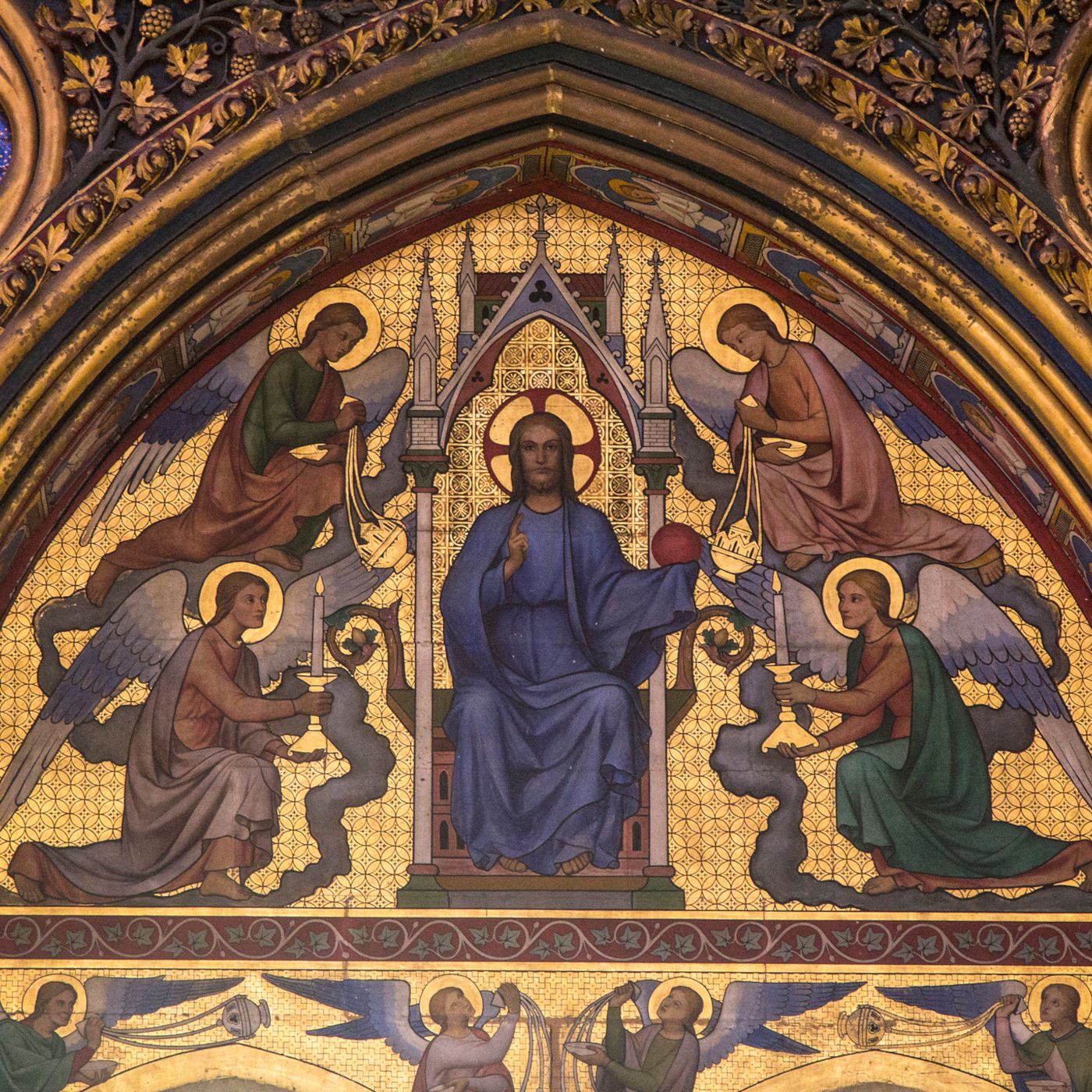
Friday 27 November 2026 Today is Friday the 27th of November, in the 34th week of Ordinary Time. As you begin this prayer, ask God for the grace to become truly still, so that you may listen to His Word. The Kyiv Chamber Choir sings, In Thy Kingdom from ‘One Thousand Years of Ukrainian Sacred Music’. Today’s reading is from the Gospel of Luke. Luke 21:29-33 Then [Jesus] told them a parable: ‘Look at the fig tree and all the trees; as soon as they sprout leaves you can see for yourselves and know that summer is already near. So also, when you see these things taking place, you know that the kingdom of God is near. Truly I tell you, this generation will not pass away until all things have taken place. Heaven and earth will pass away, but my words will not pass away.’ Here, just before his Passion begins, Jesus repeats the words he used at the outset of his preaching: “The kingdom of God is near”. In a way, any Christian preaching begins with that message. What does it mean to you to hear
Read Online (https://catholic-daily-reflections.com/2026/11/26/the-nearness-of-gods-kingdom/) The Nearness of God’s Kingdom Jesus told his disciples a parable. “Consider the fig tree and all the other trees. When their buds burst open, you see for yourselves and know that summer is now near; in the same way, when you see these things happening, know that the Kingdom of God is near.” Luke 21:29–31 As Jesus draws His final discourse to a close in Luke’s Gospel, He offers a parable that speaks to both the simplicity of daily life and the profundity of eternal realities. For the people listening to the sermon, it was a familiar image: a fig tree, its buds beginning to open, signaling that summer was near. This parable paints a picture of discernment through quiet attentiveness to the signs of life and change, and how God intervenes. Jesus invites us to read the “seasons” of salvation history both universally and in our own lives, just as we read the natural signs of the world around us. Ju
The world tells us to build confidence by believing in ourselves. But Scripture points to a better way: humble yourself before God and trust Him completely. In this powerful message, Dr. Michael Youssef explains how our identity in Christ should lead to humility, not pride. Jesus is the Chief Shepherd who leads His Church, cares for His people, and calls believers to live in obedience to His Word. Dr. Youssef challenges Christian leaders to shepherd God's people through Biblical Truth rather than worldly advice. He also reminds every believer that spiritual strength comes through humility, submission, and dependence on Christ. This episode calls you to: Reject pride and envy that weaken your walk with God, Trust Christ as your Chief Shepherd and follow His Word, Humble yourself before God and serve others, Cast your worries on Jesus because He cares for you, Grow in faith and confidence through daily surrender, Pray for the Church to stand firm in Biblical Truth. True confidence doesn'
Following Jesus isn't always easy. When faith brings opposition, will you stand firm or give in to fear? In this powerful message, Dr. Michael Youssef reminds believers that suffering for Christ should never come as a surprise. God's Word warns that those who follow Jesus will face opposition, but they are called to remain faithful without compromise. Dr. Youssef explains that suffering for righteousness is not a sign of defeat. It is an opportunity to grow in faith, trust God's promises, and honor Jesus Christ—the only Savior and the only way to the Father. This episode calls believers to: Stand firm in faith when facing opposition, Reject fear and compromise when Biblical Truth is challenged, Trust God through suffering instead of giving in to discouragement, Proclaim the Gospel boldly without shame, Pray for courage and endurance to remain faithful, Remember their identity in Christ when the world rejects His Truth. Suffering may test your faith, but it doesn't have to weaken it. Th
Jesus Christ is coming again. Are you living like you believe it? In this powerful message, Dr. Michael Youssef teaches that our identity in Christ should shape how we live every day. As believers await His return, God calls us to more than occasional faith or religious routines. He calls us to lives of prayer, love, service, and obedience. Drawing from the inerrant Word of God, Dr. Youssef explains how genuine faith produces visible change in our relationships, priorities, and actions. This episode calls believers to: Pray faithfully and depend on God's strength, Love and forgive others as Christ has forgiven us, Practice hospitality without complaining, Use spiritual gifts to serve the Church and glorify God, Repent of selfishness and pride that hinder spiritual growth, Live with urgency as we await Christ's return. Your identity in Christ isn't just about what you believe—it's about how you live. Let your daily conduct point others to Jesus and reflect the hope of His coming Kingdom
An athlete's recovery should take priority over pressure to return for an important game.
Share your view, then see how readers voted. No sign-in required. This poll is shared across stories.
Do you agree or disagree?
Common Quandary
A Common Quandary to discuss
Another conversation to explore, separate from this news story.
Your neighbor's doorbell camera watches everyone entering your home. Is that their business?
A neighbor installs a doorbell camera that records your front yard and every visitor entering your home. They say the wide angle is necessary to capture package theft and the footage is rarely reviewed.
Where should private security stop in a shared public view?