Listen through the publisher, then discuss the episode here or arrange an in-person Roundtable. Your city determines where to meet.
Roundtables are designed for groups of four, with a shared subject and room for everyone to speak. Come for discussion, with no dating expectation.
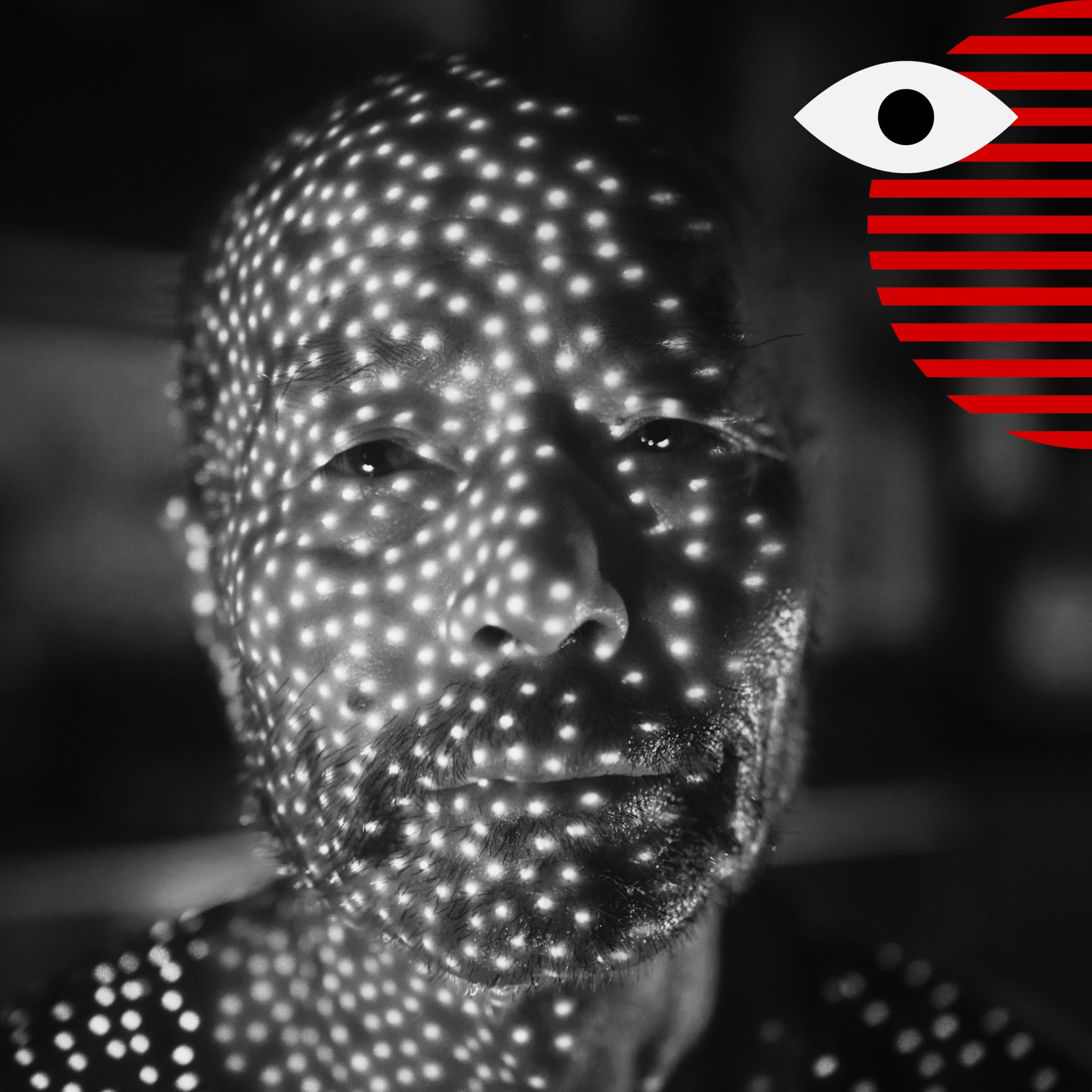
Facial recognition is marketed as convenient, but it seems like the ease comes at a cost. Biometric surveillance has become central to security information systems across government agencies including border patrol, policing and immigration. These are instances where choice and consent come at the price of life and liberty. Host Maria Kestane speaks to Aaron Tucker, author and associate professor at Memorial University of Newfoundland. They discuss who sets the thresholds for obedience, and what happens when data collection is non-negotiable. Learn more about Aaron's book here: Flexible Faces – Aaron Tucker (https://aarontucker.ca/faces/) We love feedback at The Big Story, as well as suggestions for future episodes. You can find us: Through email at [email protected] Or @thebigstory.bsky.social on Bluesky Hosted by Simplecast, an AdsWizz company. See pcm.adswizz.com (https://pcm.adswizz.com/) for information about our collection and use of personal data for advertising.
Episode information is provided by the publisher. Listening takes place on the publisher’s service.
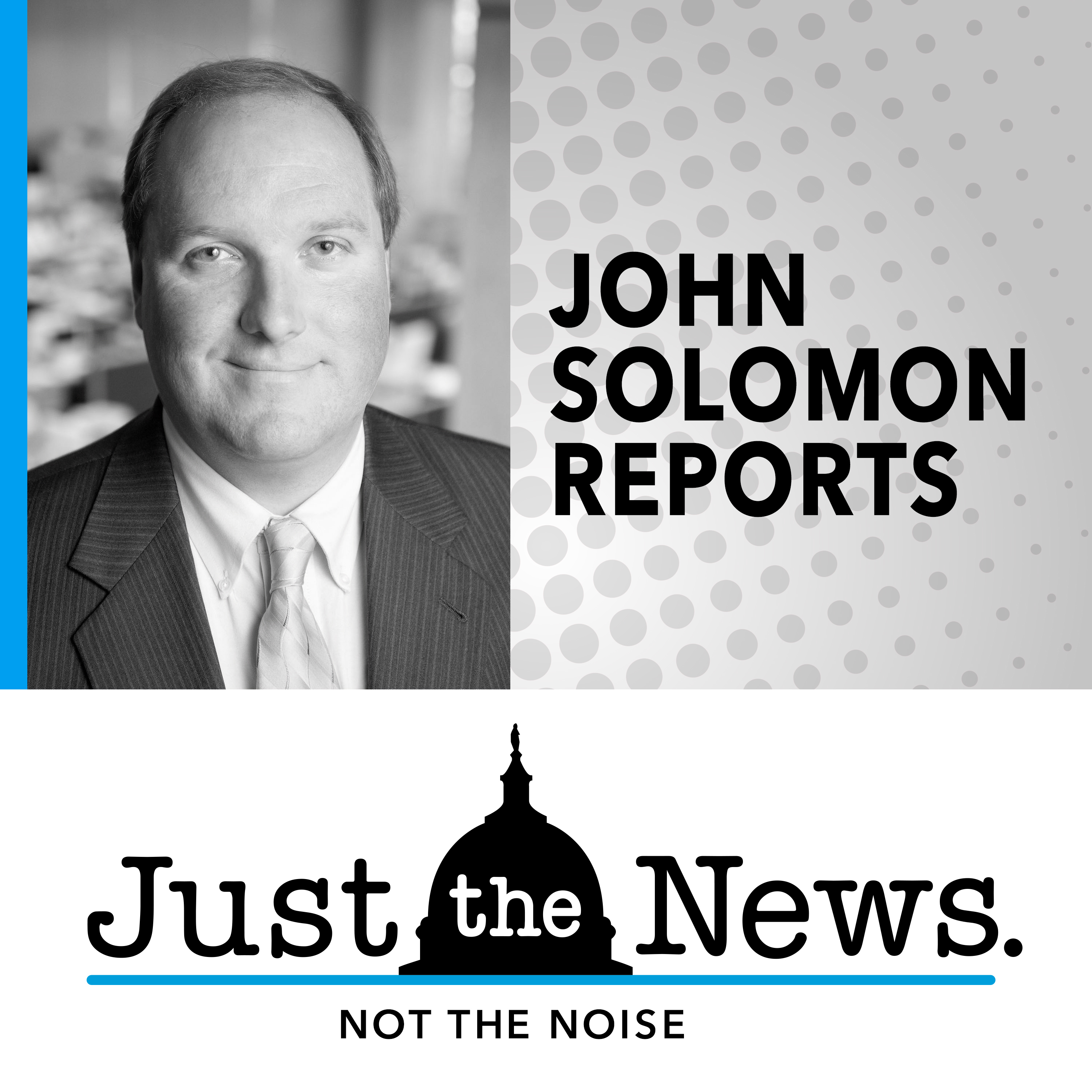
Runaway government spending, rising costs, and a new wave of legal battles over constitutional rights. With Democrats preparing to take control of Congress and several state governments, Republicans are confronting a very different political landscape. John Solomon and Amanda Head welcome Montana Senator-elect Kurt Alme, who says Washington must get serious about reining in spending, lowering inflation, and making everyday life affordable again. Already preparing for his arrival in the Senate, Alme discusses his priorities for protecting Montana's way of life, keeping taxes low, creating good-paying jobs, and working across party lines when possible. He also addresses the challenges Republicans face in the minority, the remaining lame-duck session, and concerns about efforts to expand the Supreme Court and eliminate the filibuster. Then, Southeastern Legal Foundation President Kimberly Hermann joins the show with a warning about potential policy reversals in states where Democrats have
Many homeschooling families once kept their kids out of sight during school hours. Today about 6% of households with school-age children homeschool, and they come from varying backgrounds. WORLD’s Lindsay Mast talks with historian Dixie Dillon Lane, author of Skipping School: The History of American Homeschooling and How It Went Mainstream, about how it happened and what factors could still threaten that freedom. ---------------------------- Days before he was arrested by the Romanian secret police, Pastor Richard Wurmbrand read that the Bible included 366 passages to help Christians overcome fear—one for every day of the year, including leap year. This idea inspired Wurmbrand’s faith and helped him stand strong for Christ in the face of opposition, imprisonment, and torture. Whom Shall I Fear? is a 366-day devotional including stories of persecuted Christians that will inspire believers to overcome anxiety, doubt, and fear. More information on this special offer is available at vom.or
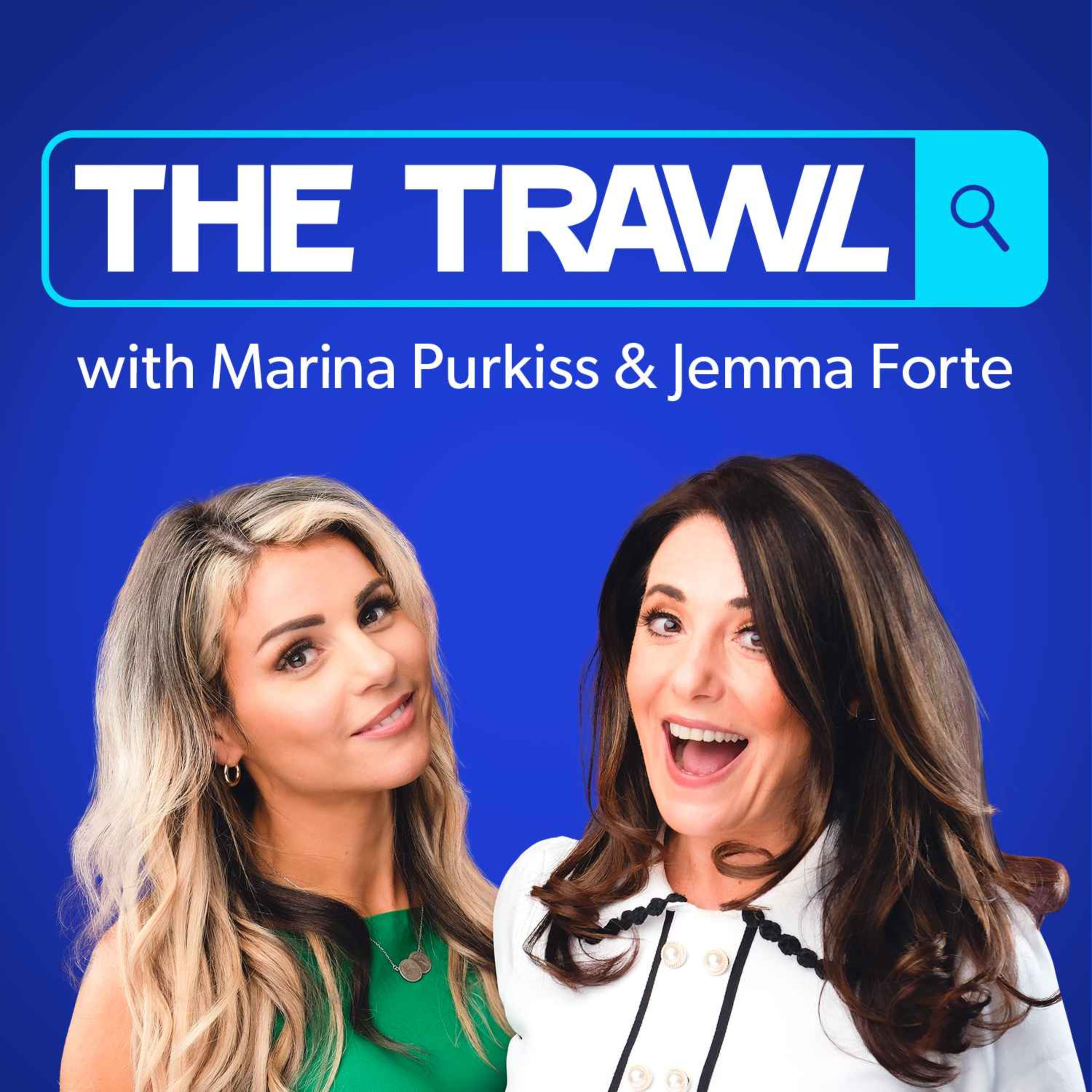
The world appears to be falling apart, and the Trawl ladies are beginning to wonder whether anyone is actually in charge. From America's air traffic control system grinding to a halt, banking glitches and our ever-growing dependence on technology, Jemma and Marina are asking what happens when the infrastructure we rely on is run by systems, and people, we can't trust. Trump's America is proving quite the masterclass in chaos. There's Transportation Secretary Sean Duffy, whose career has taken him from reality TV to running America's transport network; questions over the new AI technology, the FAA's failures and the government's handling of the crisis; and another extraordinary display of Trump's blame-shifting when things go wrong. We also look at Markwayne Mullin's rather unfortunate timing when it comes to a trip to a college football game, the questions surrounding donations to Trump's enormous new ballroom and the companies subsequently winning government contracts. Are these isola
Former USAID Administrator Andrew S. Natsios discusses the Trump administration’s dismantling of USAID and why he argues the consequences could threaten Americans’ health, safety and prosperity. Natsios, author of “Guns Are Not Enough: Foreign Aid in the National Interest,” explains why foreign aid remains a critical tool of US soft power. Also on today’s show: British model and actress Twiggy reflects on her journey from working-class London to becoming a defining face of the 1960s and a British cultural icon, as chronicled in a new documentary by Sadie Frost. Olivia Harrison joins Walter Isaacson to discuss “The Third Eye: Early Photographs by George,” a collection of more than 200 photographs and film stills from her husband George Harrison’s personal archives, and what they reveal about the late Beatle’s personality and artistic curiosity.
The industry is operating on flawed assumptions. Most days, our technological landscape feels unshakeably miraculous. You can save hundreds of thousands of documents in organized folders and send messages to a friend on the other side of the world in mere seconds; the internet crams all recorded knowledge into your pocket; personal agents sit at your beck and call to schedule doctor appointments or retrieve any information you might need; and AI software can crunch more data in one minute than you could in a lifetime. We’ve made it. Except this week things felt precarious. Black Friday Deal! Steepest discount we've ever done. Suspension of the Rules. A “software Beirut”? Apps and emails and agencies going down? Advisories to stockpile supplies? On this week’s Suspension of the Rules, Isaac, Kmele, and guest host Audrey Moorehead break down AI-related fears and how they’re thinking about the past week’s news. You can watch here. (https://youtu.be/WE5W7gWozQs?si=lC7wGwKSxi2IPy4p) The Gre
Alex Murdaugh's murder retrial has a new question hanging over it, and it starts with a shirt. The defense says SLED's lead agent, David Owen, described blood spatter to the grand jury even though the agency's own lab had found no human blood in tested stains. It also challenges his claim that shotguns at Moselle were loaded like the weapon used to kill Paul. At the November 13 hearing, Judge Debra McCaslin heard the arguments and did not toss the charges. She said she would try to issue a written decision by November 20. Before adjourning, she asked whether prosecutors could return to a grand jury and keep the April 5, 2027 retrial date. That's a practical question, not a verdict about anyone's honesty. Creighton Waters argued that Owen's statements were not intentionally deceptive and that the spatter expert continued to stand by his interpretation. The State also points to the kennel video and other evidence it says supports the indictment. The defense counters that the grand jury s
Enjoy this special feed drop of our sister show 'In This Economy?!' The U.S. experienced its fair share of technological outages, disruptions and stoppages over the past week or so, starting off with Microsoft 365 going black last Thursday heading into Friday, followed by the FAA ground stoppage across America, and other online systems throughout this week. Host Mike Eppel speaks to Sheldon Jacobson, professor of computer science at the University of Illinois at Urbana-Champaign to discuss whether or not people are justified in their worry-shopping, and how much of a disruption to productivity took place. We love feedback at The Big Story, as well as suggestions for future episodes. You can find us: Through email at [email protected] Or @thebigstory.bsky.social on Bluesky Hosted by Simplecast, an AdsWizz company. See pcm.adswizz.com (https://pcm.adswizz.com/) for information about our collection and use of personal data for advertising.
Plus: today on The Big Story - more on the GTA VI release, Lorne Doerkson will be sworn in as B.C.'s 38th premier in a ceremony in Victoria today, display cases at the RCMP Heritage Centre in Regina will no longer show firearms, and the Newfoundland and Labrador government has announced 1.25-million dollars in funding for the community food sharing association. We love feedback at The Big Story, as well as suggestions for future episodes. You can find us: Through email at [email protected] Or @thebigstory.bsky.social on Bluesky Hosted by Simplecast, an AdsWizz company. See https://pcm.adswizz.com for information about our collection and use of personal data for advertising.
Thirteen years later, and Grand Theft Auto VI is finally here. Set in the fictional U.S. state of Leonida (based on Florida), players can move through the storyline of Jason Duval and Lucia Caminos as they try to complete the missions. Host Maria Kestane speaks to Chad Habel, senior lecture at Adelaide University and production director at Bad Plan Studios, as well as Andrei Zanescu, a post-doctorate research fellow at Concordia University. They discuss whether or not GTA 6 is the final return of monoculture, and what kind of economic ripple effect the game will create. We love feedback at The Big Story, as well as suggestions for future episodes. You can find us: Through email at [email protected] Or @thebigstory.bsky.social on Bluesky Hosted by Simplecast, an AdsWizz company. See pcm.adswizz.com (https://pcm.adswizz.com/) for information about our collection and use of personal data for advertising.
A majority vote should not override the basic rights of a smaller group.
Share your view, then see how readers voted. No sign-in required. This poll is shared across stories.
Do you agree or disagree?
Common Quandary
A Common Quandary to discuss
Another conversation to explore, separate from this news story.
A new email address earns another free month. How many free trials are too many?
A streaming service offers a free month to every new account and makes cancellation deliberately confusing. You discover that slightly different email addresses let you repeat the trial indefinitely without lying about your identity.
Must customers respect the spirit of rules designed to manipulate them?