What Is Chronic Inflammation and Should I Worry About This?
31 min
Listen through the publisher, then discuss the episode here or arrange an in-person Roundtable. Your city determines where to meet.
Roundtables are designed for groups of four, with a shared subject and room for everyone to speak. Come for discussion, with no dating expectation.
Inflammation has become one of nutrition's biggest buzzwords, but is it always something we should be worried about? We sat down with registered dietitian and author Jackie London, MS, RD, CDN, to unpack what inflammation really is, why it's not always the enemy, and what actually contributes to chronic inflammation. Plus, we bust popular diet myths and share practical, evidence-based ways to support your body's inflammatory response. Find out what's worth adding to your plate and what's just hype!
Episode information is provided by the publisher. Listening takes place on the publisher’s service.
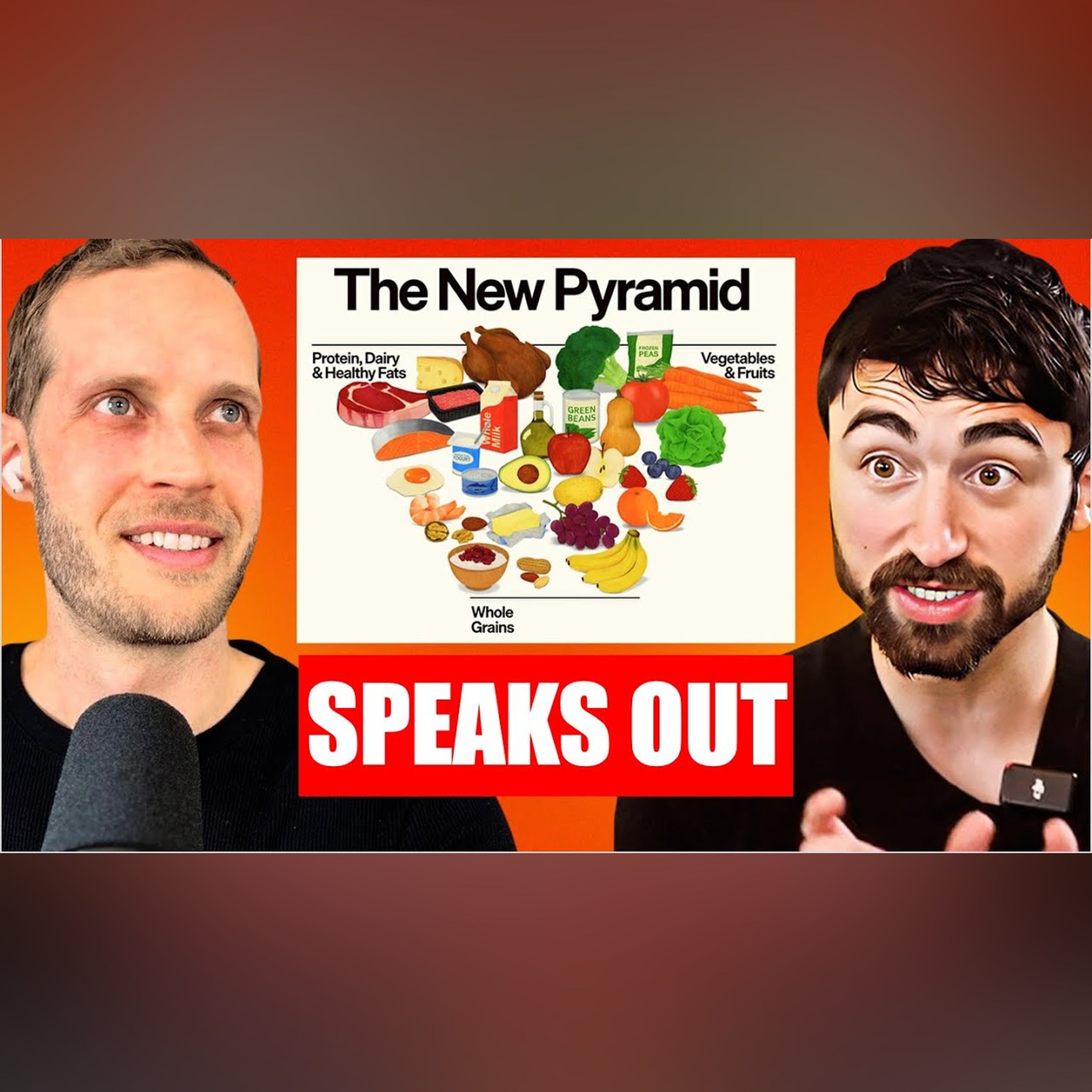
For a written digest on the guidelines, see the StayCurious Metabolism Letter: https://staycuriousmetabolism.substack.com/p/the-new-dietary-guidelines-actually?r=40ekz2 The 2025–2030 Dietary Guidelines are being marketed as a major reset with a simple message: put “real food” back at the center of the American diet. And in a lot of ways, they do represent progress. But when you actually read what’s written, some of the most important details raise real questions. For example, the document still states that saturated fat should not exceed 10% of total daily calories. To separate signal from spin, I’m joined by Dr. Ty Beal PhD, who worked on the evidence review side of the Guidelines process, to explain what the scientific background documents actually say, what happens after scientists submit reviews, and why the final public-facing document can end up with compromises, inconsistencies, or imprecise terminology. If you want a clear, good-faith breakdown—what’s genuinely better, what sti
Is your body weight stable, but you're still not eating enough to properly fuel your training, recovery, and overall health? Introducing Why Stable Weight Doesn't Always Mean You're Eating Enough from Jeff Hoehn of the Mind Muscle Connection Podcast (https://www.buzzsprout.com/1508401). Just because your weight isn't changing doesn't necessarily mean you're adequately fueled. In this episode, Jeff breaks down why maintaining a stable body weight doesn't always mean you're meeting your body's energy needs, especially if you're training hard, staying lean, or spending long periods dieting. You'll learn: Why stable body weight doesn't automatically mean adequate energy availability Who is most at risk of underfueling, even when their weight isn't changing How high training output, staying too lean, and chronic dieting can contribute to low energy availability The potential signs of underfueling, including changes in performance, recovery, hormones, and menstrual health Why spending too lo
These three lies about cholesterol confuse my patients and distract them from what they should be focusing on. -------------- The Workbook: https://on.bozmd.com/BozWorkbook --------------------- Thanks for checking out the Dr. Boz Channel. See links below resources and recommendations. Tune in Tuesday nights, 4PM Eastern/3PM Central to watch me Live! We improve health - One ketone at a time. --------------------- FREE STUFF 50 Keto Fat-Facts: http://on.bozmd.com/50fat Dr. Boz Ratio Spreadsheet: http://on.bozmd.com/DBR Documentary Playlist: https://on.bozmd.com/AT --------------------- Dr. Boz’s Online Courses: Consistently Keto: http://on.bozmd.com/CK BRAINS: https://on.bozmd.com/BrainsT2R --------------------- WAYS TO SUPPORT THIS CHANNEL: Share Dr. Boz content with people you love. Everyone wins when you share. Buy Dr. Boz Products: Dr. Boz Food Guide: http://on.bozmd.com/FoodGuide Walmart: https://on.bozmd.com/WalmartKetoMap Amazon: https://on.bozmd.com/AmazonAttKetoMap Beginners lo
If you're training hard but feeling wiped, eating a restricted diet for your gut, or just never hungry after a tough workout, you might not be getting the protein you need. This episode breaks down how much you really need and how to get it without upsetting your gut. YOU'LL TAKEAWAY: Macronutrients and calories 101, and how restrictive diets throw off your balance How your body digests protein, and why it matters before workouts The many roles of protein, from enzymes and iron storage to post-workout appetite How much protein you need, plus 3 easy low FODMAP ways to boost it — RESOURCES & LINKS MENTIONED: ⤵️ Want high touch coaching support for IBS & fuelling performance? Apply for coaching. (http://gutfitnutrition.com/apply) Free Training: How to Control IBS So You Can Fuel Your Training Without a Lifelong Low FODMAP Diet (https://gutfitnutrition.com/heal-ibs-training-live) Supporting your immune system when you're sick (Ep. 70) (https://open.spotify.com/episode/5bCto0jWLcbC5hQW4hrH6
Glycine is an amino acid that helps build collagen and is involved in regulating inflammation, and researchers are exploring its role in healthy aging, yet your body may produce less of it as you get older Modern diets often lack glycine-rich connective tissues, such as bones, tendons and cartilage, making grass fed beef bone broth, gelatin and collagen-rich cuts of meat valuable additions to your meals Animal studies described by biochemist Joel Brind, Ph.D., found that glycine supplementation extended lifespan in rats and mice by approximately 10% to 15%, although researchers have yet to establish whether it produces similar benefits in humans In a small, three-month placebo-controlled trial of 74 adults with Type 2 diabetes, those given glycine had significantly lower HbA1c and reduced inflammatory markers compared with placebo, although larger studies are needed Research suggests glycine may help your body release heat and lower its core temperature before sleep, while collagen-ric
This week, I'm talking about a particular kind of person: someone who's always doing things for everybody else, who never seems to have a moment for themselves, and who is absolutely determined that you should know about it. We're probably all guilty of a bit of martyrdom from time to time. I certainly am. The theatrical sigh as you empty the dishwasher for the third time; the "I'll just have a piece of toast"; the "no, no, you sit down, I'll do it" when what you really mean is "I can't believe you're sitting down while I'm doing this." But when martyrdom becomes someone's habitual way of relating to others, it can leave you feeling grateful and resentful at exactly the same time. Today's dilemma comes from a listener whose mum does everything for everyone, and then complains about how much she has to do. She'll spend the morning cooking a family lunch, refuse every offer of help, only to spend the afternoon telling everyone how tired she is. Now, our listener is finding herself snappi
Residents' need for quiet should usually outweigh the benefits of late-night entertainment.
Share your view, then see how readers voted. No sign-in required. This poll is shared across stories.
Do you agree or disagree?
Common Quandary
A Common Quandary to discuss
Another conversation to explore, separate from this news story.
A stray cat adopts you—and starts killing birds. Do you keep feeding it?
A stray cat visits your yard daily and appears to depend on the food you leave out. Neighbors complain that outdoor cats kill birds and say feeding it encourages the problem without taking responsibility for the animal.
Does caring for one visible animal excuse harm to less visible ones?