Listen through the publisher, then discuss the episode here or arrange an in-person Roundtable. Your city determines where to meet.
Roundtables are designed for groups of four, with a shared subject and room for everyone to speak. Come for discussion, with no dating expectation.
Rudyard Griffiths and Sean Speer analyze the implications of a sweeping Democratic victory in the 2026 U.S. midterm elections for Canada. They discuss how the Democrats' gains in traditional Republican strongholds could constrain Trump's executive power, particularly on tariff policy. They also explore whether this electoral repudiation of Trumpism allows Canada to recalibrate its interventionist economic policies and whether it creates political space for Canadian conservatives to challenge the Carney government's expansive spending agenda justified by the American threat. The Hub is Canada’s fastest growing independent digital news outlet. https://tinyurl.com/3a7zpd7e (Apple) https://tinyurl.com/y8akmfn7 (Spotify) Watch a video version on YouTube: https://www.youtube.com/@TheHubCanada Follow The Hub on X: https://x.com/thehubcanada?lang=en CREDITS: Daphne Liang - Producer and Editor Rudyard Griffiths and Sean Speer - Hosts Charlie Neibergall/AP Photo - Photo Credit Hosted on Acast.
Episode information is provided by the publisher. Listening takes place on the publisher’s service.
One week after the U.S. midterm elections, join Valérie Beaudoin, one of Canada's most respected commentators on U.S. politics, for a discussion on how Canadian policymakers and officials are digesting the results in Washington. From the new balance of power in Congress to the potential implications for Canada-U.S. relations, trade economic growth, and cross-border policy priorities, we'll explore what the election outcome could mean for Canada in the months ahead. Recorded on November 10, 2026. -- Optique canadienne sur les élections américaines de mi-mandat – Valérie Beaudoin Pour une version avec des sous-titres français, veuillez consulter Une semaine après les élections de mi-mandat aux États-Unis, Valérie Beaudoin, l’une des commentatrices de la politique américaine les plus respectées du Canada, discute des façons dont les décideurs canadiens et Ottawa ont réagi aux résultats à Washington. Du nouvel équilibre des pouvoirs au Congrès aux répercussions possibles sur les relations
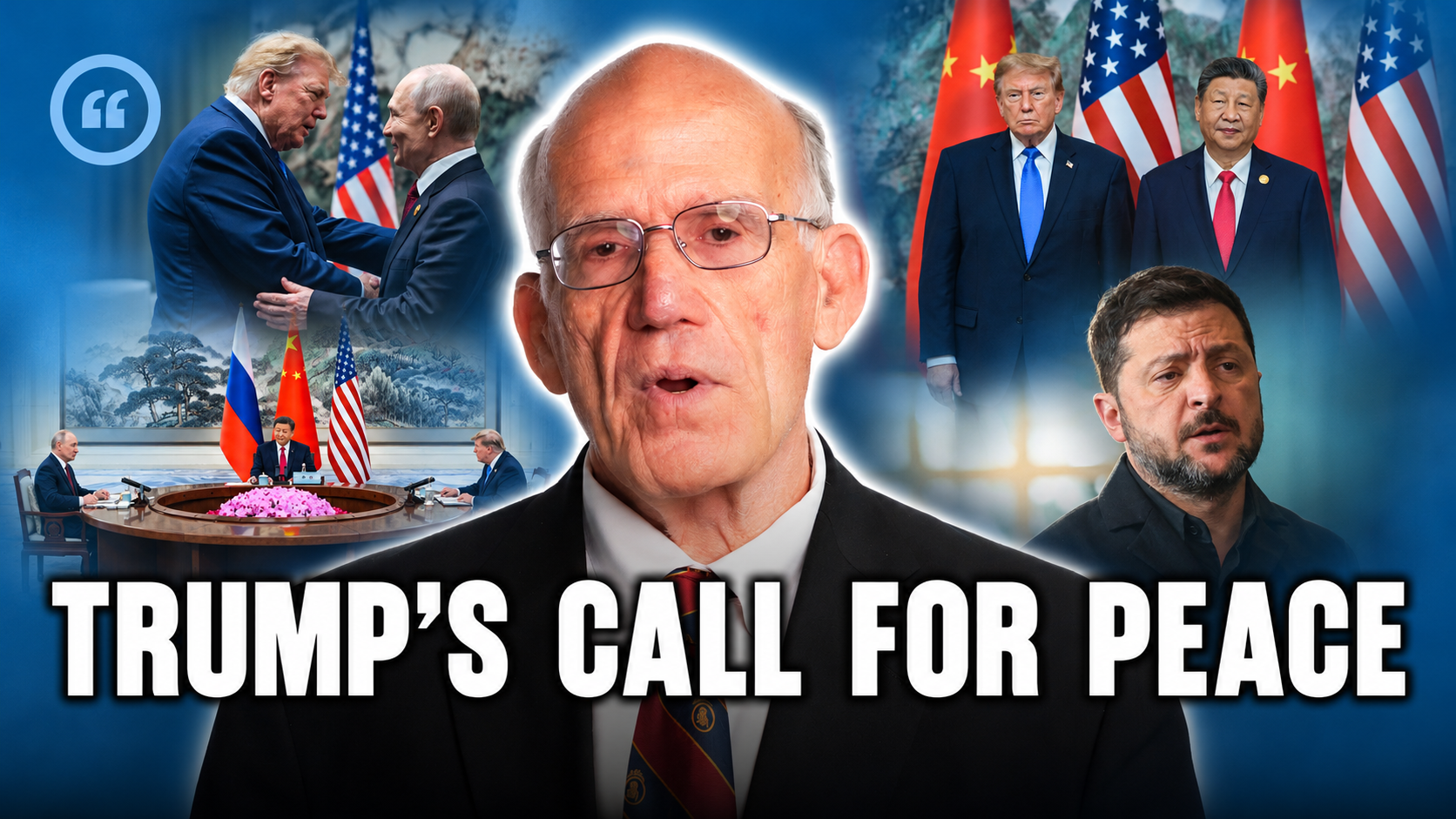
President Donald Trump's first ever trilateral summit with Vladimir Putin and Xi Jinping raises questions about the future of the war in Ukraine and whether a peace agreement could finally be within reach. Victor Davis Hanson and Sami Winc examine the summit on today’s edition of “Victor Davis Hanson: In His Own Words,” discussing Russia's declining influence, potential territorial concessions in Ukraine, and Europe's frustration over Trump's peace negotiations. Hanson criticizes Hillary Clinton's attacks on Trump's diplomacy; he also argues that European leaders have weakened their influence by neglecting defense spending and relying on American military protection. They discuss Elon Musk's shifting political allegiances, and Hanson warns that distancing himself from MAGA may not protect him from Democrat investigations. They also discuss the potential economic benefits of artificial intelligence and the challenges facing Hakeem Jeffries as Democrats prepare to take control of the Hou
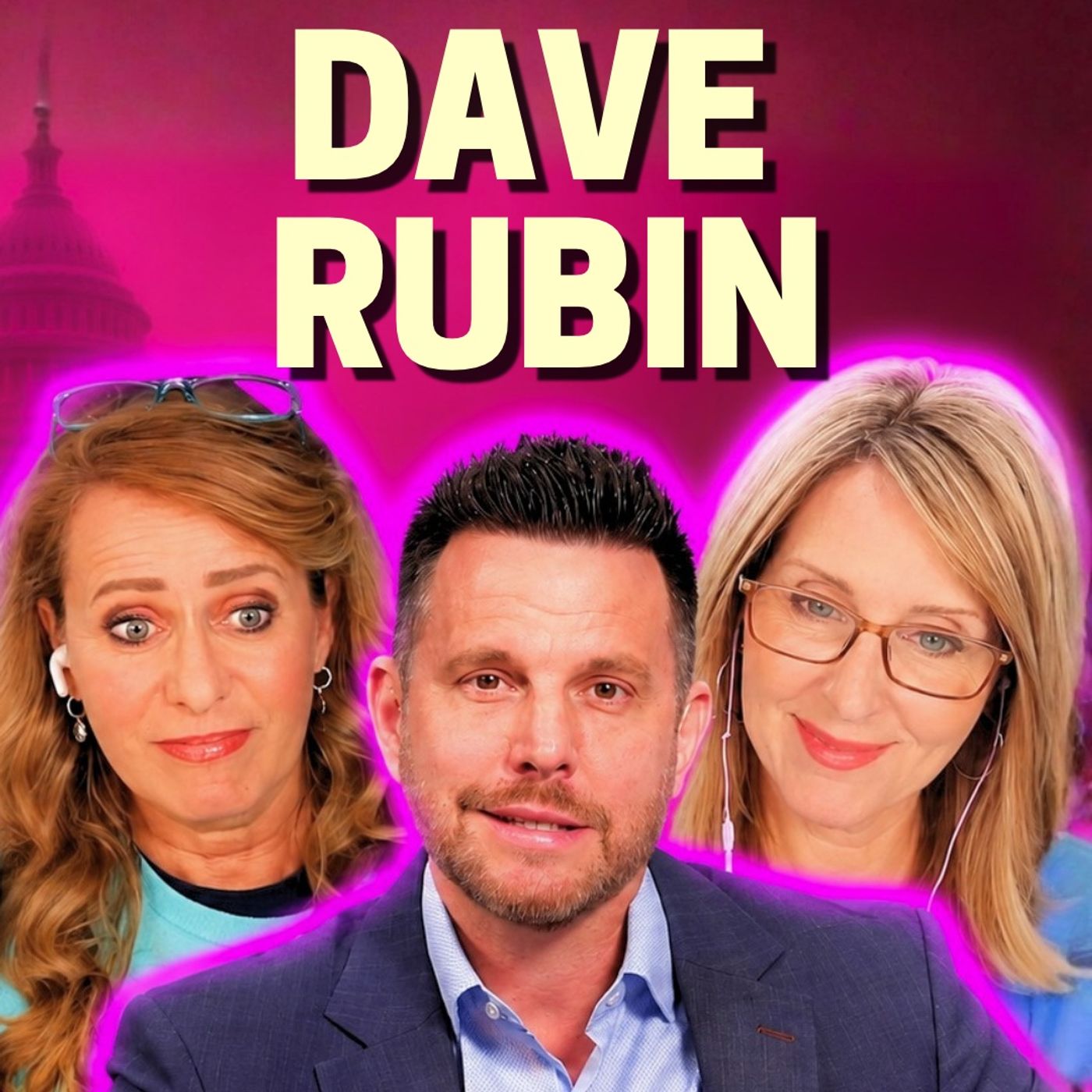
Is the Republican Party heading for a major reckoning in 2028? Dave Rubin joins The Chicks on the Right for a brutally honest conversation about Trump's final two years, the future of the GOP, and the growing divisions threatening conservatives. Dave weighs in on the Republican Party's recent election losses, whether JD Vance, Marco Rubio, or Ron DeSantis can carry Trump's agenda forward, and why he's increasingly concerned about the political direction of America. The conversation heats up as Dave takes on Nick Fuentes, the rise of extremist voices on the right, and the socialist movement gaining influence within the Democratic Party. He also discusses radical Islamism, antisemitism, the dangers of online outrage, and why he believes Western civilization faces serious challenges. Plus, with cyberattacks, banking disruptions, and nationwide outages raising concerns, Dave shares his thoughts on whether Americans should be preparing for more chaos. And don't miss the lighter side of Dave
MeidasTouch host Ben Meiselas and Meidas Canada host Charlie Angus break down how Donald Trump returned from China and tried to bully Canada, only to have Prime Minister Mark Carney and Canadians push back and outmaneuver him yet again. Visit https://meidasplus.com (https://meidasplus.com/) for more! Remember to subscribe to ALL the MeidasTouch Network Podcasts: https://meidasnews.com/podcast Support the MeidasTouch Network: https://patreon.com/meidastouch (https://patreon.com/meidastouchAdd) Add the MeidasTouch Podcast: https://podcasts.apple.com/us/podcast/the-meidastouch-podcast/id1510240831Buy MeidasTouch Merch: https://store.meidastouch.com (https://store.meidastouch.com/) Follow MeidasTouch on Twitter: https://twitter.com/meidastouchFollow MeidasTouch on Facebook: https://facebook.com/meidastouchFollow MeidasTouch on Instagram: https://instagram.com/meidastouchFollow MeidasTouch on TikTok: https://tiktok.com/@meidastouch
Runaway government spending, rising costs, and a new wave of legal battles over constitutional rights. With Democrats preparing to take control of Congress and several state governments, Republicans are confronting a very different political landscape. John Solomon and Amanda Head welcome Montana Senator-elect Kurt Alme, who says Washington must get serious about reining in spending, lowering inflation, and making everyday life affordable again. Already preparing for his arrival in the Senate, Alme discusses his priorities for protecting Montana's way of life, keeping taxes low, creating good-paying jobs, and working across party lines when possible. He also addresses the challenges Republicans face in the minority, the remaining lame-duck session, and concerns about efforts to expand the Supreme Court and eliminate the filibuster. Then, Southeastern Legal Foundation President Kimberly Hermann joins the show with a warning about potential policy reversals in states where Democrats have
Hey everybody, Tom Bilyeu here. On today’s episode of Impact Theory, we’re taking on a topic that’s got the whole world holding its breath: the escalating crisis between the United States and Iran. As tensions ratchet up, we’re asking the tough questions—how did we get stuck in this “escalation trap,” and what does it mean for America’s global leverage, our economy, and our very sense of security? The conversation focused on why the traditional idea of “strategy” might be failing policymakers, using powerful analogies—like chess versus roulette—to show how doubling down in conflict can spiral out of control. We’ll break down the risks of tactical “wins” that create even bigger crises, the real leverage Iran holds with control of the Strait of Hormuz, and the mounting pressure on President Trump as political support erodes and legacy hangs in the balance. A key theme that emerged is what happens when military might runs into decentralized opposition, and why high-stakes gambles—like the
Hub Headlines features audio versions of the best commentaries and analysis published daily in The Hub. Enjoy listening to original and provocative takes on the issues that matter while you are on the go. The lesson of Stephen Harper: Boring isn’t so bad (https://thehub.ca/2026/11/20/the-lesson-of-stephen-harper-boring-isnt-so-bad/), by Sean Speer This program is narrated by automated voices. https://tinyurl.com/3a7zpd7e (Apple) https://tinyurl.com/y8akmfn7 (Spotify) Watch The Hub on YouTube: https://www.youtube.com/@TheHubCanada The Hub on X: https://x.com/thehubcanada?lang=en For more information on Jackery power solutions, visit the HomePower 3000 product page (https://ca.jackery.com/products/jackery-homepower-3000). Hosted on Acast.
In this paid subscriber-only edition of The Roundtable, Rudyard Griffiths and Sean Speer examine Quebecor’s proposed takeover of Telus and what it reveals about Canada’s economic model. They trace the history of the “fourth carrier” policy, debate whether this merger signals the end of telecom competition, and explore how government regulation creates what they call “Laurentian capitalism”—a system where state power and corporate interests intertwine. The discussion also addresses sovereignty arguments, media consolidation, and whether Canada is abandoning market-based competition for state-managed oligopolies across key industries. If you are enjoying free versions of the Hub Roundtable, subscribe to become a Hub Hero or Fellow to access the full version every week: https://thehub.ca/join/ The Hub is Canada’s fastest growing independent digital news outlet. https://tinyurl.com/3a7zpd7e (Apple) https://tinyurl.com/y8akmfn7 (Spotify) Watch a video version on YouTube: https://www.youtube
Shubham Vashist, founder of Calgary-based energy research firm Insight Stream (https://insightstreamco.base44.app/), joins Alberta Edge to examine Canada's race to capture a narrow window of opportunity in the global LNG market. With competitors rushing to lock in long-term contracts with Asian buyers, Canada has some distinct advantages—but can it build quickly and cheaply enough to capitalize on them? Why are some of the world's fastest-growing economies also among the most price-sensitive energy buyers? And what happens when a global LNG supply glut arrives? Vashist looks beyond the headlines about Canada's ambitious export plans to explain the commercial realities of selling energy to Asia, including the surprising connections between LNG, propane, condensate, and oilsands production. This podcast is generously supported by Don Archibald and Mac Van Wielingen. The Hub thanks them for their ongoing support. The Hub is Canada’s fastest-growing independent digital news outlet. https:/
Giving a player another chance should depend on their effect on the whole team.
Share your view, then see how readers voted. No sign-in required. This poll is shared across stories.
Do you agree or disagree?
Common Quandary
A Common Quandary to discuss
Another conversation to explore, separate from this news story.
You make a hilarious deepfake of a friend for their birthday. Must you ask first?
For a private birthday party, someone creates a convincing video of a mutual friend delivering an absurd speech. Everyone, including the subject, will immediately understand that it is fake.
Does obvious fiction eliminate the need for consent?