Listen through the publisher, then discuss the episode here or arrange an in-person Roundtable. Your city determines where to meet.
Roundtables are designed for groups of four, with a shared subject and room for everyone to speak. Come for discussion, with no dating expectation.
In this episode, Dr. K analyzes iconic fictional managers from TV and film to demonstrate how to navigate toxic workplace dynamics and manage difficult supervisors. He explains that highly narcissistic bosses prioritize optics and image over raw output, meaning career advancement often depends on helping your manager look good to their superiors. Dr. K details practical defensive strategies: disarming cruel workplace humor by calmly asking the boss to explain the joke, recognizing when abusive managers are trying to bait an emotional reaction to justify their own anger, and avoiding total powerlessness by setting calculated boundaries. Finally, he emphasizes that when bad bosses realize they've made a mistake, confronting them harshly will cause them to flip defensively, and ultimate immunity to workplace manipulation comes from developing deep self-awareness around your own psychological triggers. Mental health resources designed by Dr. K and made with love: https://bit.ly/3ZOopgQ Talk to a HG Coach 1-on-1: https://bit.ly/46bIkdo Dr. Dr. K's Guide to Mental Health: https://bit.ly/44z3Szt HG Memberships : https://bit.ly/3TNoMVf Products & Services : https://bit.ly/44kz7x0
Episode information is provided by the publisher. Listening takes place on the publisher’s service.
Master the skills that change lives — enroll in your free human behavior course today: https://nci.university/learn Uploaded 10-04-26 The Cheat Code for Controlling Conflict Every argument, meltdown, or power struggle follows a pattern. Most people miss it—and that’s why they lose control in the moment. This video breaks down the exact psychological system behind conflict escalation, including why people suddenly become defensive, aggressive, manipulative, or unpredictable. Once you see it, you’ll recognize the moment before things spiral—and you’ll know how to respond without escalating, backing down, or losing your frame. This isn’t about winning arguments. It’s about understanding what actually triggers human behavior under pressure. Inside this breakdown: • Why people suddenly “flip” in conversations • The hidden triggers behind anger, defensiveness, and power plays • How ego threat drives conflict escalation • Why logic fails when emotions take over • How to read the exact moment
Fear has a way of quietly taking control of your life. It convinces you to stay where you are, avoid difficult conversations, delay decisions, tolerate situations you know aren’t good for you, and settle for a life that is far smaller than the one you are capable of living. In this episode of The Strong Life Project, we explore how fear impacts your thinking, your relationships, your career, your leadership, and ultimately your ability to live a meaningful life. Fear doesn’t always look like panic. Sometimes it looks like procrastination, overthinking, making excuses, people pleasing, avoiding conflict, or constantly waiting for the perfect moment. The problem is that every time you allow fear to make a decision for you, you reinforce the belief that you are incapable of handling what comes next. Over time, this creates a pattern of avoidance that undermines confidence, resilience, emotional strength, and personal growth. Learning to manage fear doesn’t mean becoming fearless. It means
Feeling overwhelmed by anxiety or experiencing a panic attack right now? This gentle guided meditation is designed to help you slow down, reconnect with the present moment, and find a sense of calm, one breath at a time. If you're feeling panic, begin at the very start. Through a soothing voice, gentle breathing exercises, and grounding techniques, you'll be guided to feel the support beneath you, notice your surroundings, and gradually release physical tension. As the meditation continues, you'll explore what happens in your body during a panic attack, why anxiety can feel so intense, and how to respond to those sensations with greater understanding and self compassion. Instead of fighting the wave of anxiety, you'll practise allowing it to rise and pass while remaining connected to the present moment. This peaceful journey includes: • Immediate grounding techniques for moments of panic • Gentle breathing with a longer, slower exhale • Understanding the physical sensations of anxiety
NBC’s Business Correspondent, Brian Cheung is tracking the holiday sales, and the best tips and tricks to navigate the shopping frenzy. Also, new technology is changing the beauty industry and making some products more effective, when it comes to actually de-aging your skin. And, a pollo asada recipe ahead of Sunday’s football game in Mexico City this Sunday. Hosted by Simplecast, an AdsWizz company.
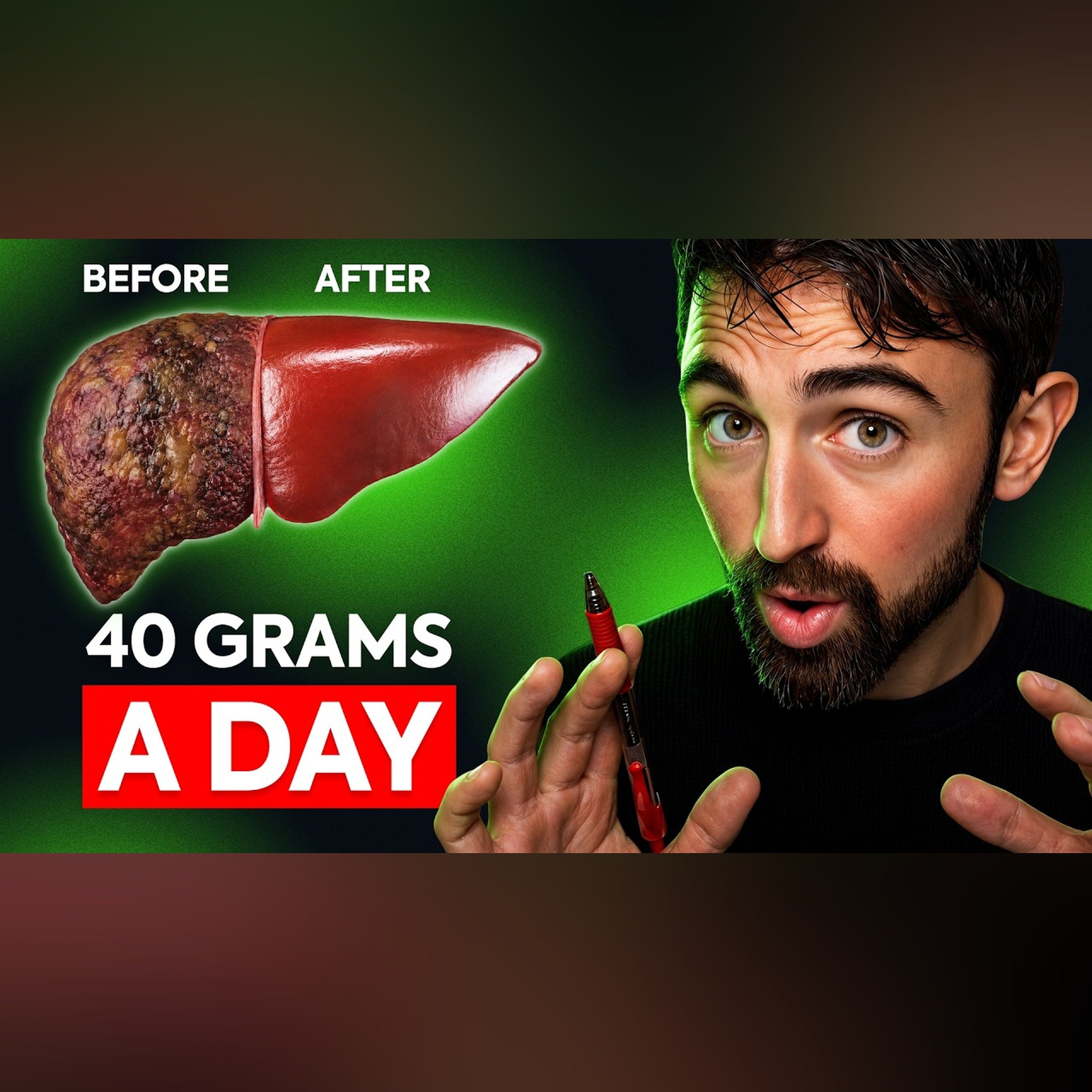
For all references, extra nuances, and early access to breakdowns like this, see the associated newsletter: https://staycuriousmetabolism.substack.com/p/shrink-visceral-fat-by-feeding-your?r=40ekz2 Winnow Microplastic Binding Probiotic: https://www.winnowlabs.com/STAYCURIOUS Microplastics and Heart Health, Letter https://staycuriousmetabolism.substack.com/p/microplastics-in-my-heart-its-worse?r=40ekz2 Microplastics and Brain Health, Letter: https://staycuriousmetabolism.substack.com/p/this-graph-changed-how-i-think-about?r=40ekz2 Description: In this video we examine the scientific evidence behind resistant starch, including randomized controlled trials showing reductions in body weight, total fat mass, and visceral fat measured by MRI—even when calorie intake remains controlled. We also explore the biological mechanism, including how changes in the gut microbiome may drive these effects. But there’s an important twist: not everyone responds the same way. We’ll look at new research exp
I Need a Moment Before I React — 10-Minute Breathing Meditation for Anxiety, Stress & Overwhelm | 4-2-6 Breath Do you feel the reply leave your mouth before you've had a chance to choose it? A message on your phone, a particular tone of voice, one more request when you're already stretched thin, and something tightens. This 10-minute breathing meditation for anxiety gives you that moment before you react, a little space to notice what you're feeling when you're stressed and overwhelmed, and then decide what would actually help. For a calm pause whenever you need one, download Anchored, my app for panic and anxiety. Guided sessions, breathing tools and fresh caring tips every day, and it plays with the screen off. iPhone: https://apps.apple.com/us/app/anchored-panic-anxiety/id6785035669 | Android: https://play.google.com/store/apps/details?id=com.martinhewlett.anchored Together we use a calming 4-2-6 breath: in through the nose for four, a gentle hold for two, and a long, easy release f
In this episode, Dr. K analyzes candid feedback from over a hundred software engineers facing burnout, loss of joy in coding, and existential dread in an AI-driven tech landscape. He breaks down the friction between developer reality and executive expectations, where corporate pressure to rapidly increase output with AI tools often results in code instability, production incidents, and tedious code-review assembly lines. Drawing on engineering benchmarks like the DORA report, Dr. K outlines tactical communication strategies for developers to manage upward by matching leadership enthusiasm while proactively documenting technical risks. Ultimately, he emphasizes that cultivating emotional resilience, social proficiency, and clear communication provides engineers with their strongest competitive edge during periods of industry disruption. Mental health resources designed by Dr. K and made with love: https://bit.ly/3ZOopgQ Talk to a HG Coach 1-on-1: https://bit.ly/46bIkdo Dr. Dr. K's Guide
In this episode, Dr. K reacts to stand-up comedy crowd work clips to unpack the psychiatric realities behind humor surrounding depression, ADHD, and modern relationships. He explains how struggling with household chores can be a legitimate clinical symptom of a depressive episode, while exploring how the subconscious can also learn to manufacture complaints to avoid unwanted responsibilities. Dr. K also breaks down the emotional dynamics of dating someone with bipolar disorder and examines how social media fuels widespread misunderstanding around ADHD. Finally, he highlights biological fundamentals like restorative sleep, nutrition, and gut health to demonstrate why physical habits often resolve distress far more effectively than over-pathologizing everyday sadness. Mental health resources designed by Dr. K and made with love: https://bit.ly/3ZOopgQ Talk to a HG Coach 1-on-1: https://bit.ly/46bIkdo Dr. Dr. K's Guide to Mental Health: https://bit.ly/44z3Szt HG Memberships : https://bit.
In this episode, Dr. K investigates the viral internet trend surrounding self-injected peptides for muscle recovery, injury repair, and anti-aging. Drawing on his background in complementary medicine and placebo research at Harvard, he argues that unproven compounds like BPC-157 function largely through a strong placebo response fueled by high prices, novelty, and social media hype. While GLP-1 agonists like semaglutide have clear clinical trial data for weight loss, Dr. K highlights the severe hidden risks of unregulated peptides—including potential cancer acceleration through angiogenesis and dangerous chemical contamination in online orders. Mental health resources designed by Dr. K and made with love: https://bit.ly/3ZOopgQ Talk to a HG Coach 1-on-1: https://bit.ly/46bIkdo Dr. Dr. K's Guide to Mental Health: https://bit.ly/44z3Szt HG Memberships : https://bit.ly/3TNoMVf Products & Services : https://bit.ly/44kz7x0
A merger should be approved only when there is a credible case that customers will benefit.
Share your view, then see how readers voted. No sign-in required. This poll is shared across stories.
Do you agree or disagree?
Common Quandary
A Common Quandary to discuss
Another conversation to explore, separate from this news story.
Your friend asks for an honest review after every date. Do their dates deserve privacy?
A close friend sends detailed post-date reports and expects your advice about every message, kiss, and awkward silence. One recent date is someone you know professionally, who would be embarrassed to learn how much you have heard.
Where does friendship's need for advice become gossip about an unsuspecting person?