When Giving Becomes an Obligation: The Difference Between Generosity and Guilt
9 min
Listen through the publisher, then discuss the episode here or arrange an in-person Roundtable. Your city determines where to meet.
Roundtables are designed for groups of four, with a shared subject and room for everyone to speak. Come for discussion, with no dating expectation.
Today's Scripture: 2 Corinthians 9:6–11 How do you know when you're giving out of genuine love versus guilt, pressure, or fear of disappointing someone? Generosity is a beautiful part of the Christian life, but sometimes what looks like selfless giving can leave us feeling depleted, resentful, or responsible for needs that aren't ours to carry. We explore: -Three kinds of giving that can look identical on the outside -The hidden fears behind over-functioning and overgiving -Why healthy generosity sometimes requires sacrifice—and discernment -How to recognize what's yours to give and what isn't yours to carry Connect with Dr. While Dr.
Episode information is provided by the publisher. Listening takes place on the publisher’s service.
What does it mean to experience authentic gratitude, especially when we are aware of so much suffering in our world? In this Thanksgiving talk, Tara explores how gratitude and generosity arise naturally when we pause, become present, and open our hearts to life as it is. Rather than turning away from sorrow, anger or injustice, we discover that meeting these experiences with mindful presence can awaken tenderness, appreciation and a deeper sense of connection. There are two pathways to awakening these qualities of the heart. The first is learning to pause and be fully present with whatever is here. The second is intentionally cultivating gratitude and generosity through simple, heartfelt practices. As we learn to receive the goodness and beauty of life, we become more available to offer our care and love to others. Through stories, reflections and guided practices, Tara invites us to move beyond the habits of fear, scarcity and self-protection that can close our hearts. We explore how
Have you ever found yourself saying, "I did it again. Why can't I get this right? Why do I keep going back to the same habits with food?" Maybe you've promised yourself that today would be different. You were going to eat better, make healthier choices, stop emotional eating, or finally get control of those cravings. But then life happened, emotions got the best of you, or you found yourself falling into an old pattern again. And instead of giving yourself grace, you immediately go to guilt, frustration, and disappointment. You start questioning yourself. Maybe you tell yourself you're never going to change, that you just don't have enough discipline, or that you'll always struggle with food. But friend, I want to remind you of something today: God's compassion for you doesn't disappear when you struggle with your behavior. Your mistakes don't surprise Him. Your struggles don't make Him love you less, and you don't have to earn His grace by getting everything right. Today, we're going
Jay explains how the small tasks we keep putting off can quietly cost us time, money, and peace of mind, and shares six practical rules for overcoming procrastination. He breaks down the different emotions that keep us from taking action, from fear and perfectionism to resentment and boredom, and explains why each requires a different approach. Jay shares how to recognize what's really holding you back and choose the right strategy to finally get things done. With Love and Gratitude, Jay Shetty JAY'S DAILY WISDOM DELIVERED STRAIGHT TO YOUR INBOX What I Discuss: 00:00 Introduction 00:25 The Hidden Cost of Procrastination 01:30 What Unfinished Tasks Do to Your Brain 03:05 Rule One: If You're Confused, Get One Answer 06:15 Rule Two: If You're Embarrassed, Talk About It Before Taking Action 10:25 Rule Three: If You're Afraid, Don't Do It Alone 11:55 The Power of Support When Facing Our Fears 14:20 Rule Four: If You're Resentful, Determine If It's Still a Yes 17:25 Rule Five: If You're a Pe
We can't control how other people feel, what kind of day they're having, or the energy they bring into our lives. But we can learn to recognize when their emotions are beginning to shape our own. Rosie shares how a tense message interrupted her peaceful morning and reminded her of a question she returns to often: "Is this mine?" Sometimes caring about someone or responding to a difficult situation doesn't mean taking on all the emotions that come with it.
"As you both recovered now, do you still experience doubt when anxiety shows up? Or do you just think, oh, it's a wave, and it'll be over soon?" A listener sent in this question, and a lot of people carry it around during recovery. Drew and Josh answer from their own experience: yes, the doubt still shows up sometimes. What changed is what they do next and how much it costs them. We cover why there is no delete button for old anxious pathways, why a trigger can still produce a flash of fear with a "what was that?" attached, and what that moment looks like now: dropping the shopping bags, then picking them back up instead of staring at them for two hours. Josh describes a sauna session where his heart rate stayed high, and Drew a tired evening on the sofa. Both lasted minutes. We also look at the "how will I know I'm recovered?" question and why asking it repeatedly is often more certainty-seeking. Instead, we talk about measuring functional impact: how long it took, how much of your da
Thanksgiving is a time to reflect on the things we're grateful for, but when was the last time you stopped to appreciate your sex life? In this episode, we're exploring the surprising connection between gratitude and sexual desire. We'll discuss how feeling appreciated can strengthen intimacy, why gratitude can motivate us to be more attentive to our partners' needs, and simple ways to bring more appreciation into our sex lives without turning it into another obligation. I am joined once again by Dr. Nicole McNichols (https://nicolethesexprofessor.com/about-nicole/), an Associate Teaching Professor in the Department of Psychology at the University of Washington. Nicole's course, "The Diversity of Human Sexuality," is the largest and most popular course in the university's history with four thousand enrolled students each year. Nicole is author of the book You Could Be Having Better Sex. (https://link.amazon/B0iYWx0Q4) Some of the specific topics we cover include: What does it mean to p
Today's Scripture: Psalm 100 On this Thanksgiving morning, I'm inviting you into a simple practice of welcoming every part of your soul to the Thanksgiving table. Psalm 100 reminds us that gratitude is rooted in the enduring goodness of God, even when our circumstances are complicated. We explore: - Why gratitude doesn't depend on everything going well - What Psalm 100 reminds us about God's enduring goodness - A simple practice for welcoming your whole soul with compassion Connect with Dr. While Dr.
Today's Scripture: Proverbs 17:1 Do you ever head into family gatherings already anticipating the familiar tensions and disappointments? Maybe you're hoping a family member will finally understand you, or that this year everyone will get along. But what if finding peace has less to do with changing your family and more to do with releasing expectations that keep you from enjoying what's actually possible? We explore: - Why family gatherings can stir up old expectations and disappointments - The difference between radical acceptance and tolerating harmful behavior - How to let go of what family members may never be able to give - Where to find unexpected moments of peace and connection Connect with Dr. While Dr.
Today's Scripture: Luke 2:7, 14, 18–19, 34–35 The holidays have a way of bringing both beauty and pain into sharper focus. We notice the people and moments we're grateful for, even as we feel the ache of what's missing or uncertain. In the story of Jesus' birth, Mary offers us a beautiful picture of what it means to hold joy and sorrow together while remaining present to the life unfolding around us. We explore: - Why the holidays can intensify both joy and grief - What Mary's response to wonder and uncertainty teaches us - The connection between mindfulness and practicing God's presence - How to treasure what's good without ignoring what's hard Connect with Dr. While Dr.
Cultural events should adapt to welcome new audiences, even when some traditions change.
Share your view, then see how readers voted. No sign-in required. This poll is shared across stories.
Do you agree or disagree?
Common Quandary
A Common Quandary to discuss
Another conversation to explore, separate from this news story.
A bot will reject your honest résumé. Is it okay to add a year of experience?
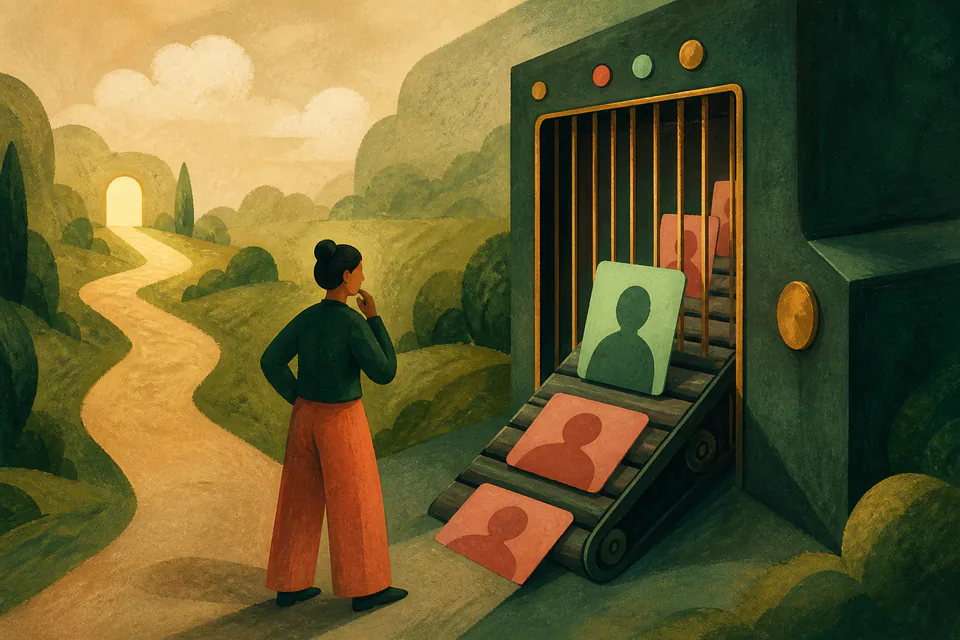
A role requires three years of experience. You have two, possess all the practical skills, and know automated screening will reject an honest application before a person sees it.
Can an unfair gatekeeping system justify misrepresentation?