When Growing Up Takes Longer: What New Brain Science Means for Parenting Today
16 min
Listen through the publisher, then discuss the episode here or arrange an in-person Roundtable. Your city determines where to meet.
Roundtables are designed for groups of four, with a shared subject and room for everyone to speak. Come for discussion, with no dating expectation.
A groundbreaking brain study from Cambridge reveals that adolescence may last far longer than we once believed, stretching all the way into the early 30s. Today on Facing the Dark, Wayne and Dr. Kathy unpack this research and explore what it means for parents raising kids in a confusing and fast-changing culture. They contrast chronological age with "character age," explain why maturity can't be rushed, and offer hope for parents who feel overwhelmed by their children's slow progress or surprising immaturity. Through Scripture, science, and practical encouragement, this episode reframes the expectations we place on our kids and helps parents parent with confidence for the long haul.
Episode information is provided by the publisher. Listening takes place on the publisher’s service.
What if raising your children could be one of the most meaningful acts of worship in your life? What if every sacrifice you make as a parent becomes an opportunity to earn the pleasure of Allah ﷻ? In this powerful Islamic reminder, Sheikh Dr. Sajid Umar delivers an important message that every Muslim parent needs to hear: parenting is not simply a responsibility or a daily routine. When approached with sincere intentions and guided by Islamic values, raising children can become an act of Ibadah and a means of seeking reward in the Hereafter. In today's busy world, many parents struggle to balance their careers, financial responsibilities, and family life. But while providing for our children is important, their emotional well-being, Islamic upbringing, and connection with Allah deserve our attention too. This thought-provoking lecture explores: • Why parenting is a sacred responsibility in Islam • How raising children with sincere intentions can become Ibadah • The importance of being
Does your relationship feel like home, or does it feel like standing on the edge of something you might lose? In Part 3 of our Relationship Anxiety series, clinical hypnotherapist and former paramedic Martin Hewlett guides you through the process of teaching your nervous system that love doesn't have to hurt to be real. We explore the physical manifestations of anxiety—the tight chest, the 2:00 AM racing mind, and the "stomach drop" when a text takes too long—and provide the tools to "turn down the alarm" of your internal survival response. If you are ready to stop "cherry-picking" evidence of disaster and start building a foundation of trust, this session is for you. In This Episode, We Cover: The Science of Safety: Understanding how your nervous system confuses love with danger. Guided Visualization: A journey into your own "safe room" where you are already enough. Rewiring the Brain: Moving from worst-case disaster reels to the reality of small, daily kindnesses. Breaking the Cycle:
Embryo Research in the Netherlands: Sean and Scott reflect on the Dutch Senate narrowly passing legislation allowing scientists to create human embryos (https://www.medicalbrief.co.za/netherlands-approves-embryo-creation-for-research/) specifically for research, such as gene-editing experiments. They critique this move as an erosion of human dignity from conception that treats unborn lives as disposable commodities. Major U.S. Tech Outages: Following widespread disruptions across airlines, banks, and Microsoft Outlook, the hosts weigh whether foreign cyberattacks, AI vulnerabilities, or fragile legacy code are to blame. They challenge listeners to resist conspiracy theories through "epistemic humility" while reflecting on how biblical truth-telling underpins the trust our economy and communities rely on. The Youth Sports Industrial Complex: From kids missing school for travel tournaments to families spending fortunes on F1 racing academies, the $40 billion youth sports industry is reac
☀️ HARNESSING THE POWER OF THE SUN — THE SCIENCE BEHIND C60 EVO! What happens when scientists recreate extraordinary, sun-like temperatures inside a laboratory to produce one of the most fascinating carbon molecules ever studied? Michael Jaco welcomes Patty Greer and Chris Burres back to Unleashing Intuition for a fascinating behind-the-scenes look at C60 Evo, the technology used to produce ESS60, and the science behind this unique carbon molecule. Chris takes us inside the laboratory to explain the intense temperatures, specialized production methods, and purification processes involved in creating ESS60 — C60 Evo's proprietary form of Carbon 60. The conversation explores the relationship between antioxidants, mitochondria, cellular energy, and oxidative stress, along with why C60 Evo combines ESS60 with carefully selected extra virgin olive oil. Patty and Chris also share their perspectives on wellness, personal experiences, and the growing interest in carbon-based technology. Inside
FLASHBACK FRIDAYS: Life often unfolds in ways we could scarcely imagine, weaving paths that connect science and spirit, intellect and intuition. Shehnaz Soni, our guest on today’s episode, exemplifies this wondrous dance. As a NASA aerospace engineer and a quantum coach, she navigates the intersection of high-tech innovation and metaphysical insight, proving that these realms are not separate but two sides of the same coin. Her story is one of unshakable courage, relentless curiosity, and a fearless embrace of the unknown.Imagine growing up in a culture that limits your questions, a world where inquiry is stifled, and possibilities feel boxed in by tradition. Yet, from a young age, Shehnaz was an outlier, a seeker of truths that no one dared to ask. "If you're questioning it, it's because it is questionable," she tells us. It is this inherent defiance, this determination to understand life’s mysteries, that propelled her from the shores of Karachi, Pakistan, to the cutting-edge laborat
The debate over Christian nationalism raises some uncomfortable questions about faith, politics, and the role of government. Al, Zach, John Luke, and Christian examine how Christianity transformed the Roman Empire and why the early church flourished despite intense persecution. The guys also revisit the Garden of Eden, questioning whether Adam's failure to protect Eve was the first sin and what his actions reveal about responsibility and obedience. They consider what history teaches us about the dangers of unchecked power and why Christians must put their allegiance to God's kingdom above any earthly government. In this episode: Genesis 2, verses 15–17; Genesis 3, verses 1–7; Daniel 2; John 1, verses 4–5; Matthew 5, verses 27–30; Matthew 28, verses 18–20; John 11, verses 49–52; Luke 23, verses 6–12; Galatians 3, verse 28; 1 Timothy 2, verses 11–14; Romans 13, verses 1–7 Today’s conversation is about Lesson 6 of Western Heritage: From the Book of Genesis to John Locke taught by various
What if the behavior that frustrates you most about your child is actually connected to one of their greatest God-given strengths? In this special Q&A episode of the Celebrate Kids Podcast, Dr. Kathy Koch and Wayne Stender answer real questions from parents and leaders they recently met in San Antonio. They explore how to help children develop genuine belonging, why the 8 Great Smarts can change how we understand misbehavior, and how Christian families can navigate difficult relationships during the holidays with biblical conviction, unconditional love, and thoughtful hospitality. Dr. Kathy explains why knowing how God made our children changes the way we correct them, encourage them, and prepare them for healthy relationships. Wayne also shares how understanding his own children's strengths has helped him become a father whose kids know they are seen, understood, and loved. As Celebrate Kids prepares to expand its ministry in 2027, we're also exploring new ways to bring Dr. Kathy's te
Adverse childhood experiences (ACEs) show up far more often than parents realize, sometimes through big, obvious events, and sometimes through subtle shifts in a child's behavior, mood, or habits. In today's Facing the Dark, Dr. Kathy and Wayne unpack the latest research on ACEs, explore how parents can recognize early signs of struggle under their own roof, and offer practical ways to respond with wisdom, presence, and hope. They discuss how real resiliency develops—not through trauma, but through supported challenges, and how parents can guide, advocate, and walk with their kids through difficult seasons without fear. Full of clear insight, relatable examples, and Christ-centered direction, this episode helps you navigate the more challenging moments of childhood with confidence and compassion.
In this episode of the Celebrate Kids podcast, we delve into the importance of teaching children the purpose of boredom. Dr. Kathy discusses the challenges parents face when their kids experience boredom and the potential negative consequences, including the turn to substances as a coping mechanism. Dr. Kathy shares valuable insights on how fostering resilience in the face of boredom can help children navigate life's challenges. The conversation highlights recent research indicating that many teens now use vaping as a way to relax from stress, underscoring the need for healthier coping strategies. Tune in for practical advice on guiding our youth through boredom and stress, helping them build essential life skills.
Food labels should explain environmental and ethical claims in verifiable terms.
Share your view, then see how readers voted. No sign-in required. This poll is shared across stories.
Do you agree or disagree?
Common Quandary
A Common Quandary to discuss
Another conversation to explore, separate from this news story.
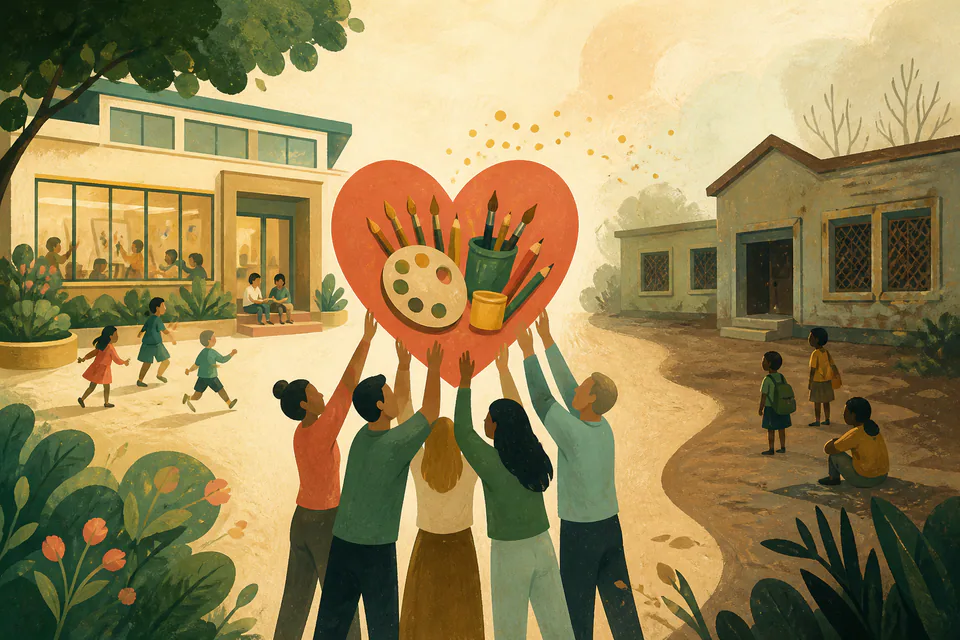
Rich parents want to buy their public-school class an art teacher. Should the school say no?
Parents at a well-resourced public school raise enough money for art teachers and smaller classes. Nearby schools cannot raise comparable amounts, widening differences within the same district.
Can helping your own community become unfair to the larger one?