Listen through the publisher, then discuss the episode here or arrange an in-person Roundtable. Your city determines where to meet.
Roundtables are designed for groups of four, with a shared subject and room for everyone to speak. Come for discussion, with no dating expectation.
Have you ever had just one piece of your absolute favorite candy left, and a friend asks for it? It's super hard to share when you don’t have much! But what if you could just snap it in half? In this episode of Philosophy is Not Boring, Mira and Finn explore an amazing 1,700-year-old story about a Roman soldier named Martin who did exactly that—but with something way more important than candy! Martin was a cavalry soldier riding through the freezing winter snow when he spotted a shivering beggar. Since he had already given away all his extra money, all Martin had left to stay warm was his own heavy wool cloak. What did he do? He drew his huge metal sword and sliced his beautiful cloak right down the middle to share! That night, he had an incredible dream that changed his life forever. Join us as we learn how this one act of giving half became famous around the world! Discover why kids in the Netherlands, Germany, and Austria walk through the dark, cold streets every November 11th with glowing paper lanterns singing songs. Learn how you don’t have to be a superhero to make a massive difference!
Episode information is provided by the publisher. Listening takes place on the publisher’s service.
Did you know your mouth is a nonstop biological water park?! Every single day, your body makes enough saliva to fill up to four whole water bottles! But spit isn't just warm water—it's a magical biological potion packed with incredible superpowers. Join Mira and Finn as they explore the wild world of saliva! Discover how a microscopic machine called amylase starts digesting your favorite foods the exact millisecond you take a bite. Find out how spit turns sharp, crunchy chips into soft, squishy balls to protect your throat! Plus, did you know saliva actually builds invisible armor for your teeth by filling in holes with special minerals like calcium and phosphate? It even works as a magical liquid key to unlock flavors—without saliva, chocolate and pizza would taste like absolute cardboard! From amazing spit factories hiding inside your cheeks to real-life birds that build entire nests out of spit, get ready for a mind-blowing biological adventure! Tune in to find out why your mouth is
Have you ever told someone, "Thanks a million!" or claimed you have "a million toys to clean up"? We use the word "million" all the time to mean "a whole lot," but have you ever stopped to wonder just how big a real million actually is? Join Mira and Finn on a mind-blowing math adventure as they discover the quiet power of giant numbers! Imagine counting one number every single second without ever stopping to eat or sleep. It wouldn't take a few hours or a long weekend—it would take you about eleven and a half days just to reach one million! And what about its giant neighbor, the billion? Counting to a billion the exact same way would take a whopping thirty-two years. That's a grown-up's whole life so far! In this amazing episode, we won't just look at numbers on a page; we’ll learn to feel their true size. Find out how much space a million grains of rice would take up, and discover exactly how far a million footsteps would carry you. Get ready to stretch your brain and learn why being
Have you ever seen pictures of giant stone heads sitting in the grass and wondered how they got there? Get ready for a mind-blowing adventure to one of the most remote places on Earth: Rapa Nui, also known as Easter Island! About 800 years ago, expert Polynesian sailors found this tiny island in the middle of the Pacific Ocean using only the stars and ocean currents to guide them. Once there, they carved nearly a thousand massive stone statues called moai! But here is the biggest surprise: these statues aren't just heads—they have full bodies buried underground! Some weigh as much as 40 cars, and the islanders moved them without wheels, cranes, or metal tools. How did they do it? The local legends say the statues literally walked to their places, waddling side to side with the help of ropes and incredibly smart human engineering! Join Mira and Finn as they uncover the secrets of the moai, find out how the island got its English name from a Dutch captain, and learn all about the giganti
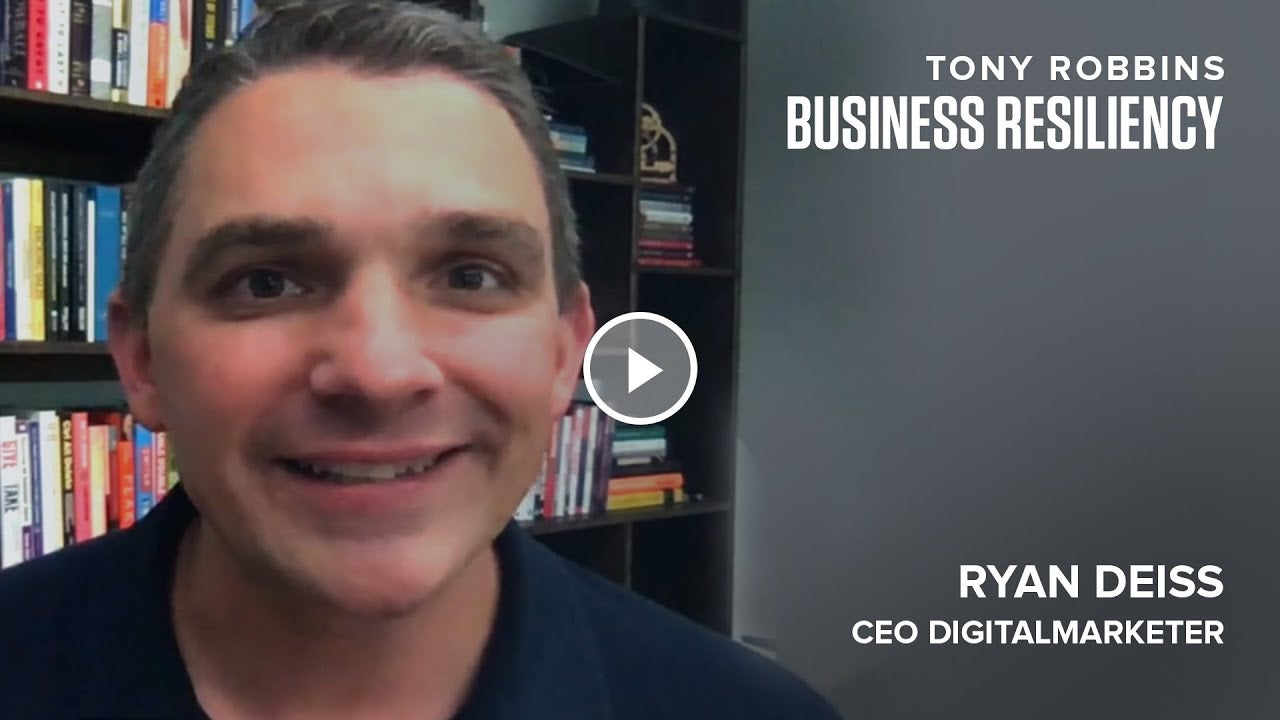
What will you do when the going gets tough? How will you react to economic winter, changes in the market and other events beyond your control? Will you shrink back in fear and adopt an attitude of scarcity – or will you power forward and learn how to take advantage of the moment? Uploaded 28-04-20 In this video, Ryan Deiss, CEO of Digital Marketer, best-selling author and expert investor, shares what you can do to not only continue to grow your business, but to grow as a human being as well. There are ways to make the most of hard times as a business leader, marketer, parent and friend. It’s all about turning your obstacles into opportunities. How can you do that? You must shift your focus. Instead of focusing on the negative, find the possibilities. You can head to https://www.tonyrobbins.com/career-business/where-focus-goes-energy-flows to learn how to get focused in this new environment. Tough economic times put most people in a mindset of scarcity and fear. They pull back. Business
#JimRohnMotivation #JimRohn #JimRohnSpeech In this Jim Rohn Motivation video, we explore how the weekend, often seen as a time to relax, can be leveraged to outwork the competition and make meaningful strides toward your goals. Jim Rohn emphasizes the importance of consistent effort, discipline, and using weekends as a powerful tool for personal development.Key Topics From This Motivational Video: - The weekend as a hidden opportunity for success - How discipline sets you apart - Maintaining momentum over the weekend - Leveraging small efforts for massive results - The importance of outworking the competition Jim Rohn explains that the weekend is not just for rest but an opportunity to move ahead while others coast. He contrasts two types of people—those who switch off after Friday and those who keep pushing forward over the weekend. Rohn urges us to take advantage of this extra time for reading, learning, and working on side projects. Just a few hours of effort over the weekend can ad
What if success isn't something you chase, but something you attract through the person you become? Real success begins with personal growth, self discipline, and the value you bring to the world. Instead of constantly searching for shortcuts or waiting for opportunities, focus on developing the skills, mindset, and character that make meaningful achievements possible. This powerful motivational speech explores timeless principles of success, wealth creation, personal development, and the importance of becoming more valuable to others. Discover why your personal growth influences your results, how daily discipline shapes your future, and why helping others achieve their goals can become one of the most powerful foundations for your own success. In this motivational journey, you'll explore: • The Attraction Principle: Why success is connected to the person you become rather than simply what you pursue. • The Marketplace Rule: How developing valuable skills and contributing to others can
Have you ever noticed how quiet grown-ups are on a crowded bus or train? It's like everyone has an invisible forcefield around them! People just stare at their shoes, read a book, or scroll on their phones in total silence. But why do we ignore each other? In 2014, scientists Nicholas Epley and Juliana Schroeder at the University of Chicago decided to find out! They set up an amazing experiment on a morning commuter train. They asked one group of tired people to sit in quiet solitude, and another group to actually strike up a conversation with a total stranger! The results were shocking. Even though people predicted that talking to a stranger would be super awkward and annoying, the group who said "hello" ended up having a much happier trip! It turns out, humans are naturally built to connect. Ancient Greek philosophers like Aristotle called us "social animals," and the Stoics believed we are all part of one big human family. Join Mira and Finn as they explore why a simple, safe "hello
Have you ever been told to do something just "because I said so"? It can feel super unfair! But did you know that just by being a kid, you have actual, real-life rights? In this thought-provoking episode of Philosophy is Not Boring, Mira and Finn dive into the incredible true story of Janusz Korczak! He was a brilliant doctor in Poland who strongly believed children are "people of today," not just adults-in-training. Imagine living in a place where kids actually get to make the rules! Dr. Korczak ran a famous orphanage where children had their very own court of law, and they could even put grown-ups (including Dr. Korczak himself!) on trial for being unfair! He completely changed how the world treats kids. His groundbreaking ideas even inspired the United Nations to create the Convention on the Rights of the Child—a giant global rulebook that says every kid has the right to be safe, to be heard, and even the right to play! Tune in to discover mind-bending facts about this hero of child
Did you know that over half the people on planet Earth share the exact same great-great-great-great grandfather in their faith? It is true! Join Mira and Finn as they explore the amazing ancient story of Abraham! Thousands of years ago in the ancient city of Ur, Abraham made a massive, brave decision. He packed up his entire family and walked right into the unknown desert! Why? Because he believed in one God who promised him his family would become as huge and uncountable as the stars in the night sky! Today, nearly four billion people trace their family tree of beliefs back to him! Discover why Jewish people call him their very first ancestor, why Christians see him as the ultimate hero of faith, and why Muslims honor him as the mighty prophet Ibrahim who helped build the Kaaba in Mecca! Three huge world religions, billions of people, and one incredible family story! Tune in to find out how people all over the world are so much more connected than we ever imagined. Get ready for a min
Public arts funding should prioritize access over attracting the largest audiences.
Share your view, then see how readers voted. No sign-in required. This poll is shared across stories.
Do you agree or disagree?
Common Quandary
A Common Quandary to discuss
Another conversation to explore, separate from this news story.
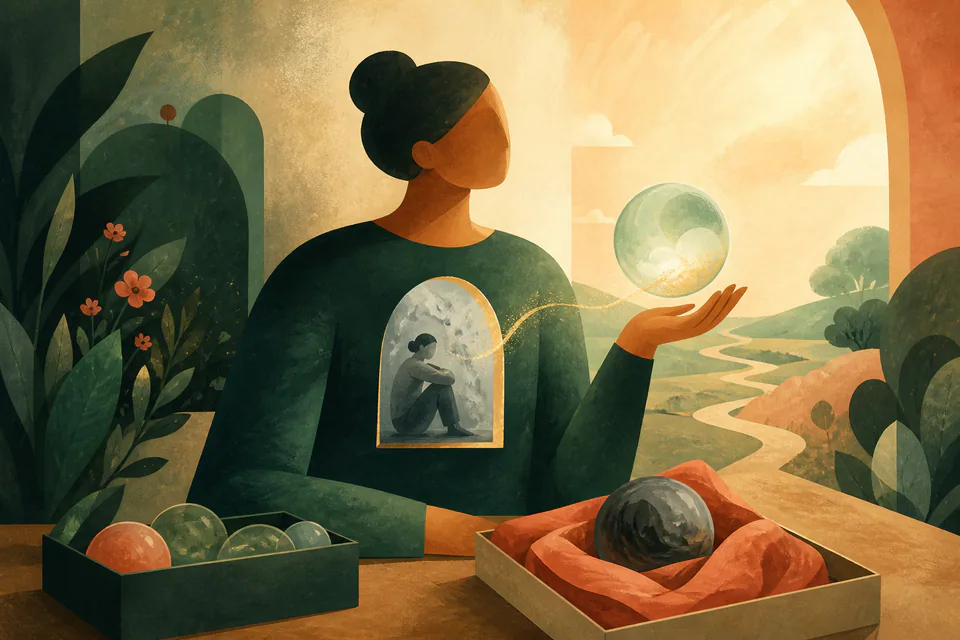
A pill can erase your most painful memory without changing anything else. Do you take it?
A safe new treatment can remove the emotional pain attached to one chosen memory while leaving the factual memory intact. Losing the pain might bring enormous relief, but the experience shaped your relationships, choices, and sense of who you are.
Are painful memories injuries to heal or parts of ourselves to keep?