Why Social Media Is Making Us Lonelier, Emptier, and More Anxious with Bryce Fuemmeler
Listen through the publisher, then discuss the episode here or arrange an in-person Roundtable. Your city determines where to meet.
Roundtables are designed for groups of four, with a shared subject and room for everyone to speak. Come for discussion, with no dating expectation.
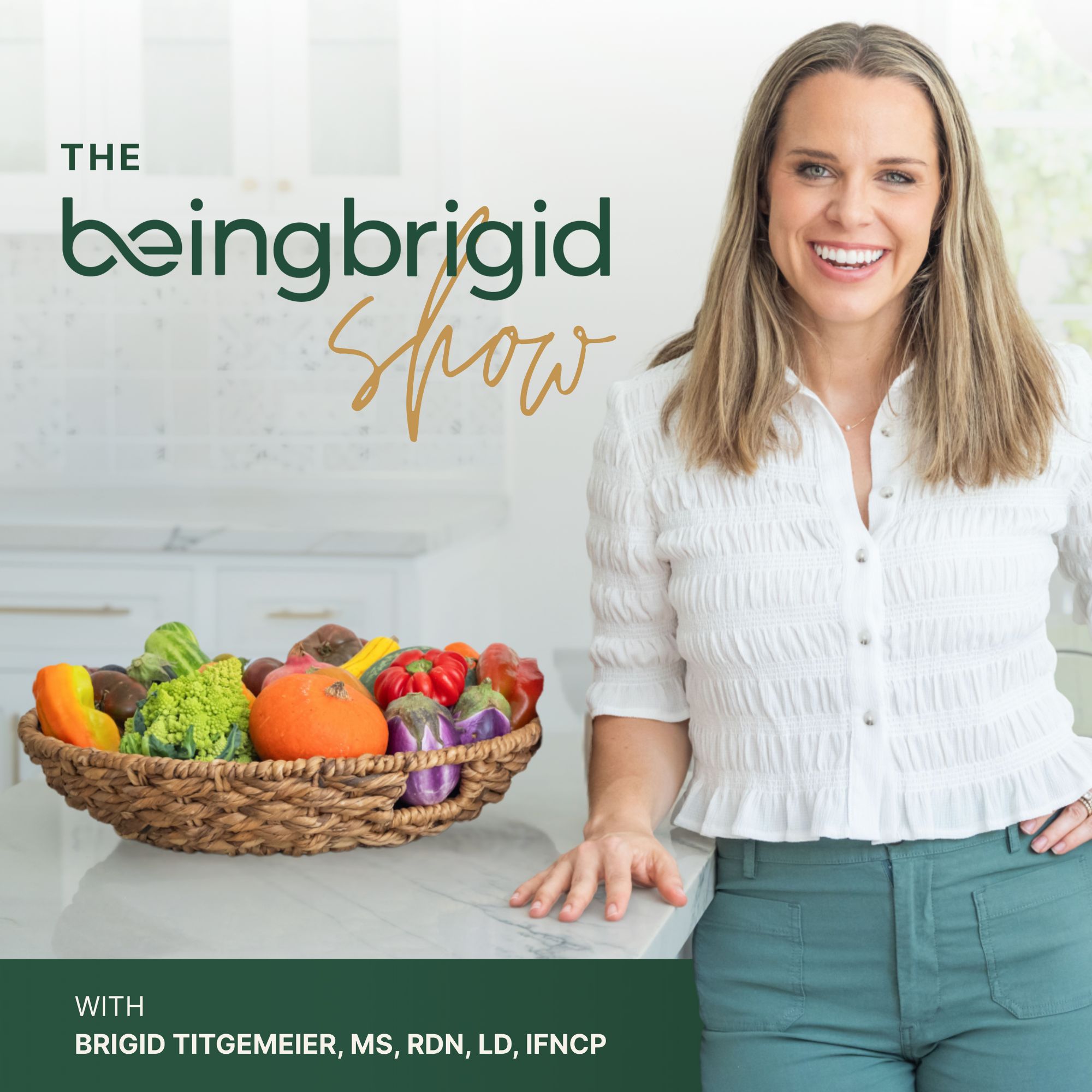
What if the things you're chasing to create a happier, healthier life are actually getting in the way of it? We're living in an increasingly connected world, yet loneliness, anxiety, and unhappiness are on the rise. So what actually makes us happy, and how can we build a life that feels meaningful and fulfilling? In this episode of The BeingBrigid Show, Brigid sits down with Bryce Fuemmeler, Senior Researcher on Human Flourishing at Vanderbilt University and former Senior Research Associate at Harvard's Leadership and Happiness Laboratory, to explore the science of happiness, human connection, and longevity. Together, they unpack how technology and social media are influencing our brains, why young people are experiencing increasing levels of unhappiness, and what research reveals about the habits that lead to a longer, happier, and healthier life. They also explore why relationships, purpose, and meaning matter more than money, fame, or constant health optimization—and why becoming too obsessive about your health can actually take away from your quality of life. If you're looking to improve your health while creating a life that feels just as good on the inside as it looks on paper, this conversation offers a powerful reminder of what matters most. What You’ll Learn In This Episode: Why we're experiencing an unhappiness epidemic, with rising rates of anxiety, depression, and loneliness. How smartphones, social media, and constant stimulation affect dopamine, attention, and mental health. Why social media can feel like the junk food of human connection. Practical ways parents can establish healthier technology boundaries for their children. Why happiness isn't simply a feeling and the three components that contribute to lasting happiness: enjoyment, satisfaction, and meaning. The difference between purpose, significance, and meaning—and how to identify what makes your life meaningful. Why relationships and intrinsic rewards contribute more to lasting happiness than money, fame, power, or pleasure. The seven habits associated with living a longer, happier, and healthier life. Why meaningful relationships are one of the strongest predictors of long-term health and happiness. How health optimization, wearable technology, and biohacking can become counterproductive when they come at the expense of enjoying life. Timestamps: 00:00 Meet Brigid and guest Bryce Fuemmeler 02:01 Four signs of the unhappiness epidemic 05:49 Why younger generations are reporting more unhappiness 07:31 Why social media’s rise tracks with declining wellbeing 11:40 Social media as junk food for connection 15:10 Faster screens, shorter scenes, and attention 18:11 Dopamine, motivation, and the attention cost of scrolling 20:22 Developing brains and the possibility of breaking device habits 24:12 How screen time can make real-life situations feel more anxious 27:24 What technology can simplify - and what it cannot replace 31:22 Smartphone, TV, and iPad guidance for families 35:12 Modeling healthier phone habits for children 37:26 Phone foyer, grayscale, and setting a social media limit 40:00 Pair scrolling with a healthier replacement behavior 41:20 Why keep phones out of the first and last hour 45:04 Happiness is not simply a feeling 49:24 Enjoyment, satisfaction, and meaning 50:27 How technology may leave meaning undernourished 53:20 Meaning’s three parts: coherence, purpose, significance 57:05 Parenthood and a broader sense of significance 01:02:03 Extrinsic rewards versus intrinsic goals 01:08:07 What money can and cannot do for happiness 01:12:11 Seven habits tied to health and happiness 01:16:20 Why close relationships are the strongest predictor 01:18:07 Wearables, biohacking, and the danger of over-optimization 01:22:24 Where to find Fuemmeler’s work and closing reflections Resources & Links: + Watch the full episode on YouTube (https://youtu.be/5Kq-_uB5zJA) + Bryce’s Bio (https://www.arthurbrooks.com/bryce-fuemmeler) + Bryce’s LinkedIn (https://www.linkedin.com/in/bryce-fuemmeler-01194312a/) + Brigid’s Website (https://beingbrigid.com/) + Brigid’s Instagram (https://www.instagram.com/beingbrigid/) If you enjoyed this conversation, be sure to follow or subscribe to The BeingBrigid Show and leave a rating and review. Your support helps us reach more women with science-backed strategies for improving their health, energy, and quality of life. Here's to building a healthier life while remembering to actually enjoy it!
Episode information is provided by the publisher. Listening takes place on the publisher’s service.
Listen at the source ↗