Why This Bear Market Is Different | Michael Sullivan
66 min
Listen through the publisher, then discuss the episode here or arrange an in-person Roundtable. Your city determines where to meet.
Roundtables are designed for groups of four, with a shared subject and room for everyone to speak. Come for discussion, with no dating expectation.
“I just can’t overstate how much fear and anger cloud your judgment.” — Michael Sullivan Michael Sullivan is a writer and Bitcoin sentiment analyst behind Bitcoin Sentiment Weekly. He tracks how Bitcoiners talk online to understand what fear, excitement, conviction and boredom reveal about the market. In this interview, we discuss why buying Bitcoin when it feels easy can lead to worse results, how our emotions shape the narratives we believe, and whether Bitcoiners are losing faith. We also get into AI pulling attention away from Bitcoin, the divide between Bitcoiners and treasury company investors, and how social media can be used to manipulate sentiment. BitGo - Secure your Bitcoin with institutional grade security. AnchorWatch - Insured Bitcoin custody, security & inheritance. Book a consultation: https://www.anchorwatch.com/wbd Abundant Mines - Bitcoin mining made simple. https://abundantmines.com (https://abundantmines.com/) FOLLOW: Danny Knowles: https://x.com/\_DannyKnowles (https://x.com/%5C_DannyKnowles) Michael Sullivan: https://x.com/SullyMichaelvan
Episode information is provided by the publisher. Listening takes place on the publisher’s service.
Crypto News: Bitcoin, altcoins, and the crypto market crash along with stocks, gold, and silver. Will we see a recovery soon? ️ Learn Crypto with Expert Commentary - http://MyCryptoCourse.com (http://mycryptocourse.com/) iTrustCapital Representative: [email protected] ⭐️ Trade crypto perps with a free $25 bonus on Kalshi. ♂️Merlin - http://tinyurl.com/MerlinTCYouTube “I am a Merlin partner and get compensated for purchases made through links in this content"this content"Follow on social media: ️ X(Twitter) - https://x.com/thinkingcrypto ️ Facebook - https://www.facebook.com/thinkingcrypto/ ️ LinkedIn - http://linkedin.com/company/thinking-crypto ️ Instagram - https://www.instagram.com/thinkingcrypto/ ️ TikTok - https://www.tiktok.com/@thinkingcrypto5 ️ Threads - https://www.threads.net/@thinkingcrypto ️ Website - https://www.ThinkingCrypto.com/ (https://www.thinkingcrypto.com/) Business Inquiries [email protected]⏰ Time Stamps ⏰ 00:00 (https://rumble.com/v7inwo8-da
November 20, 2026; Jim Cramer explains how to read market sell-offs, separating mechanical crashes and flash crashes from systemic-risk bear markets. He uses 1987, 2007-2009, 2010, 2015, COVID, Fed-driven pullbacks and viewer questions to show when to buy, when to wait and when not to panic. Hosted by Simplecast, an AdsWizz company.
Someone experienced gives you a confident recommendation. The relief is immediate. Can you explain why the advice fits your life, or only who told you to follow it? In this episode of The Level Up Podcast, Paul Alex breaks down how to learn from a mentor while staying responsible for understanding your own decision. Relevant experience can reveal mistakes you have not learned to recognize. Paul emphasizes that respect for someone’s success still leaves you with a responsibility to connect the guidance to your circumstances. Ask what the recommendation depends on and what could make it less useful. Those questions can deepen understanding without becoming an argument. Before committing your time or resources, explain the choice in your own words so you know what you are applying and can recognize when conditions change. In this episode, you’ll learn: • Why a mentor’s experience does not remove your responsibility to understand. • Which questions help connect guidance to your actual circ
Commodities, precious metals, and broader equity markets are caught in a sharp sell-off fueled by a surging U.S. dollar, aggressive Federal Reserve rhetoric, and year-end tax-loss selling. In this Weekend Edition of The KE Report, hosts Cory and Shad speak with Mike Larson (Editor-in-Chief at MoneyShow) and Brien Lundin (Editor of The Gold Newsletter) to separate short-term market panic from long-term fundamentals. Both guests share how they are navigating extreme sentiment swings, fading crowded trades, and identifying overlooked bargains across the resource sector. Segment 1 & 2 - Mike Larson, MoneyShow Editor-in-Chief, kicks off the show to unpack the sharp pullbacks across precious metals, copper, critical minerals, energy, and AI-driven tech stocks, exploring how a surging U.S. dollar and shifting Federal Reserve expectations are driving recent market volatility. Tune in as we discuss whether the recent downturn signals lasting chart damage or a contrarian opportunity to lean agai
Conscious parenting doesn't begin with our children, it begins with us. In this heartfelt conversation, Sage Robbins and Mary B. sit down with Tony Robbins to explore what conscious parenting truly looks like: parenting ourselves first, claiming responsibility (not blame), and bringing our most present, connected selves to the table. Uploaded 16-09-26 At its heart, conscious parenting is a shift from a fear-based model to an awareness-based one. Instead of "be careful," we learn to say "be mindful." Instead of reacting, we pause and notice. Because children don't do what we say, they do what we are. Our state becomes their first imprint, and in so many ways, our children become our greatest mirrors and teachers. Watch more videos like this The #1 Secret to Helping ANY Child Self Regulate Their Emotions: https://youtu.be/PwrCX73x9LI Why Your 'Busy' Mind Is Actually Lying to You: https://youtu.be/yq8DFwlEpyg The One Question That Changed My Marriage: “How Am I Being?”: https://youtu.be/3
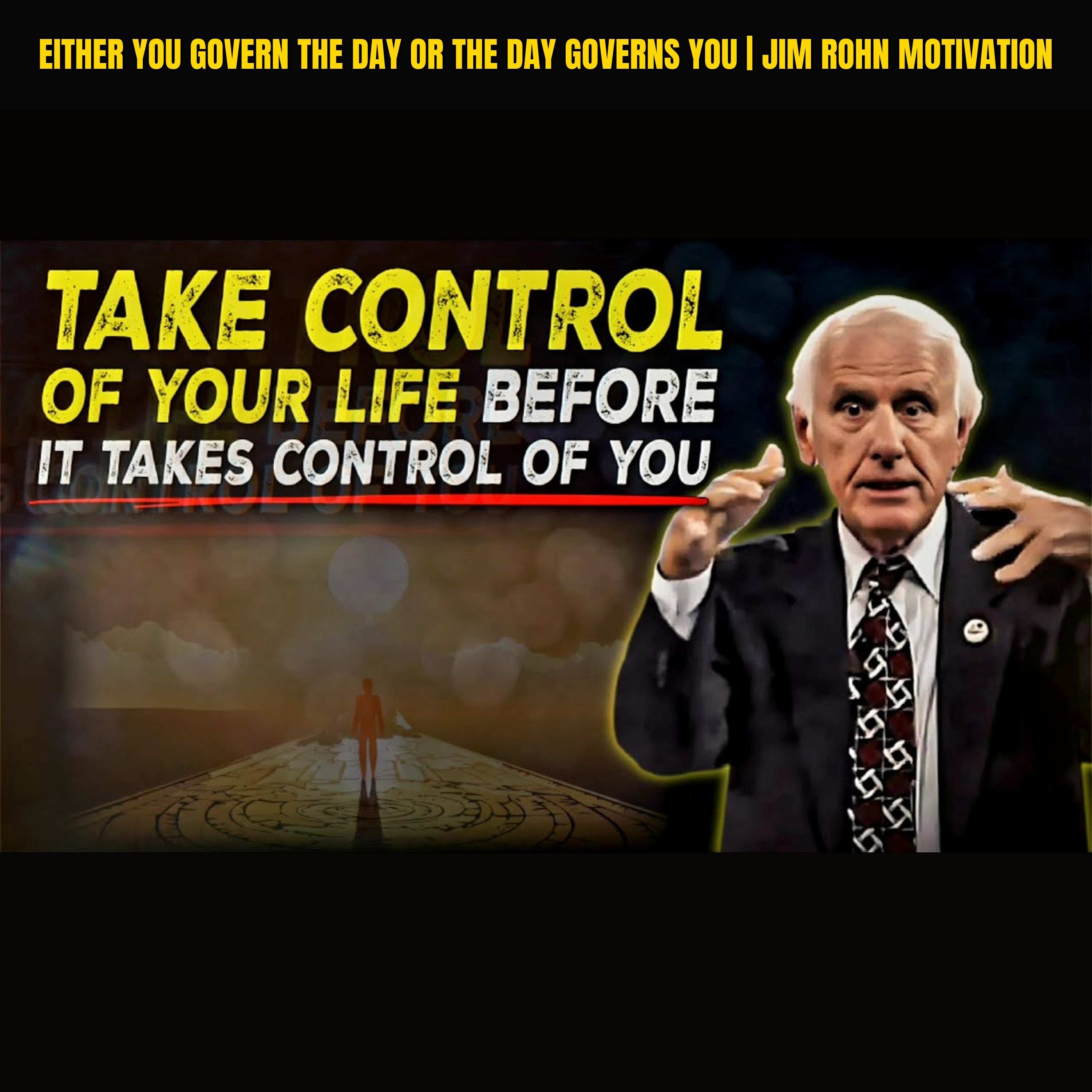
#JimRohnMotivation #JimRohn #JimRohnSpeech In this Jim Rohn Motivation video, Jim Rohn reminds us that *either you run the day, or the day runs you*. Every morning is a leadership decision—your focus, energy, and choices determine everything that follows. It’s not about perfection. It’s about rhythm. Ownership. And showing up with intention. Key Topics From This Motivational Video: How to reclaim your mornings and take control of your day Why discipline and structure create lasting freedom The secret power of emotional leadership and self-regulation Why clarity is the foundation of sustainable action How aligned habits shape your identity and future This powerful Jim Rohn motivational message isn’t about hype—it’s about mastery. Mastery over your time. Mastery over your mind. Mastery over your mood. Jim shows us that leadership begins in the mirror. That life doesn’t wait for perfect conditions—it responds to clear intention and consistent action. If you want a different future, it sta
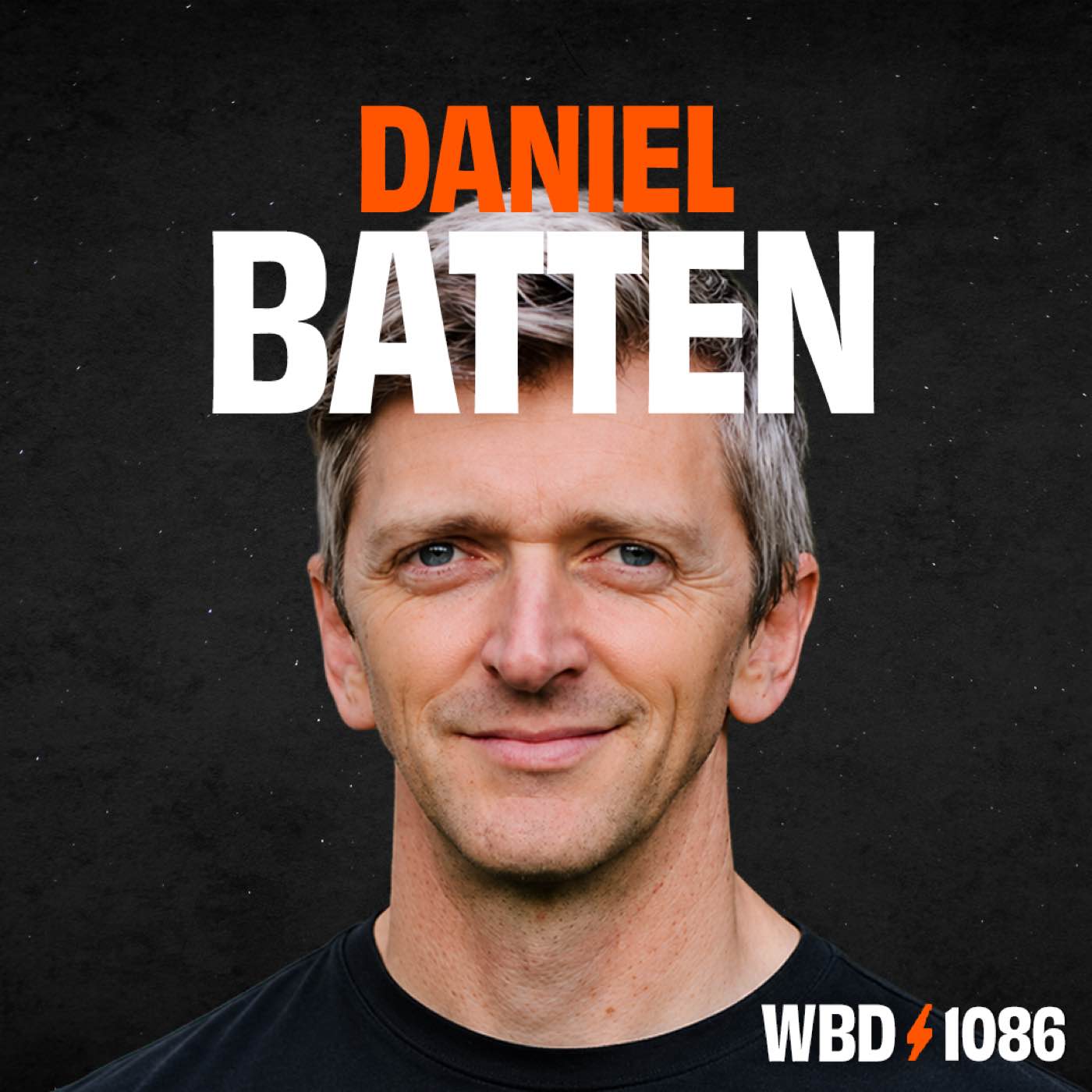
“We looked at all the other solutions and Bitcoin mining was the only one that made sense.” Daniel Batten joins me to explain how Bitcoin mining can make cleaning up pollution profitable. With his first landfill project in Mexico moving forward, we get into how capturing methane can turn an environmental problem into cheap power, Bitcoin and a new source of income. We discuss the economics of one cent electricity, the upfront costs of getting these sites running, and why carbon credits are essential to making the model work. We also explore why these projects suit Bitcoin mining better than AI data centres, how they could decentralise the network, and what it would take to make Bitcoin carbon negative. We finish with Greenpeace’s campaign against Bitcoin, Troy Cross’s conversations with the artist behind the Skull of Satoshi, and how Bitcoiners challenged the environmental narrative. BitGo - Secure your Bitcoin with institutional grade security. AnchorWatch - Insured Bitcoin custody, s
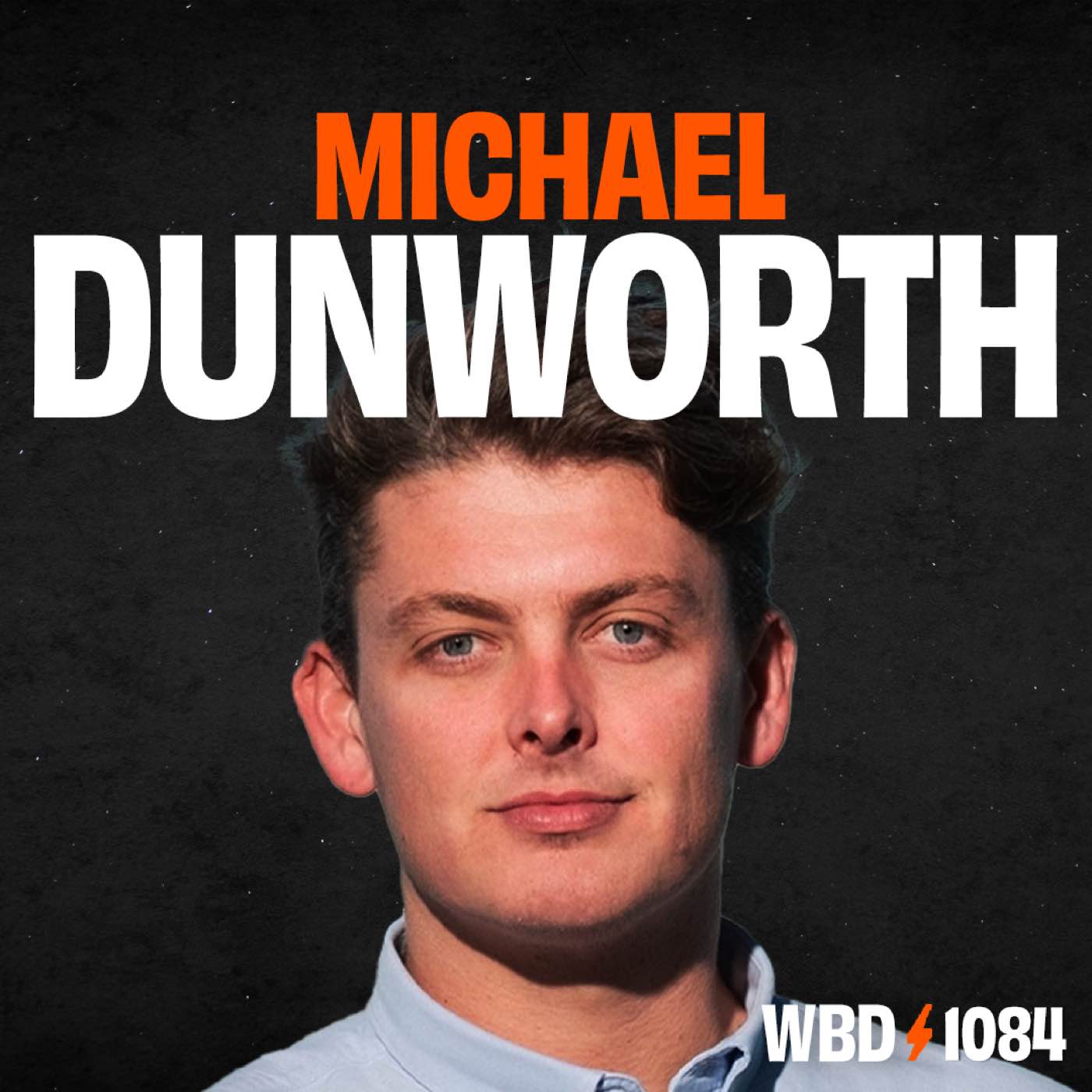
“We’re playing for the machines. We just don’t know it yet.” Michael Dunworth joins the show to explain why he’s willing to bet a Bitcoin that RSA encryption will be broken within ten years, and why he believes Bitcoiners need to rethink their security assumptions. We discuss AI-assisted hacking, the risks of third-party services, and why a customer data leak can turn into a physical security threat. Michael explains why he thinks Bitcoin’s social layer is weakening, while we debate development priorities and the trade-offs involved in changing the protocol. We also discuss AI’s appetite for data and energy, what happens to privacy if encrypted information becomes accessible, and Michael’s theories about reconstructing past events. Finally, we explore what money and community could look like in that future, and whether Bitcoin could become a ledger of truth for machines. BitGo - Secure your Bitcoin with institutional grade security. AnchorWatch - Insured Bitcoin custody, security & inh
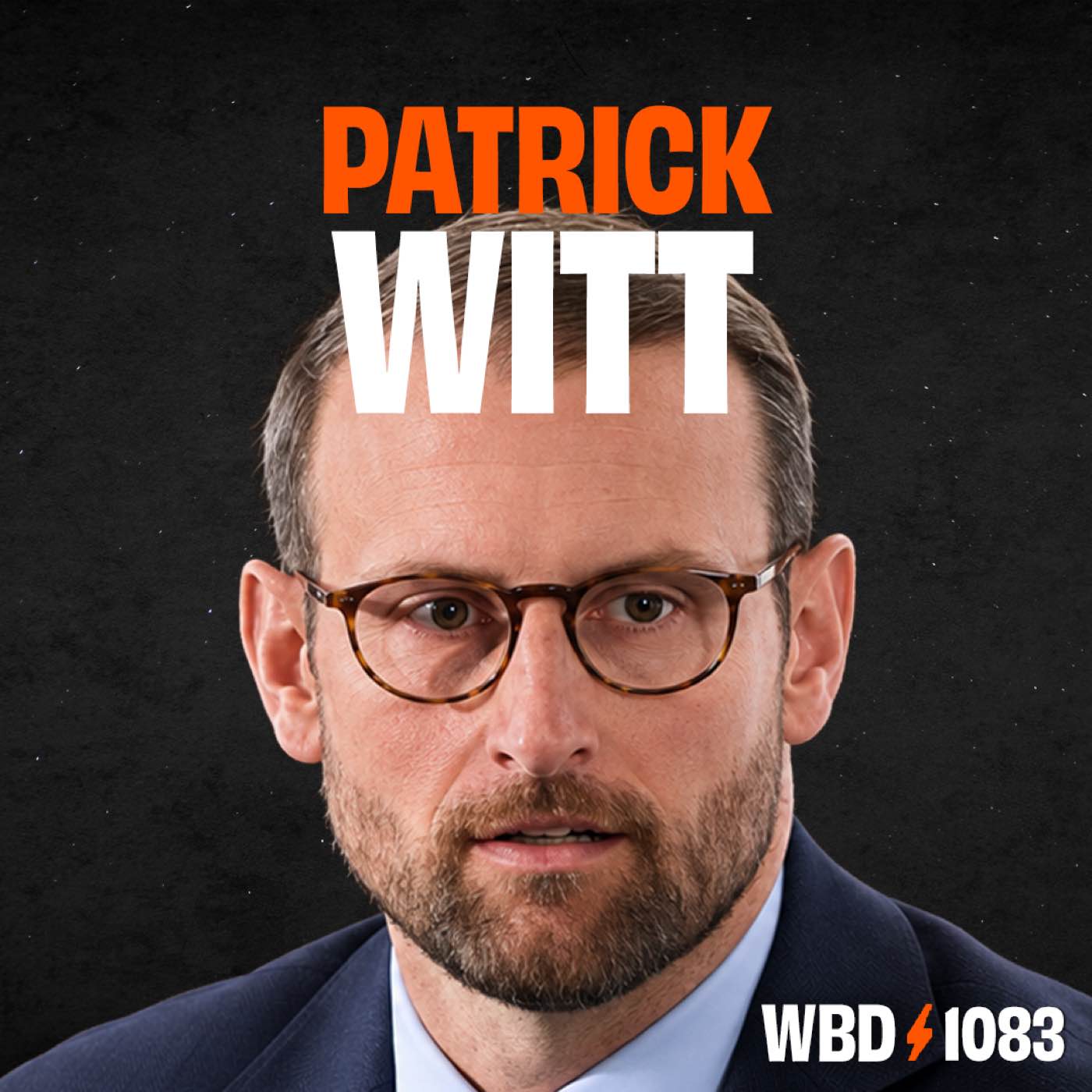
“I think we set in motion a number of things that will come to fruition over the years.” Trump put Bitcoin on the White House agenda. But will the US government actually buy it? Patrick Witt, former executive director of the White House Crypto Council, joins me to explain what happened behind the scenes of Trump’s Bitcoin push and what still stands in the way of delivering on those promises. We discuss the unfinished audit of government Bitcoin, disagreements over the authority granted by the executive order, and custody practices that included cold wallets kept in drawers. Witt explains the potential routes to acquiring more Bitcoin, the obstacles to congressional approval, and what Treasury might still be able to do under existing powers. We also discuss his departure, why he doesn’t expect the White House’s central coordinating role to continue, and whether the administration’s Bitcoin policies could survive a future Democratic president. Finally, we cover the Samourai developers, t
Communities should test major changes on a small scale before making them permanent.
Share your view, then see how readers voted. No sign-in required. This poll is shared across stories.
Do you agree or disagree?
Common Quandary
A Common Quandary to discuss
Another conversation to explore, separate from this news story.
A stranger rings up fancy apples as the cheap kind. Do you mind your own business?
At self-checkout, the shopper beside you labels expensive organic apples as the cheapest variety. An employee is distracted nearby. The difference is only a few dollars, the store is a huge chain, and the shopper notices that you noticed.
When does witnessing a small cheat make it any of your business?