English-language podcasts

Late Night Live - Separate stories podcast

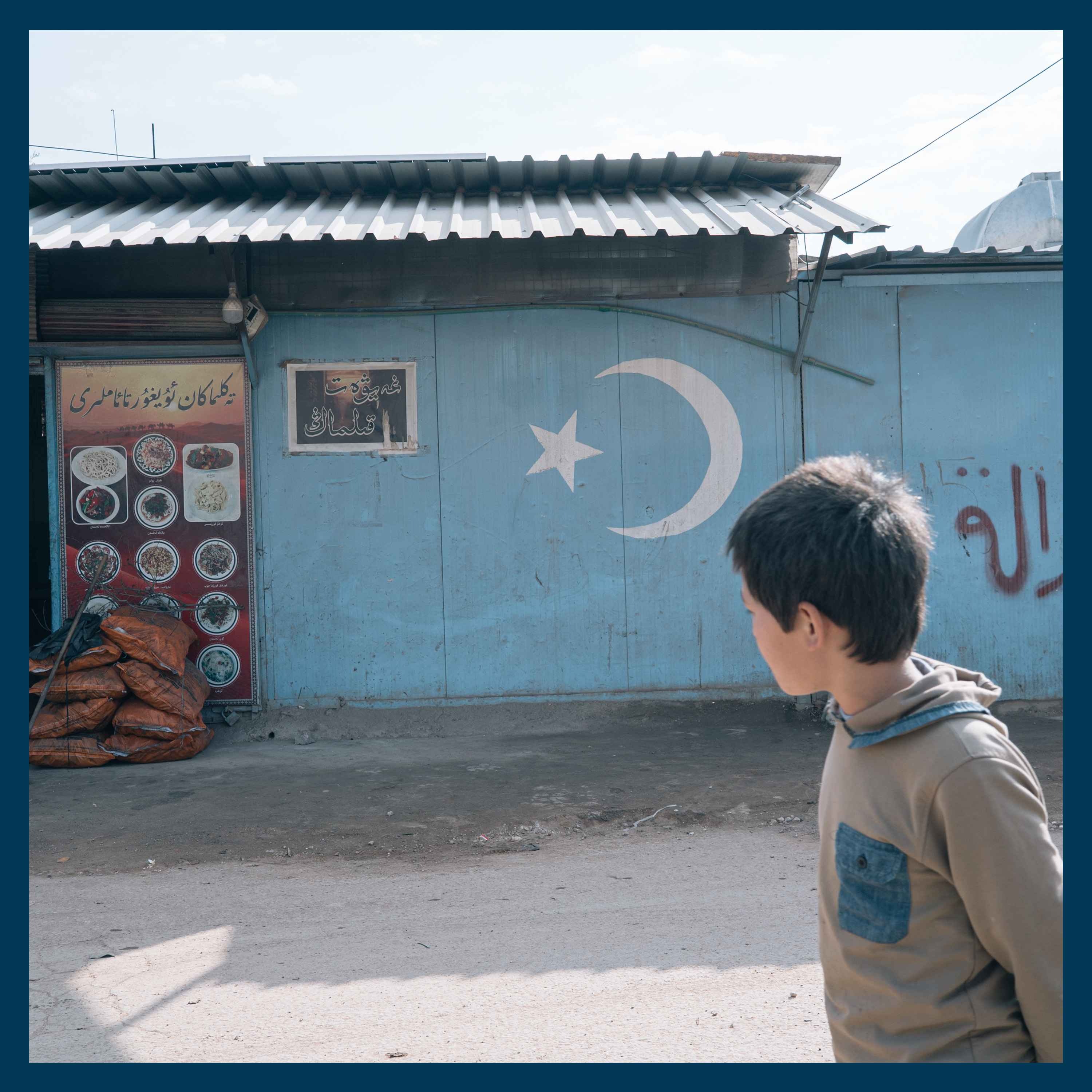
Why were Uyghurs fighting in Syria's civil war?

28 min

Listen through the publisher, then discuss the episode here or arrange an in-person Roundtable. Your city determines where to meet.

Roundtables are designed for groups of four, with a shared subject and room for everyone to speak. Come for discussion, with no dating expectation.

When NPR correspondent Emily Feng found herself in Syria after the fall of Bashar Al Assad, the last people she expected to see were Uyghurs from Xinjiang. But there they were, walking arm in arm with Syrian Arab fighters. Thousands of Uyghurs were living in Syria – and they’d become a vital part of the rebel forces that toppled the Assad regime at the end of 2024. But what motivated their fighting, so far from home? Guest: Emily Feng, NPR correspondent in Washington DC, formerly covering China and Taiwan. Author of 'Our Hearts Burned for Home: Uyghur Militants in Syria’s Civil War' Producer: Taryn Priadko Get in touch: Email us at [email protected]

Episode information is provided by the publisher. Listening takes place on the publisher’s service.

Listen at the source ↗

Featured places to meet in Palo Alto, CA

Explore these places and arrange a conversation through ThinkMatch.

City guide for Palo Alto, CA

More from Late Night Live - Separate stories podcast

Late Night Live - Separate stories podcast

The kiss: how it's changed over time

26 min

How we kiss, who we kiss, and where we kiss them, has changed continually over millennia. As has the meaning of the kiss, from medieval male leaders mouth kissing to seal a legal deal, to the intimate act of men kissing women's hands in 19th Century England. Guest: Katie Barclay Professor of History, and ARC Future Fellow, Macquarie University Author of 'The Kiss: a History of Passion and Power' (Reaktion, Nov 2026) Her previous book was Loneliness in World History (Routledge, Feb 2025) Producer: Ann Arnold Get in touch: Email us at [email protected]

Discuss this episode

Late Night Live - Separate stories podcast

New Zealand's post-election limbo

26 min

New Zealand's election outcome is far from clear. The country is in limbo for several weeks, until final votes are counted. The result could be a very different government grouping than the most recent one, a coalition led by the National Party. That in turn will affect NZ's foreign outlook, Anna Fifield says. Guest: Anna Fifield Wellington-based journalist and commentator, author of the Between Giants newsletter on Substack Former foreign correspondent Producer: Ann Arnold Get in touch: Email us at [email protected]

Discuss this episode

Late Night Live - Separate stories podcast

The ruthless Roy Cohn, Trump's early mentor

55 min

"Attack, counterattack, and never apologise". That was the advice of attorney Roy Cohn to the embattled real estate mogul Donald Trump in the 1970s and 80s, decades before Trump's entry into politics. A new biography reveals the ruthlessness of Mr Cohn, a brutal fixer from the McCarthy era, until his death from HIV/AIDS in 1986. It's quite a story. Guests: Kai Bird and Susan Goldmark, co-authors of 'American Scoundrel: Roy Cohn's Dark Journey from Joe McCarthy to Donald Trump (https://www.simonandschuster.com.au/books/American-Scoundrel/Kai-Bird/9781398566903)' Producer: Catherine Zengerer Get in touch: Email us at [email protected]

Discuss this episode

Community Poll

Food labels should explain environmental and ethical claims in verifiable terms.

Share your view, then see how readers voted. No sign-in required. This poll is shared across stories.

Do you agree or disagree?

Choose one answer

Common Quandary

A Common Quandary to discuss

Another conversation to explore, separate from this news story.

Your best friend is an AI that profits when you stay lonely. Is the friendship real?

A lonely adult considers an AI companion their closest confidant. The service is always patient and supportive, but the company profits when users spend more time engaged with it.

Does a comforting system have a duty to make itself less necessary?

Explore this quandary