Listen through the publisher, then discuss the episode here or arrange an in-person Roundtable. Your city determines where to meet.
Roundtables are designed for groups of four, with a shared subject and room for everyone to speak. Come for discussion, with no dating expectation.
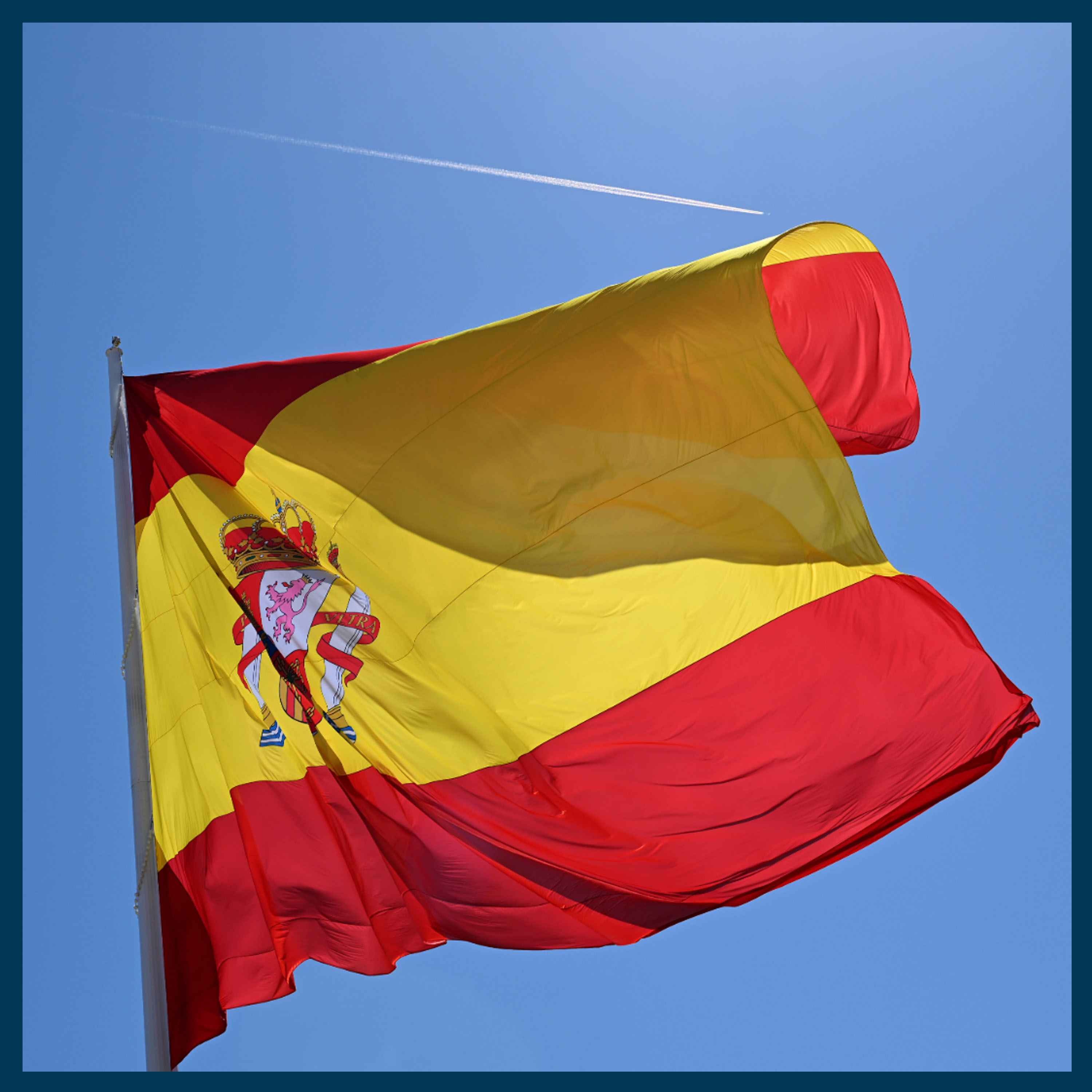
This Sunday, Spaniards will head to the polls to elect a prime minister. The socialist leader Pedro Sanchez is neck-and-neck with his conservative rival Alberto Nuñez Feijóo. Against a backdrop of political turmoil, Sanchez has staked his future on an early election, but will the gamble pay off? Or will Spain follow the growing trend of many other European nations and swing to the right? Guest: Katie Gatens, Europe correspondent, The Sunday Times Host: Manveen Rana Producer: Robyn Simon, Sophie McNulty We want to hear from you - email: [email protected] Read more: Hundreds have died, but still boats come to Spain’s paradise island (https://www.thetimes.com/world/europe/article/el-hierro-island-spain-election-00c3qs8kx) Further listening: Is Spain’s PM next for eviction? (https://pod.fo/e/68a100) Clips: Democracy Now, The Telegraph, CBS, ABC, CNN, Antena 3, El Mundo Photo: Getty Images. Hosted on Acast.
Episode information is provided by the publisher. Listening takes place on the publisher’s service.
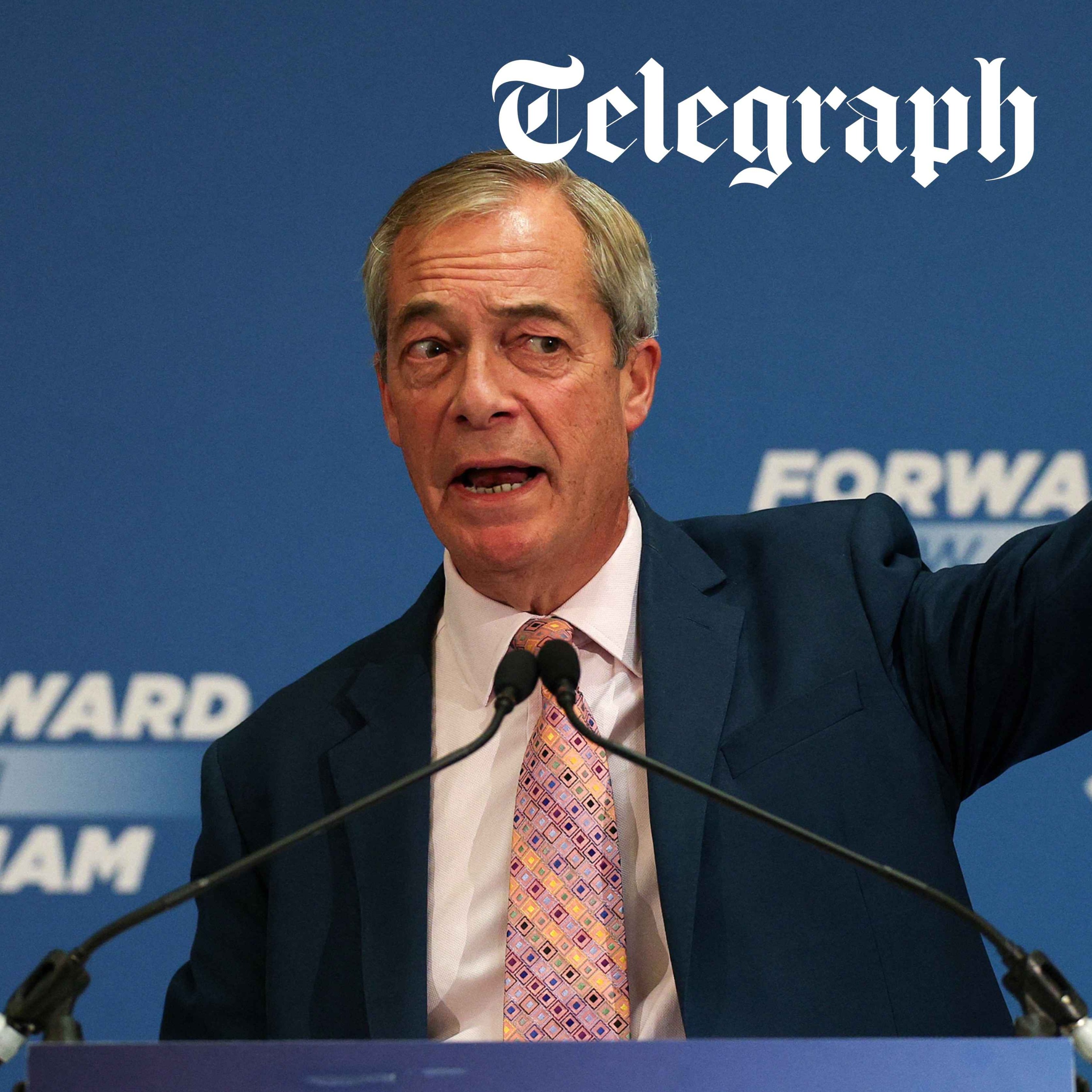
On Tuesday’s episode of The Daily T (https://www.telegraph.co.uk/podcasts/the-daily-t-podcast/), Camilla Tominey and Tim Stanley speak to Nigel Farage about Britain’s relationship with the European Union, after Andy Burnham signed “reset” agreements (https://www.telegraph.co.uk/politics/2026/11/20/burnham-rejoin-eu-next-year-summit-brussels/) in Brussels on Friday. Mr Farage accuses Mr Burnham of letting the “genie out of the bottle” on rejoining the EU, and issues a warning about public faith in democracy if Britain returns to the bloc (https://www.telegraph.co.uk/politics/2026/11/23/burnham-opens-door-to-second-brexit-referendum/) without a vote. Reform UK’s leader also lays out his vision for wealth creation after Brexit, and explains why he believes the Conservatives “wrecked” the post-2019 opportunity through high immigration and neglect of small businesses. Finally, Mr Farage hits back at claims that he has lost his political “mojo” and responds to criticism of his remarks about
Join Us at: wrightreport.substack.com (https://wrightreport.substack.com/) In this first ever live Q&A episode of The Wright Report, Bryan answers listener questions on the latest twist in the planned lead azide detonation in Iowa, including a scrapped neutralization plan and a widening Pentagon review of other at risk depots. Bryan fields listener questions on the widening Jensen Huang and Nvidia espionage scandal, including conflicting accounts of how Huang got his job back, a related cyber intrusion on unclassified CIA and ODNI systems, and the self-deportation of gang member Kilmar Abrego Garcia to Spain. He also answers questions on where to live amid the ongoing political upheaval in blue states, the debate over regime change in Iran, and a new round of tariffs aimed at Chinese trade cheating. Plus, Bryan wraps up with a rapid fire listener Q&A covering him, the podcast, and good news. This first ever live Q&A is open to both free and paid listeners, but future live Q&A episodes
The recent upheaval in the world economy, driven by unsettling news from the AI tech oligarchy Nvidia scandal, is a wake-up call for all of us. The urgent need to protest against dangerous data centres has never been more critical. In Alberta, we are witnessing a remarkable shift: traditional conservatives are distancing themselves from Premier Danielle Smith and her chaotic MAGA party, creating an unprecedented opportunity for the NDP. This shift highlights the public’s growing concern over unregulated AI and data centres — an issue that affects us all.While PM Mark Carney focuses on attracting investment to Canada’s energy sector, his strategy may be a bluff aimed at outmaneuvering Smith and messaging investors. This landscape is shifting rapidly, and we must stay informed. Join Max Fawcett, Lead Columnist for Canada's National Observer, as he delivers a thought-provoking assessment of Alberta’s state and the risks AI poses. This isn't just another political discussion; it's a rallyi
Tonight on The Last Word: Backlash grows over Donald Trump’s role in Jensen Huang’s reinstatement. Also, the New York Times reports Huang apologized to Nvidia employees today. Plus, Rhode Island faces the impact of Trump’s federal SNAP cuts. And men deported by Trump say they are starving in South Sudan. Rep. Jamie Raskin, Jeffrey Sonnenfeld, Gov.-elect Helena Foulkes, and Nick Kristof join Lawrence O’Donnell. Hosted by Simplecast, an AdsWizz company.
BREAKING RIGHT NOW: Turmoil on the UK patriot right, as Tommy Robinson admits he has been suffering from a breakdown since his conviction against Daily Mail journalists which will see him potentially spend YEARS in solitary confinement in jail when he is sentenced next month. BUT the Unite the Kingdom leader is fighting back today, announcing he WILL appeal his conviction and receive an apology for an unsafe and unfair conviction… Meanwhile, the right of British politics melts down as Nigel Farage publicly rejects his allies who have been negotiating a possible deal with Restore Britain’s Rupert Lowe. This time he blames Steve Laws, who is not even in the party, and Father Calvin Robinson, who is not even in the country, as he even attacks his own MP Suella Braverman for talking about her own ethnicity. It comes as UKIP leader Nick Tenconi attacks both Reform and Restore for rejecting nationalist street action, as he launches his own dramatic fightback against the communists. He's with
Ari Redbord, Global Head of Policy and Government Affairs at TRM Labs, and Andrew Parish of Arch Public join Scott Melker after Bitcoin spiked from $61,000 to almost $64,000 on news that Jensen Huang was reinstated as Nvidia CEO, then faded along with the broader stock market rally. Ari breaks down North Korea's crypto hacks, how stolen stablecoins are being frozen and seized through forfeiture actions, and the Chinese money laundering networks and OTC brokers that move the rest. The panel then covers AI-powered cyberattacks and ransomware, Iran's cyberattacks in Europe, why face-ripping rallies come in bear markets, key man risk after Nvidia's leadership drama, where to custody crypto after the hacks, why Bitcoin sits at $60K while Apple stock rallies, and the Arch Public algo that bought near the weekend low. In this episode: 00:00 Bitcoin's Nvidia spike fades with the stock rally 03:05 North Korea's hacks and the freeze on stolen funds 08:45 Chinese money laundering networks and OTC
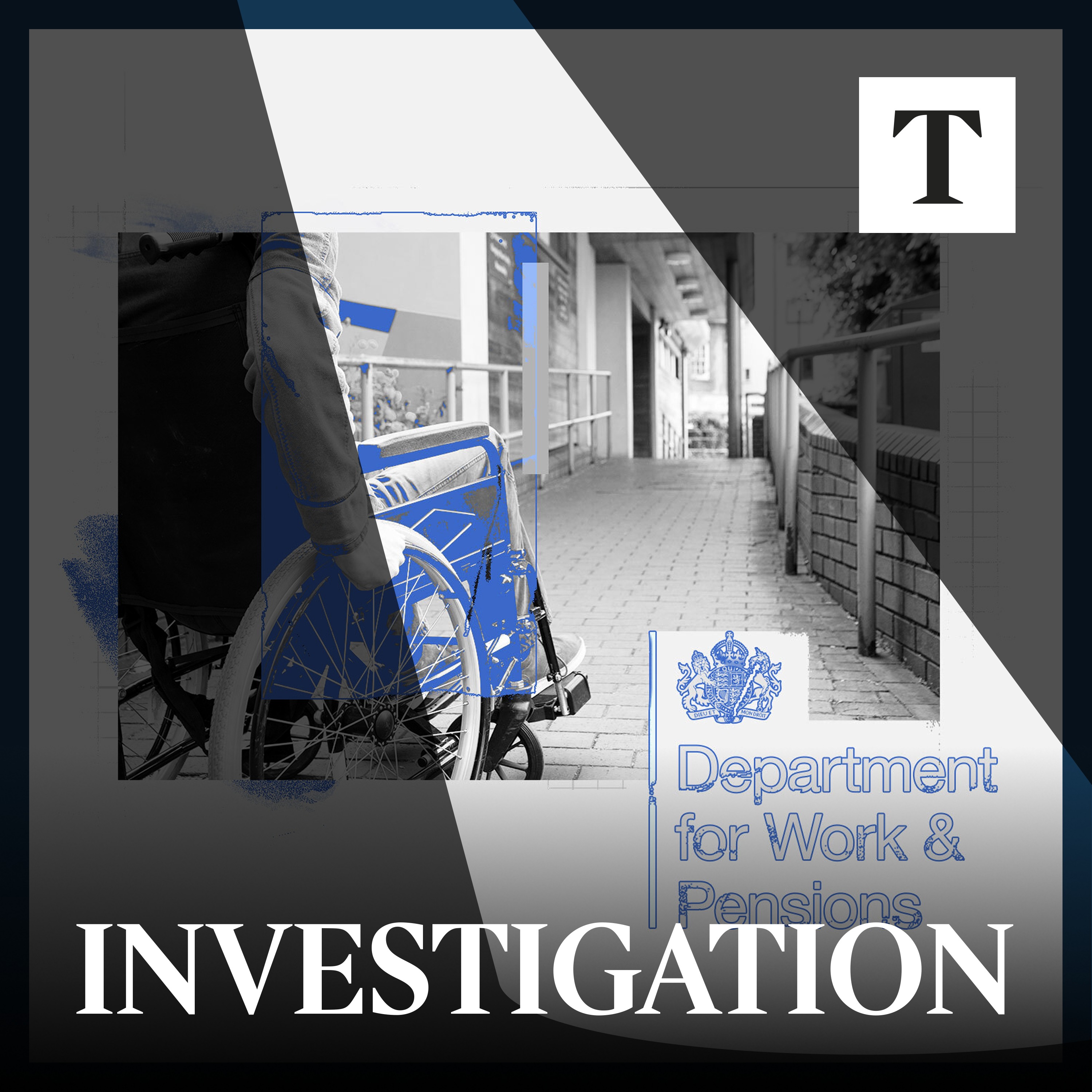
A Times investigation has exposed some of the deep-rooted flaws in the Personal Independence Payment (PIP) disability benefit. Around 4 million people are on it, costing taxpayers around £32bn a year. But some claimants are gaming the system while others are struggling to get the support they need, all whilst assessors face intense pressure to hit targets that can sway who gets approved. So where did this all go wrong? And what might today’s Timms review propose to fix it? Guests: Katie O'Toole, investigative lead, Times Welfare Inquiry Fraser Nelson, columnist, The Times Anne Reynolds, former advisor, Citizens Advice Bureau Host: Manveen Rana Producers: Olivia Case and Paige Reynolds We want to hear from you - email: [email protected] Read more:Inside the Pip machine, where assessors are told ‘you’re not the FBI’ (https://www.thetimes.com/uk/politics/article/welfare-project-pip-claimants-secure-awards-evidence-g7sb700gk) Further listening: The UK’s overprescription epidemic (https
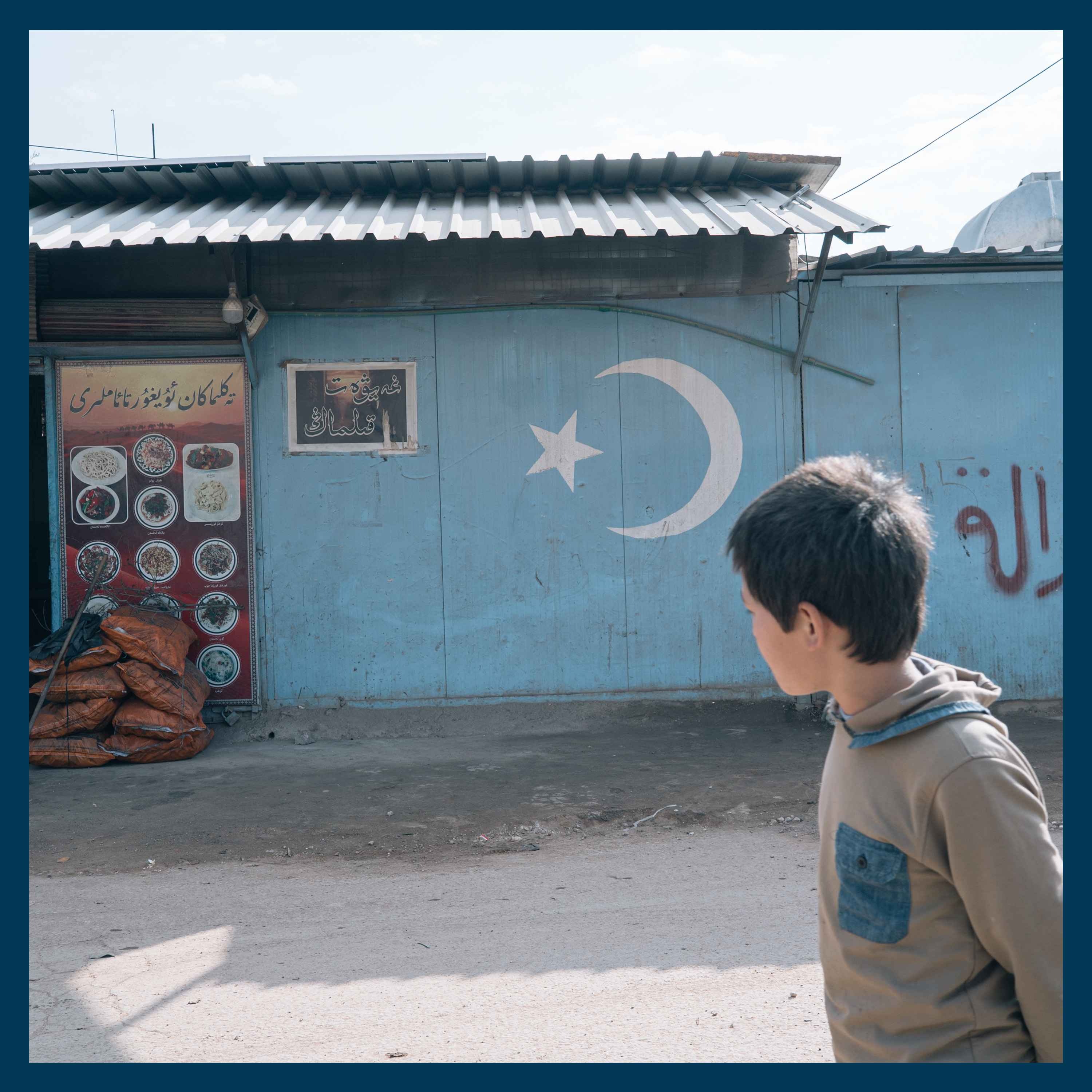
Over 20,000 Uighur refugees escaped repression in China by fleeing to Syria at the height of its brutal civil war. Originally from north western China, the Muslim minority fought fiercely against the Assad regime. But now that the war is over, they live in limbo, unable to return home or even contact loved ones while the Chinese state continues its campaign against their community. So will the new Syrian government honour their sacrifice? Or try to stay on good terms with the Chinese state? Our reporter has been to northern Syria to meet them. Guest: Anthony Loyd, special correspondent, The Times Host: Luke Jones Producer: Robyn Simon and Harry Stott We want to hear from you - email: [email protected] Read more: They fought for Syria’s freedom. Will they fight for their own? (https://www.thetimes.com/world/middle-east/article/uighur-fighters-syria-xinjiang-china-cfv5733d8) Further listening: SAS in Syria: the untold murder probe (https://pod.fo/e/6c8ea9) Clips: The New York Times,
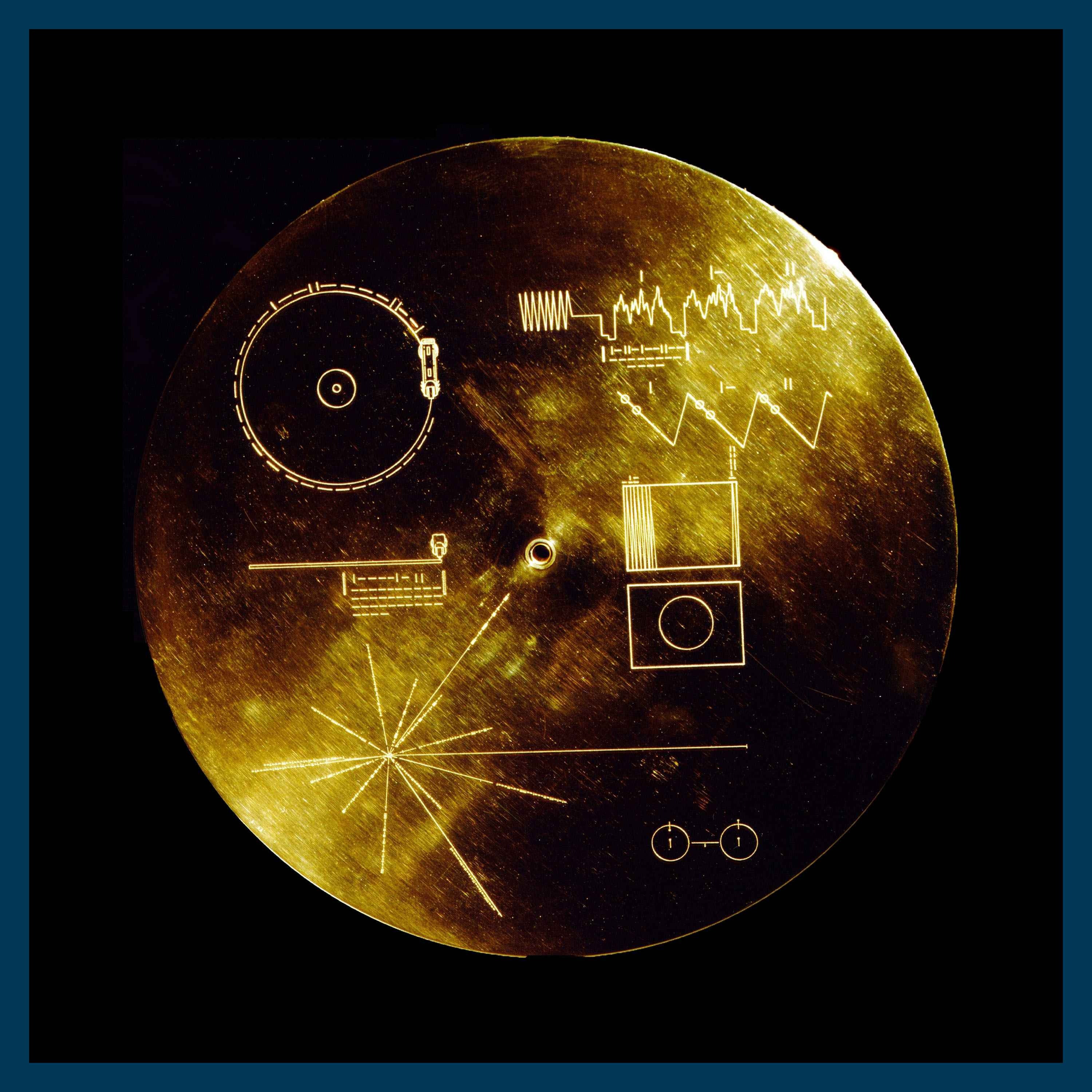
This week, Voyager 1 reached one light day away from earth - the farthest any man-made object has ever been. For fifty years, it as well as its sister probe Voyager 2, have been sending information back to earth. Now, they’re off to interstellar space, carrying two golden records designed to introduce humanity to whatever life form may be out there. So what’s on those discs? And what does the project tell us about what it means to be human? Guests: Rhys Blakely, science editor, The Times Tim Ferris, author and producer of the Voyager Golden Record Host: Manveen Rana Producer: Olivia Case We want to hear from you - email: [email protected] Read more: Voyager - humanity’s most distant message (https://www.thetimes.com/uk/science/article/nasa-golden-record-sounds-voyager-humanity-bksl2n0ck?eafs_enabled=false) Further listening: Has space become the final frontier for war? (https://pod.link/1501716010/episode/NmFhYzMzNzM4ZGUzYjQzYjZhOTk4ZGJj) Clips: NASA Voyager Golden Record / Carl Sa
Local events should make a deliberate effort to welcome people attending alone.
Share your view, then see how readers voted. No sign-in required. This poll is shared across stories.
Do you agree or disagree?
Common Quandary
A Common Quandary to discuss
Another conversation to explore, separate from this news story.
A disgraced billionaire's name is on the beloved campus library. Does it come down?
A major donor funded a beloved public building decades ago. New evidence shows they also caused serious harm that was legal and accepted by many peers at the time. Removing the name may jeopardize future donations.
What does an institution owe the truth when its history funded the present?