Listen through the publisher, then discuss the episode here or arrange an in-person Roundtable. Your city determines where to meet.
Roundtables are designed for groups of four, with a shared subject and room for everyone to speak. Come for discussion, with no dating expectation.
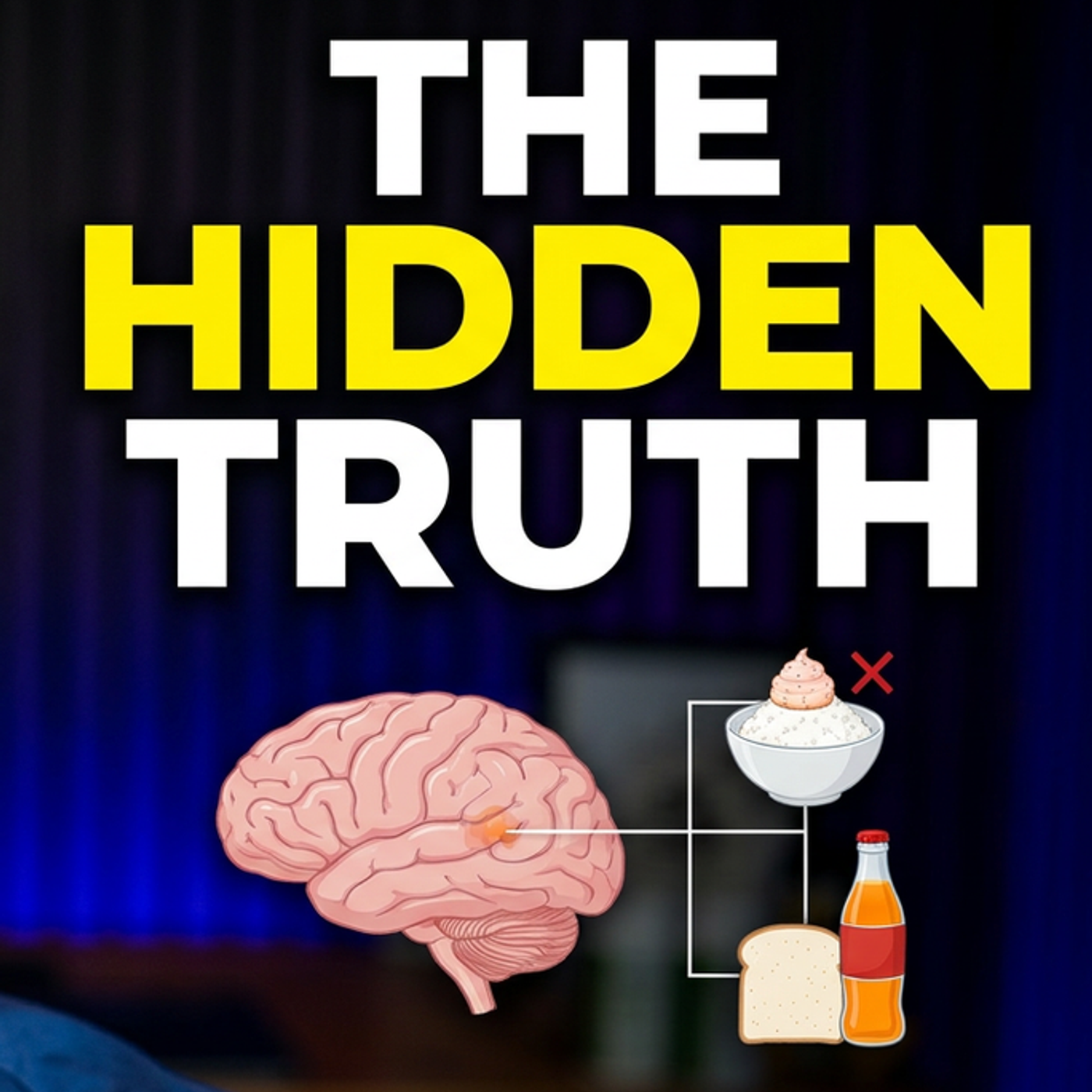
This conversation explores the critical yet misunderstood role of cholesterol in human physiology, challenging the prevailing narrative that demonizes it. Stephen Thomas discusses how cholesterol is essential for various bodily functions, its historical context, and the paradox of modern medicine's approach to cholesterol management. Takeaways Cholesterol is essential for life Modern medicine misinterprets cholesterol Chapters 00:00 The Misunderstood Role of Cholesterol 03:00 Cholesterol's Essential Functions in the Body 05:49 Cholesterol and Modern Medicine's Paradox 11:48 Cholesterol's Impact on Longevity and Health 17:07 Cholesterol's Role in Immune Defense
Episode information is provided by the publisher. Listening takes place on the publisher’s service.
Whole-Body Vibration, Longevity, Nitric Oxide, Bone Density & Cellular Health Host Dave Asprey sits down with Dr. Tommy Rhee, sports chiropractor, regenerative medicine expert, and former practitioner with the Tampa Bay Buccaneers and UCLA Athletics, to explore whole-body vibration, longevity, nitric oxide production, blood circulation, bone density, muscle activation, and the science of mechanical stimulation. Drawing on more than 20 years of clinical experience working with professional and Olympic athletes, Dr. Rhee explains how specific vibration frequencies may influence cellular signaling, cardiovascular function, and physical performance. Dave and Tommy examine why whole-body vibration has become a popular biohacking technology and how just a few minutes of mechanical stimulation may support multiple systems throughout the body. Dr. Rhee explains how standing on a vibration platform creates rapid muscle contractions and mechanical forces that stimulate circulation and may activa
View the Show Notes Page for This Episode (https://peterattiamd.com/coldtherapy/) Become a Member to Receive Exclusive Content (https://peterattiamd.com/subscribe/?coldtherapy+=referral) In this "Ask Me Anything" (AMA) episode, Peter delves deep into the data surrounding different forms of cold therapy, including cold water immersion, cryotherapy, and cold showers, aiming to unveil the potential benefits and drawbacks associated with cold therapy. He dissects the studies examining the effects of cold therapy on delayed onset muscle soreness (DOMS), activation of brown adipose tissue, and its potential impact on mood and as a therapeutic approach for depression. Furthermore, Peter discusses the potential negative impact cold therapy may have on muscular hypertrophy and offers his perspective on the extent to which the data support the notion of cold therapy providing longevity benefits. Finally, he discusses the existing consensus, or lack thereof, regarding the optimal structure of an
Dr Anna Lembke is one of the world's foremost authorities on addiction – a professor of psychiatry at Stanford, chief of its Addiction Medicine Dual Diagnosis Clinic, and the author of the international bestseller Dopamine Nation, which sold more than 1.5 million copies and changed the way the world understands pleasure, pain and dependence. Her new book, Radical Surrender, goes a step further than Dopamine Nation. Its argument is that we have become addicted not just to pleasure, but to control – that in a world of endless levers to press, we now pursue control for its own sake, and that when reality refuses to cooperate, our instinct to try harder tips us into denial, anxiety and despair. It is one of the most important and useful books I've encountered in the making of this podcast. But Anna's understanding was forged through almost unbearable personal loss. Her infant son, Lucas, died of leukaemia. What emerged was an acceptance of human limitation and the hard-won understanding th
Bloating by dinner, constipation that's become routine, and brain fog by mid-afternoon get blamed on perimenopause all the time, but for many women, the trouble started in the gut long before their hormones began to shift. Stress, years on acid blockers, antibiotics, and even a missing gallbladder can change how you digest food, absorb nutrients, activate thyroid hormone, and clear estrogen, so by midlife, perimenopause lands on a system that was already struggling. In this episode of Hello Hormones, Dr. Cassie Smith and I break down how chronic stress can lead to leaky gut, why long-term acid blockers and gallbladder removal can make perimenopause harder, and how your estrobolome (the gut bacteria that help process estrogen) decides whether used estrogen leaves your body or gets recirculated. We also chat about the gut-thyroid connection, the thyroid lab ranges she likes to see, why some women feel worse when they start hormone therapy, and the simple basics that make the biggest diff
Low energy after 40 is a struggle many women talk about, often feeling dismissed when labs look "normal" yet fatigue and fog persist. This episode explores why energy can drop in midlife, the role Ken Swartz sees for oxidative stress, and the steps he says have helped. Full show notes, key takeaways, and transcript: https://www.natalietysdal.com/post/low-energy-after-40 Ken Swartz is the founder of C60 Power, with a long career running research and science labs. Ken shares his views on cellular health, energy, and oxidative stress, as well as his own experience using C60 and what he has seen in others. What you'll learn: - How Ken describes oxidative stress as "your body rusting," and how he links it to low energy, aches, and brain fog after 40 - Why chemicals, radiation, and fast-paced lifestyles add stress on the body in midlife - The antioxidant basics including CoQ10 and glutathione - Intermittent fasting - Realistic expectations for how long changes take - Why more testing matters
What if God's plan isn't to throw this world away, but to make it new? What did Jesus mean when he promised the renewal of all things? And what keeps us from receiving the future God is preparing for us? In today's episode, Keith explores Matthew 19:13–30 and shows us how the kingdom of God turns our expectations upside down, inviting us to let go of what we're clinging to and follow Jesus into the life to come. Want to become a more consistent Bible reader? Read the Bible with us! We're almost done exploring the Gospels—Matthew, Mark, Luke, and John—but it's never too late to jump in! Your support makes TMBT possible. Ten Minute Bible Talks is a crowd-funded project. Join the TMBTeam to reach more people with the Bible. Give now (https://info.tenminutebibletalks.com/support). Like this content? We'd love to hear from you! Passage: Matthew 19:13-30 (https://www.biblegateway.com/passage/?search=Matthew+19%3A13-30&version=NIV)
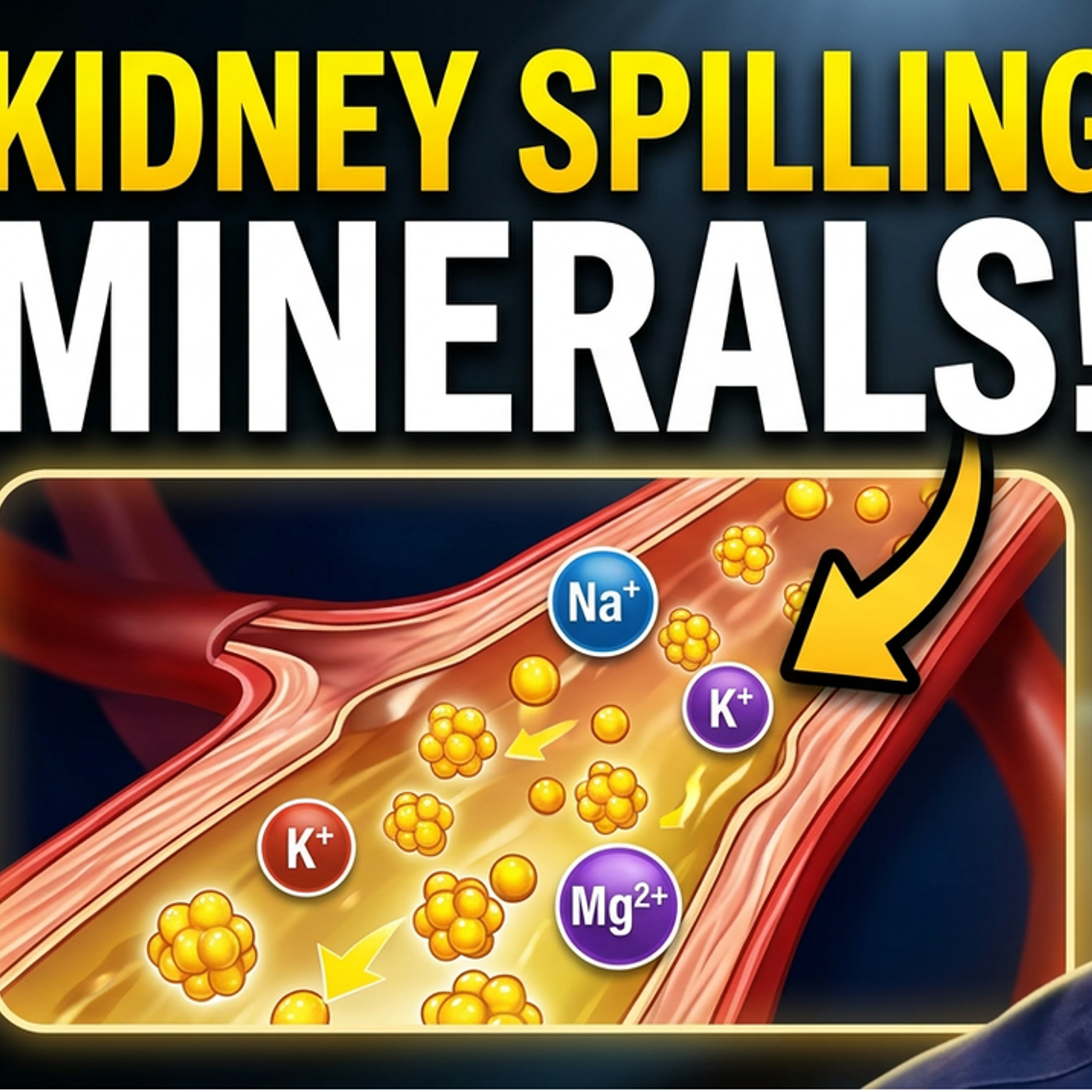
The conversation delves into the implications of glucose in urine, emphasizing that it signifies not just high blood sugar but also the loss of essential electrolytes. Stephen Thomas explains the physiological processes involved, the importance of minerals in blood sugar management, and the need to address carbohydrate intake to prevent further complications. Takeaways Glucose in urine indicates electrolyte loss Mineral depletion affects blood sugar control Chapters 00:00 Understanding Glucose in Urine 10:10 The Role of Electrolytes 15:22 Carbohydrate Toxicity Explained 20:00 Managing Symptoms and Causes
In this conversation, Stephen Thomas discusses the misconceptions surrounding food addiction, emphasizing that the real issue lies with sugar and refined carbohydrates rather than food itself. He argues that eliminating sugar can help stabilize blood glucose levels and reduce cravings, leading to better health outcomes. Takeaways Food addiction is a myth Sugar is the real culprit Chapters 00:00 Debunking Food Addiction Myths 09:13 Understanding Sugar's Role in Cravings
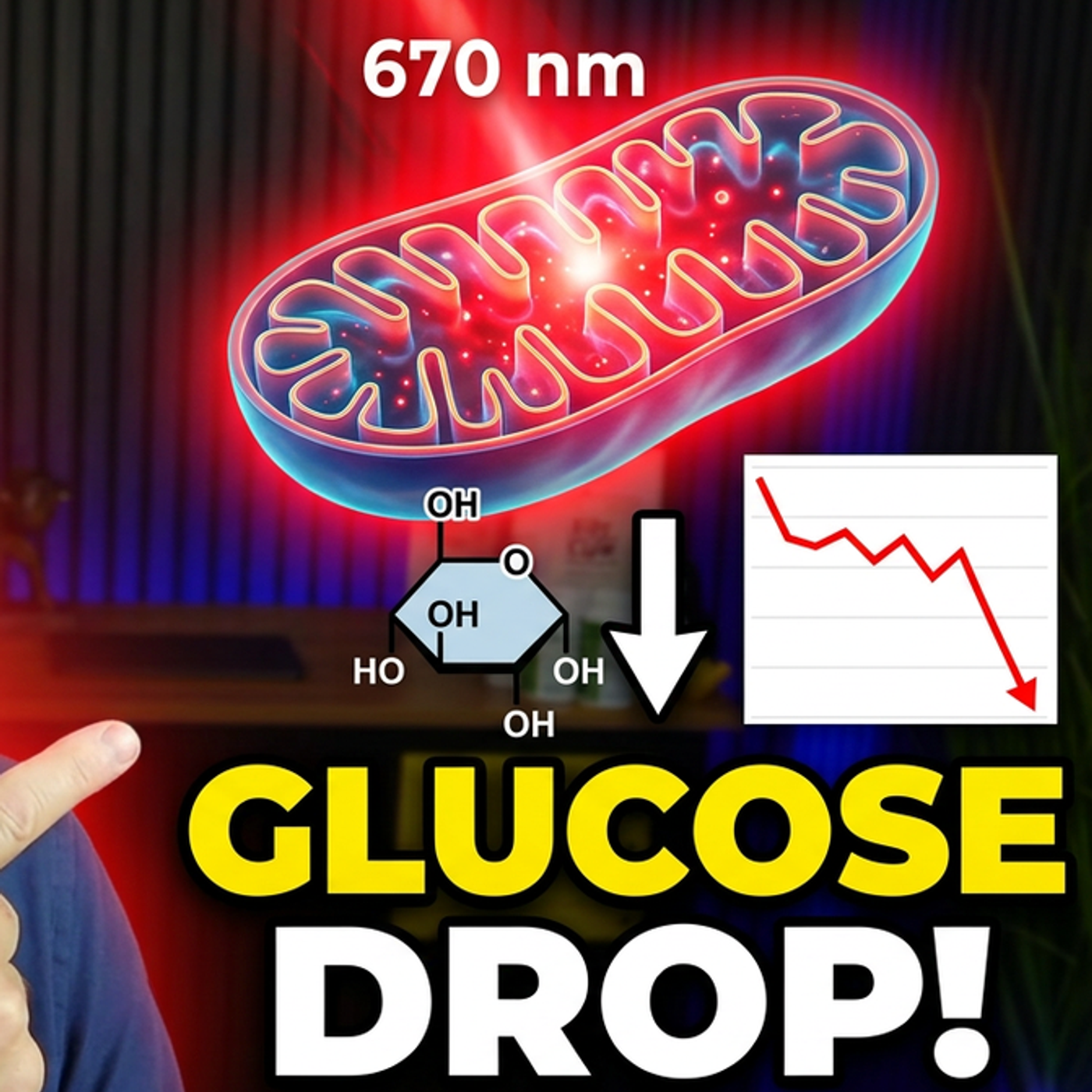
The conversation explores the relationship between light, specifically red wavelengths, and mitochondrial function in lowering blood glucose levels. It emphasizes the scientific basis behind these claims while demystifying complex concepts related to light and biology. Takeaways Light influences blood glucose Mitochondria boost energy production Chapters 00:00 Demystifying Light and Biology 09:56 The Science of Mitochondria and Light 11:50 Practical Applications of Light Therapy 12:45 The Impact of Modern Lighting on Health
Residents' need for quiet should usually outweigh the benefits of late-night entertainment.
Share your view, then see how readers voted. No sign-in required. This poll is shared across stories.
Do you agree or disagree?
Common Quandary
A Common Quandary to discuss
Another conversation to explore, separate from this news story.
One sibling did years of caregiving. Should they get more of the inheritance?
One sibling lives near an aging parent and handles appointments, errands, and emergencies. The others live far away, call regularly, and assume the nearby sibling will receive the same inheritance despite years of unpaid work.
When does family care become labor that should be repaid?