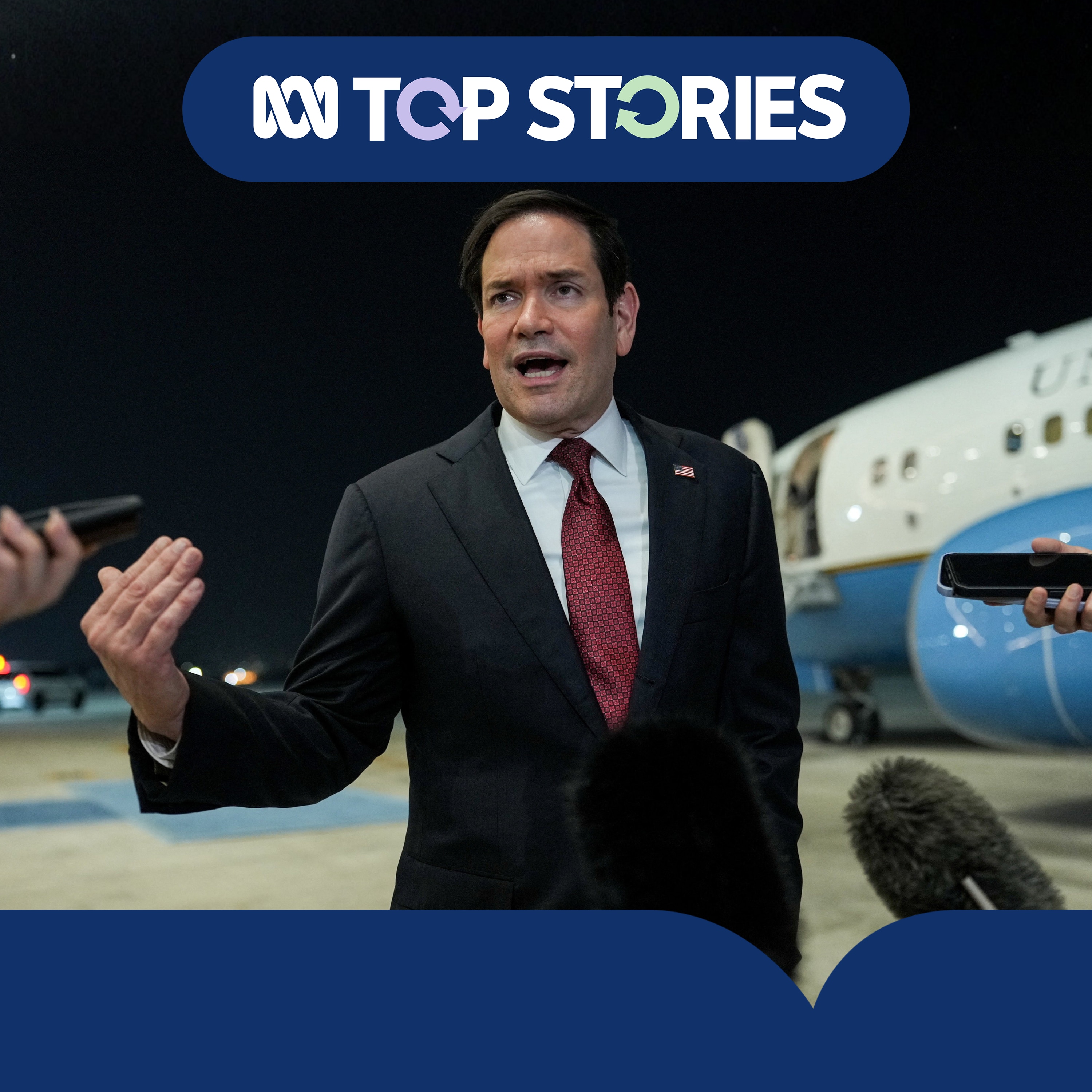
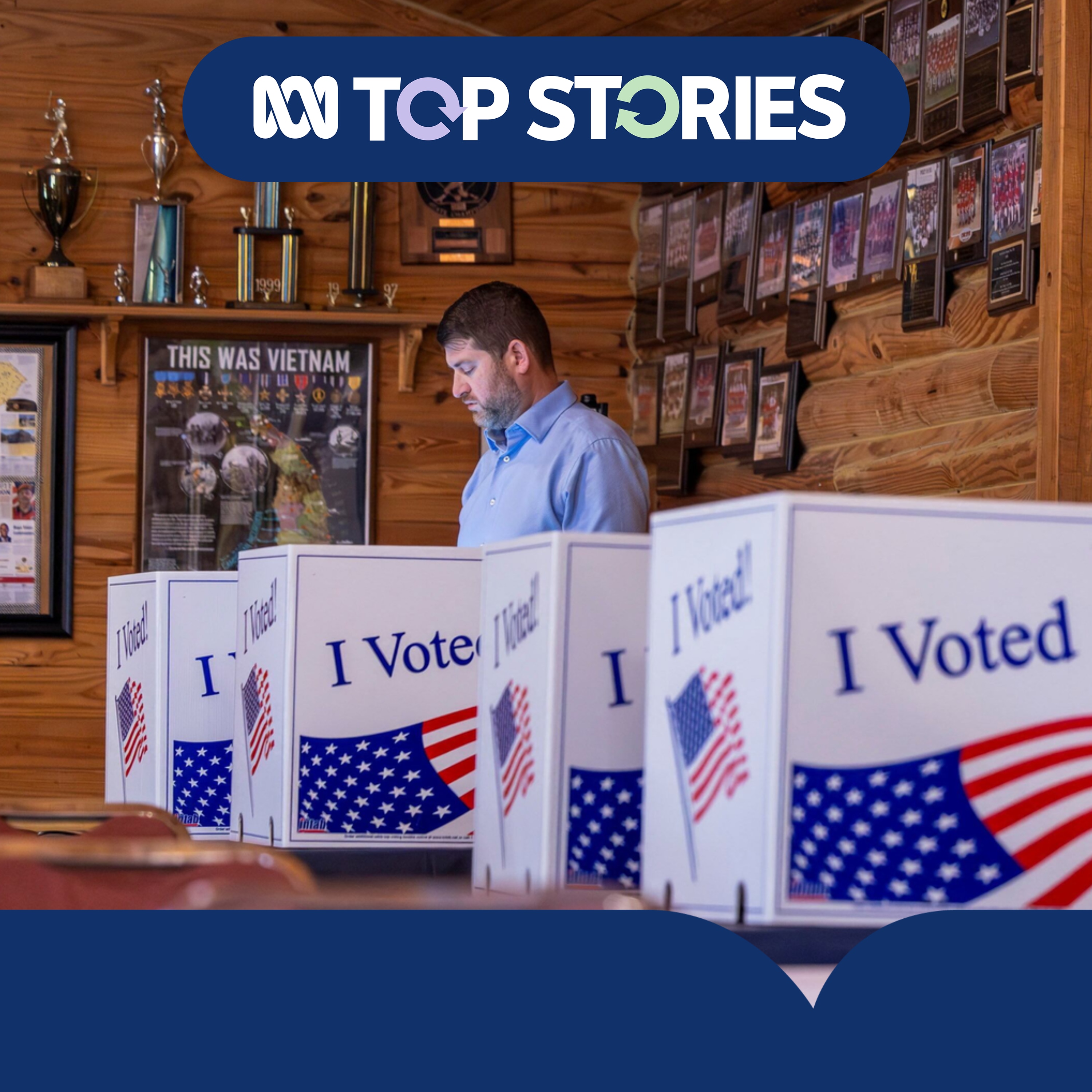
The Nasdaq lost about $2.5 trillion in 24 hours as investors weighed what Democratic control of Congress could mean for data centres and AI. Elon Musk's companies fell too, and Ken Paxton, the Texas Senate candidate he poured hundreds of millions of dollars into, failed to beat James Talarico. With the 2028 race already under way, JD Vance has blamed the Iran war for the result while Marco Rubio is reportedly weighing whether to leave the administration to run. Americas editor John Lyons explains.
Bob Katter's 'thousand blossoms bloom' crocodile rant has taken on a new life, almost a decade on, thanks to a song written from the perspective of a saltwater crocodile. The Cherabins' track "Katter" has the croc calling for no more culling, and the MP says he loves crocodiles and thinks it is 'a bloody good song'. He has written his own rap-style reply and offered to sing backup, so will the two sides end up making music together?
Cristiano Ronaldo has announced his retirement from international football after more than two decades, saying it is time to hand back the number seven shirt of the Portugal national team. The 41-year-old is Portugal's record appearance maker and leading scorer with 234 games and 146 goals, but the news comes after a fallout with coach Jorge Jesus that led to a 30-day suspension. Ronaldo will keep playing at club level, so what does his exit mean for Portugal and the next generation now asked to fill his shoes?
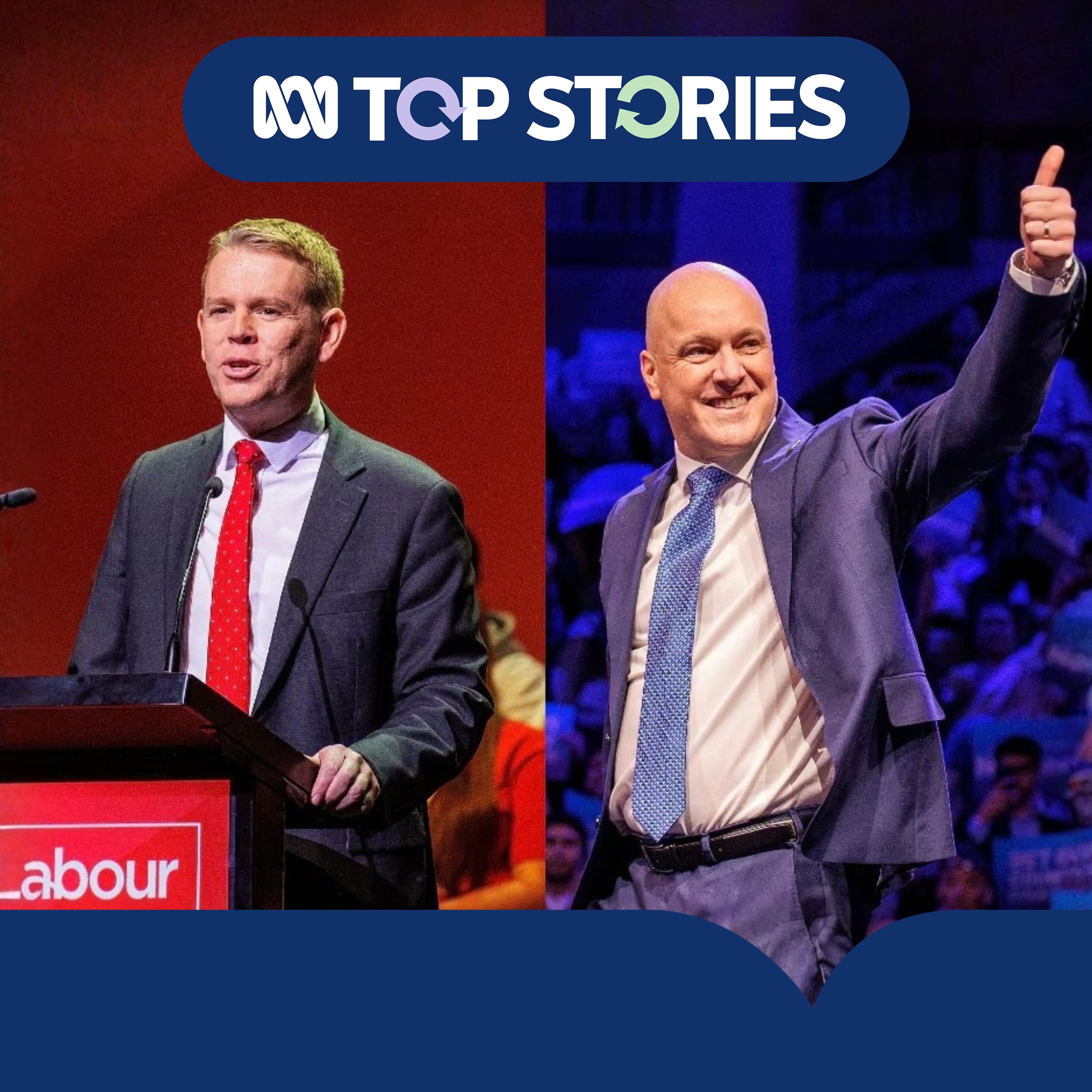
New Zealand heads to the polls this weekend in one of the tightest elections the country has seen in years. Neither of the two major parties is polling much above 30 per cent, and analysts say voters don't believe either side can fix the country's problems. A centrist wildcard party could win parliamentary seats for the first time, and if the result is as close as expected, it might end up holding the balance of power.
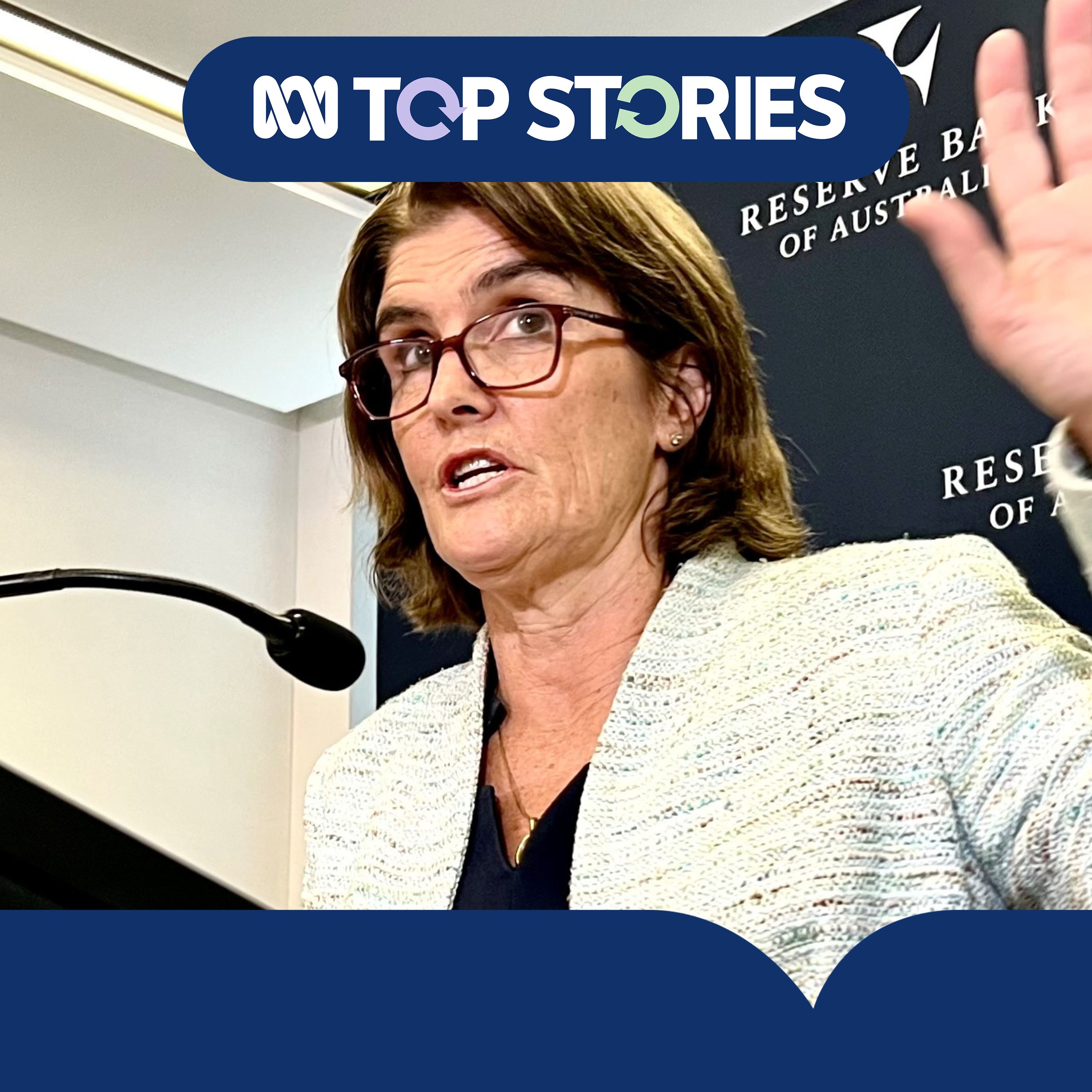
Australia's data centre building boom is adding to inflation, and the RBA governor called it out directly when the central bank moved on interest rates. The sector's pushing back, arguing the short-term pain is worth it for the productivity gains AI will eventually deliver. But with investment up 36% in a year and the economy already stretched, the question of when that payoff arrives is one even economists can't answer.
Cyberattacks on fridges and freezers across Europe have spoiled food and put blood supplies at risk. The head of the UK's National Cyber Security Centre says the French fridges were using default passwords, and supermarkets from Sweden to Belgium and Estonia have also been hit. So should your own fridge be connected to the internet? What about lights, air con and baby monitors? Cyber security expert Troy Hunt explains why supermarket fridges should never have been on the open internet and how to choose safer connected devices.
A new report on Australia's social cohesion paints a complicated picture, with many Australians feeling things are getting worse even as the data tells a different story. The cost of living is playing a big role, with researchers warning financial stress is making people more insular and eroding trust in each other and in institutions.
Anglicare Australia's annual rental affordability snapshot has found that essential workers like nurses, teachers and paramedics can afford only a tiny fraction of rental listings across the country. The report looked at more than 48,000 listings and the picture is even bleaker for people on lower incomes, with no affordable options at all for those on JobSeeker or a disability support pension. So what's driving the crisis, and what would actually fix it?
Peanut allergy affects around one in 30 Australian children, but new research suggests a significant number of those diagnoses might not be right. Researchers are already looking at what this could mean for how peanut allergies are diagnosed nationally, and what it might mean for other allergens down the track.
Donald Trump's Republican Party has lost control of both houses of Congress at the US midterms, with Democrats flipping Senate seats in Texas, Ohio, Kansas, Iowa, Maine and the Carolinas. A US politics expert from the University of Sydney says widespread disapproval of Donald Trump and concern about the cost of living drove the result. With Democrats now holding both houses it will be very hard for Trump to advance his legislative agenda, but the president still has veto power, so what happens next?
Canva's one of Australia's most celebrated tech success stories. But it's announced it's cutting more than 1,200 jobs, or about 22 per cent of its global workforce. Experts say it's not an isolated case as AI reshapes the tech industry.
Choice has handed out its annual Shonky Awards, and this year Ticketek, Ticketmaster, and Virgin Australia are among the businesses in the firing line. The consumer group is accusing the ticketing giants of fleecing fans through dynamic pricing and poor experiences. Meanwhile, Virgin Australia's handling of COVID-era flight credits has also caught their attention.
A parliamentary inquiry is looking at why so many Australians are struggling to access specialist medical care. Long public waiting lists, high out-of-pocket costs, and workforce shortages all on the agenda. The committee is exploring potential fixes, including formalising a system where GPs can consult specialists directly, which experts say could free up appointments and save patients money.
The Reserve Bank's raised the cash rate for the fifth time this year, and with Christmas approaching, millions of Australians with mortgages are feeling the pressure. So who's hurting, who might actually be better off, and when could relief finally arrive?
US voters head to the polls this week for high-stakes midterm elections that could hand Democrats control of Congress and deliver a major blow to Donald Trump's administration. Polling suggests a significant swing toward the Democrats, driven by deep unpopularity over the Iran war, cost of living pressures, tariffs, and a sharp backlash among Latino voters over immigration enforcement. There are also serious questions about how the administration might respond to unfavourable results, with moves to challenge voter rolls, potential deployment of federal agents at polling stations, and early legal skirmishes already underway.
The Reserve Bank has lifted the cash rate to 4.85 per cent, the highest since late 2008, adding about $90 a month to minimum repayments on a $600,000 mortgage. The RBA says excess demand and the risk of people accepting fast-rising prices as the new normal drove the fifth rate rise, alongside fuel costs. The board was split six votes to three and economists are divided on whether rates will rise again, so is this the last increase?
The New South Wales government is leading the push for the NAPLAN writing test for Years 5, 7 and 9 moved from computers back to pen and paper. Online NAPLAN testing began in 2018 and writing scores have been about the same over the past few years. One researcher says handwriting is important for learning and memory. But would a switch make sense in a digital world?
Australia's social media ban for under 16s is heading to the High Court, with challengers arguing the law voids the right to communicate on political matters. The federal government says it'll stand firm on the law, but with many teenagers still getting around it, the debate over how the ban should work is far from settled.
Anthony Albanese plans to raise the issue of British backpackers with UK Prime Minister Andy Burnham, after a 2021 deal let them stay up to three years without having to do specific work. There were nearly 80,000 British backpackers last financial year, up from about 47,000 in 2024, while other working holiday visa holders must work in regional areas to extend beyond a year. Tony Burke wants a cap and ballot for second and third year visas and the Coalition wants a fee for working in a city, so what would it mean for farmers?