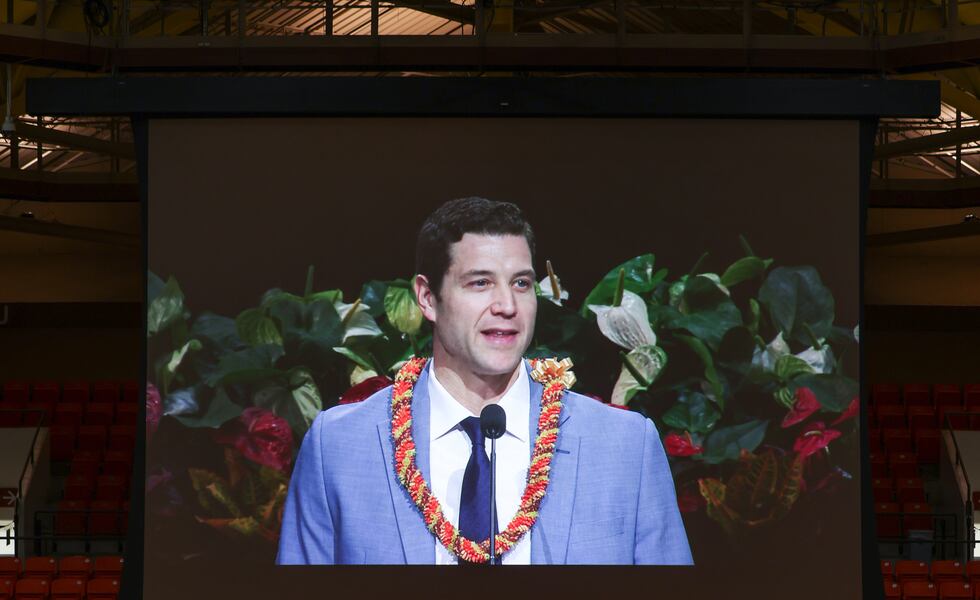
Professional basketball player Jimmer Fredette’s “Plan A” — or main focus, priority and goal in life — since he was a little kid was to play basketball in the NBA. It wasn’t until he actually made it to the NBA that he learned he needed to adjust his priorities, he told BYU–Hawaii students during a campus devotional on Tuesday, Nov. 10. “Refocusing my mind and heart has been an incredibly rewarding way to live. It did not make my life easy or without challenges and trials, but it changed my perspective when facing them, knowing that my Savior always has a better plan in His sights for me,” Fredette recounted. Fredette rose to what he called “mini celebrity” in 2011 as he helped lead Brigham Young University to the Sweet 16 in the NCAA Tournament for the first time in 30 years. That same year, he became the leading scorer in the nation and won National Player of the Year honors.
Nearby reporting
Stories from surrounding communities, closest first.
A Honolulu program meant to boost the development of affordable rental housing is falling short of its goals, according to a new report from University of Hawaiʻi economists. Bill 7, enacted in 2019, offered Honolulu developers incentives to keep units affordable to moderate-income households. The law was intended to ease housing costs in a city that is increasingly unaffordable. A report by the UH Economic Research Organization, or UHERO, found that as of September, only seven out of 85 projects have been completed since the program began — amounting to only 224 out of 2,280 units that applied for a permit since 2019. The original goal of the program was to complete 500 units per year. The UHERO report notes development has been made harder since 2019 because of persistently high interest rates and construction costs, the latter of which increased by 30% since the program began. Permitting has also been slow.