11-23-26: I Called It Months Ago. Is Jon Ossoff the Democrat to Watch in 2028?
40 min
Listen through the publisher, then discuss the episode here or arrange an in-person Roundtable. Your city determines where to meet.
Roundtables are designed for groups of four, with a shared subject and room for everyone to speak. Come for discussion, with no dating expectation.
Mark Walters and Andy Hooser break down why Georgia Sen. Jon Ossoff could emerge as a 2028 presidential contender, how a national popular vote compact could change campaign strategy, and why two Supreme Court gun-ban challenges matter to gun owners.
Episode information is provided by the publisher. Listening takes place on the publisher’s service.
This week on The Necessary Conversation, it's Chad, Haley, and Mary Lou. Bob is still recovering but sent in a video message about Trump calling Putin his friend that we watch together. 🇷🇺 Trump held the first-ever three-way talks with Putin and Xi, called it a "12 out of 10," and produced nothing. Then at a press conference he called Putin his friend — and when asked if Putin is a friend to America, the president of the United States said, "I can't speak to America." That same day, Trump's friend Putin launched massive strikes into Ukraine, hit Poland with two missiles — an act of war against a NATO ally — then struck near a Ukrainian restaurant and drone-bombed the first responders, killing a 7-year-old child and a 20-year-old paramedic. We watch Bob's video and ask Mary Lou: is Russia our friend? 🇨🇳 The House Foreign Affairs Committee revealed Trump's Commerce Department approved nearly 880,000 advanced AI chips for Chinese military-linked companies including Alibaba, Tencent, a
The recent upheaval in the world economy, driven by unsettling news from the AI tech oligarchy Nvidia scandal, is a wake-up call for all of us. The urgent need to protest against dangerous data centres has never been more critical. In Alberta, we are witnessing a remarkable shift: traditional conservatives are distancing themselves from Premier Danielle Smith and her chaotic MAGA party, creating an unprecedented opportunity for the NDP. This shift highlights the public’s growing concern over unregulated AI and data centres — an issue that affects us all.While PM Mark Carney focuses on attracting investment to Canada’s energy sector, his strategy may be a bluff aimed at outmaneuvering Smith and messaging investors. This landscape is shifting rapidly, and we must stay informed. Join Max Fawcett, Lead Columnist for Canada's National Observer, as he delivers a thought-provoking assessment of Alberta’s state and the risks AI poses. This isn't just another political discussion; it's a rallyi
The Ninth Circuit hears Siren Retail, doing business as Starbucks, versus the National Labor Relations Board. The dispute grew out of a union organizing campaign. Managers met with employees to discuss what union representation would mean. Statements about losing benefits, access to temporary assignments, and obligations to join a union or participate in a strike led to unfair labor practice charges. The Board found several statements unlawful threats, not merely protected opinions. Separately, it overruled a precedent called Tri-Cast, which concerned statements about how unionization changes employees' relationship with management. That new standard applied only to future conduct; the Board did not use it to find those relationship statements unlawful in this case. Starbucks will challenge the threat findings and argue that federal labor law and the First Amendment protect its speech. It will also argue that the prospective rule chills what it can say in future organizing campaigns. T
The Petal's New Zealand edition for Friday 20 November 2026 carries 8 decisions newly reported, all from the High Court, seven of them aired as six items. The thread is show your working: each stage of self-defence, each sentencing discount and each line of a debtor's budget has to be reasoned out. Criminal Law Desk (first story). Otimi-Woodhouse v Police [2026] NZHC 3438 - in a judge-alone trial the reasons must show the main issues were considered and why each ingredient was or was not proved beyond reasonable doubt; where self-defence under s 48 of the Crimes Act 1961 is raised, the judge must consider the circumstances as the defendant honestly believed them to be, then whether the prosecution proved he was not acting in self-defence in those circumstances, then whether it proved the force unreasonable; not engaging with his belief, deciding the second stage too early and a one-sentence conclusion on force created a real risk the outcome was affected, a miscarriage of justice under
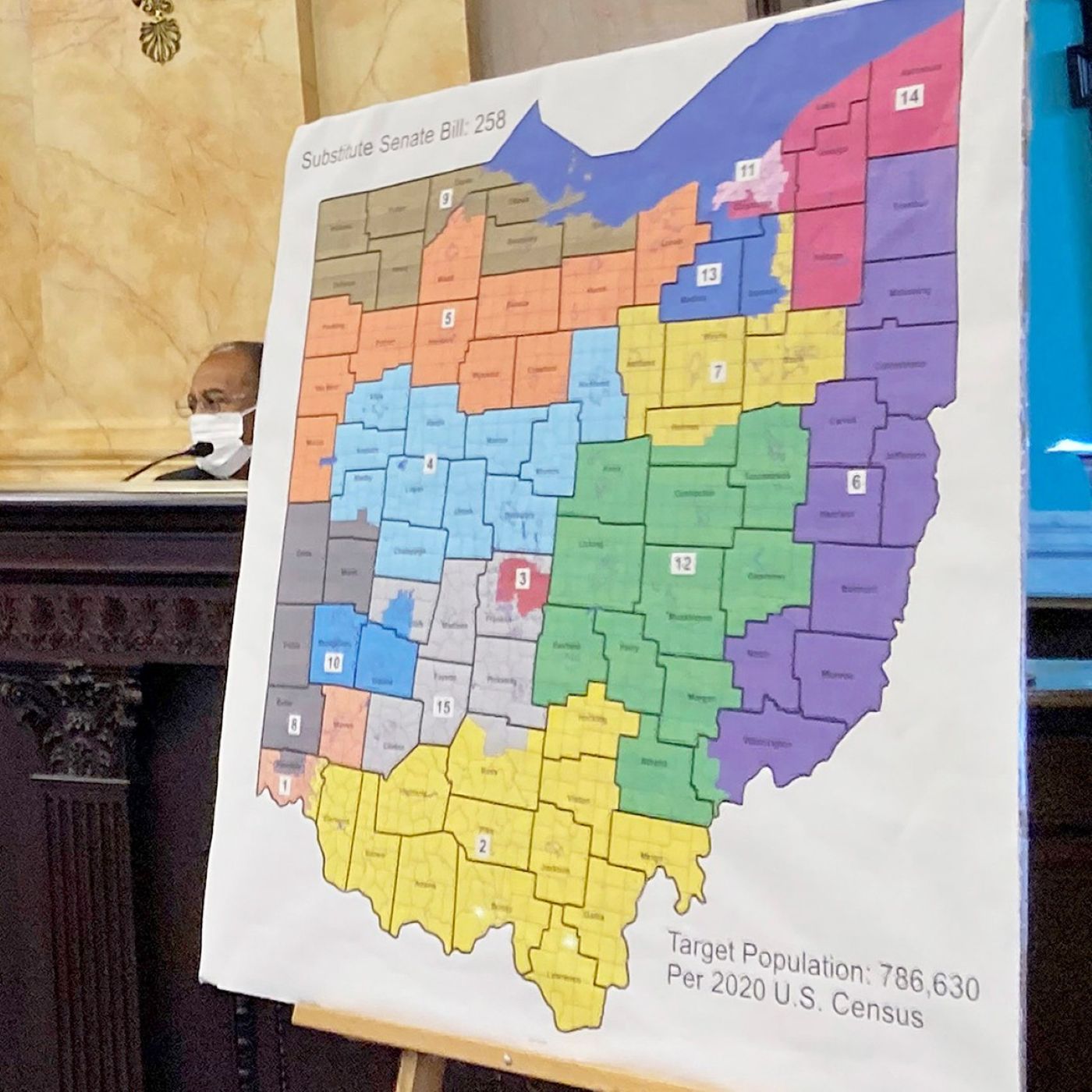
Remember the redistricting battle of 2023 and 2024? It was a bruising fight. Opponents of the process, led by a Republican, though many of them were Democrats, put a constitutional amendment on the ballot asking voters to change the way Ohio draws legislative districts. Supporters of the change called the maps unfair and rigged to help Republicans. After a bitter campaign that featured some shrewd tactics by Republican leaders, voters rejected the amendment. Two years later, with lawmakers running in largely the same districts, which were thought to favor Republicans, Democrats won anyway. They won districts where Republicans were favored. Instead of having a predicted 12-3 Republican majority in the congressional delegation, Democrats now hold an 8-7 majority of congressional seats. They pulled upsets in state House races. Democratic turnout trumped the maps, pun intended. But the maps remain, and the redistricting fight in Ohio and other states likely will continue. This week, we’ll
Three of the Justice Department's most senior officials resigned within 72 hours of the 2026 midterm elections. Harmeet Dhillon, who ran the Civil Rights Division, left after failing to force 30 states to hand over voter rolls. John Eisenberg, who oversaw national security and the leak investigation into journalists, stepped down. And Jason Reding Quiñones, the U.S. Attorney for the Southern District of Florida who was leading the so-called "grand conspiracy" investigation into Trump's perceived enemies, quit abruptly. Democrats are about to take control of Congress. The officials who might have been called to testify are leaving before the subpoenas arrive. This episode breaks down who left, why, and what it means for the investigations that remain. General information only, not legal advice. Based on public records and news reports. Thanks for listening to Gavel & Gazette. Legal news, explained. General information only, not legal advice. This episode includes AI-generated content.
Mark Walters and Arizona Rep. Quang Nguyen break down what the midterms could mean for gun rights, how Article II, Section 26 protects the right to bear arms, and why duty to retreat, state preemption, and Gov. Katie Hobbs matter in the fights ahead.
Mark Walters and Andy Hooser break down Justice Clarence Thomas’s statement in Novotny v. Moore, why the Supreme Court passed on Maryland’s sensitive-places case today, and what a narrower Second Amendment challenge could mean for the right to carry.
Mark Walters, Brad Premo, Justin Moon and Ryan Petty discuss Supreme Court gun cases, whether Arizona could follow Virginia and what Georgia gun owners face. The AAR Roundtable also looks at the filibuster and how elections affect firearms retailers.
News organizations should disclose major financial relationships that could influence their coverage.
Share your view, then see how readers voted. No sign-in required. This poll is shared across stories.
Do you agree or disagree?
Common Quandary
A Common Quandary to discuss
Another conversation to explore, separate from this news story.
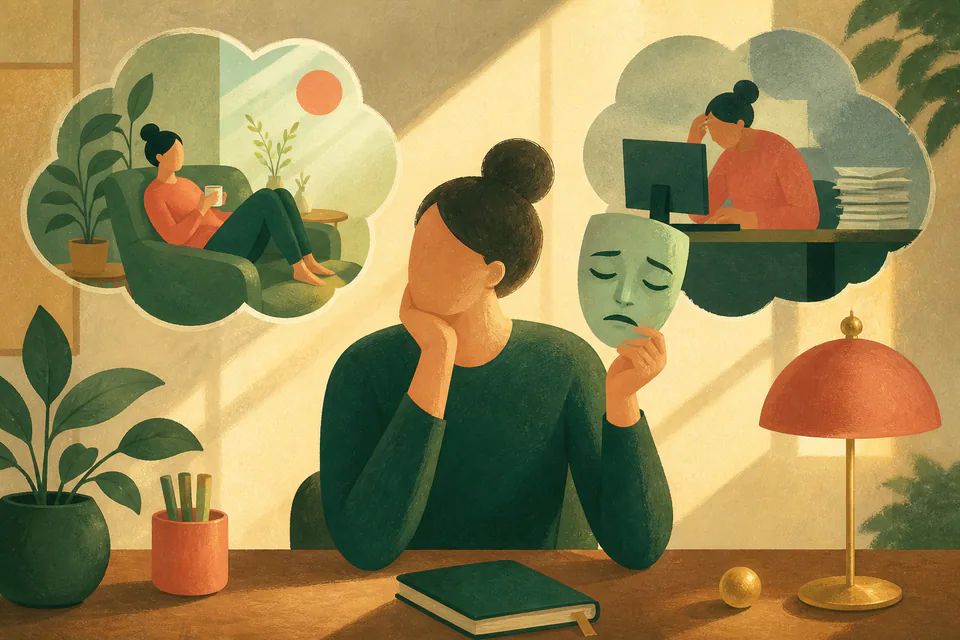
You are not sick—you just cannot face work today. Do you call in sick?
Your employer offers sick leave but no personal days. You are not physically ill, yet you feel exhausted and know a day away would help. Saying you are sick is the only way to take paid time off without explanation.
Do unjust workplace rules change the duty to be truthful?