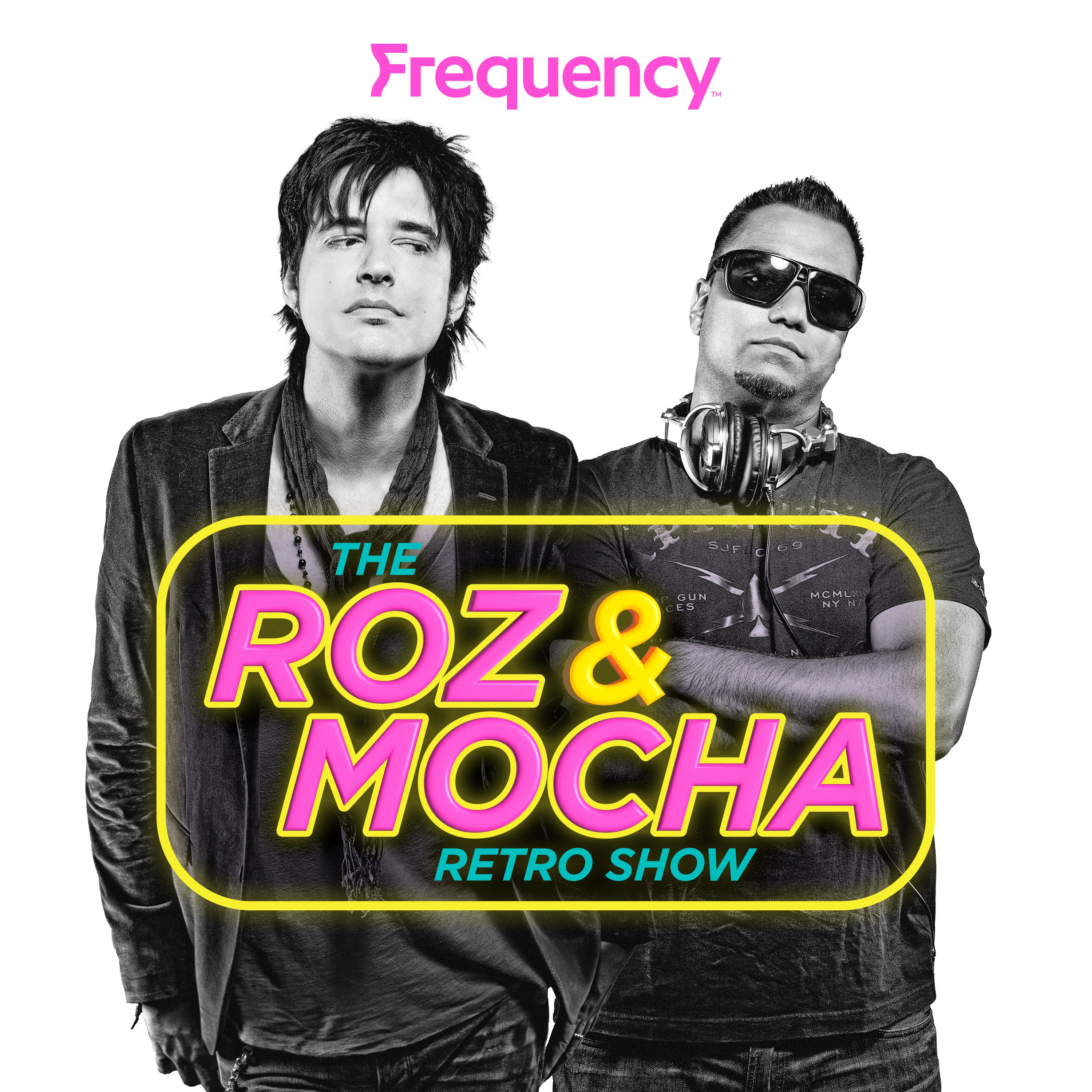
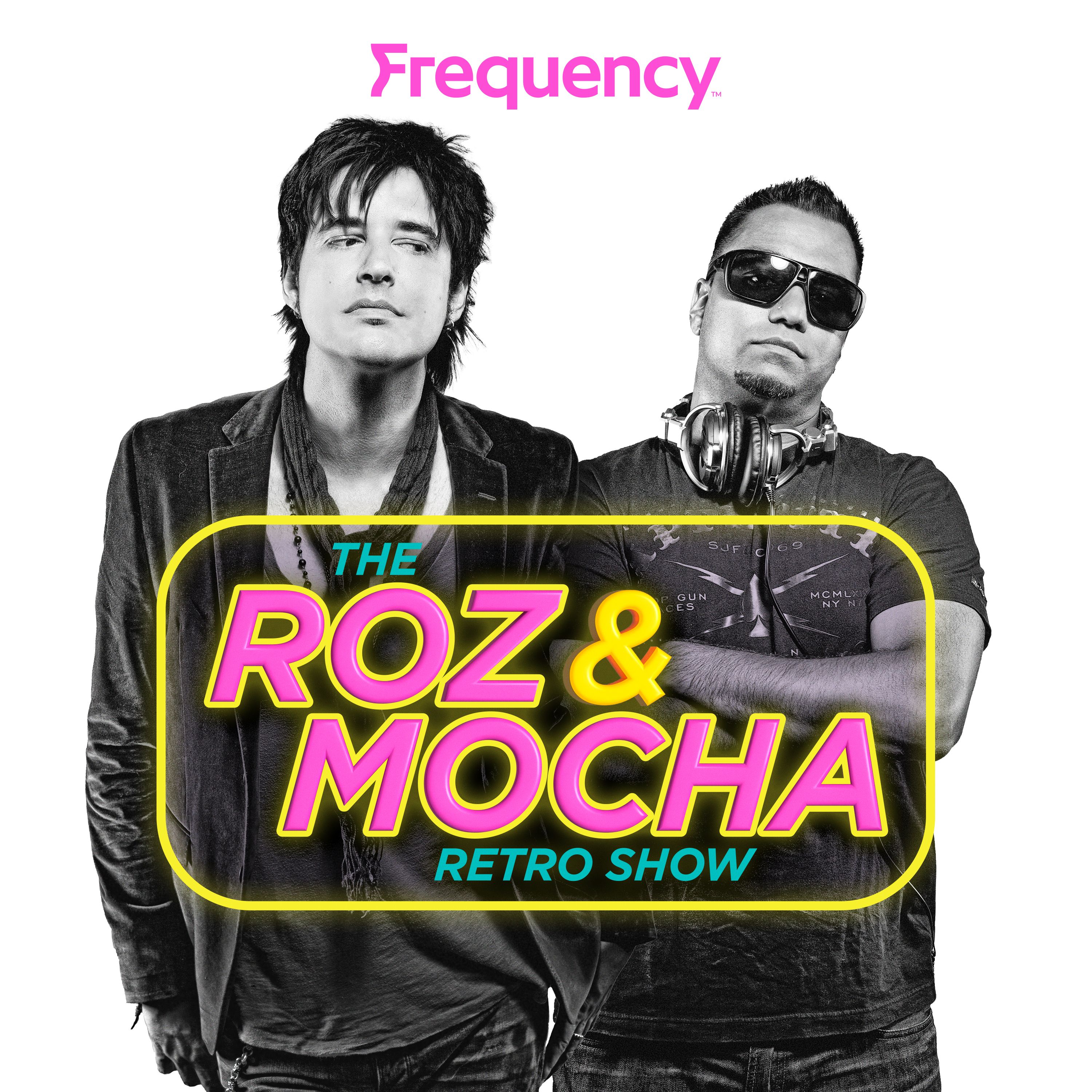
1691 - Roz & Mocha Retro Show - Wrong Numbers, Good Looks & Dating Advice
14 min
Listen through the publisher, then discuss the episode here or arrange an in-person Roundtable. Your city determines where to meet.
Roundtables are designed for groups of four, with a shared subject and room for everyone to speak. Come for discussion, with no dating expectation.
Today on the Roz and Mocha Retro Show, we're celebrating some classic calls from the flaming Romos! We rewind to 2013 when a guy accidentally called the wrong number looking for lottery numbers, hear from a caller who says he can totally relate to Roz’s good looks, and revisit a 2014 call where someone turned to the crew for dating advice. Some of the funniest and most unforgettable moments from the archives are back on the Retro Show! Hosted by Simplecast, an AdsWizz company.
Episode information is provided by the publisher. Listening takes place on the publisher’s service.
Your free behavior course: https://nci.university/learn Uploaded 10-05-25 Exclusive NCI-4 (Grad School) Vault Release This is Behavioral Magnetics—the hidden force that draws you back to chaos, to patterns you swore you’d outgrow, to people who echo your oldest pain. It’s why peace feels boring. Why CALM makes you anxious. It’s not intuition—it’s your nervous system recycling what it knows. In this Grad School lecture, we uncover the 4 emotional magnets that shape who you trust, chase, or sabotage... even when it hurts. If you've ever said, “Why do I keep doing this?”—this is your answer. Why you're attracted to the wrong people The 4 types of emotional magnets How trauma rewires your compass Why peace can feel like withdrawal How to break free from recycled patterns Please note that the content provided in this broadcast is for informational and educational purposes only and should not be construed as legal, medical, financial, or professional advice. No material in this communication
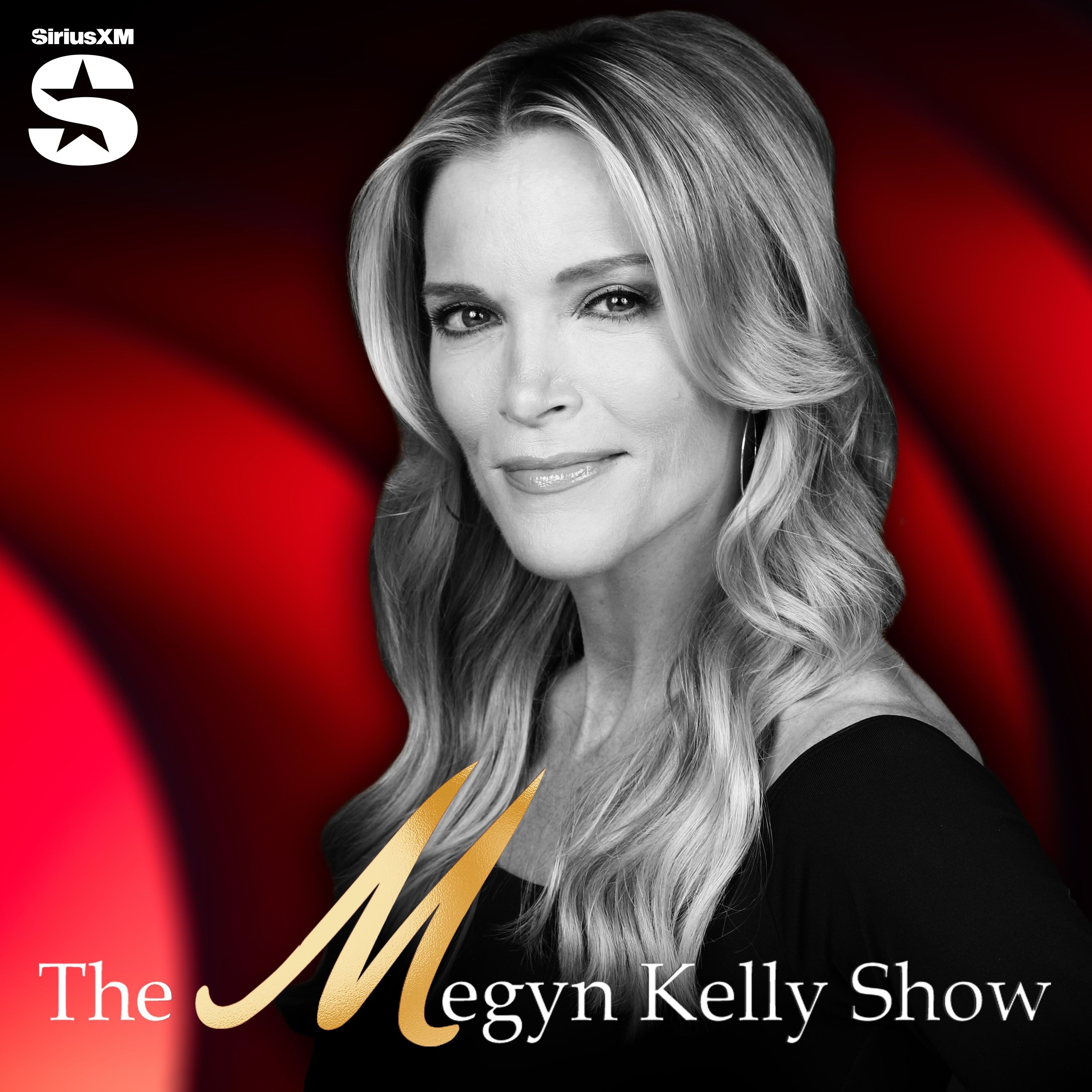
Megyn Kelly looks back at her past interviews in the archives on AI, including a Nick Bostrom interview from more than 5 years ago, a deep dive with Tristan Harris, and a fascinating conversation with AI whistleblower Jacob Coxon. Follow The Megyn Kelly Show on all social platforms: YouTube: https://www.youtube.com/MegynKelly Twitter: http://Twitter.com/MegynKellyShow (http://twitter.com/MegynKellyShow) Instagram: http://Instagram.com/MegynKellyShow (http://instagram.com/MegynKellyShow) Facebook: http://Facebook.com/MegynKellyShow (http://facebook.com/MegynKellyShow) Find out more information at: Hosted by Simplecast, an AdsWizz company.
In this conversation I’m speaking to Rebecca Olive. Rebecca is a feminist cultural studies researcher whose work explores how everyday sport and leisure are shaped by cultural politics, relationships between humans and non-humans, environmental wellbeing, and social media. My understanding of her research is she looks very closely at why people do things that make up a culture, and the meaning of everyday practices in people’s lives. We chatted about why people are drawn to the ocean in the first place and what keeps us coming back. How swimming and surfing becomes more than recreation, and into an emotional relationship that shapes how we understand risk, shark risk, and our place in it. She also discusses how storytelling, social media and drone footage may influence our perception of danger and coexistence. Apologies, I’m a Bit under the weather in this one and in the opening couple of minutes, probably would have been a good idea to have the microphone turned on. Recorded at 3pm on
"Curing cancer," explained. We’re not looking for a “cure for cancer” anymore. Cancer is hundreds of diseases, so we’re really in a multi front fight against all of them. Cancer is a problem for us today in a way it wasn’t for previous generations. But, luckily, we also have more and more ways to fight back. I started this episode with endless questions: What is cancer? What causes it? How do we treat cancer? What are the symptoms? Why are some cancers easier to treat than others? Why is cancer so hard to cure? Why do so many people die of cancer? What I found is an incredible, complex, inspiring effort to treat and stop an insidious killer. In this video, we dive deep into how we treat cancer today. But I also found that we may not be helping the greatest number of people we can. In this episode of Huge If True, I want to make the case that while we have made enormous strides in the fight against cancer we have also largely ignored one of the single best ways to save the most lives. I
Imagine if every big change in our lives came with a whole community stepping up beside us… In this episode, I sit down with Dr Arne Rubinstein, former GP and emergency doctor, founder of the Rites of Passage Institute, and a man who's spent more than 30 years walking young people across the threshold into adulthood. Arne's work began around a fire at his very first men's gathering, listening to a hundred men wrestle with the same handful of wounds. Then in the Emergency Dpt, he kept meeting teenagers who'd pushed it one step too far... kids trying to become adults with nobody there to hold them. He came to believe every young person will go through a rite of passage either way. The question is whether we leave them to create their own, or gather around and help. We talk about why our culture is so good at turning away from the big moments - from first periods to menopause to death - and what opens up when we turn towards them. We explore: Separation, transformation and integration, an
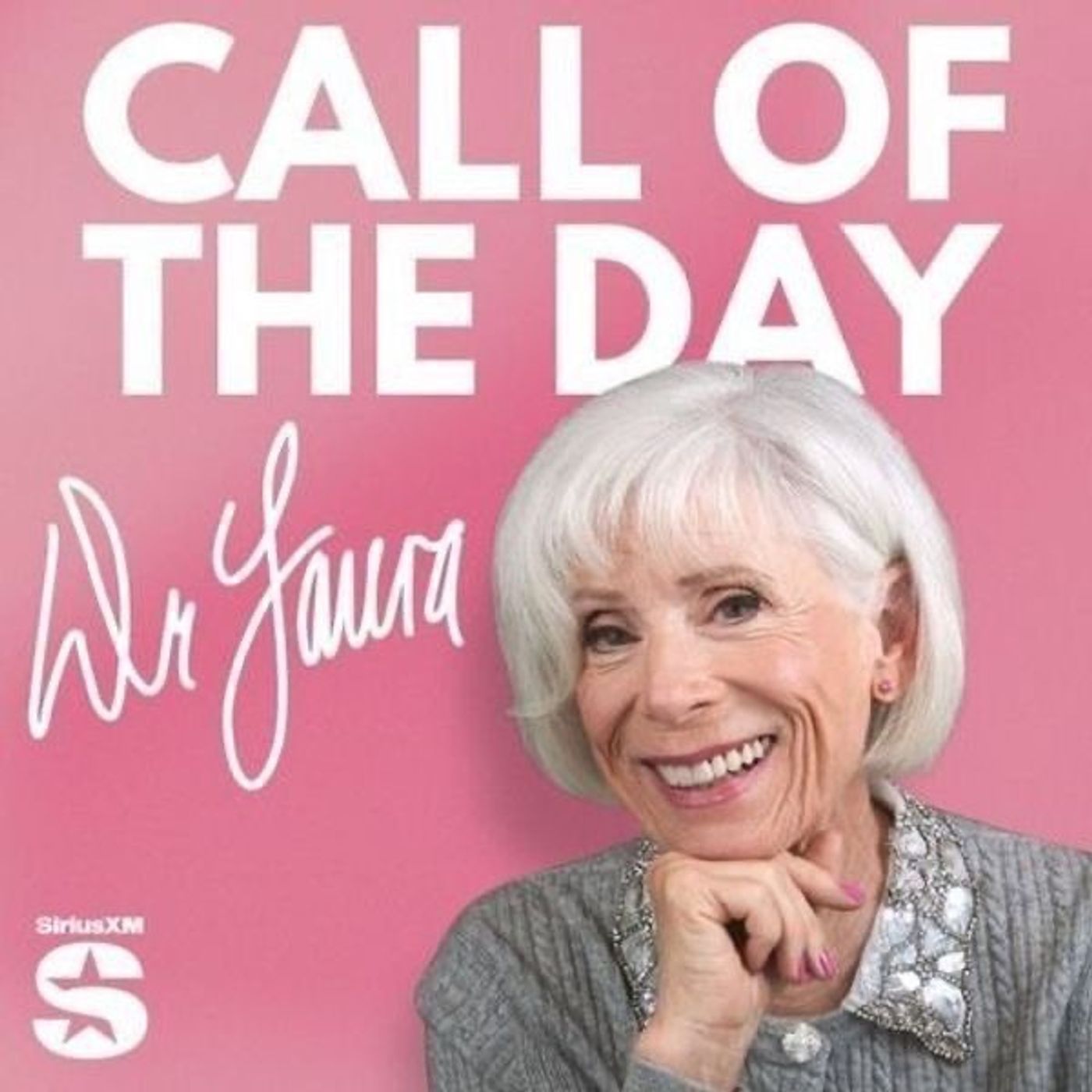
Amy is seeking guidance on how to approach her daughter and son-in-law, who appear to have become increasingly isolated since the birth of their child. Got a dilemma? Follow on social media: Facebook.com/DrLaura (http://facebook.com/DrLaura) YouTube.com/DrLaura (http://youtube.com/DrLaura) Join the Dr. Laura Family!! >> Receive my weekly newsletter, perks, and more! Sign up now, it's FREE > DrLaura.com (https://www.drlaura.com/) Hosted by Simplecast, an AdsWizz company.
As the first snowfall of the season approaches, we look back at some unforgettable snow moments from the show. From Maurie dressing up as President Snow to promote a new Hunger Games movie, to the gang firing off snow jokes for a caller, and the time Maurie convinced Mocha to make snow angels, it's a frosty trip down memory lane filled with laughs and classic throwback moments. Hosted by Simplecast, an AdsWizz company.
This week on FML, one listener is looking for ways to help his wife manage the exhaustion of raising a 6.5-month-old "velcro baby" who won't sleep unless he's being held, another is searching for baby name ideas after family members criticized their daughter's name, and someone else is struggling to move on after the end of a relationship they just can't seem to get over. The R&M family weighs in with advice, perspective, and plenty of honest conversation. Hosted by Simplecast, an AdsWizz company.
We chat with an Alberta gamer who cleared his schedule and booked time off work for the launch of GTA 6. Plus, Roz is annoyed after his family completely ignores a video he shared in the group chat, the gang debates what they'd do if granted a genie wish, Mocha pitches bringing a Bowflex into the studio, and Dane Cook joins the show to talk about the family betrayal that became the subject of his new documentary. Hosted by Simplecast, an AdsWizz company.
People should be able to challenge automated decisions that affect their opportunities.
Share your view, then see how readers voted. No sign-in required. This poll is shared across stories.
Do you agree or disagree?
Common Quandary
A Common Quandary to discuss
Another conversation to explore, separate from this news story.
Your coworker's religious holiday means you work the unpopular shift again. Is that fair?
A workplace accommodates religious observances by asking other employees to cover unpopular shifts. One coworker objects that nonreligious commitments can be equally meaningful but receive less formal protection.
Does equal respect require treating every kind of commitment identically?