This new tech is changing how movies get made. So @mkbhd and I tested it out... Watch MKBHD's video: https://youtu.be/RM7SobH8ZO0 I’ve been obsessed with sci-fi movies since I was a kid. I love being transported to another world. But lately, I’ve been wondering: How do those worlds look so… REAL? The tech behind movies has exploded in complexity and realism, changing how stories come to life on screen. Luckily, at the same time, those tools are becoming more and more available to more people telling stories. It’s not just blockbusters like Avatar 2 or Avengers or Dune. It’s also smaller budget films like Everything Everywhere All at Once or even… YouTube creators? In this video, Marques Brownlee and I test out 3 movie-making tools that are changing how movies, shows, and maybe even YouTube videos (??) get made. We’re at ZeroSpace Studios in New York to show you how each of these crazy technologies work - and how you might be able to use them. Along the way, we hit big questions like: W
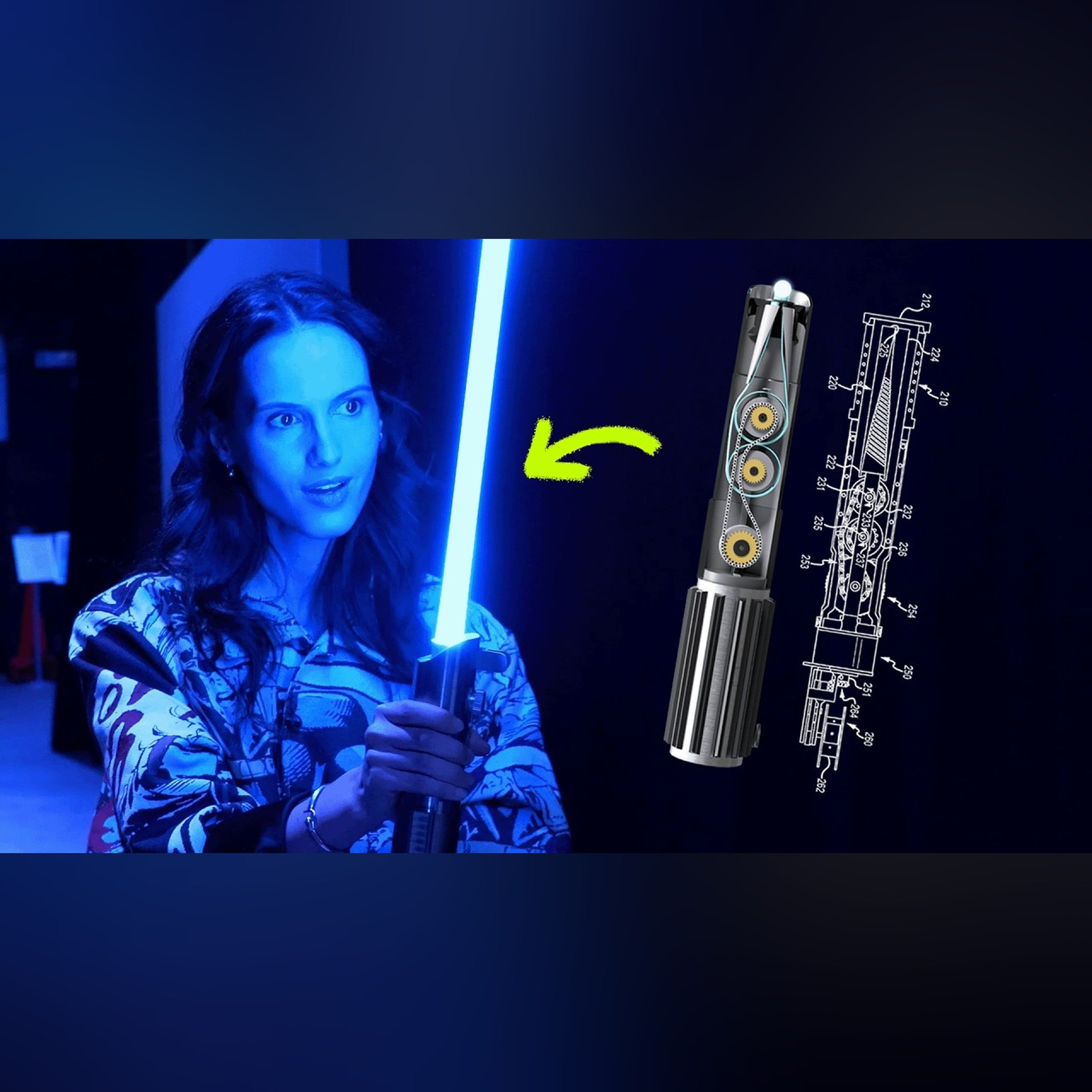
I tested Disney’s coolest new tech… Go to https://surfshark.com/cleo for 4 extra months of Surfshark Today I’ve been invited behind the scenes at Walt Disney Imagineering, the place where Disney brings their craziest ideas to life - from STUNT ROBOTS to a real life version of The Force, to adorable little droids! On this show Huge If True, we explore how tech can improve people’s lives - by living longer, going farther, doing more. But the reason I’ve loved Disney since I was a kid is they use tech to improve lives another way… by making people happy. And that means they end up pushing forward tech in some crazy, unexpected ways. So let me take you inside the magic, to show you the cutting edge tech they’re building… how it works… and what happens when we put it to the test! Chapters: 0:00 What is Disney building next? 1:11 What does Walt Disney Imagineering do? 1:52 What are Disney’s new droids really like? 2:47 How do Disney’s new droids work? 5:08 What’s the world’s most realistic l
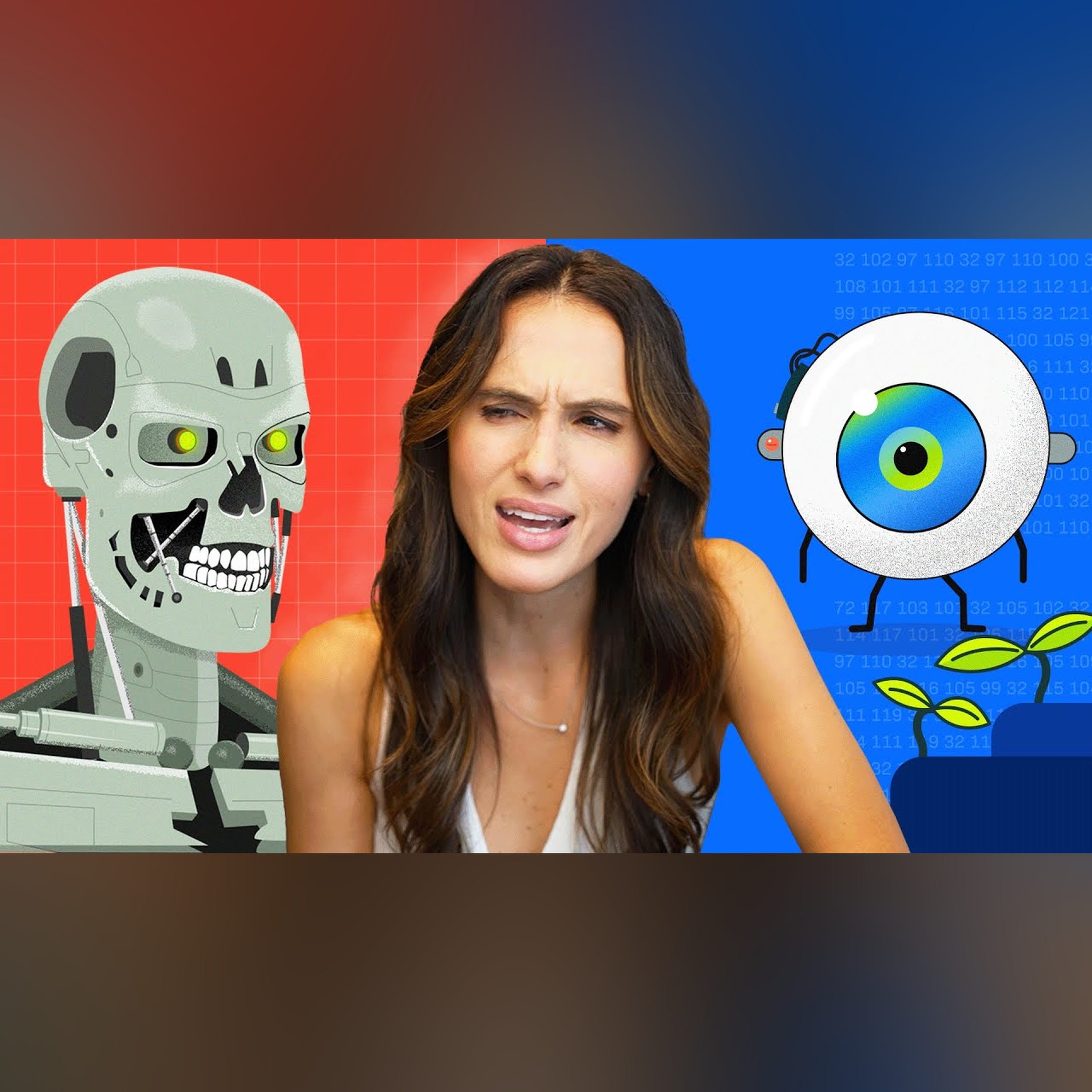
AI is here. Now what? Everyone’s talking about artificial intelligence and machine learning. There are lots of names thrown around - OpenAI’s ChatGPT and DALLE-2, Google’s Bard, Meta’s LLaMa 2, Midjourney, AlphaFold… Right now, we’re in this weird moment where lots of smart people agree we’re on the cusp of a truly world-changing technology. But some seem to be saying it's going to lead to human extinction while others are saying it’s “more profound than fire.” But it all feels so VAGUE. I want to know: How specifically would AI kill me? Or totally transform my life for the better? In this video, that’s what I’m going to try to learn. We dive into what the most extreme bad and good AI futures actually look like, so that you and I can get ready. And more importantly, so we can make sure that we get our real future RIGHT. Chapters: 00:00 Why is AI so confusing? 1:13 What is AI? 2:37 Why is everyone talking about AI now? 5:12 Why is AI dangerous? 6:22 How would AI kill me? 8:08 Should we
What NVIDIA is trying to build next… You're probably hearing a lot about AI, DeepSeek, NVIDIA and more right now. If you want the big picture (and to start from the beginning), watch this Huge Conversation with NVIDIA CEO Jensen Huang. In the last few years, NVIDIA has skyrocketed to become one of the world's most valuable companies. That's because, beginning in the 90s, they led a fundamental shift in how computers work, now unleashing the current explosion of what’s possible with technology. A huge amount of the most futuristic tech you’re hearing about - in AI, robotics, gaming, self-driving cars, breakthrough medical research - relies on new chips and software designed by him and his company. During the dozens of background interviews I did to prepare for this, what struck me most was how much Jensen Huang has already influenced all our lives over the last 30 years, and how many are saying it’s just the beginning of something even bigger… We all need to know what he’s building and
Are AI referees ruining sports? Or making them better? If you’re watching the 2023 US Open, you’re seeing automated referee calls. After years of controversy about human accuracy, tennis has used a system called Hawkeye to not only check human calls… but now to replace human referees. And this robot ref revolution isn’t just happening in tennis. It’s taking over the sports world. Soccer, basketball, baseball, they are all using machines to improve the calls being made on the field. The World Cup in particular has invested in these tools, from VAR (video assistant referee) to semi-automated offside and goal-line technology. The stakes are high. The difference between a right or wrong call can be a championship, or millions of dollars in prizes, endorsements, ticket sales. For the most part, fans like tech that makes calls more objective. HOWEVER… there is a big chunk of sports fans who would strongly disagree, who think that robot refs are ruining the game. Thing is, this tech isn’t goi
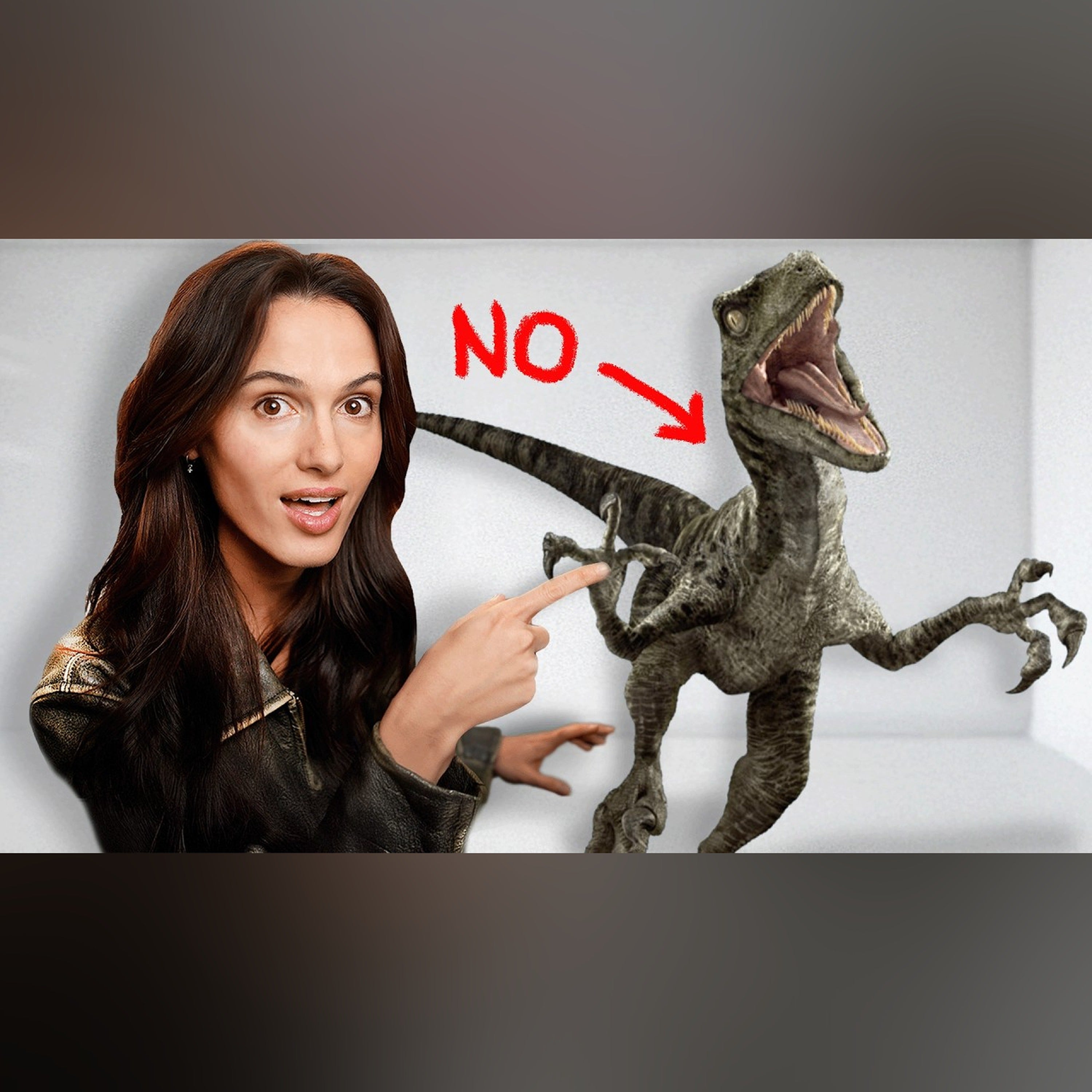
Dinosaurs were not like I thought... Check out https://groundnews.com/Cleo for a data-driven, balanced approach to staying informed. Use my link to save 50 percent on the Vantage plan and see how current events are framed from every perspective. I’m finally learning the truth about dinosaurs. I’ve loved dinosaurs since I was a kid, but it turns out a lot of what I thought I knew is wrong… or at the least outdated. So, in this video, I’m gonna show you the cutting edge of dinosaur discovery. I’ll give you rare access into a warehouse full of dinosaur bones, try to find my own fossil, and show you something new these scientists just discovered… Chapters: 00:00 What were dinosaurs really like? 01:08 Why is today a big deal for dinosaur discovery? 03:31 How big were dinosaurs, really? 05:49 When did dinosaurs actually live? 08:20 How many dinosaurs have we found? 09:26 What was the T-Rex like? 10:39 Did I find a bone?? 11:55 What IS a dinosaur? 14:31 What did dinosaur skin feel like? 15:06
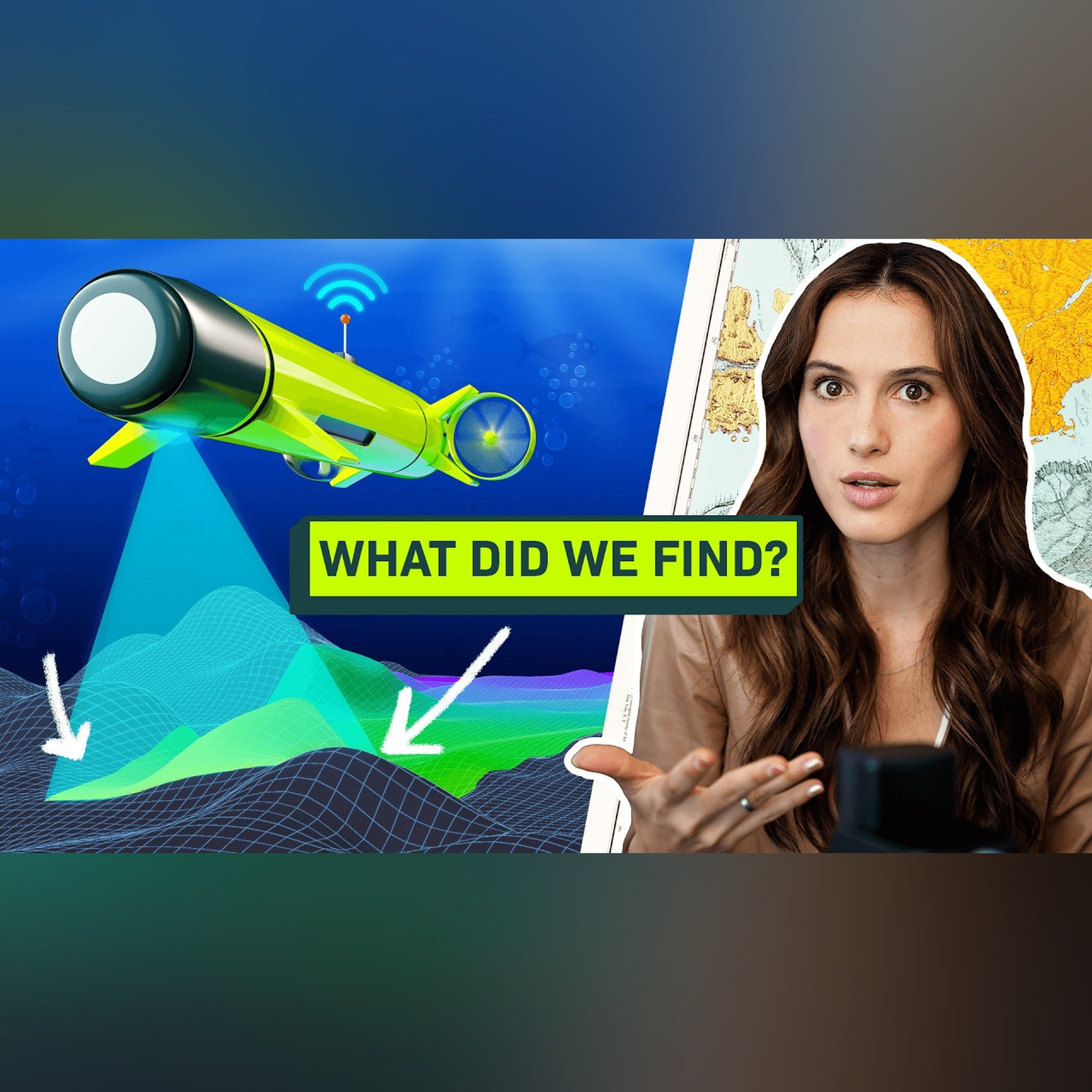
Why deep sea maps are SO BAD (and how to fix it)... Our maps of the ocean are surprisingly bad! On Google Maps it looks like we know so much… but we know less about the ocean floor than we do the surface of Mars. And that’s a big problem, because we are using the ocean all the time: We’re laying internet cables across it, we fight wars in it, we search it during a crisis - like the imploded OceanGate Titan submersible or the missing Malaysia Airlines Flight 370. 71% of the surface of the Earth is water! And yet we have a surprisingly limited view of what’s below it. But that’s also understandable. Because cartographically speaking, water sucks. For Mars or Earth’s surface, we can take pictures. But light doesn’t get to the ocean floor, so we need other ways to see it. The good news is, we’re developing that tech right now, and an international group called Seabed 2030 is working to piece together a better map. There is a terrifying, incredible, alien world on our own planet, and we’re
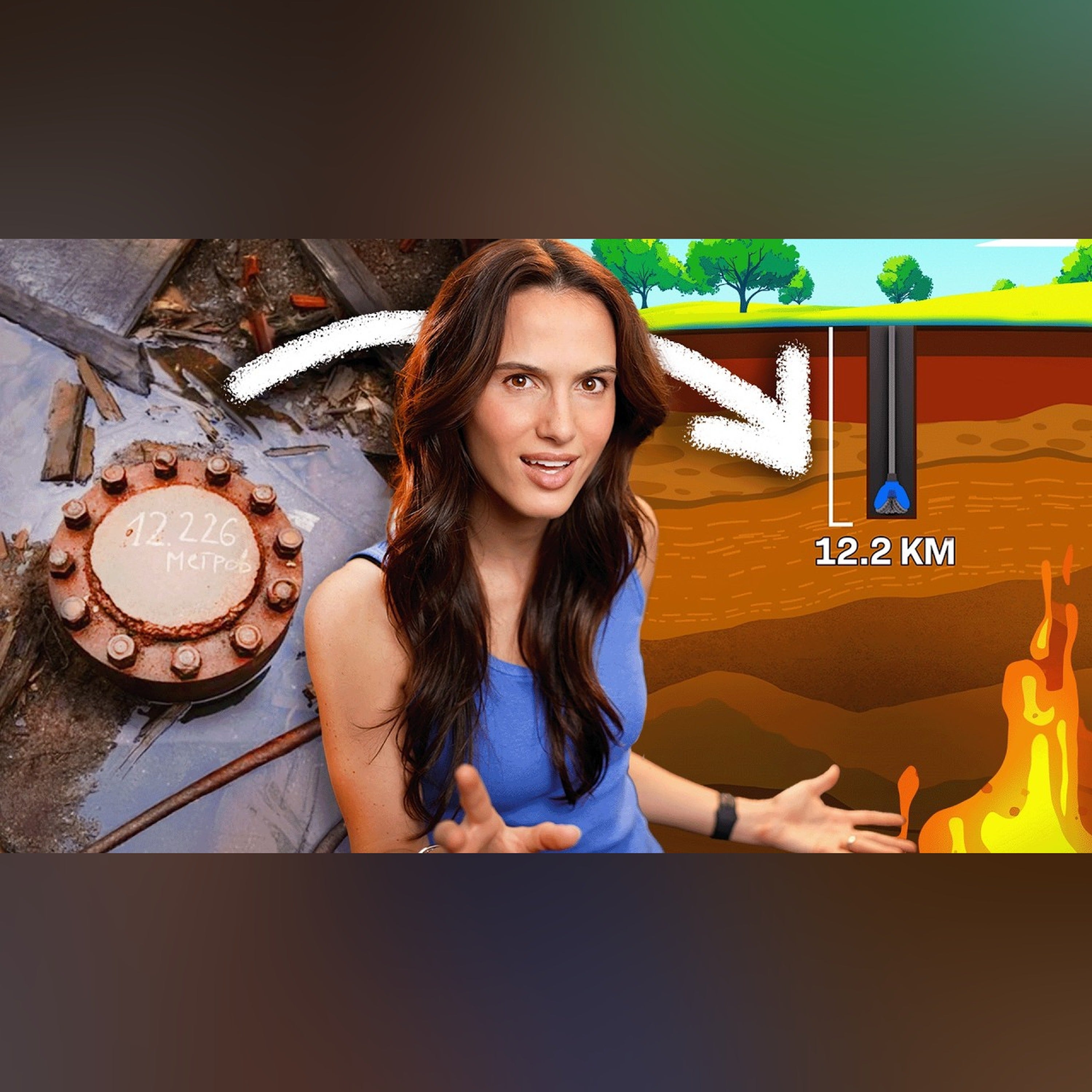
What's really down in the deep Earth? Have you ever thought, “what if I just dug a really really deep hole?” Well, the USSR actually did. The hole they dug is deeper than the deepest part of the ocean. It’s deeper than Mt. Everest is tall! They began digging it in the 1970s as part of a space race, but down. The United States only got to 600 ft before pulling funding. But the USSR kept going for 20 years. They made it about a third of the way through the Earth’s crust and then STOPPED. But what if… you just… kept... digging? If you dug a hole to the center of the Earth, what would you find? What would happen to you? And what does our newest tech tell us is REALLY down below your feet? In this video, we’re going on a journey to the center of the Earth… Chapters: 0:00 What if you dug a hole to Earth’s core? 1:05 What happens when I start digging? 1:36 What are the deepest made-made things? 2:25 What is the deepest hole humans ever dug? 3:03 What happens in the mantle? 3:45 Why is the Ear
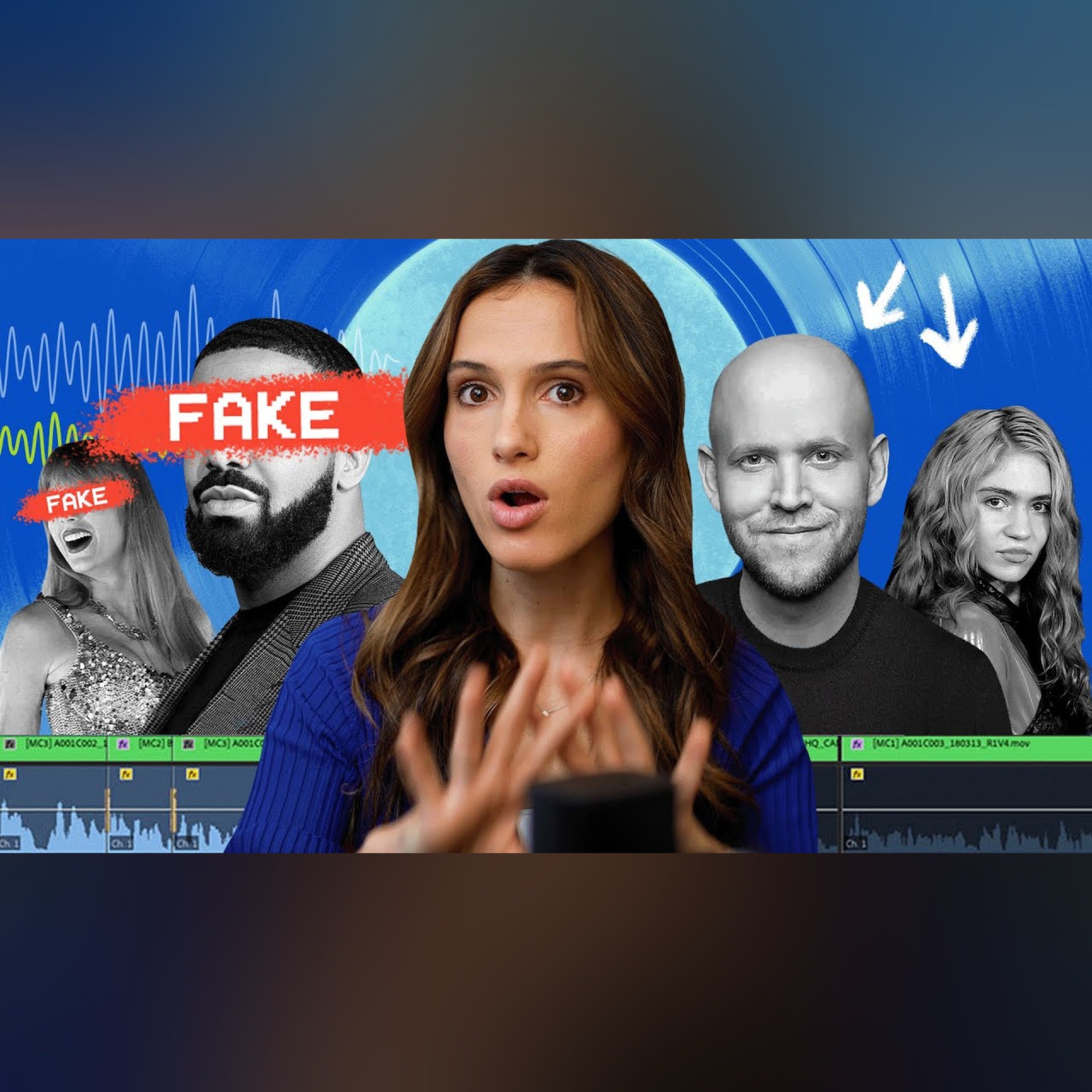
When should artists get paid in a world with AI music? Artificial intelligence is changing how music gets made - and how musicians get paid. AI is letting people clone artists’ voices, create completely new songs as fake collaborations, generate lyrics in seconds, even produce full tracks just by typing in a few words. It’s all causing some to say AI will be “the death of music.” Technology causes turning points in history. And I think we’re in one right now for music. The stakes are high: If we get this wrong, we could jeopardize how human musicians make money and art. But if we get it right, we have an opportunity to leap ahead in how we as humans get to express ourselves. To really understand what’s happening with AI music, you need to understand how the music industry ALREADY works - and how it could be changing. In this video, I took a deep dive into that topic with the help of two people right in the thick of it: The artist Grimes and CEO of Spotify Daniel Ek. Chapters: 00:00 Wha
If an asteroid is coming for Earth… what would we really do? Have a coffee with me! Try Cometeer with code CLEO for $20 off your Discovery Box on http://cometeer.com/cleo Imagine, it’s 2034, and a rock the size of a mountain, far off in our solar system is on a direct impact course for Earth. How would we know? And what would we actually DO about it? In this video, we play out a fictional asteroid headed for Earth – with help from my friend and former NASA engineer Mark Rober and rare access into a remote facility where they discover NEW asteroids – to show you all the real science and tech we would use to defend our planet if an asteroid is about to hit Earth! [SPOILER] Our rock was published in the Minor Planet Electronic Circular (MPEC) here! MPEC 2025-K125 : 2025 KS6 Chapters: 00:00 Did an asteroid hit Earth? 01:00 What happens if an asteroid is headed towards Earth? 01:52 Is that Mark Rober? 03:26 How big was the asteroid that killed the dinosaurs? 04:30 What happens when an aster
Thank you, Vox, for the best job I ever had. Here’s what’s next. Be featured in an episode - upload questions for me to answer! https://www.dropbox.com/request/Edocsb2kErpueQ7F9T1Q I tell different stories in different places: You can find me on TikTok here for short, fun explainers: https://www.tiktok.com/@cleoabram You can find me on Instagram here for more personal stories: https://www.instagram.com/cleoabram You can find me on Twitter here for thoughts and curated news: https://twitter.com/cleoabram Credits: (After the trailer, these will be at the end of each episode.) Produced and edited by: Cleo Abram Animated by: Whitney Theis Bio: Cleo Abram is an Emmy-nominated video producer and journalist. Cleo produces detailed explainer stories about technology and economics. She wrote the Coding and Diamonds episodes of Vox’s Netflix show, Explained, was the host and a senior producer of Vox’s first ever daily show, Answered, as well as a host and producer of Vox’s YouTube Originals show
This machine found something scientists thought was impossible… If you want to talk to Mico, go to this link: https://bit.ly/CleoAbram-Copilot In the middle of the desert, miles from any city, are two HUGE concrete tubes. They’re part of a giant machine running the most precise experiment humans have ever built… Each tube is 4 kilometers long, and inside there’s a big metal pipe. And at the end of each pipe, scientists place some of the smoooooothest mirrors ever made. And then they fire a powerful laser that gets split down each tube, bouncing it back and forth… building up more and more power… until… they bring those beams back together… to discover something that just 100 years ago scientists thought was impossible to find! Finding it took hundreds of scientists and over a billion dollars. But what did we find?? And what’s the cutting edge we’re finding NOW that makes those scientists want to build… AN EVEN BIGGER ONE? Let me show you… Chapters 00:00 What's the most precise experime
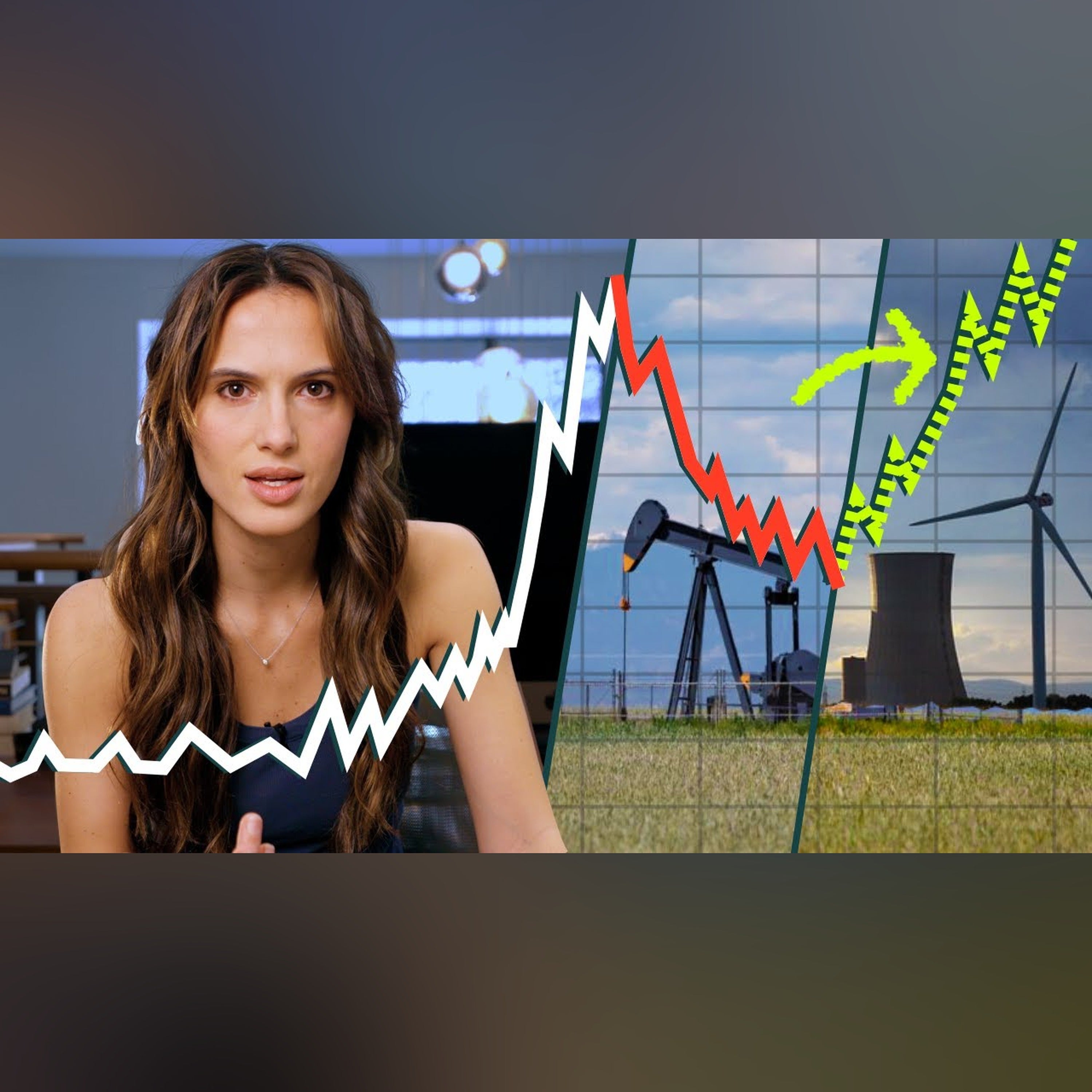
... Not the story I was expecting. Fracking made it possible to get and burn much, much more oil and natural gas. To do it, companies drill into rock deep beneath the Earth's surface and pump in fluid at high enough pressure to crack that rock open, allowing the trapped oil and gas to escape into their pipes. But the fossil fuels they released have directly contributed to climate change, and we're all now paying the price. But here's the hopeful twist: It turns out that this technology - the same one perfected to squeeze every drop of dirty fossil fuels out of the earth - might be the key to unlocking an even bigger source of energy. One that's actually... clean. This video explains how fracking is now being used in geothermal to get more clean energy out of the ground, in the hope of moving away from fossil fuels. Along the way, we'll meet Professor Mukul Sharma, aka the "Frack King," and longtime energy reporter David Roberts. Oh, and my parents (thanks, Mom and Dad!). Chapters: 00:0
This is the craziest Olympic sport by far. Trust me. This episode is #sponsored by @NBCSports @YouTube #WinterOlympics Every four years, people lose their minds over one Olympic sport. They make fun of it! But the more I learned about it, the more obsessed I got… and I realized that all these people making fun? They’re getting this totally wrong. This is the coolest Olympic sport by far. The sport I’m talking about is… CURLING. From stones so unique they all have to come from one tiny island, to a tech doping scandal nobody wants to talk about. It’s a game with strategy so complicated it’s called “chess on ice”. And a physics mystery that’s gone unsolved for over a century that could one day help us design robots for space. And that’s just the start… Trust me, you don’t know enough about Curling…YET. So I’m going to take you onto the ice at the Olympic Trials… to show you what everyone’s missing and why Curling is the Olympic sport you should be watching. Chapters 00:00 What's the most
So, uh... does it work? Metformin is an old, cheap drug used to help control blood sugar in people with diabetes. Now, it’s back in the news because some people - particularly wealthy people - are using it for possible anti-aging effects. That’s right. One of the most popular ways rich people are trying to live longer isn’t some million dollar cryo-something experiment, but a pill that costs pennies that's already on the market. So, the big question is: Does it work? To find out, I interviewed the lead researcher on the biggest study of metformin for anti-aging, Dr. Nir Barzilai. The answer he gives me? Well, it’s complicated. Note: I do not take metformin, nor am I advocating anyone else should. Please don't get medical advice from a youtube video! The purpose of this video is to explain the research that exists, explore what it tells us about aging in general, and discuss the effort Dr. Barzilai is leading to learn more. 00:00 What is metformin? 00:53 What is aging? 01:46 Can we slow
The deeper you go, the weirder it gets... Visit http://mercury.com (http://mercury.com/) to join over 200 thousand entrepreneurs who love Mercury. Gigantic, monstrous, beautiful creatures thrive in the cold dark depths of our oceans. Until now though, most of our discoveries have just required decades of work for the chance to just get… lucky. Now, there’s a NEW WAY to discover the animals hidden in the deepest oceans. And all you need is a drop of water… In this video, come with us as we dive into our deepest oceans. Together we’ll see what’s hiding there, explore how we discover new animals today, and reveal the shocking new tech that is unlocking a new age in deep ocean discovery. Huge if true! Mercury Note: Mercury is a financial technology company, not an FDIC-insured bank. Banking services provided through Choice Financial Group and Column N.A., Members FDIC. Chapters 00:00 What did they find in the deep ocean? 03:16 What animals are hiding in the twilight zone? 05:29 How do we f
How can a JPEG cost money? The biggest question I hear about NFTs is: “Why can’t I just screenshot that?” Or, put another way, why does a digital image that can be copied have any value? The answer, it turns out, isn’t in an explainer about blockchain technology (you’re welcome). The answer to why NFTs have any value is hiding in the art market that came before them. Because NFTs are weird, but it turns out art is already even weirder. To really understand NFTs, we have to zoom out a bit, and talk about the incredibly strange way we value art to begin with. And that story starts not with crypto, but with a fight at an art auction in 1973… This video explains why a JPEG can cost money, and how expensive art led to NFTs. Along the way, I get help from two incredible experts: David Galperin, head of contemporary art for the Americas at Sotheby’s, and Alexis Ohanian, founder of Reddit and investor. David tells me about how the Scull Sale in 1973 exploded the art market forever, how Andy Wa
This wasn't in the book... Andy is one of the most popular science fiction writers alive today. He also wrote The Martian. What’s special about his work is how real his fake stories are. He showed me the secret spreadsheets he uses to calculate the science in his writing (including my favorite, “wrong math”). The reason that matters is that fiction can help you see the real world more clearly. Sci-fi is “huge if true”! This show is about real science and tech, but we’ve done a little sci fi to explain complex things. So I wanted to learn from Andy. In this conversation, we go deep inside Andy’s fictional worlds to see how exactly he makes them so real… And we play out a BRAND NEW sci fi story together in real time… Welcome to HUGE* Conversations. Chapters 00:00 Who is Andy Weir? 03:10: The world’s largest meteorite 06:04 Andy Weir’s secret spreadsheets 10:04 How Rocky became Rocky 13:02 Where Rocky’s story really began 15:07 What didn’t make it into the book for Project Hail Mary 17:22
Your internet isn't in space. It's in the ocean. But that might change, and here's why. Elon Musk tweeted that Starlink satellite internet service is now available in Ukraine. What does that really mean? Why is it important? And if it’s a big new thing that the internet is in space then… where was it before? In this video, I dive deep into how your internet gets to you right now, why Elon Musk wants to put it in space, and why it all matters. We’re in the middle of the Internet Space Race. It’s not just Elon with Starlink and SpaceX, it's also Jeff Bezos with Project Kuiper… oh and don’t forget Richard Branson with OneWeb. Why do all these billionaires want to put your internet in space? So much so that they’re willing to put millions of dollars on the line, weather geomagnetic storms, and launch thousands of satellites into orbit, all in an attempt to change the way millions of people get their (your!) internet. But this is more than just a fight between billionaires. It’s a fight for
He solved “the most important unsolved problem in science”… If you need more optimistic science and tech stories, subscribe to support HUGE*! Demis Hassabis is a Nobel Prize winner and CEO of Google DeepMind. He is one of the most important people alive on what is quickly becoming the biggest technological advance of our lifetime. Because the biggest way AI is going to impact your life, you can’t see. It’s not a chatbot or an image generator. It’s the tools he and his team are building that are invisible to you – in new drug design, nuclear fusion, natural disasters detection, quantum computers. So who Demis is and what he chooses to build matters a lot. And he’s fascinating… He’s a childhood chess prodigy who at 17 turned down a reportedly million dollar job offer from a gaming company to go to college instead, and then get a PhD in neuroscience. He founded his company DeepMind with a mission to “solve intelligence” – starting with beating video games. He sold that company to Google s
… I’ve been thinking about energy use all wrong. As long as most of our energy still comes from fossil fuels, we’re in kind of a trap. Using less energy is our only real option to slow climate change. So most of us have heard only one message throughout our lives: “Conserve energy. Because terrible things will happen if we don’t.” That’s true. But I now think of it as “the stick” of climate communication - the way to get people to care about climate change based on fear and desperation. I think it’s time to talk about “the carrot” - the way to get people to work toward clean energy based on hope and audacious ambition. This video explains why, with help from my former colleague at Vox, Matt Yglesias. As renewable energy continues to get cheaper, as more and more clean energy technologies become more viable, we have an opportunity to look ahead toward a better future. What would you do with abundant clean energy? Chapters: 00:00 We’re thinking about energy wrong 01:17 The stick: climate
The first all electric Ferrari, the Ferrari Luce, isn't what you think... (feat. Apple legend Jony Ive and Ferrari Chief Designer Flavio Manzoni) For more optimistic science and tech stories, subscribe to HUGE*! You’re about to see the first ever all electric Ferrari. A car Ferrari said they’d never make, that will probably be the most controversial car they’ve ever made. Above all, it will definitely be a massive risk – new tech and new design that will impact all of us, whether or not we ever drive a Ferrari. I’m at a secret track in Italy to get a first look before it launches. And talk to the two people most responsible for it: Apple legend Jony Ive who showed me the crazy details inside this car. And Ferrari Chief Designer Flavio Manzoni who told me the real reason they made it, and why it matters – for Ferrari, electric cars, and you and me. Welcome to HUGE* Conversations. This HUGE* Conversation was recorded on April 29, 2026 in Balocco, Italy. Chapters: 00:00 What is the Ferrar
Artificial wombs are coming. That's a good thing. Artificial wombs are the stuff of science fiction, the scary kind. I think of The Matrix, when Neo wakes up in the real world, covered in goo. But in recent years, researchers have taken enormous leaps in helping embryos survive and grow outside a uterus. Artificial wombs are becoming more science, less fiction. Any conversation about this topic gets heated, fast. Some people HATE the idea of an artificial womb. They feel that this technology could be used in terrible ways, like to control how people have kids or breed babies. Or that pregnancy is an important, special connection that we can never replicate with technology. Or that it’s a useless distraction, because there’s way more important stuff we should be investing in right now to make life easier for parents (parental leave, affordable childcare) and in the US at least, we don’t. But others LOVE the idea. They feel that artificial wombs could help reduce the risks of pregnancy,
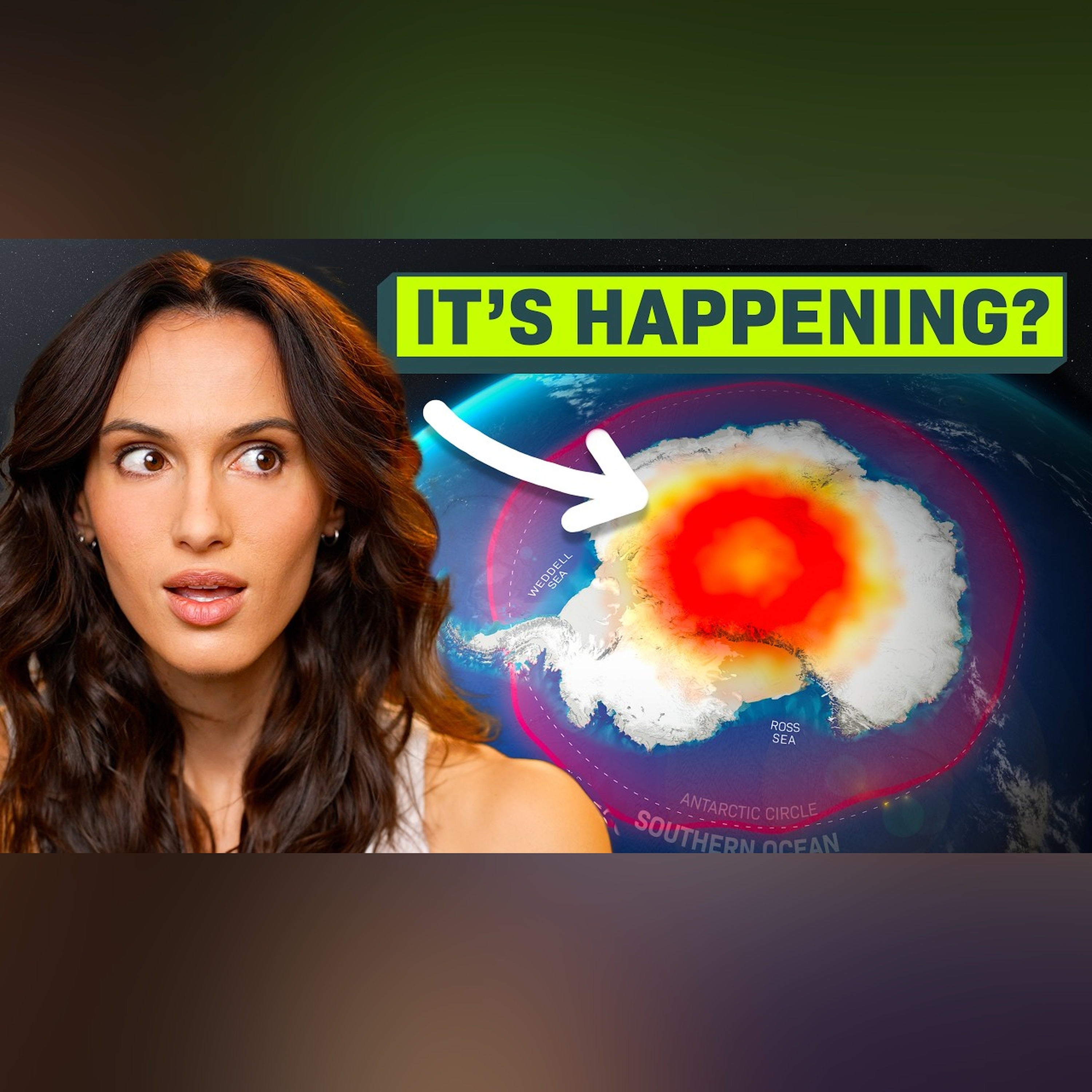
This is ANTARCTICA. And in 1985, it became the center of a global crisis… Directly over Antarctica, high up in the stratosphere was a massive hole. And if we hadn’t done anything about it, today, we’d be living in an alternate world. By now, a hole would be forming over the North Pole as well. By 2040, the “hole” would be over the entire planet. By 2065, skin cancer rates would be soaring. Kids wouldn’t play outside much anymore… But that’s NOT the world we’re living in! In fact, you’ve probably stopped hearing this story altogether. That wasn’t by accident. It was a choice. Two choices, both of which dramatically changed the course of human history for the better. So let me show you how that happened and what's about to happen next. Because it turns out, the little sliver at the bottom of the map is actually the center of everything/our whole planet. And you need to see this now, because scientists say we need to make the next big choice. Visit http://mercury.com (http://mercury.com/)