182. The Portfolio Diet: Lower Your Cholesterol (Through Food) For Better Heart
20 min
Listen through the publisher, then discuss the episode here or arrange an in-person Roundtable. Your city determines where to meet.
Roundtables are designed for groups of four, with a shared subject and room for everyone to speak. Come for discussion, with no dating expectation.
You've probably heard of keto, intermittent fasting, and the Mediterranean diet. But have you heard of the Portfolio Diet? This lesser-known, science-backed eating pattern was designed to lower LDL cholesterol and improve cardiovascular health. In this episode, Lisa Oldson, MD explores the Portfolio Diet and its five food components that work together to support heart health. She breaks down what the research actually tells us about lowering LDL cholesterol and ApoB, whether the Portfolio Diet can help with weight loss, and why improving your cardiovascular health is about so much more than the number on the scale. You don't need another rigid diet or a complicated set of food rules. Let's explore how a few practical food choices can help support your heart, metabolic health, and longevity. Because healthy eating isn't just about losing weight. It's about building a healthier body for the long haul. Thanks for listening! If you'd like more support during your SMART weight loss & health focused journey, sign up for our FREE newsletter, or check out our program at:www.SmartWeightLossCoaching.com (http://www.smartweightlosscoaching.com/). We would love to help you reach your happy weight, and transform the way you talk to yourself about your body and the number on the scale. Negative thoughts about yourself don't have to take up so much brain space, and we'd be honored to help you reframe those thoughts. Also, we’d be grateful if you'd follow us and share our podcast with your friends & family. We’re here to help you live longer, healthier, and lose weight the SMART way! This episode was produced by The Podcast Teacher: www.ThePodcastTeacher.com (https://www.thepodcastteacher.com/). The Smart Weight Loss Coaching Podcast is for informational purposes only and does not constitute medical advice. Always consult your physician or a qualified healthcare provider before starting, stopping, or changing any medication.
Episode information is provided by the publisher. Listening takes place on the publisher’s service.
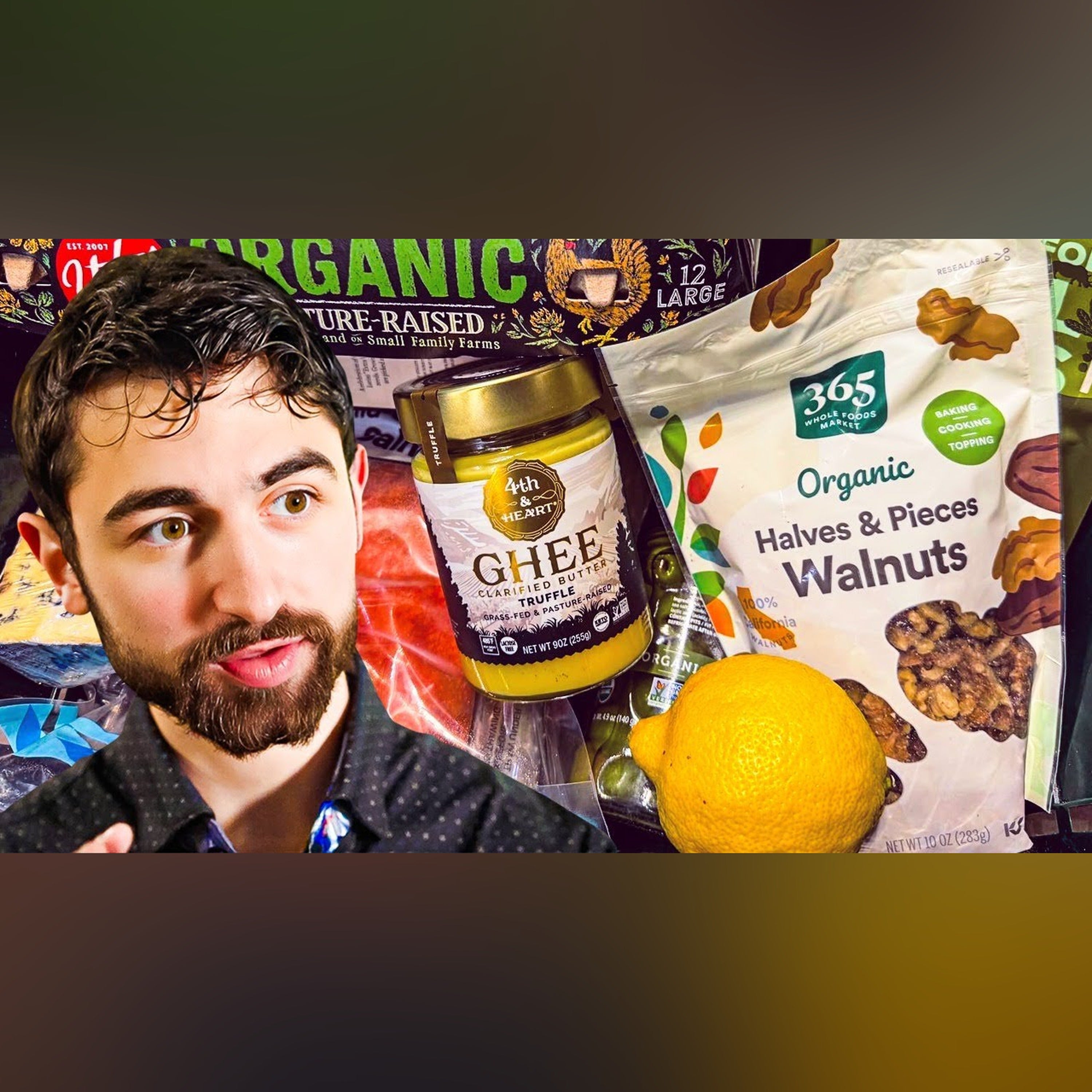
For all references and a written breakdown, references and brands recommendations, see the Newsletter: https://staycuriousmetabolism.substack.com/p/ketosis-casein-and-chocolate-what?r=40ekz2 CHAPTER *Call our service line at 815-STAY-CUR (815-782-9287) *Learn more about the data, here: https://staycuriousmetabolism.substack.com/p/life-or-death-in-the-fine-print-the?r=40ekz2 I’ve been asked countless times to make a What I Eat in a Day video — and I’ve finally cracked, like an egg. In this video, I break down what I eat and the science behind every choice. This isn’t a “follow my diet” video — it’s a framework for how to think about food. Whether you’re low-carb, keto, or simply curious about how to optimize your nutrition, this breakdown will give you practical insights into how to make science-backed food choices. For my full shopping list and preferred brands (no affiliations), check out the linked newsletter (above). Referenced Content: How to Cook Eggs: https://youtu.be/Dhmq6F5M8kc
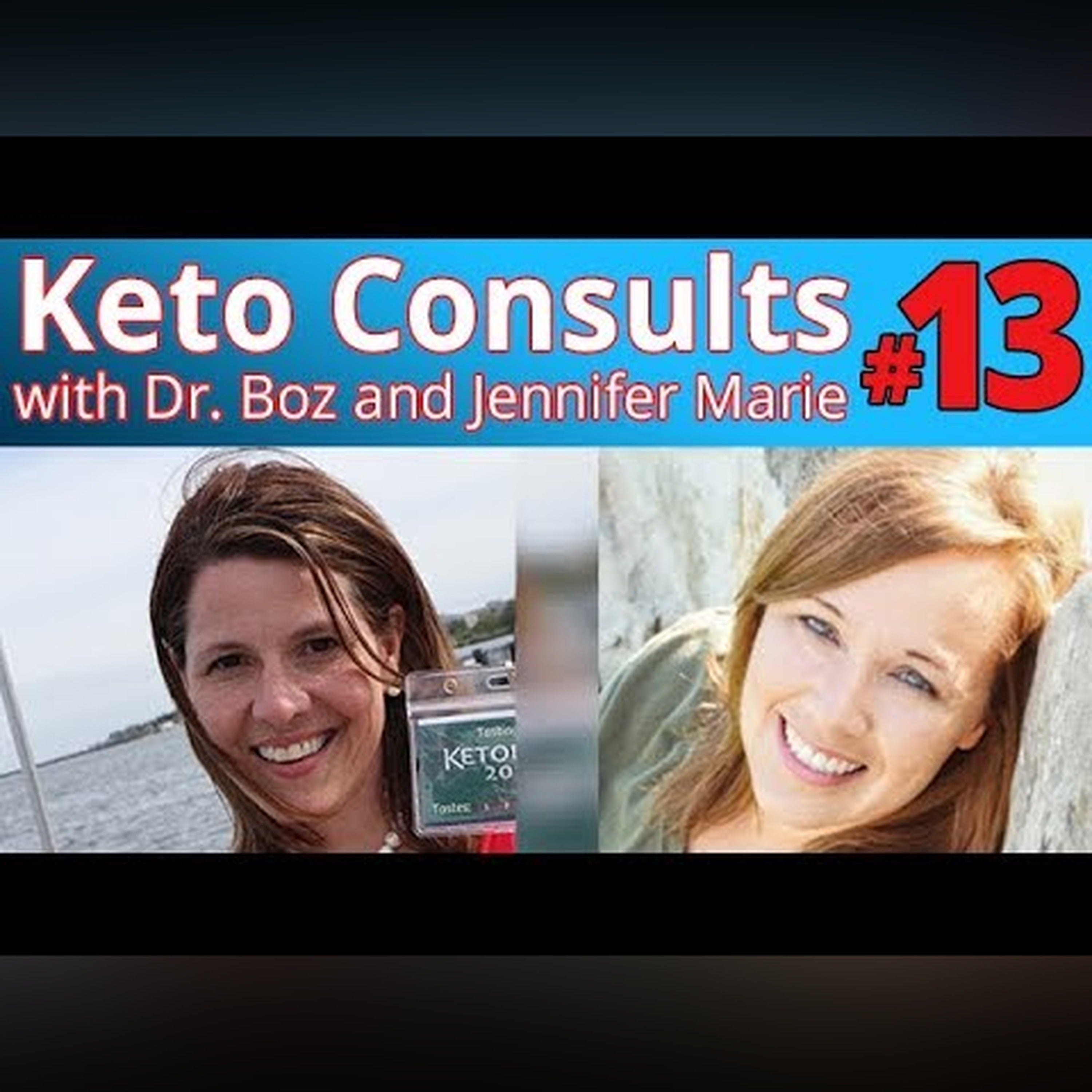
Keto Consult #13: This week Jennifer and I talk all about Food on Keto. We talk about Glucose Testing and how we can use Glucose Testing to biohack ourselves and figure out which Foods on Keto are good and which Foods on Keto are not so good. Amongst Food on Keto we get really into the Keto Diet and Cholesterol and debunk some of the common misunderstandings about Food on Keto and the Keto Diet and Cholesterol. Carbs on Keto, Glucose Testing, Keto Diet and Cholesterol, Food on Keto. We also discuss What is C Reactive Protein?, Why beginning the Keto Diet may make your Liver Enzymes High, Learning How to Fast, Igniting Autophagy and everything you need to know about the Dr. Boz Ratio! Thanks for tuning into my channel. Read more about this topic on my blog: https://bozmd.com/understanding-keto-food-pyramid/ BOOK-LINK - ANYWAY YOU CAN. AUDIBLE: https://adbl.co/2SLLfS1 PAPERBACK= (Affilate link) https://amzn.to/2JqglxS The two most common questions I get ... 1) "Doc, what BLOOD METER do y
If you're training hard but feeling wiped, eating a restricted diet for your gut, or just never hungry after a tough workout, you might not be getting the protein you need. This episode breaks down how much you really need and how to get it without upsetting your gut. YOU'LL TAKEAWAY: Macronutrients and calories 101, and how restrictive diets throw off your balance How your body digests protein, and why it matters before workouts The many roles of protein, from enzymes and iron storage to post-workout appetite How much protein you need, plus 3 easy low FODMAP ways to boost it — RESOURCES & LINKS MENTIONED: ⤵️ Want high touch coaching support for IBS & fuelling performance? Apply for coaching. (http://gutfitnutrition.com/apply) Free Training: How to Control IBS So You Can Fuel Your Training Without a Lifelong Low FODMAP Diet (https://gutfitnutrition.com/heal-ibs-training-live) Supporting your immune system when you're sick (Ep. 70) (https://open.spotify.com/episode/5bCto0jWLcbC5hQW4hrH6
Today, I’m honored to connect with Dr. Troy Badger. He is a board-certified cardiologist and interventionalist and the founder of Cardiostrong, a concierge preventive cardiology clinic in Provo, Utah, focused on reducing cardiovascular risk, optimizing metabolic health, and improving strength and cardiorespiratory fitness for executives and athletes. In today’s conversation, we discuss Dr. Badger’s gender- and age-specific approach to heart health, including treatment differences for men and women, and diagnoses such as INOCA, SCAD, vasospastic disease, and Takotsubo. We examine emotions and their influence on heart health, coronary ischemia and cardiomyopathies, labs and diagnostics, how Dr. Badger assesses risk in his patients, and the differences between a CAC and a CCTA. Dr. Badger also shares the labs he finds essential for all patients and discusses the role of VO2 Max, cardiovascular training, and lifestyle—specifically nutrition, the use of GLP-1 drugs, and a multidisciplinary
Is your body weight stable, but you're still not eating enough to properly fuel your training, recovery, and overall health? Introducing Why Stable Weight Doesn't Always Mean You're Eating Enough from Jeff Hoehn of the Mind Muscle Connection Podcast (https://www.buzzsprout.com/1508401). Just because your weight isn't changing doesn't necessarily mean you're adequately fueled. In this episode, Jeff breaks down why maintaining a stable body weight doesn't always mean you're meeting your body's energy needs, especially if you're training hard, staying lean, or spending long periods dieting. You'll learn: Why stable body weight doesn't automatically mean adequate energy availability Who is most at risk of underfueling, even when their weight isn't changing How high training output, staying too lean, and chronic dieting can contribute to low energy availability The potential signs of underfueling, including changes in performance, recovery, hormones, and menstrual health Why spending too lo
Today, Mel is doing something she's never done before on The Mel Robbins Podcast. She's bringing members of her team into the studio for live coaching with world-renowned communications expert Vinh Giang. Vinh is known for teaching millions of people online how to stop sounding insecure, speak more clearly, and get people to listen when you talk. And when you hear him coaching today, it will be like he’s coaching you. One person freezes when they're put on the spot. Another can't stop interrupting people. Someone else has great ideas but stays quiet because they're afraid of being judged. Does any of that sound familiar? And Vinh isn't just giving advice. He's coaching real people through practical exercises, right there in the studio, so you can hear the difference and start making those same changes in your own life. As Mel says, put yourself in their shoes. As Vinh works with each person, you'll recognize things you struggle with, too. You'll learn: -What to do when your mind goes b
Why does weight come back after you lose it? New research suggests fat cells may hold a “memory” of excess weight that keeps a hunger hormone called asprosin switched on, even after the weight is gone. In this episode, Dr. Lisa Oldson, board-certified weight loss medicine specialist, breaks down a new study from Case Western Reserve University and the Harrington Discovery Institute, published in Cell Reports. You’ll learn how asprosin signals hunger in the brain, what a chemical messenger called TGF-beta 1 has to do with weight regain, and why researchers say hunger can stay “stuck in the on position” after weight loss. The study was done in mice, so we also talk about what it means for people, including the issue of weight regain after stopping weight loss medication. If you’ve lost weight and watched it creep back, this episode will help you understand the biology behind it and why it isn’t a willpower problem. Thanks for listening! If you'd like more support during your SMART weight
Residents should help decide which activities are allowed in shared public spaces.
Share your view, then see how readers voted. No sign-in required. This poll is shared across stories.
Do you agree or disagree?
Common Quandary
A Common Quandary to discuss
Another conversation to explore, separate from this news story.
Your family connection could get your child into their dream school. Do you use it?
A university argues that considering family ties builds loyalty and encourages donations that fund scholarships. Critics say the preference preserves inherited advantage and takes places from stronger applicants.
Can benefits to the whole institution justify an unequal admissions advantage?