English-language podcasts

Everyday Wellness: Midlife Hormones, Menopause, and Science for Women 35+

Ep. 672 Heart Health Differences in Men and Women with Dr. Troy Badger | Heart Health, Menopause & Cardiovascular Risk, Preventive Cardiology

68 min

Listen through the publisher, then discuss the episode here or arrange an in-person Roundtable. Your city determines where to meet.

Roundtables are designed for groups of four, with a shared subject and room for everyone to speak. Come for discussion, with no dating expectation.

Today, I’m honored to connect with Dr. Troy Badger. He is a board-certified cardiologist and interventionalist and the founder of Cardiostrong, a concierge preventive cardiology clinic in Provo, Utah, focused on reducing cardiovascular risk, optimizing metabolic health, and improving strength and cardiorespiratory fitness for executives and athletes. In today’s conversation, we discuss Dr. Badger’s gender- and age-specific approach to heart health, including treatment differences for men and women, and diagnoses such as INOCA, SCAD, vasospastic disease, and Takotsubo. We examine emotions and their influence on heart health, coronary ischemia and cardiomyopathies, labs and diagnostics, how Dr. Badger assesses risk in his patients, and the differences between a CAC and a CCTA. Dr. Badger also shares the labs he finds essential for all patients and discusses the role of VO2 Max, cardiovascular training, and lifestyle—specifically nutrition, the use of GLP-1 drugs, and a multidisciplinary approach to heart health and prevention. This episode is the first in a series of conversations with Dr. Badger. I suggest following him on social media for his excellent content. IN THIS EPISODE, YOU WILL LEARN: How, even though atherosclerotic heart disease is delayed in women, they can catch up with men in their 50s and 60s What can trigger SCAD, and how it is usually treated How emotional stress can contribute to cardiovascular events How Dr. Badger approaches heart-risk evaluation in perimenopausal and menopausal women How CAC differs from CCTA Dr. Badger’s preferred labs for assessing risk factors in middle-aged women What VO2 max reveals about cardiorespiratory fitness The core principles of a heart-healthy diet Dr. Badger shares his perspective on short-term GLP-1 use versus long-term use Bio. Dr. Troy Badger is a triple board-certified cardiologist and founder of Cardiostrong MD, bringing more than 15 years of clinical experience spanning interventional cardiology, preventive cardiology, internal medicine, obesity medicine, and cardiometabolic health. A former collegiate athlete with an extensive background in performance training, Dr. Badger combines evidence-based cardiovascular medicine with a proactive, preventive approach designed to reduce cardiac and chronic disease risk, optimize healthspan, and extend longevity. His philosophy centers on identifying risk before disease develops—empowering patients with advanced diagnostics, personalized treatment strategies, and precision medicine tools to help them take control of their long-term health and performance. Connect with Cynthia Thurlow Cynthia’swebsite (https://cynthiathurlow.com/). Submit your questions to [email protected] The Midlife Pause Supplement Line (https://themidlifepause.com/) Connect with Dr. Troy Badger Cardiostrong MD (https://www.cardiostrongmd.com/) OnInstagram (https://www.instagram.com/cardiostrong_md/)

Episode information is provided by the publisher. Listening takes place on the publisher’s service.

Listen at the source ↗

Featured places to meet in Palo Alto, CA

Explore these places and arrange a conversation through ThinkMatch.

City guide for Palo Alto, CA

More from Everyday Wellness: Midlife Hormones, Menopause, and Science for Women 35+

Everyday Wellness: Midlife Hormones, Menopause, and Science for Women 35+

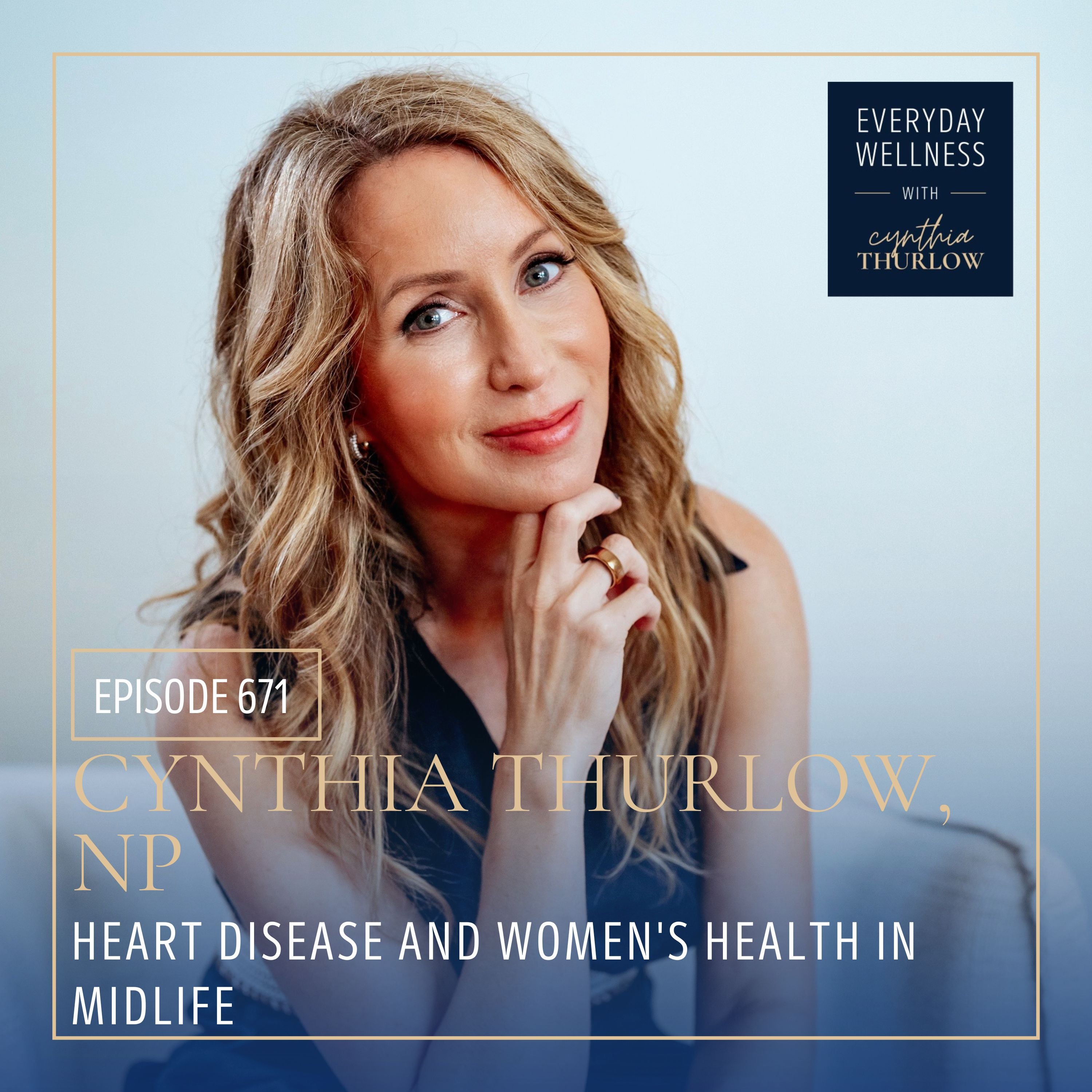
Ep. 671 Heart Disease and Women's Health in Midlife | Menopause, Cardiovascular Health, Women’s Health

18 min

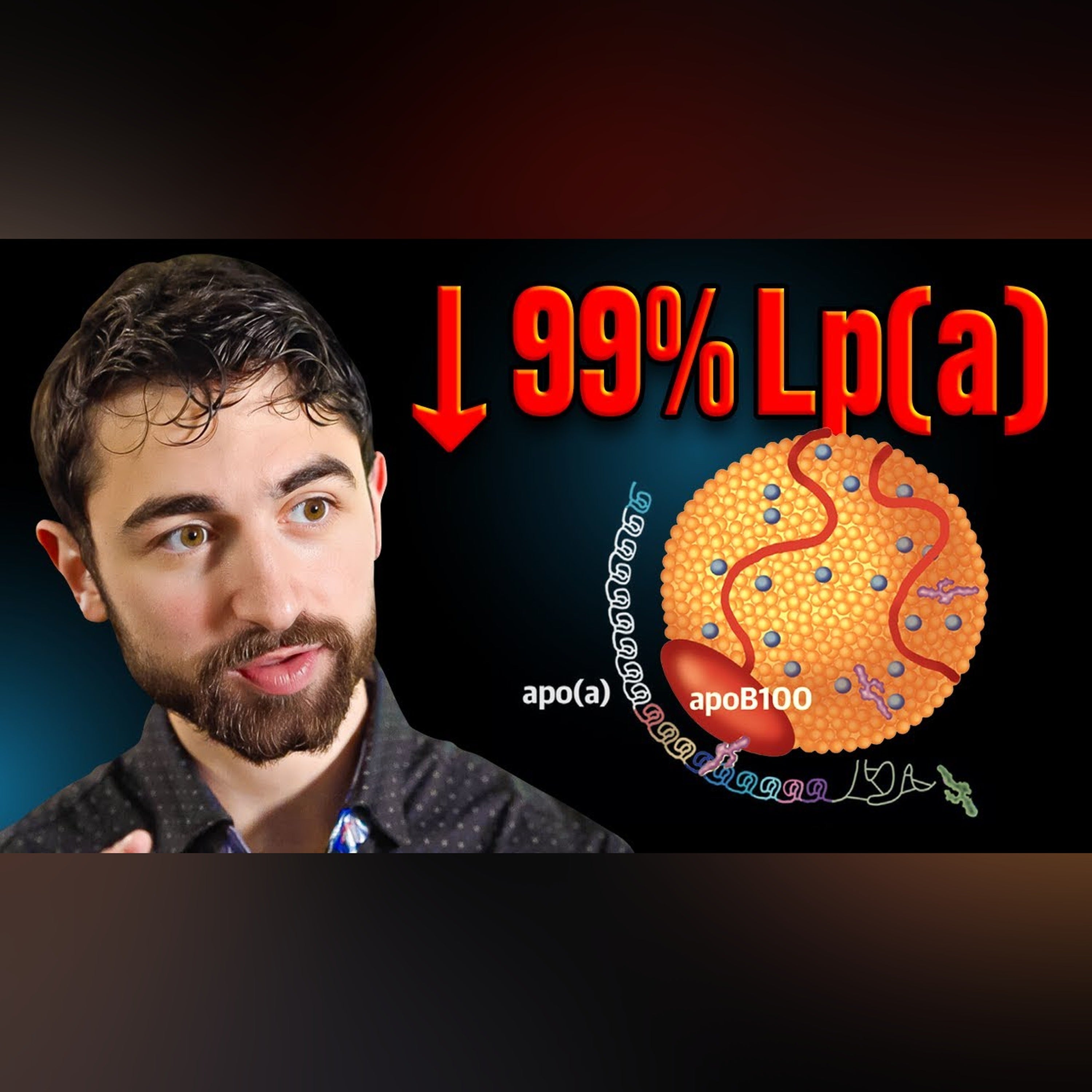
Heart disease remains the leading cause of death among women, yet many women are unaware of their cardiovascular risks or the ways heart disease can present differently in women than in men. Today, I'm continuing our Metabolic Health Midlife Minute series with an important discussion about women's cardiovascular health. Drawing on my years of experience in cardiology, I explain why women are often diagnosed later, why their symptoms may be overlooked or dismissed, and how decades of underrepresentation in cardiovascular research have contributed to ongoing differences in diagnosis and treatment. I discuss the symptoms women may experience during a heart attack, the importance of cardiac rehabilitation, and why traditional cardiovascular risk calculators may not provide a complete picture of individual risk. I also explore coronary microvascular disease, the cardiovascular changes associated with perimenopause and menopause, and the importance of understanding markers such as Lp(a), Apo

Discuss this episode

Everyday Wellness: Midlife Hormones, Menopause, and Science for Women 35+

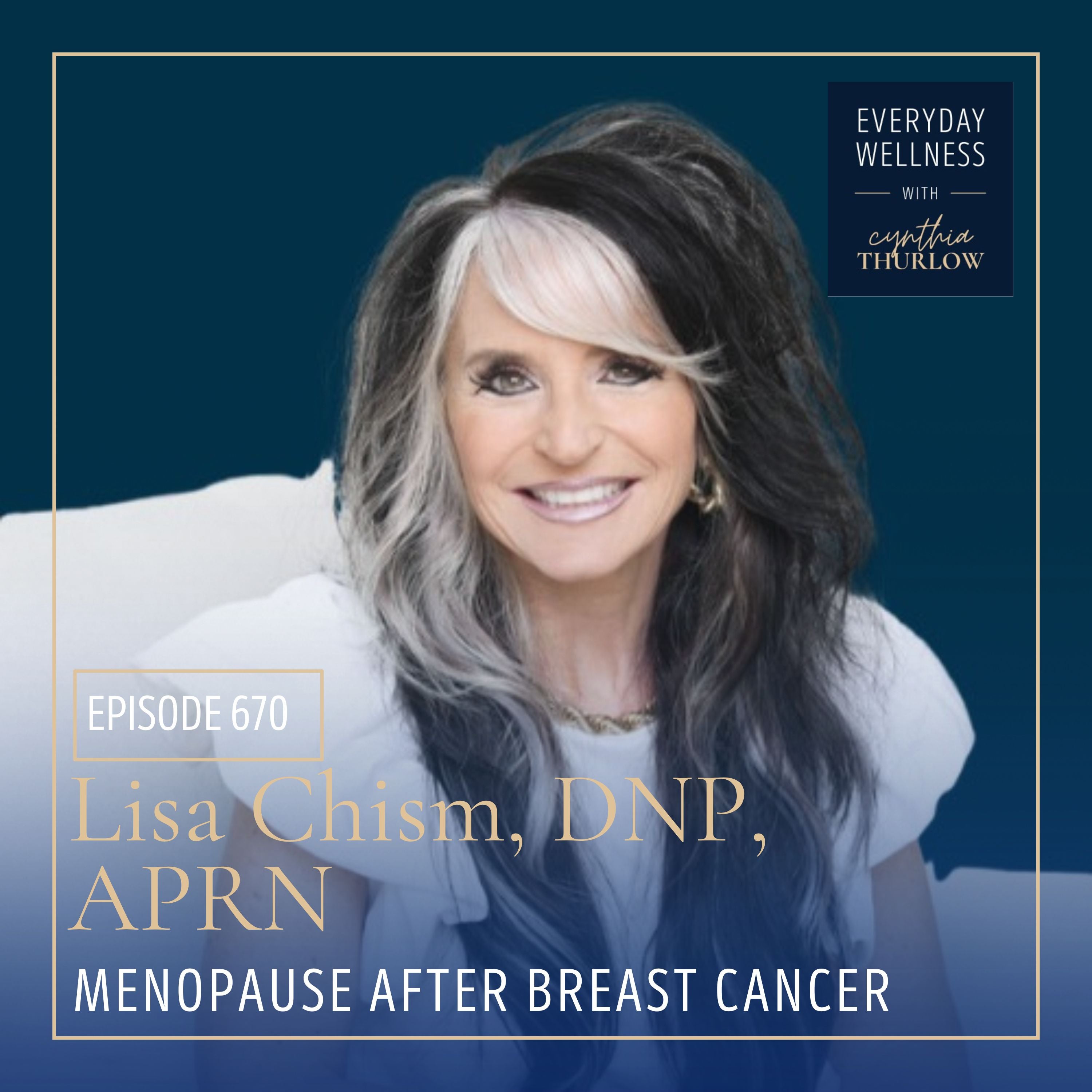
Ep. 670 Menopause After Breast Cancer with Lisa Chism, DNP, APRN | Menopause Symptoms, Breast Cancer, Women's Hormone Health

64 min

Today, I am delighted to welcome back my friend and colleague, Lisa Chism, NP. Lisa has more than three decades of nursing experience and has spent many years caring for women diagnosed with breast cancer and those at elevated risk. She holds specialty certifications in menopause, sexual health, and breast care and is a fellow of both the American Academy of Nursing and the American Association of Nurse Practitioners. After listeners asked for more conversations about breast cancer survivorship and nonhormonal treatment options, I was the first person I thought of inviting back to the podcast. In our conversation, we discuss why survivorship care should begin at diagnosis, how chemotherapy can trigger temporary or permanent menopause, and why fertility considerations deserve attention early in treatment. We explore breast density, individualized screening, and the growing role of AI in breast cancer risk assessment. Lisa explains how tamoxifen and aromatase inhibitors affect menopausal

Discuss this episode

Everyday Wellness: Midlife Hormones, Menopause, and Science for Women 35+

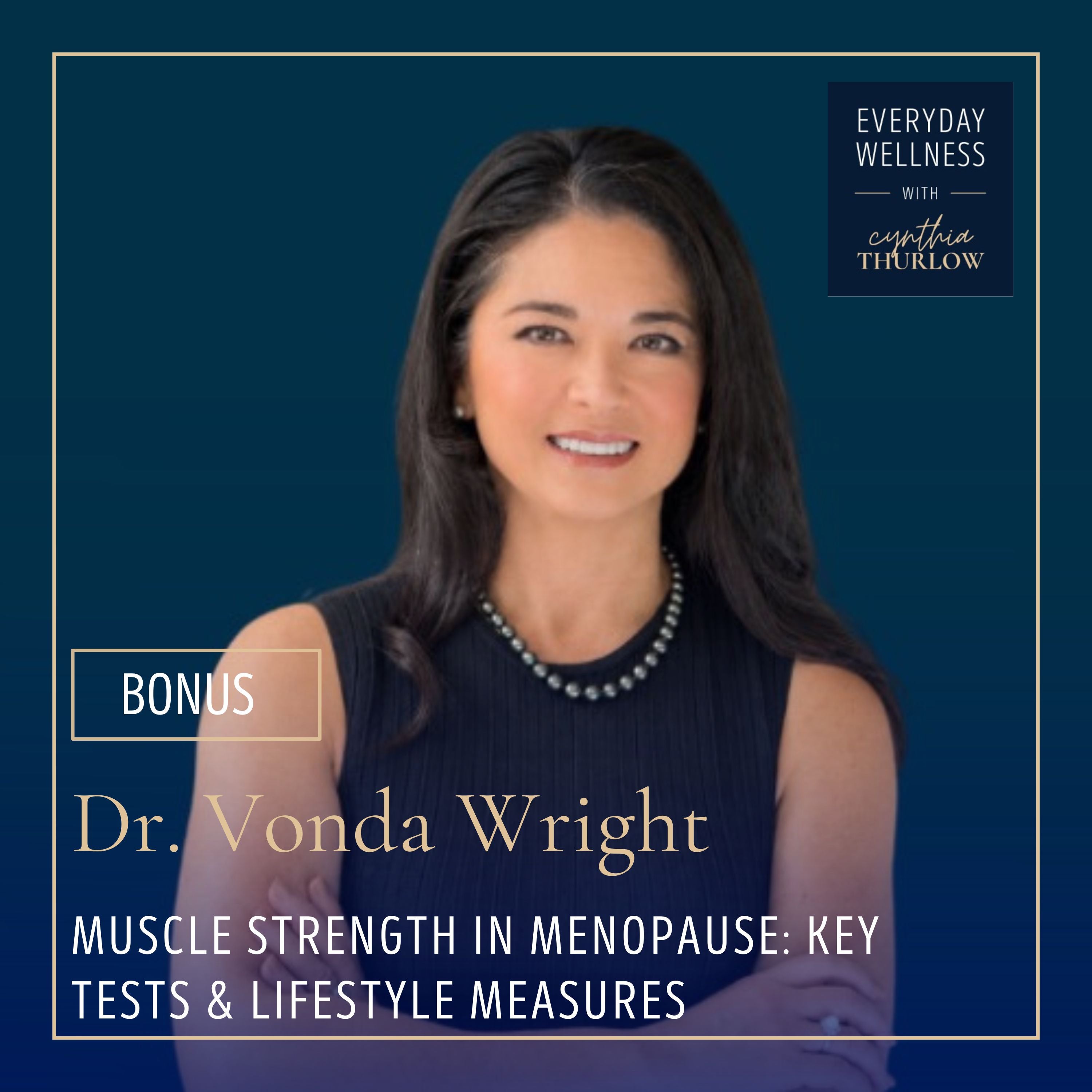
BONUS: Muscle Strength in Menopause: Key Tests & Lifestyle Measures with Dr. Vonda Wright | Menopause, Perimenopause, Women's Health

61 min

I am thrilled to speak today with Dr. Vonda Wright, a practicing, double-boarded orthopedic sports surgeon who has positioned herself at the intersection of longevity, women's health, and performance. Dr. Wright is a strong advocate for women's health and is well known and highly regarded for her frequent media appearances and thought leadership. In our discussion, we cover the importance of menopausal literacy and the impact of musculoskeletal syndrome in menopause, focusing on the critical decade, bone health, risk factors, and how to assess muscle strength. Dr. Wright shares her strength-training formula, and we explore the benefits of Zone 2 sprint training, including the importance of VO2 Max testing, particularly for frail individuals. We also address common musculoskeletal issues and essential lifestyle practices for maintaining orthopedic health. This insightful conversation with Dr. Vonda Wright is one of my top picks on the podcast. I know you will love it! IN THIS EPISODE YO

Discuss this episode

Community Poll

Food labels should explain environmental and ethical claims in verifiable terms.

Share your view, then see how readers voted. No sign-in required. This poll is shared across stories.

Do you agree or disagree?

Choose one answer

Common Quandary

A Common Quandary to discuss

Another conversation to explore, separate from this news story.

Your anonymous review could cost a coworker a promotion. Do you sign your name?

A company requests anonymous feedback about a colleague being considered for promotion. You have serious concerns based on direct experience, but anonymity prevents them from asking questions or understanding the context of your criticism.

Does honest criticism require accepting personal accountability for it?

Explore this quandary