Grounding: What Does the Science Say About Potential Health Benefits?
64 min
Listen through the publisher, then discuss the episode here or arrange an in-person Roundtable. Your city determines where to meet.
Roundtables are designed for groups of four, with a shared subject and room for everyone to speak. Come for discussion, with no dating expectation.
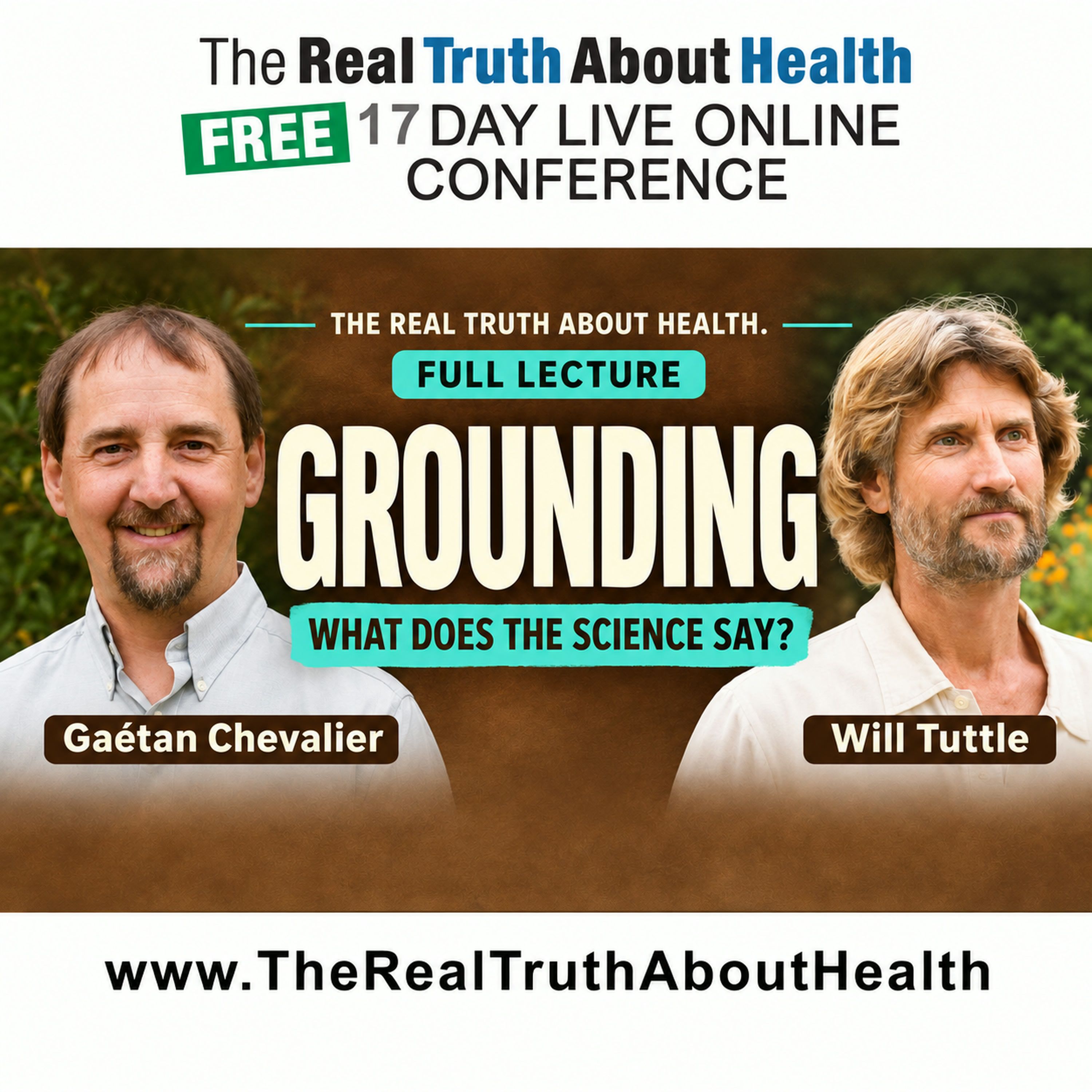
Grounding: What Does the Science Say About Potential Health Benefits? Gaétan Chevalier Ph.D. and Will Tuttle, Ph.D., explore the science and philosophy of grounding, including its potential effects on inflammation, stress, sleep, and overall wellbeing. Learn what current evidence suggests and how reconnecting with the earth may support health. #Grounding #Wellness #NaturalHealth
Episode information is provided by the publisher. Listening takes place on the publisher’s service.
If you want early access to these sorts of breakdowns, all the references and extra nuances, join the Best-Selling StayCurious Metabolism Newsletter: https://staycuriousmetabolism.substack.com/p/nattokinase-the-heart-health-supplement?r=40ekz2 Can a fermented soybean enzyme actually reverse arterial plaque? In this video, we dive deep into the science behind nattokinase—one of the most misunderstood yet promising supplements in cardiovascular health. From its ancient samurai-era origins to modern clinical studies, we unpack whether this enzyme can truly lower your risk of heart disease. You'll learn how nattokinase works on a biochemical level—breaking down blood clots, lowering blood pressure, and reducing oxidative stress. We'll examine the latest research, including a 1,000-person study showing potential regression of atherosclerosis and improvements in cholesterol markers. And yes, we’ll talk dosing, safety, and how this fits into a broader heart health strategy. If you care about
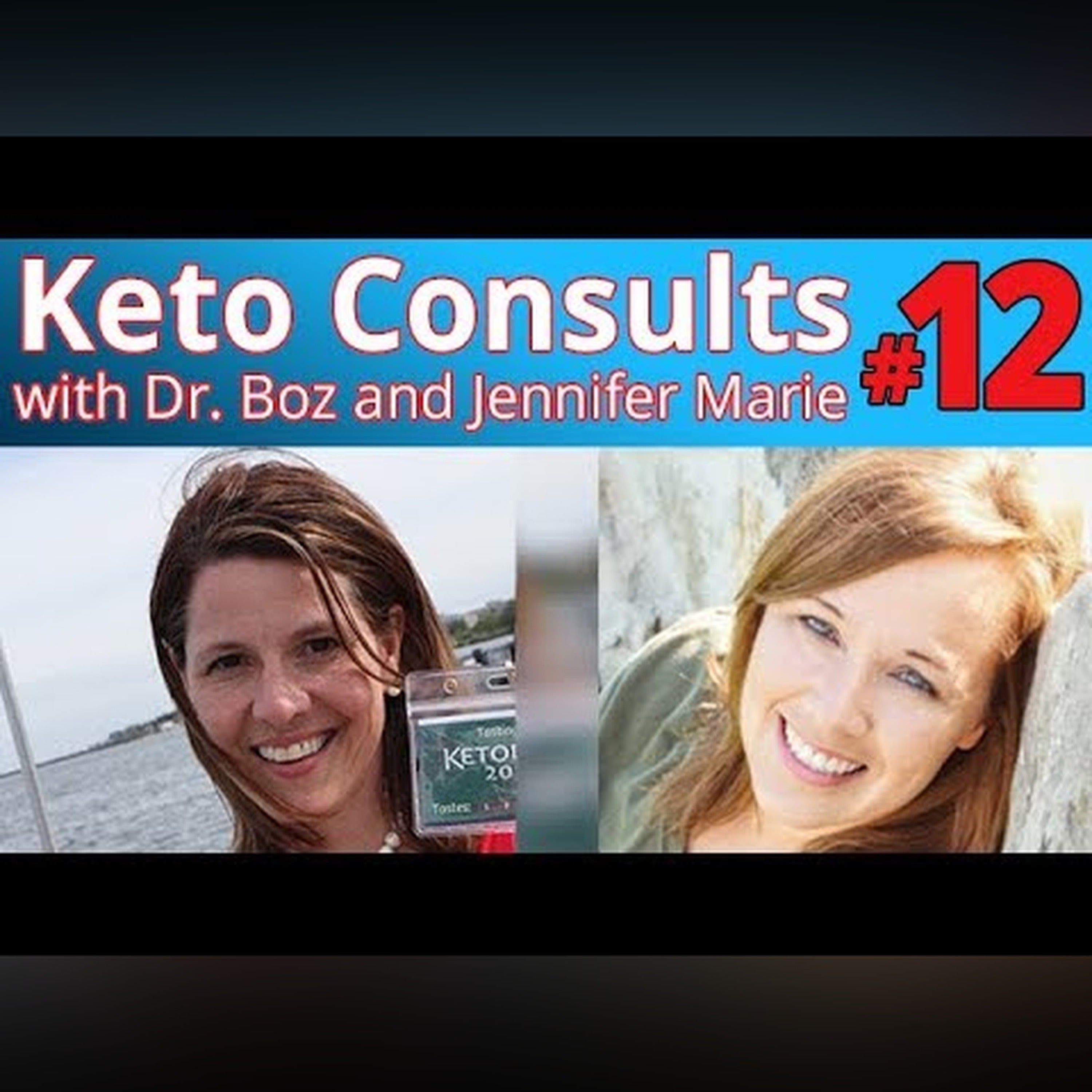
Keto Consult #12, This week Jennifer and I talk about my experience at the Metabolic Health Center 2019. I was able to hear some really interesting lectures about Keto for Cancer and Keto for Mental Health. The talk about Keto for Cancer and Keto for Mental Health has come such a long way in the past 2 years and continues to evolve. We also discuss the Effects of Marijuana on the Brain and Hyperbaric Oxygen Chambers and the benefits of Hyperbaric Oxygen Therapy. Finally we get an update from Jennifer and discuss her personal Keto Journey. Thanks for tuning into my channel. To learn more about Keto and Cancer, read my blog here: https://bozmd.com/m-d-anderson-on-the-keto-diet-and-cancer/ BOOK-LINK - ANYWAY YOU CAN. AUDIBLE: https://adbl.co/2SLLfS1 PAPERBACK= (Affilate link) https://amzn.to/2Cq1IVC The two most common questions I get ... 1) "Doc, what BLOOD METER do you recommend?" ANSWER: FORACARE: http://bit.ly/2QKGmKG For years my diabetics told me this system was great. I tried sever
Text me what you thought of the show (https://www.buzzsprout.com/1959372/fan_mail/new) Can working night shifts affect your fertility, ovulation or IVF success? After speaking with numerous women trying to fall pregnant while working shifts, including those undergoing expensive IVF treatment, I wanted to explore what the research actually tells us. In this episode of A Healthy Shift, we discuss how night shifts, disrupted sleep and circadian misalignment may affect reproductive health. We cover: Why the fertile window is so short. Shift work, reproductive hormones and menstrual irregularities. What research says about night shifts, fertility and IVF outcomes. The roles of sleep, stress, nutrition, weight and exercise. Practical steps for women trying to conceive while working shifts. Research links shift work with menstrual irregularities, but evidence that night shifts directly cause infertility or reduce IVF success remains uncertain. If you're trying to get pregnant while working ni
Let your body feel supported, release the tension of the day, and gently drift into peaceful sleep with this soothing somatic sleep meditation. If your mind feels restless, your body is holding tension, or you find it difficult to unwind at bedtime, this calming guided meditation invites you to slow down and reconnect with the present moment through gentle body awareness. Rather than forcing yourself to relax, you'll be guided through simple somatic techniques that encourage a sense of comfort, grounding, and safety. We begin by slowly noticing the room around you, allowing your attention to settle on familiar surroundings and the surfaces supporting your body. Through longer, softer exhales, gentle sighs, quiet humming, and comforting touch, you'll explore small moments of ease as your body gradually prepares for rest. This peaceful somatic meditation includes: • Gentle orienting exercises to reconnect with your surroundings • Grounding techniques to help you feel supported • Slow bre
Explore how pulling an all-nighter can impact your cognitive function, and find out what happens to your brain when you don't sleep. -- You’re just one history final away from a relaxing spring break. But you still have so much to study! You decide to follow in the footsteps of many students before you, and pull an all-nighter. So, what happens to your brain when you stay up all night? And does cramming like this actually help you prepare for a test? Anna Rothschild explores how a sleepless night impacts your cognitive function. Lesson by Anna Rothschild, directed by Biljana Labović. Animation by Noam Sussman & Ali Kellner, Homework Studio. This video made possible in collaboration with the Bezos Family Foundation Learn more about how TED-Ed partnerships work: https://bit.ly/TEDEdPartner A special thanks to Dr. Mathias Basner, Andrew Fuligni, Adriana Galván, and UCLA Center for the Developing Adolescent who provided information and insights for the development of this video. Support Ou
Glycine is an amino acid that helps build collagen and is involved in regulating inflammation, and researchers are exploring its role in healthy aging, yet your body may produce less of it as you get older Modern diets often lack glycine-rich connective tissues, such as bones, tendons and cartilage, making grass fed beef bone broth, gelatin and collagen-rich cuts of meat valuable additions to your meals Animal studies described by biochemist Joel Brind, Ph.D., found that glycine supplementation extended lifespan in rats and mice by approximately 10% to 15%, although researchers have yet to establish whether it produces similar benefits in humans In a small, three-month placebo-controlled trial of 74 adults with Type 2 diabetes, those given glycine had significantly lower HbA1c and reduced inflammatory markers compared with placebo, although larger studies are needed Research suggests glycine may help your body release heat and lower its core temperature before sleep, while collagen-ric
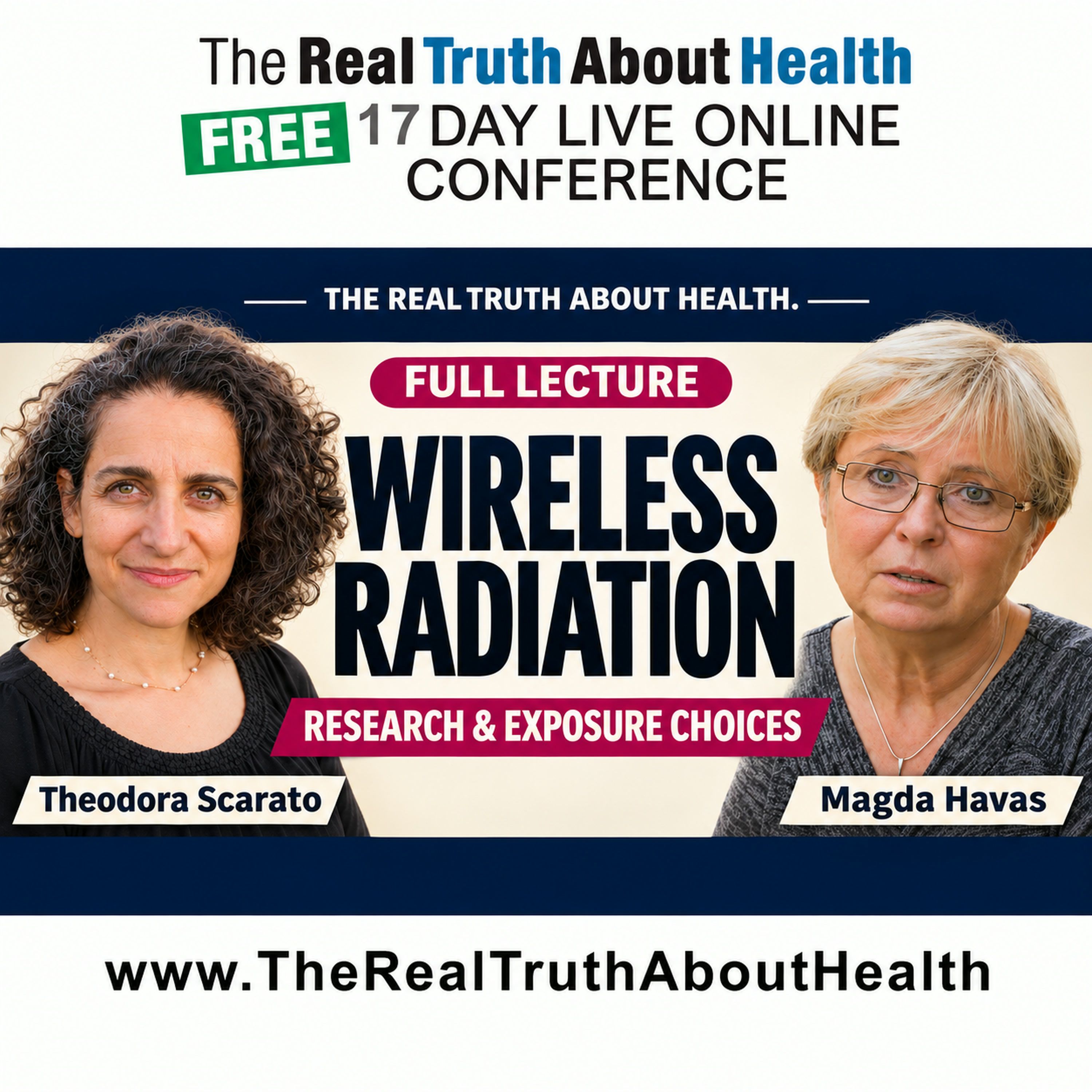
Wireless Radiation: What the Research Says—and How to Reduce Exposure if You Choose Theodora Scarato, MSW, and Magda Havas, PhD, examine what research says about wireless radiation and potential health effects. Learn about everyday exposure sources, scientific concerns, and practical steps people can choose to reduce EMF exposure at home, work, and school. #WirelessRadiation #EMF #PublicHealth
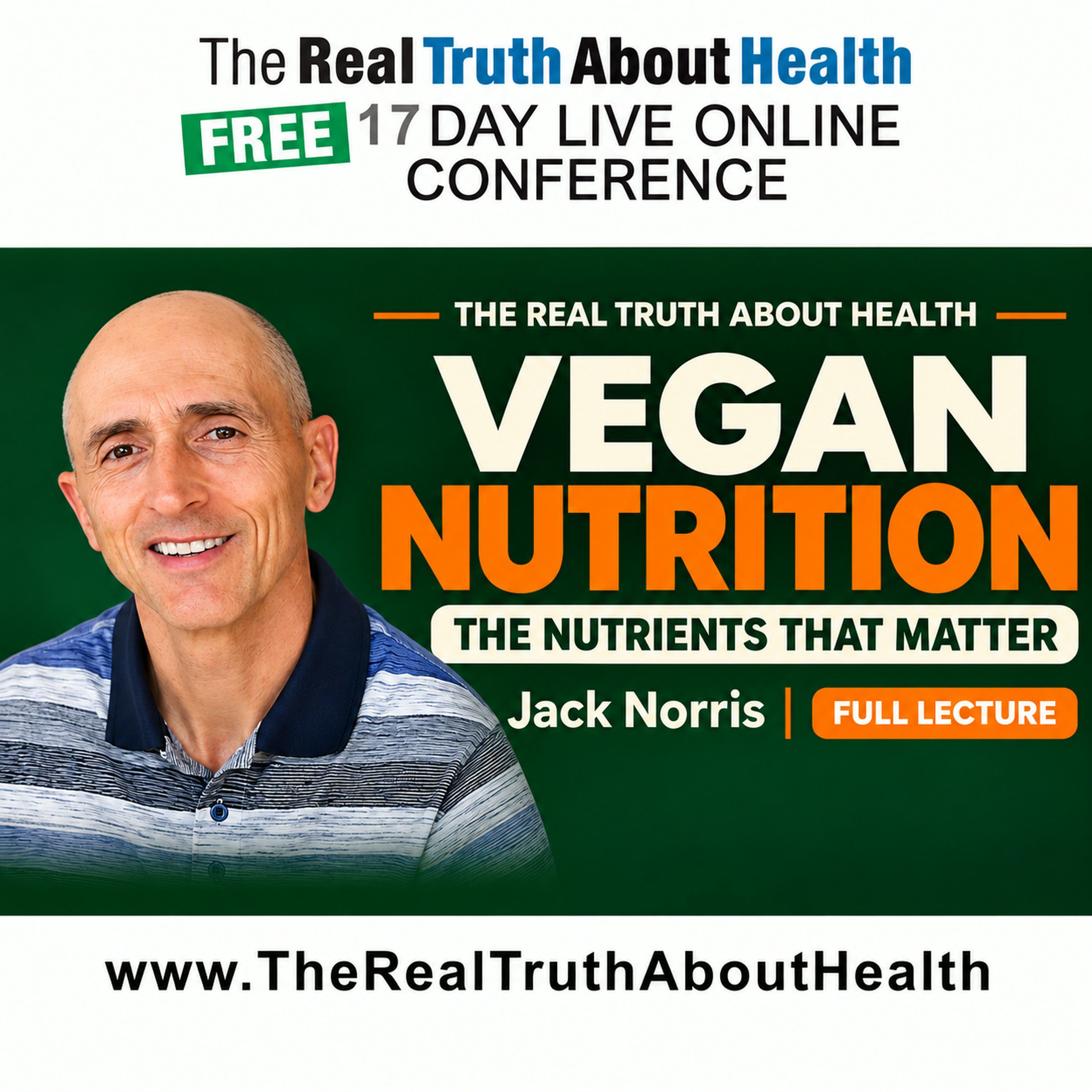
Nutrition Tips for Vegans Jack Norris, R.D., shares practical nutrition tips for vegans to help support a balanced, healthy diet. Learn about key nutrients, smart food choices, supplementation considerations, and evidence-based strategies for thriving on a well-planned vegan lifestyle. #VeganNutrition #PlantBased #HealthyEating
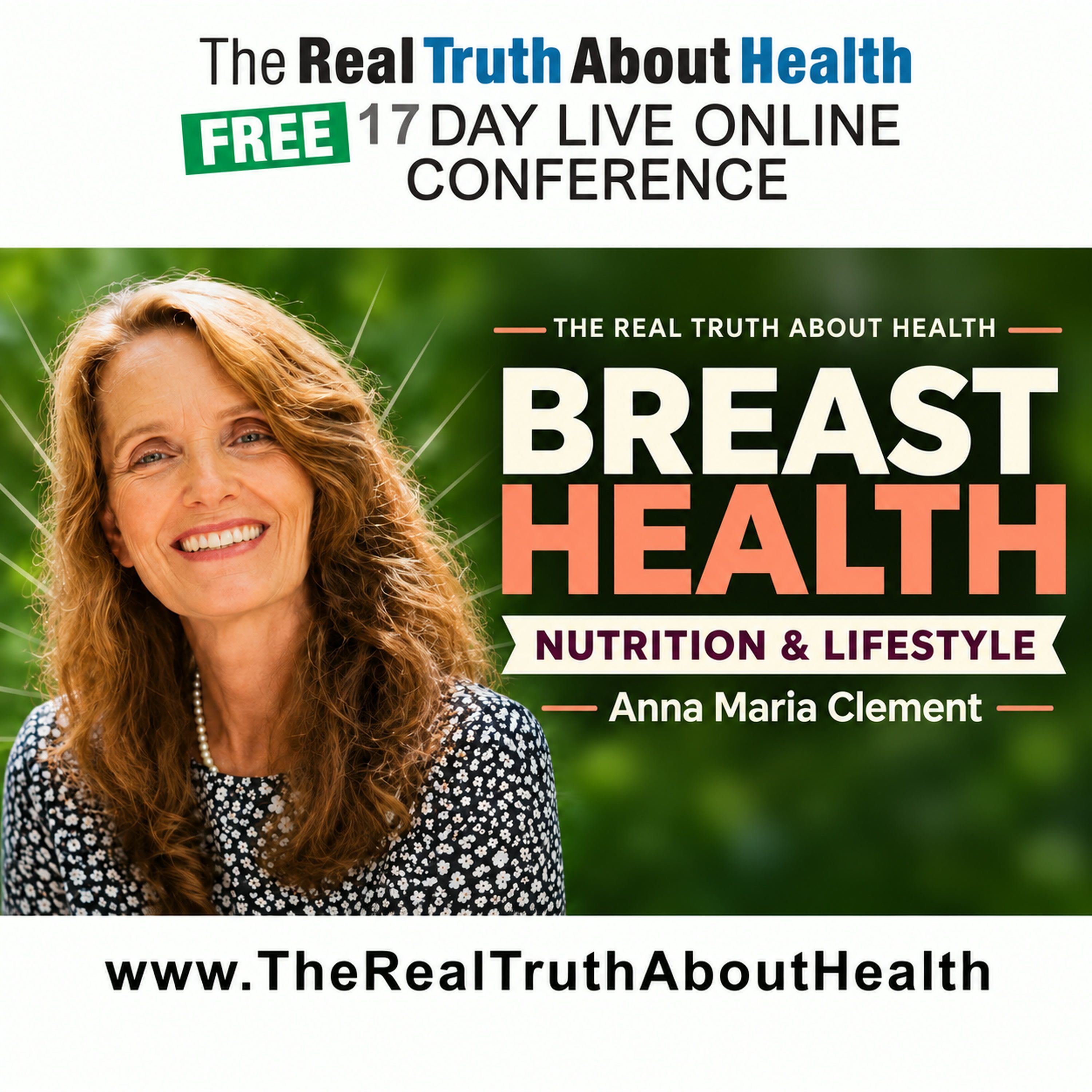
Breast Anna Maria Clement, Ph.D., L.N., explores breast health through a holistic lens, highlighting nutrition, lifestyle, prevention, and the body’s natural resilience. Learn how daily choices may support hormonal balance, immune function, detoxification, and long-term wellbeing. #BreastHealth #HolisticHealth #Prevention
People affected by infrastructure routes should have a meaningful role in choosing them.
Share your view, then see how readers voted. No sign-in required. This poll is shared across stories.
Do you agree or disagree?
Common Quandary
A Common Quandary to discuss
Another conversation to explore, separate from this news story.
Your father is becoming a dangerous driver. Would you report him behind his back?
Your father values the independence his car gives him. He has not caused an accident, but his reactions have noticeably slowed and several recent drives frightened you. He refuses an assessment.