1KHO 965: All Children Are Creative Until We Stifle Their Creativity | Dr. Louisa Penfold, Every Child Is An Artist
59 min
Listen through the publisher, then discuss the episode here or arrange an in-person Roundtable. Your city determines where to meet.
Roundtables are designed for groups of four, with a shared subject and room for everyone to speak. Come for discussion, with no dating expectation.
A lump of clay, a cardboard box, or a handful of leaves can teach children things no worksheet ever could. Dr. Louisa Penfold, Harvard education researcher and author of Every Child Is an Artist, (https://link.amazon/B0iuPREc9) joins Ginny Yurich to explore why creativity is about far more than making something beautiful. From the surprising connection between clay and emotional regulation to the way artistic experimentation builds persistence, Penfold reveals how ordinary materials become extraordinary opportunities for learning. She also challenges our assumptions about what art should look like, introducing playful possibilities involving sound, movement, and nature. As artificial intelligence reshapes education, Penfold makes a compelling case for the irreplaceable value of learning through our bodies, senses, and relationships. This conversation offers parents a refreshing perspective on nurturing creativity without pressure, expensive supplies, or elaborate projects—and a reminder that sometimes the most important thing an adult can do is provide the materials and step aside. Get Dr. Penfold's book here! (https://link.amazon/B0iuPREc9) ** A huge thank you to our sponsors! Check them out below: HeyPolo - Protect your loved ones without spying on them.
Episode information is provided by the publisher. Listening takes place on the publisher’s service.
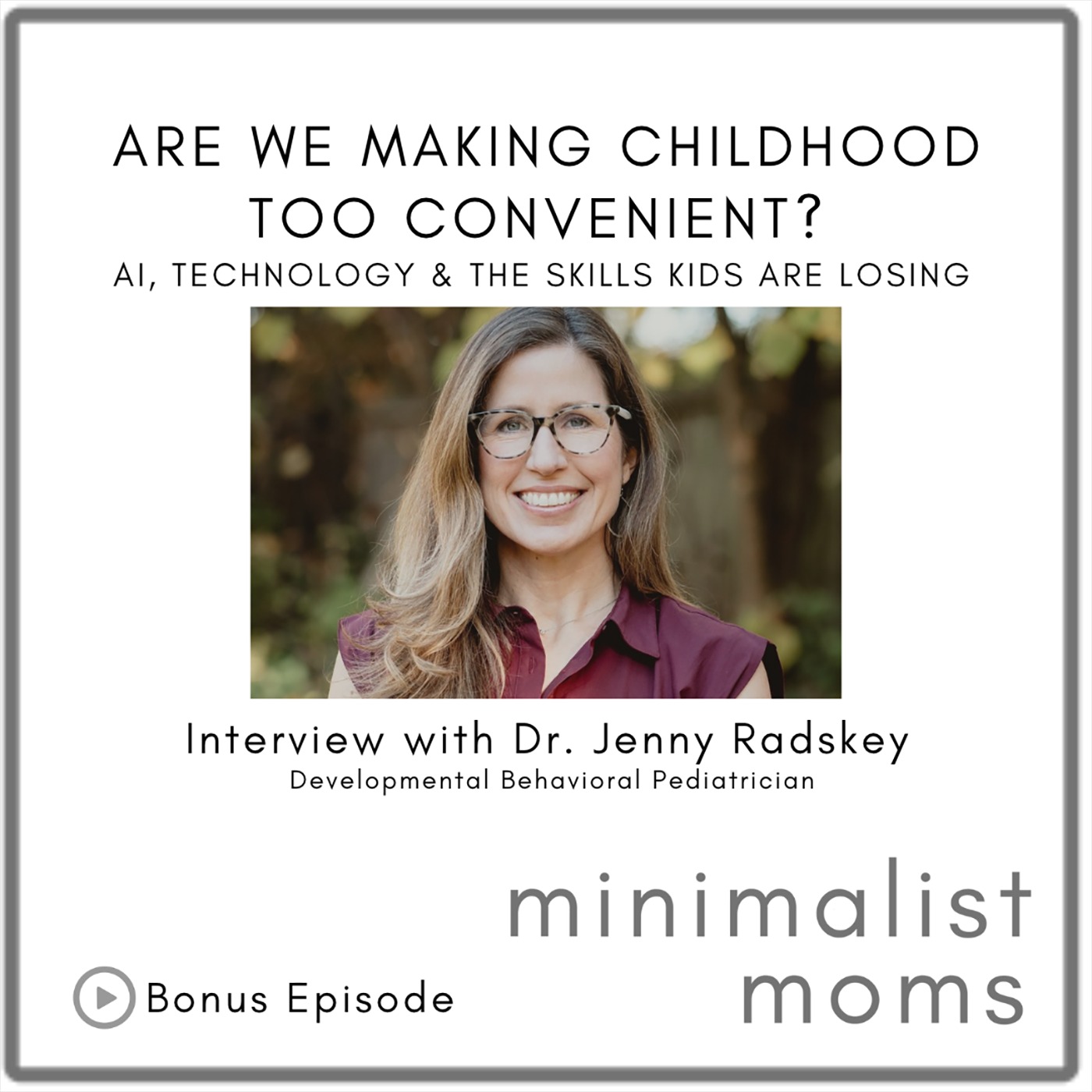
Are we making childhood easier at the expense of the very skills our kids need to thrive? We've talked about screen time and technology on the podcast before, but today's conversation takes us into territory we haven't really explored on the show yet: artificial intelligence and its potential impact on our children's development. As AI becomes more integrated into everyday life, I think it's worth asking some important questions about what our kids might be gaining - and what they could be missing along the way. I'm joined by pediatrician and researcher Dr. Jenny Radesky to explore how technology is reshaping childhood in ways we may not even recognize. From handing over a device to calm a difficult emotion to turning to AI for instant answers, are we unintentionally removing the everyday opportunities our children need to develop patience, persistence, creativity, and critical thinking? Just because something makes life easier doesn't necessarily mean it's making life better. Links Di
It takes a village to raise a child. But what happens when the village starts telling you how to parent? Today, Dale is joined by returning guest Ali Knowles, emotional therapist and founder of the Ollie Model, to discuss why it takes a village to help raise a child (https://thesendcast.com/why-it-takes-a-village-to-help-a-child), and what that support should really look like. Together, they explore: - Why the village has changed, and why so many parents now feel isolated. - The difference between offering support and giving advice, and why wisdom helps where instructions don't. - How social media and well-meaning opinions can wear down parents' confidence. - Why a parent's own school experiences can quietly shape how they respond to their child. - What 'safe' means to a child, and why feeling safe is not the same as being told you are. When parents ask her what they should do, Ali's answer is always the same: "I can't tell you, because there isn't a book. You haven't written it. This
Dr. Emily King, a school psychologist and mom of two neurodivergent sons, explains that neurodivergent kids often have uneven skills, so it falls to the adults, not the child, to adapt. For autistic kids, she says to start with their strengths and clear barriers until they can advocate for themselves. For kids with ADHD, she says to treat their struggles as regulation differences rather than a lack of intelligence, and to protect their creativity. She encourages parents and teachers to look for patterns, ask “When is this not happening?”, and believe each other when a child does fine in one setting and struggles in the other. Resources mentioned: The Neurodivergent Learner (https://link.amazon/B02b7SKLg) by Dr. Emily King Learn with Dr. Emily: learnwithdremily.com (https://www.learnwithdremily.com/) Dr. Emily King on Substack (https://learnwithdremily.substack.com/), where her workshops are hosted The Neurodiverse Classroom (https://www.learnwithdremily.com/teachers), her professional
What if the behavior that frustrates you most about your child is actually connected to one of their greatest God-given strengths? In this special Q&A episode of the Celebrate Kids Podcast, Dr. Kathy Koch and Wayne Stender answer real questions from parents and leaders they recently met in San Antonio. They explore how to help children develop genuine belonging, why the 8 Great Smarts can change how we understand misbehavior, and how Christian families can navigate difficult relationships during the holidays with biblical conviction, unconditional love, and thoughtful hospitality. Dr. Kathy explains why knowing how God made our children changes the way we correct them, encourage them, and prepare them for healthy relationships. Wayne also shares how understanding his own children's strengths has helped him become a father whose kids know they are seen, understood, and loved. As Celebrate Kids prepares to expand its ministry in 2027, we're also exploring new ways to bring Dr. Kathy's te
What happens when your child becomes an adult but isn't ready to become independent? Parenting coach Kim Muench (https://www.reallifeparentguide.com/), author of the new book LOST IN PLACE (https://bookshop.org/a/12099/9781394422401), discusses how parents can help their struggling adult children by first looking inward. Kim and Margaret discuss: Why the transition to adulthood is taking longer than previous generations How parental over-involvement, fear, and difficulty tolerating our children's struggles can unintentionally keep families stuck Kim's Four Cs framework for parenting emerging adults: clarity, calm, confidence, and consistency Here's where you can find Kim: @kimmuenchparentcoach on IG and TikTok @kimmuench.reallifeparentguide on FB Buy LOST IN PLACE: https://bookshop.org/a/12099/9781394422401 We love the sponsors that make this show possible!
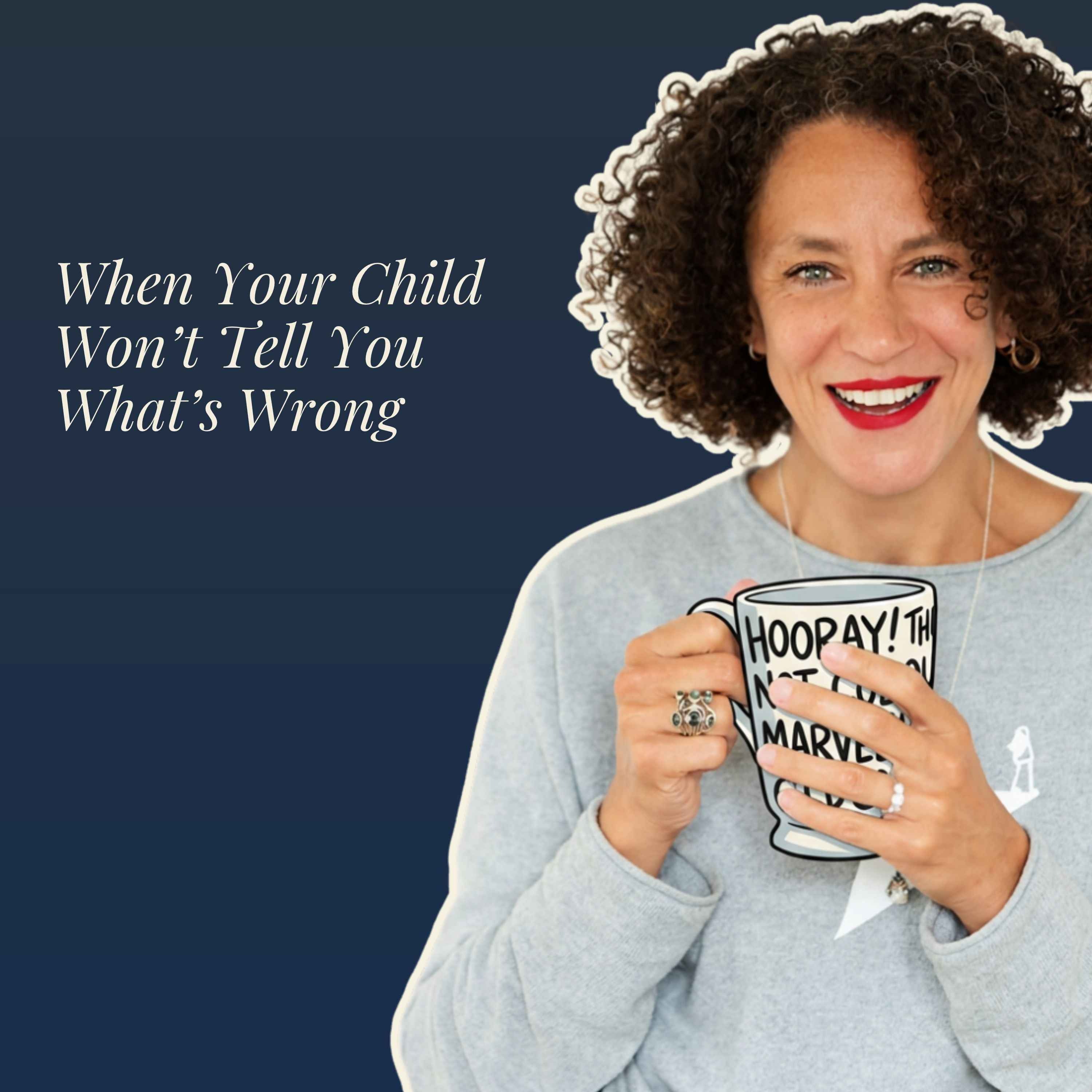
"I know something is wrong with my child... but every time I try to talk to them, they shut down." If you've ever had that thought, this episode is for you. As parents, it's so painful to watch our child struggle, yet every question we ask seems to push them further away. The harder we try to get them to open up, the quieter they become. In today’s episode, I explain why children go silent, what that silence might actually mean, and why the answer isn't usually finding the perfect question, but building a safe space for difficult conversations. I will talk through how to create the conditions that help children and teenagers open up naturally, and share the five things I use with families every day. I'll also break down how these approaches differ for younger children, older children, teenagers, and neurodivergent children, including those with ADHD, autism and alexithymia. If you're worried about a child who seems withdrawn, anxious, angry, secretive or simply unwilling to talk, this
One of the greatest ways to honor your parents is to build upon what they gave you and become even better. Seth Troutt, author of Authentic Masculinity: Leaving Behind the Counterfeits for God's Design, (https://link.amazon/B0hlyX1J2) joins Ginny Yurich for an encouraging conversation about raising boys, becoming better parents, and building a family legacy worth carrying forward. Seth offers a refreshing, faith-filled vision of masculinity that begins with humility, embraces mistakes as opportunities for growth, and recognizes that strength and gentleness belong together. He shares an ingenious bedtime storytelling tradition that helps his children prepare for peer pressure, explains why lasting discipline has more to do with what we love than willpower, and recounts the surprisingly freeing parenting advice he received from his own father. Woven throughout is a hopeful reminder that we can build on the good we inherited, change the patterns we didn't want to repeat, and give our chil
Some of the people who change our lives the most have no idea they ever made a difference. A passing compliment, an encouraging coach, or a neighbor who showed up during a difficult season can leave an imprint that lasts for decades. Former collegiate volleyball player and coach Priscilla Tallman joins Ginny Yurich to share the remarkable experiment that became her book, Gratitude Project 53. (https://bluehatpublishing.com/products/gratitude-project-53-by-priscilla-tallman) After years of being defined by her athletic accomplishments, Priscilla decided to give the number 53 an entirely new meaning by personally thanking the people who helped shape her life. Their conversation reveals why gratitude is so much more than listing things we're thankful for, how compassionate mentors help us recognize strengths we cannot see in ourselves, and why the people who invest in our children deserve special recognition. It's a beautiful reminder that our lives are shaped by countless acts of kindnes
The most valuable thing you can have in an emergency might not be a stockpile of supplies. It might be a neighbor who knows your name. In this encouraging conversation, Ginny Yurich welcomes archaeologist and survival expert Chris Begley and author Amy Edelman, coauthors of The Emergency Playbook: The Bunker-Free Guide to Disaster Preparation. (https://link.amazon/B0a06ZOGv)Together, they challenge the idea that surviving difficult circumstances requires expensive equipment, elaborate bunkers, or an everyone-for-themselves mentality. Instead, they reveal how communities often come together during disasters, why practical knowledge can be more valuable than possessions, and how everyday activities like gardening, building fires, and learning first aid can prepare families for the unexpected while enriching their lives right now. From helping children develop useful skills to discovering why hope matters in a crisis, this conversation offers a reassuring perspective on preparedness. Bein
The public should normally know who owns businesses that affect community life.
Share your view, then see how readers voted. No sign-in required. This poll is shared across stories.
Do you agree or disagree?
Common Quandary
A Common Quandary to discuss
Another conversation to explore, separate from this news story.
You ignore a friend's message all day while posting online. Do you owe them an explanation?
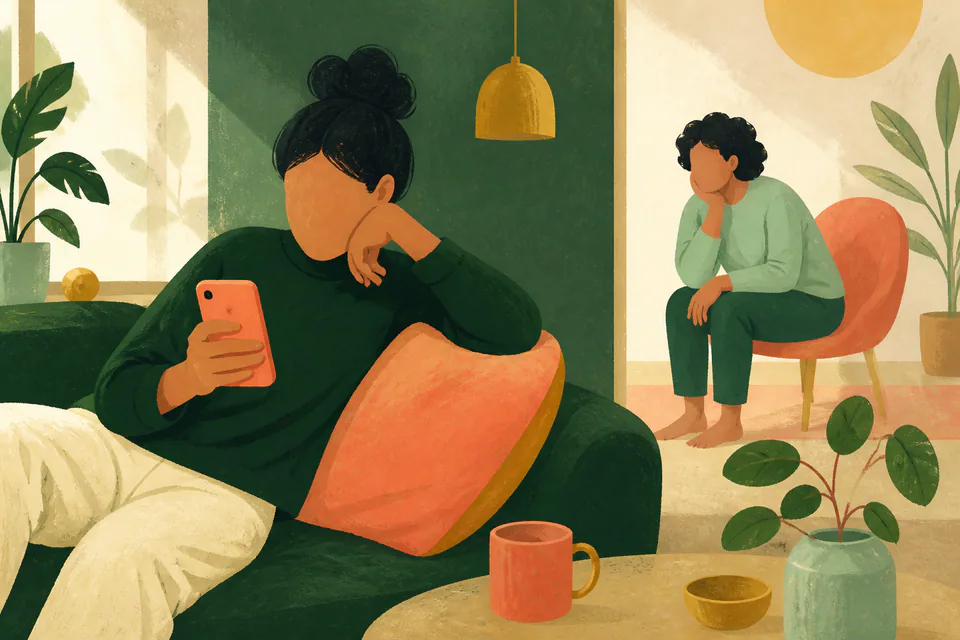
A friend sends a message that deserves a thoughtful answer. You lack the energy to respond, but spend the day posting jokes and photos. They can see that you are active and eventually ask whether something is wrong.
Does being visibly online create an obligation to be available?