286: Donna Jackson Nakazawa: How to Stop Ruminating
52 min
Listen through the publisher, then discuss the episode here or arrange an in-person Roundtable. Your city determines where to meet.
Roundtables are designed for groups of four, with a shared subject and room for everyone to speak. Come for discussion, with no dating expectation.
Can’t stop replaying what you wish you had said to someone instead? Or maybe your inner monologue won’t stop asking, "What did they mean by that comment?” Our guest today explains the function of our mental ruminations and how to stop them. Donna Jackson Nakazawa is an award-winning science journalist, and in her new book Mind Drama: The Science of Rumination and How to Outwit Your Inner Defeatist, she shares what to do when your thoughts start spiraling. Show Notes, Resources, and Transcript for the abridged episode with Donna Jackson Nakazawa (https://www.nosmallendeavor.com/Donna-Jackson-Nakazawa-How-to-Stop-Ruminating) Weekly reflections on a good life Access to live show videos Early access to live show tickets. Your membership helps make No Small Endeavor sustainable.
Episode information is provided by the publisher. Listening takes place on the publisher’s service.
Today, Mel is doing something she's never done before on The Mel Robbins Podcast. She's bringing members of her team into the studio for live coaching with world-renowned communications expert Vinh Giang. Vinh is known for teaching millions of people online how to stop sounding insecure, speak more clearly, and get people to listen when you talk. And when you hear him coaching today, it will be like he’s coaching you. One person freezes when they're put on the spot. Another can't stop interrupting people. Someone else has great ideas but stays quiet because they're afraid of being judged. Does any of that sound familiar? And Vinh isn't just giving advice. He's coaching real people through practical exercises, right there in the studio, so you can hear the difference and start making those same changes in your own life. As Mel says, put yourself in their shoes. As Vinh works with each person, you'll recognize things you struggle with, too. You'll learn: -What to do when your mind goes b
For the days you got through and nobody saw what it took. A quiet place this evening where it counts. About 12 minutes with Steven Webb's calm voice and music underneath. Perfect for the evening. We let the body soften, from the jaw and the eyes down to the belly, because it's been on alert all day. Then we look at what today really cost. Getting up when your body said no. Being kind to someone while you were falling apart inside. Saying "yeah, fine" because where would you even start? There's an old Zen idea I keep coming back to: a thing doesn't need to be seen to be real. The rain falls on an empty field, nobody watches, and it still soaks in. We put the day down for a minute, not away, just down, and finish with three gentle wishes. May the hard days I got through be counted. I've been paralysed a long time, and I know what it can take just to get through the day. You're not doing this on your own. Treat me to a coffee, keep the podcast free, and get my Weekly Calm every Sunday. It
Does your relationship feel like home, or does it feel like standing on the edge of something you might lose? In Part 3 of our Relationship Anxiety series, clinical hypnotherapist and former paramedic Martin Hewlett guides you through the process of teaching your nervous system that love doesn't have to hurt to be real. We explore the physical manifestations of anxiety—the tight chest, the 2:00 AM racing mind, and the "stomach drop" when a text takes too long—and provide the tools to "turn down the alarm" of your internal survival response. If you are ready to stop "cherry-picking" evidence of disaster and start building a foundation of trust, this session is for you. In This Episode, We Cover: The Science of Safety: Understanding how your nervous system confuses love with danger. Guided Visualization: A journey into your own "safe room" where you are already enough. Rewiring the Brain: Moving from worst-case disaster reels to the reality of small, daily kindnesses. Breaking the Cycle:
In January 1897, blacksmith Edward Shue washed and dressed his bride of three months for burial before the coroner ever reached their log house in Greenbrier County, West Virginia, and at her funeral he kept fussing with her head and neck, propping it on a pillow and wrapping a scarf around her high collar. Her mother, Mary Jane Heaster, had never liked him, and for weeks afterward she prayed every evening for her daughter to come back and tell her what had really happened. FEATURED STORIES IN THIS EPISODE: This Weird Darkness episode runs from the Greenbrier Ghost, the 1897 West Virginia murder victim whose mother said she came back to name her killer, to a bottomless pit in Washington, a wave of Mothman sightings over Chicago, and a London tomb rumored to be a time machine. Elva Heaster was dead – but that didn’t stop her ghost from solving the murder. *** In Stephen King’s “Pet Semetery”, beloved family pets could come back from the dead. *** In Washington there is a hole that some
Master the skills that change lives — enroll in your free human behavior course today: https://nci.university/learn Uploaded 10-04-26 The Cheat Code for Controlling Conflict Every argument, meltdown, or power struggle follows a pattern. Most people miss it—and that’s why they lose control in the moment. This video breaks down the exact psychological system behind conflict escalation, including why people suddenly become defensive, aggressive, manipulative, or unpredictable. Once you see it, you’ll recognize the moment before things spiral—and you’ll know how to respond without escalating, backing down, or losing your frame. This isn’t about winning arguments. It’s about understanding what actually triggers human behavior under pressure. Inside this breakdown: • Why people suddenly “flip” in conversations • The hidden triggers behind anger, defensiveness, and power plays • How ego threat drives conflict escalation • Why logic fails when emotions take over • How to read the exact moment
Why does Allah allow good people to suffer? When hardship enters your life, does it mean Allah is displeased with you, or could your struggles be bringing you closer to Him? Every believer experiences moments of pain, loss, uncertainty, and heartbreak. But in Islam, suffering is not necessarily a sign of Allah's anger, and experiencing sadness does not mean your faith is weak. In this powerful and comforting Islamic lecture, Ustadh Reece explores the deeper wisdom behind life's difficulties, the true meaning of Sabr, and how Muslims can remain connected to Allah ﷻ during their hardest moments. Through lessons from the Qur'an, authentic Hadith, and the lives of the Prophets, this reminder explores: - Why Allah tests those who believe in Him - How hardship can become a means of spiritual growth - What Prophet Muhammad ﷺ taught us about grief and sadness - The patience and beautiful du'a of Prophet Ayyub (AS) - How the story of Prophet Yusuf (AS) reveals Allah's wisdom - Why both blessing
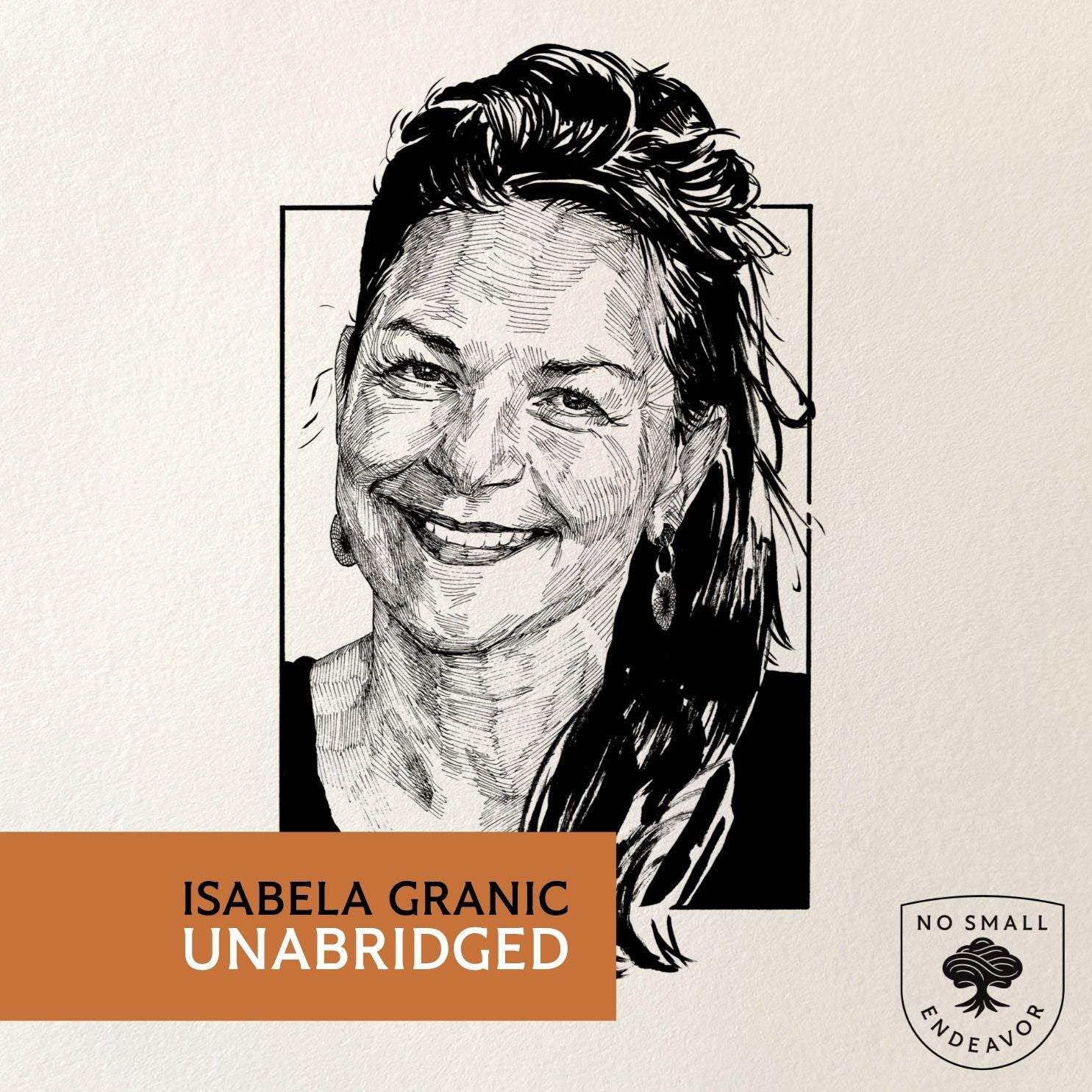
This is our unabridged interview with Isabela Granic. Developmental psychologist Isabela Granic is no technophobe. In the middle of a moral panic over kids and video games, she helped pioneer MindLight (https://playmindlight.com/), a biofeedback video game shown in clinical trials to significantly reduce anxiety symptoms in children ages 8 to 12. But as technology continues to evolve, and AI moves into every corner of childhood development, she’s worried. Isabela joins Lee C. Camp to explore what children need to grow into resilient, flourishing adults, and why a “frictionless” future may take away the very struggles that form us. This is part 2 of our 2-part series: The Cost of Outsourcing Your Humanity to Tech. This project was made possible through the support of a grant from Templeton World Charity Foundation, Inc funder DOI 501100011730) through grant https://doi.org/10.54224/35684https://doi.org/10.54224/35684. (https://doi.org/10.54224/35684%E2%81%A0%E2%81%A0%E2%81%A0.) The opin
You CAN see everything, but CAN you? This week on The Subtext, Lee and Savannah dive into You Can See Everything, the new documentary from Nathan Fielder and Lance Oppenheim about Elizabeth Holmes. From Silicon Valley fraud to Augustine’s warnings about dangerous curiosity and Immanuel Kant’s uncompromising case against lying, Lee and Savannah unpack Elizabeth Holmes’s complicated relationship with the truth and the unsettling dynamics between her and her husband, Billy Evans. How do we know when someone is telling the truth? Can we ever really see the whole story? And what happens when the performance of authenticity becomes just another form of deception? Because sometimes, seeing everything doesn't mean knowing anything. Things we mentioned in this episode: See Lee on stage with Ira Glass and Emmylou Harris on November 22nd in Nashville! (https://www.nashvillesymphony.org/nosmallendeavor) The One About Matthew Perry on Netflix (https://www.netflix.com/title/81970498) Taken: Natalee
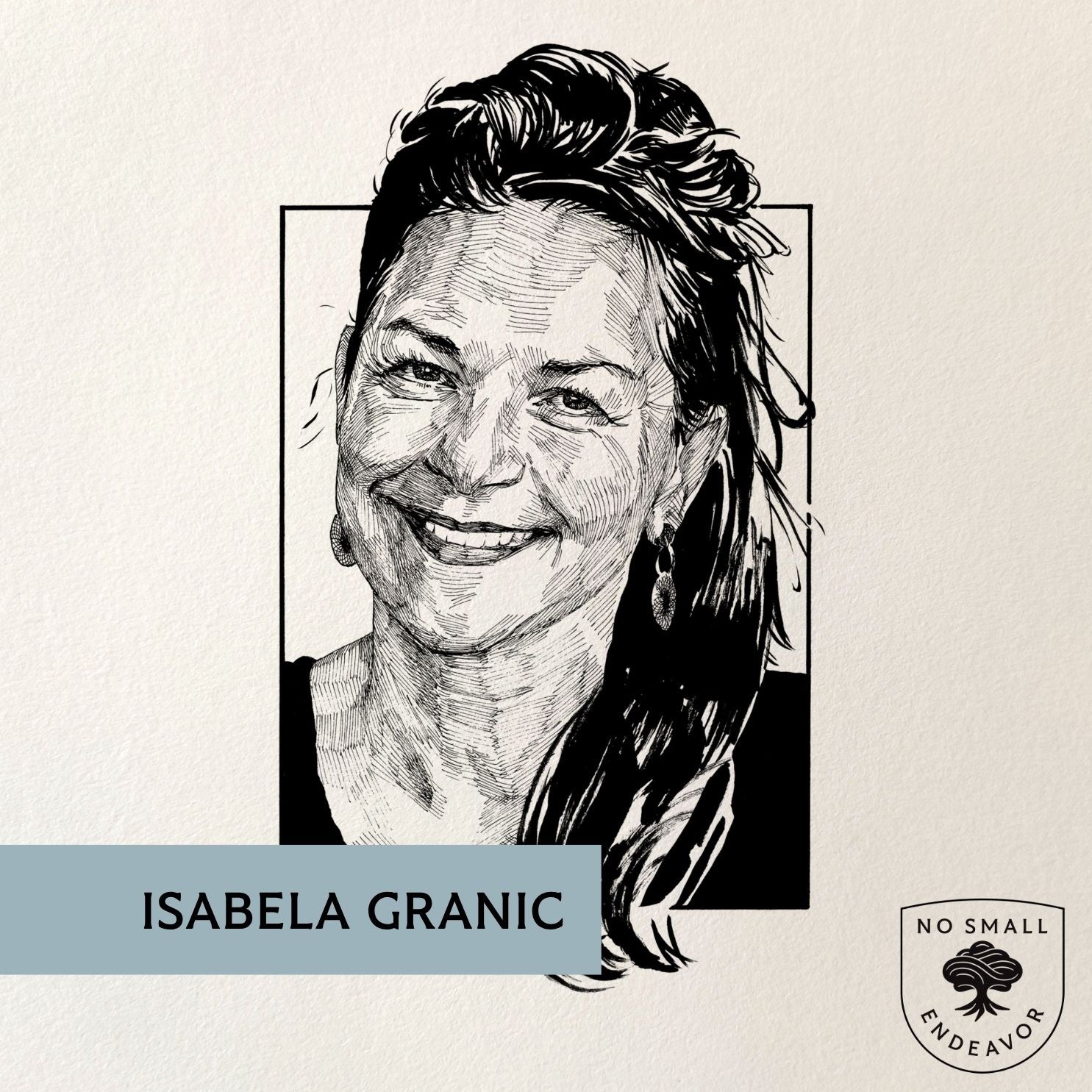
Developmental psychologist Isabela Granic is no technophobe. In the middle of a moral panic over kids and video games, she helped pioneer MindLight (https://playmindlight.com/), a biofeedback video game shown in clinical trials to significantly reduce anxiety symptoms in children ages 8 to 12. But as technology continues to evolve, and AI moves into every corner of childhood development, she’s worried. Isabela, the CEO of Liminal Learning (https://liminal-learning.com/), joins Lee C. Camp to explore what children need to grow into resilient, flourishing adults, and why a “frictionless” future may take away the very struggles that form us. This is part 2 of our 2-part series: The Cost of Outsourcing Your Humanity to Tech. This project was made possible through the support of a grant from Templeton World Charity Foundation, Inc funder DOI 501100011730) through grant https://doi.org/10.54224/35684https://doi.org/10.54224/35684. (https://doi.org/10.54224/35684%E2%81%A0%E2%81%A0%E2%81%A0.)
Museums should actively seek histories missing from their existing collections.
Share your view, then see how readers voted. No sign-in required. This poll is shared across stories.
Do you agree or disagree?
Common Quandary
A Common Quandary to discuss
Another conversation to explore, separate from this news story.
A DNA test reveals a family time bomb. Do you tell relatives who would rather not know?
A genetic test reveals that you carry a serious inherited condition. Your siblings and adult cousins may carry it too, but one has previously said they would rather live without predictions about illnesses that cannot yet be prevented.
Can someone's wish not to know outweigh your responsibility to warn them?