3618: From Happy Hour to the Gym: Is It Ever OK to Exercise After Drinking Alcohol? by Michelle Konstantinovsky on Exercise Safety
11 min
Listen through the publisher, then discuss the episode here or arrange an in-person Roundtable. Your city determines where to meet.
Roundtables are designed for groups of four, with a shared subject and room for everyone to speak. Come for discussion, with no dating expectation.
Get the 200+ Page Optimal Living Daily Workbook (PDF) - Free. Want to turn today's episode into an actionable plan? Episode 3618: Michelle Konstantinovsky explains what happens in the body when you drink and then try to work out, from impaired coordination and dehydration to reduced strength and endurance. Drawing on a physician and a fitness coach, she outlines how to minimize the risk if you do combine the two, and why skipping the workout and coming back sober the next day is the healthier choice. Read along with the original article(s) here: Quotes to ponder: "Alcohol is a depressant, meaning it slows you down." "The full effects of alcohol aren't immediate." "Experts agree mixing alcohol with fitness isn't a great idea."
Episode information is provided by the publisher. Listening takes place on the publisher’s service.
Get the 200+ Page Optimal Living Daily Workbook (PDF) - Free. Want to turn today's episode into an actionable plan? Episode 4238: Karl Staib explains microgratitude, the practice of setting up a grateful mindset before an interaction and looking back on it with appreciation afterward. He shares five small ways to feel it each day, from appreciating something about a person before greeting them to smiling at everyday things, and how a gratitude journal helps the habit stick. Read along with the original article(s) here: Quotes to ponder: "The idea of microgratitude is to set yourself up for gratitude before you even enter a situation." "If you can plant little seeds of gratitude and positivity throughout your day, you'll have a better time and get so much more out of each experience." "It's all about looking at small things in life and seeing all the amazing opportunities they offer if you are willing to appreciate them." We spend so much of our lives caught up in our thoughts... that w
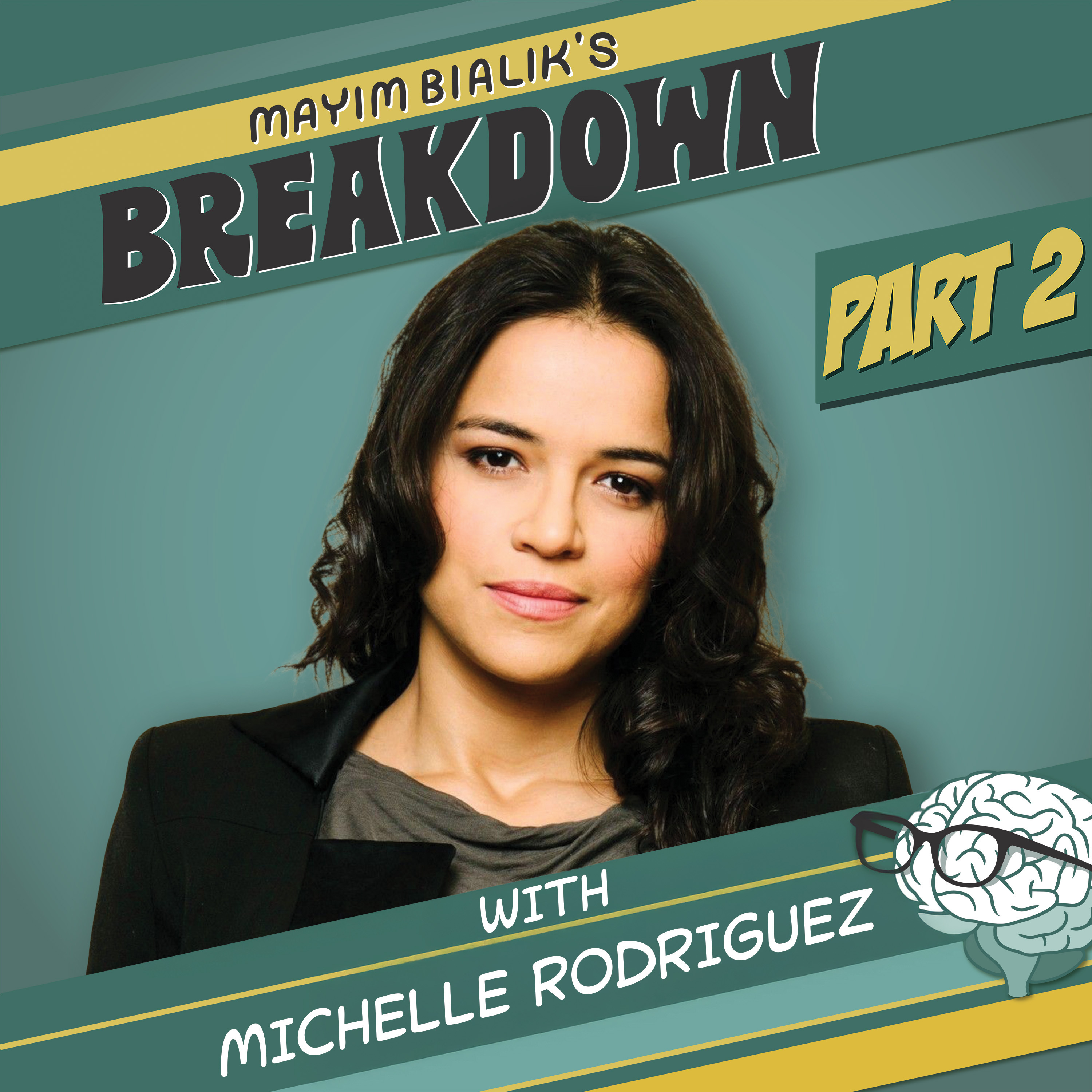
Michelle Rodriguez (star of the Fast & Furious franchise and Avatar) joins us for an extraordinary conversation about spirituality, psychedelics, ancient wisdom, consciousness, UFOs/UAPs, feeling like a black sheep in Hollywood, and her own unconventional journey. Michelle has spent years exploring the history of religion, occult traditions, mysticism, plant medicine, and ancient spiritual teachings. Now, alongside world-renowned healer and heir to ancient Mesoamerican wisdom Sergio Magaña, she has co-authored The Toltec Legacy: Wisdom to Live By in the New Dawn. In this episode of Mayim Bialik's Breakdown, Michelle opens up about experiences and ideas she rarely discusses publicly, including her first psychedelic mushroom experience while on location filming the Lost series, the Toltec prophecy of the “Sixth Sun,” lucid dreaming, multidimensionality, NHI/UAPs, psi phenomena, childhood trauma, addiction, spirituality, and what she believes humanity may be entering now. She explains Anc
Tom started speaking on the AA circuit at three years sober, but the applause did something he couldn't do for himself: it made him feel worthwhile. Five minutes after the room sat down, that feeling was gone. ☀️ Sober Sunrise App ☀️ Sober Sunrise Episode Archive Hundreds of AA speaker tapes and recovery stories: Sober Sunrise Merch Sober Sunrise Newsletter More than 31 years sober, Tom talks about the emotional dependencies that can remain long after the drinking stops. The end of a relationship brought him to an emotional bottom, and Bill W.'s writing on emotional sobriety helped him examine how much of his worth he had placed in other people's hands. His wife and friends could write pages describing the good in him, and his son could tell him he couldn't have asked for a better father, yet Tom struggled to believe any of it. With blunt humor, he connects his people-pleasing, perfectionism, controlling behavior, and automatic self-criticism to the continuing work of the Twelve Steps.
Everything Feels Too Much? I'm Going to Be Okay — 10-Minute Guided Meditation & Affirmations for Anxiety | 3-2-5 Breathing When everything feels too much and your mind is racing, this 10-minute guided meditation for anxiety reminds you that you don't have to solve it all right now. With slow 3-2-5 breathing and gentle positive affirmations for anxiety, Martin Hewlett helps you find your feet, quiet overthinking and come back to one simple, steadying thought: I'm going to be okay. Take Calming Anxiety with you in the Anchored app, free on iPhone (https://apps.apple.com/us/app/anchored-panic-anxiety/id6785035669) and Android (https://play.google.com/store/apps/details?id=com.martinhewlett.anchored), with your three daily caring tips waiting every time you open it. You'll breathe in for three, pause for two and breathe out for five, softening the chest and shoulders with every out-breath. Then you'll rest with affirmations for feeling safe in this moment, releasing anxious thoughts withou
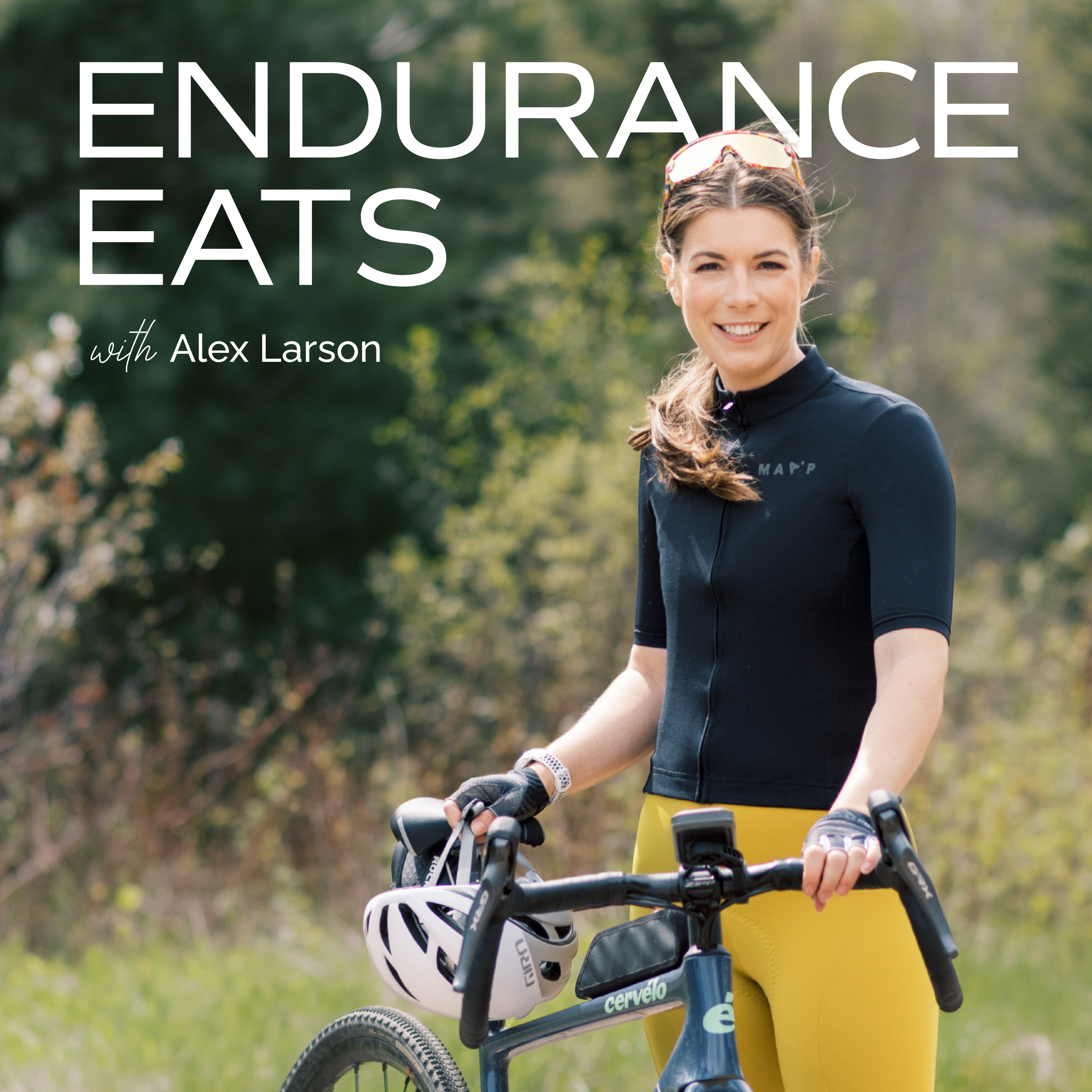
Running a Turkey Trot this Thanksgiving? Getting in an early workout before the family arrives? Or wondering if you should save up calories for the big holiday meal? Here's your reminder: You don't need to earn your Thanksgiving dinner, and skipping meals earlier in the day can actually work against your training and recovery. In this mid-season fuel episode of the Endurance Eats Podcast, I'm sharing how to fuel your holiday workouts, recover properly, and enjoy your favorite Thanksgiving foods without guilt or unnecessary food rules. We'll cover what to eat before a Turkey Trot, how much carbohydrate you need for longer workouts, why recovery nutrition still matters when a holiday feast is coming, and a few simple strategies I use to navigate holiday meals with my own family. Plus, I'm sharing my Holiday Athlete Gift Guide (https://canva.link/3v29vfswxk1w5ve), featuring my favorite training gear, fueling essentials, kitchen gifts, and things I swear by as an athlete and mom of three,
Can you rewire your brain to turn down chronic pain? Your pain is real, but your brain decides how loud that pain feels and new science shows that self-hypnosis may offer a new route to pain relief. One that goes beyond relying on pills alone. In today’s episode, Stanford psychiatrist Dr. David Spiegel, who has spent decades researching pain, explains how the brain controls pain. You’ll learn why chronic pain can be worsened by fear, anxiety and poor sleep. David explains how pain signals travel from your body to your brain, and why the brain can turn them up or down. He also shares how tools like hypnosis can help with pain management. By the end of the episode, you’ll have a simple 7-step self-hypnosis exercise for drug-free pain relief you can try at home. Build healthy habits. Download the ZOE app today Join ZOE (https://zoe.com/buymembership) Follow ZOE onInstagram (https://www.instagram.com/zoe/). Timecodes 00:00 Intro 01:49 Is your pain really in your brain? 09:07 Can't sleep? H
Get the 200+ Page Optimal Living Daily Workbook (PDF) - Free. Want to turn today's episode into an actionable plan? Episode 3617: Elly McGuinness explains why incidental exercise, the movement that fits into daily life like taking the stairs or walking after dinner, matters more for building healthy habits than for the calories it burns. She then shares how diaphragmatic breathing lowers stress hormones and walks through a simple belly breathing practice you can use whenever the day feels overwhelming. Read along with the original article(s) here: Quotes to ponder: "The best exercise to lose weight is always the one you will enjoy enough to repeat often enough to get a result!" "Your everyday actions become behaviors, which become a lifestyle." "Diaphragmatic breathing benefits your body by reducing circulating stress hormones (adrenaline and cortisol)."
Get the 200+ Page Optimal Living Daily Workbook (PDF) - Free. Want to turn today's episode into an actionable plan? Episode 3616: Nancy Clark explains what chocolate really offers athletes, from the flavonoids in cocoa to the protein and electrolytes that make chocolate milk a strong recovery drink. She looks at sugar spikes, caffeine and weight, and makes the case that chocolate enjoyed in moderation can fit into a balanced sports nutrition plan without crowding out nutrient-dense foods. Read along with the original article(s) here: Quotes to ponder: "Chocolate's energy boost comes from sugar, more so than caffeine." "Like any food that is eaten in excess, chocolate can be fattening." "Hence, you want to enjoy chocolate in moderation, so it does not crowd-out other nutrient-dense foods."
Get the 200+ Page Optimal Living Daily Workbook (PDF) - Free. Want to turn today's episode into an actionable plan? Episode 3615: Becca Shern explains why the common nutrition advice of everything in moderation may not be serving people well. She looks at how heavy marketing and social norms around sugar and alcohol make it easy to overconsume while still feeling moderate, and what the actual recommended limits are. The takeaway is that taking a critical look at what moderation really means, and setting a higher standard, can build healthier habits for ourselves and the people around us. Read along with the original article(s) here: http://minimalwellness.com/reconsideringmoderation/ Quotes to ponder: "Moderation is a squishy term." "Our consumption patterns are dramatically influenced by marketing, but they're also molded by social norms." "Setting a higher standard for ourselves helps others do the same."
Products should disclose expected service life and repairability before purchase.
Share your view, then see how readers voted. No sign-in required. This poll is shared across stories.
Do you agree or disagree?
Common Quandary
A Common Quandary to discuss
Another conversation to explore, separate from this news story.
A better public school is one borrowed address away. Would you use it?
Your child is struggling at the assigned school. A grandparent lives inside the boundary of a much stronger public school and offers to let you use their address. The desired school has limited places and verifies residency unevenly.
Can a parent's duty justify taking an opportunity allocated by an unfair boundary?