398. Postpartum Mental Health: Deeper Than the Headlines
Listen through the publisher, then discuss the episode here or arrange an in-person Roundtable. Your city determines where to meet.
Roundtables are designed for groups of four, with a shared subject and room for everyone to speak. Come for discussion, with no dating expectation.
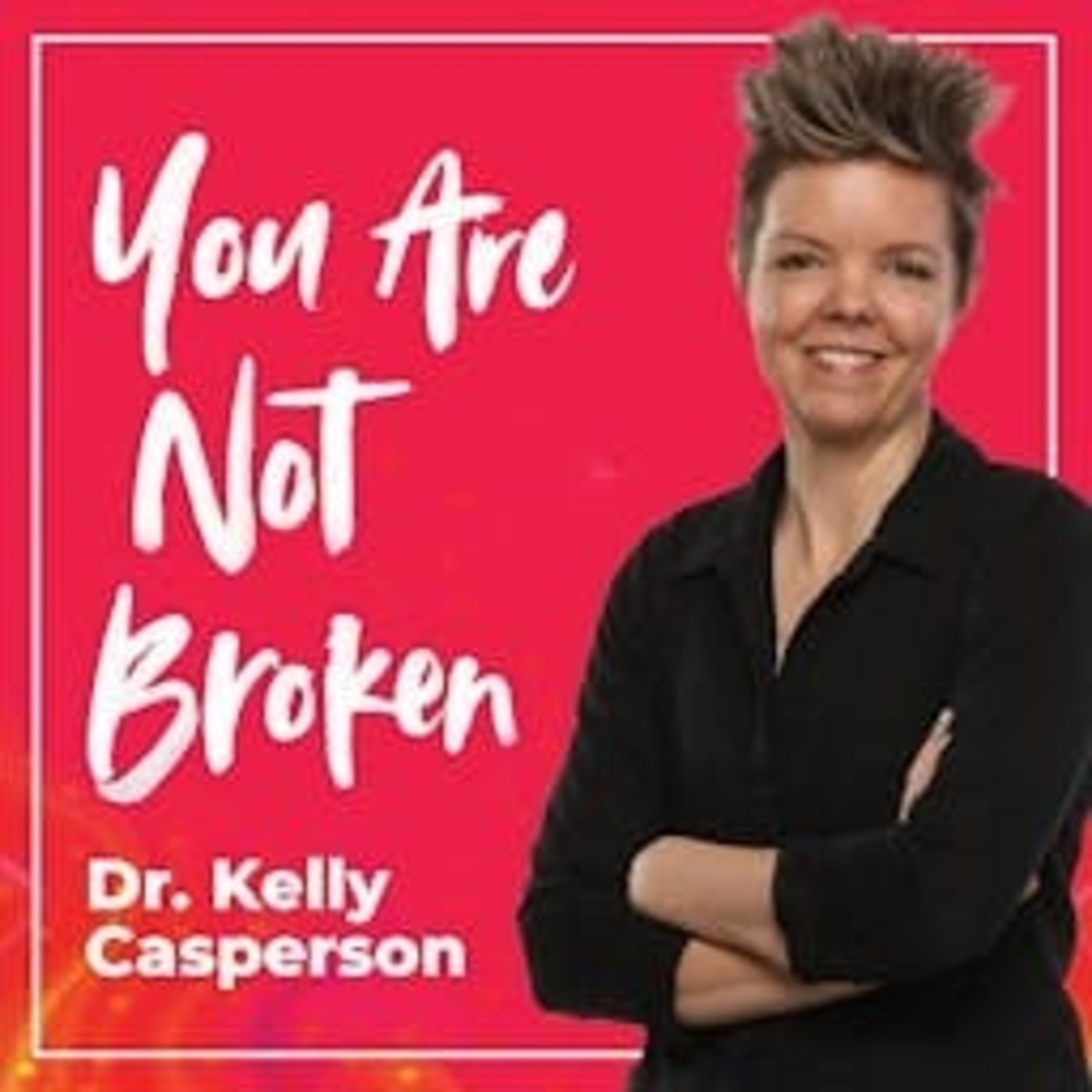
Pregnancy and the postpartum period can bring major changes in mental health, hormones, relationships, and identity—but many people still struggle to find informed, compassionate care. Dr. Kelly Casperson is joined by Dr. Stephanie Waggel and Dr. Misty Richards to discuss perinatal mental health, medication questions, the importance of support, and gaps in the systems meant to help families. The conversation also considers how intense media coverage of postpartum tragedies can create fear, why providers need time and training to discuss treatment options, and how care can be better coordinated. The guests emphasize that postpartum depression and psychosis are treatable, and that people facing mental health concerns are not alone. Topics discussed The guests’ paths into reproductive and perinatal mental health Dr. Waggel’s ongoing review of research on medications and maternal, fetal, and neonatal outcomes Weighing treatment decisions against the risks of untreated mental illness Hormonal changes during pregnancy and after birth Postpartum depression, intrusive thoughts, and postpartum psychosis The impact of sensationalized news coverage on parents seeking help Social support, recovery time, and the transition to parenthood Screening, provider education, and coordinated care Barriers such as limited appointment time, insurance requirements, and fear of litigation Resources mentioned: MotherToBaby and Postpartum Support International Guests Dr. Stephanie Waggel is a physician, educator, and founder of Improve Medical Culture, an organization dedicated to improving medical culture and supporting healthcare professionals and students. She has more than 20 years of experience in mental health, specializing in depression, anxiety, OCD, ADHD, and PTSD. Certified in perinatal mental health, she has advanced training in psychopharmacology and focuses on safe, evidence-informed treatment during pregnancy. Her work also includes mentoring future physicians and advocating for improved mental health support within healthcare. Dr. Misty Richards is an Associate Clinical Professor with appointments in the UCLA Division of Child and Adolescent Psychiatry and the Department of Obstetrics and Gynecology. She directs the UCLA Child and Adolescent Psychiatry Fellowship and serves as Associate Medical Director of the UCLA Maternal Mental Health Partial Hospitalization Program. She is also Co-Founder and Medical Director of Perinatal Psychiatry for the Maternal Outpatient Mental Health Services (MOMS) Clinic. Her clinical and academic work focuses on perinatal psychiatry and infant mental health. This episode is an educational discussion, not personalized medical advice. For individual treatment questions, consult a qualified health professional. Dr. Waggel online: https://www.ImproveLifePLLC.com (https://www.improvelifepllc.com/) My Website (https://kellycaspersonmd.com/) Thanks to our sponsor: Addyi, the little pink pill. Visit Addyi.com/notbroken (http://addyi.com/notbroken). Eligible patients only. Restrictions apply. This episode is sponsored by Joi and Blokes.
Episode information is provided by the publisher. Listening takes place on the publisher’s service.
Listen at the source ↗