Fighters: The Road to Fighters Part 4: The Future of Fighter Training – Andrew “Hazno” Faith
57 min
Listen through the publisher, then discuss the episode here or arrange an in-person Roundtable. Your city determines where to meet.
Roundtables are designed for groups of four, with a shared subject and room for everyone to speak. Come for discussion, with no dating expectation.
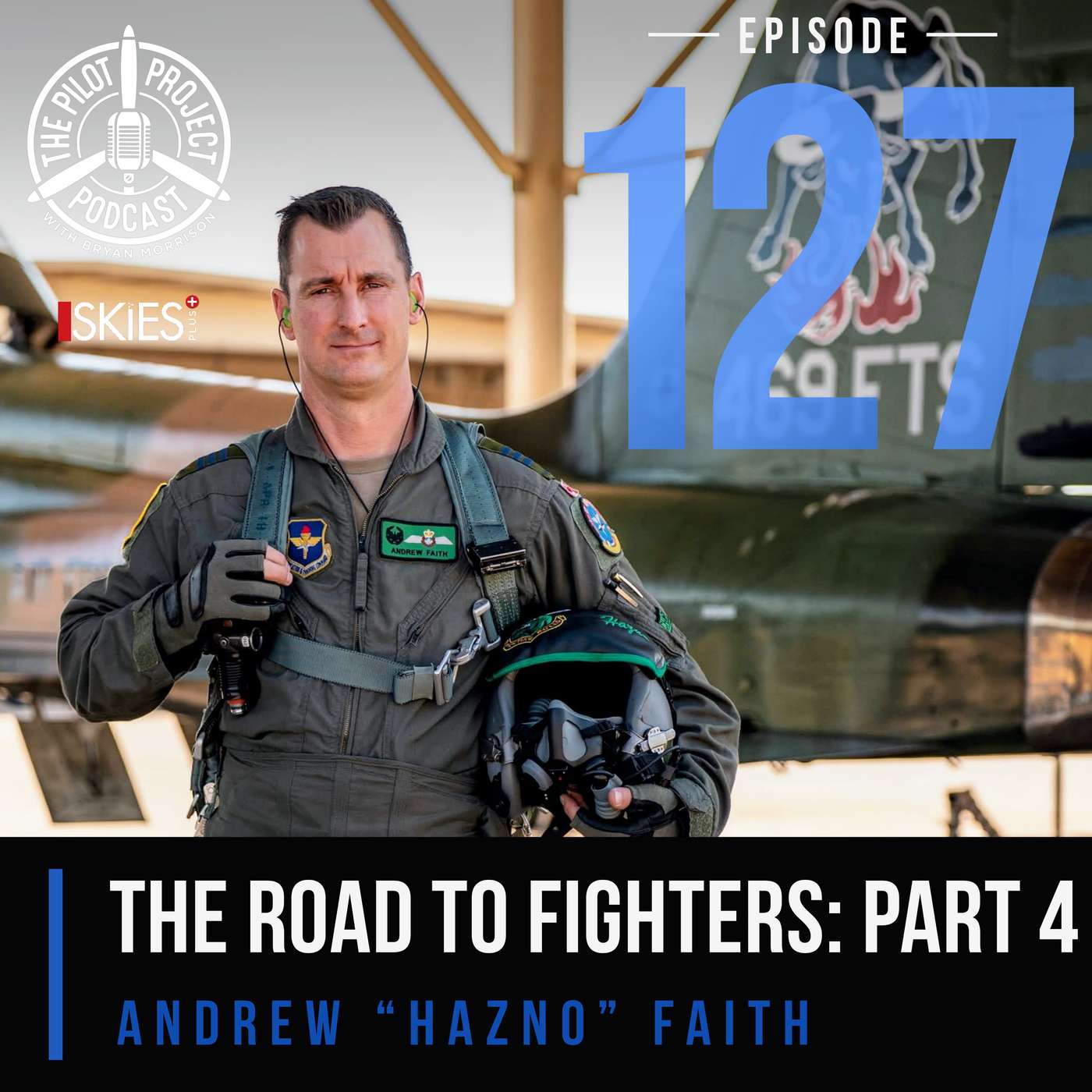
What does it take to become a fighter pilot, and how will Canada train its next generation of fighter pilots for the F-35? In the conclusion of our four-part series, The Road to Fighters, Lieutenant-Colonel Andrew “Hazno” Faith explores the past, present, and future of Fighter Lead-In Training (FLIT) in the Royal Canadian Air Force (RCAF). Andrew explains what separates a jet pilot from a fighter pilot, the habits of successful students, and the importance of teamwork, preparation, and decision-making under pressure. We discuss the retirement of the CT-155 Hawk, the challenges of rebuilding Canada's domestic fighter training program, and how training in the United States and Italy is helping bridge the gap. We also explore the potential of the M-346, the International Tactical Training Centre in North Bay, and the role of simulation in preparing pilots for the F-35. Finally, Andrew reflects on nearly 25 years of military service and what serving Canada has meant to him. (00:00:00) Introduction and Welcome (00:02:10) What Is Fighter Lead-In Training (FLIT)? (00:04:24) From Fighter Training to an Operational Squadron (00:06:23) Phase III vs. Introduction to Fighter Fundamentals (00:08:54) A Typical Fighter Lead-In Training Mission (00:11:34) What Should a FLIT Graduate Be Ready For? (00:12:21) Drop Night: Finding Out What You'll Fly (00:13:41) What Separates a Jet Pilot from a Fighter Pilot? (00:17:53) The Habits of Successful Fighter Pilot Students (00:19:41) Making Decisions in the Grey (00:22:01) Fighter Flying Is a Team Sport (00:24:15) Why Canada Retired the CT-155 Hawk (00:25:12) Putting 419 Squadron on Hiatus (00:28:53) The Biggest Challenge Facing RCAF Modernization (00:30:48) Balancing Operations and Training with Limited Personnel (00:32:40) The Impact of Flight Training Delays (00:35:38) What Is Bridge FLIT? (00:36:44) Lessons from M-346 Training in Italy (00:37:55) Building Canada's Future Fighter Training Program (00:40:14) Preserving Canadian Instructor Expertise (00:43:12) International Tactical Training Centre in North Bay (00:46:13) Preparing F-35 Pilots Through Simulation (00:48:52) Can Simulators Replace Actual Flying? (00:51:04) Reflections on Nearly 25 Years of Service (00:53:56) Closing Thoughts and What's Next CONTINUE THE FLIGHT Enjoyed this conversation? Catch up on Andrew “Hazno” Faith's journey from fighter training and combat operations to instruction and squadron command: Part 1: From Hawk to Hornet Part 2: Into Combat Part 3: Training Future Warriors Explore The Logbook
Episode information is provided by the publisher. Listening takes place on the publisher’s service.
Atomic NSW Tournament Series Grand Final 2026 — Lake Macquarie Just 60 grams separated first and second place! The 2026 Atomic NSW Tournament Series wrapped up on Lake Macquarie on 14–15 November, and what a way to finish the season! Strong winds, changing conditions, some incredibly tough fishing and three very different approaches produced an exciting Grand Final. In this episode of The Lure Fishing Project, Andrew catches up with the podium anglers to find out exactly how they caught their fish, which lures made the difference and the decisions that shaped the final results. We also look back over the six rounds of the 2026 series, celebrate the Angler of the Year winners and announce the venues and dates for 2027. 1st Place — Hooked Up / DTH Plumbing Daniel Holder & Steven Cefai — 7.01 kg Saturday: 3.22 kg Sunday: 3.79 kg Daniel and Steven claimed the Grand Final victory without a pre-fish, relying on their experience, teamwork and the ability to adapt to changing conditions. Fishi
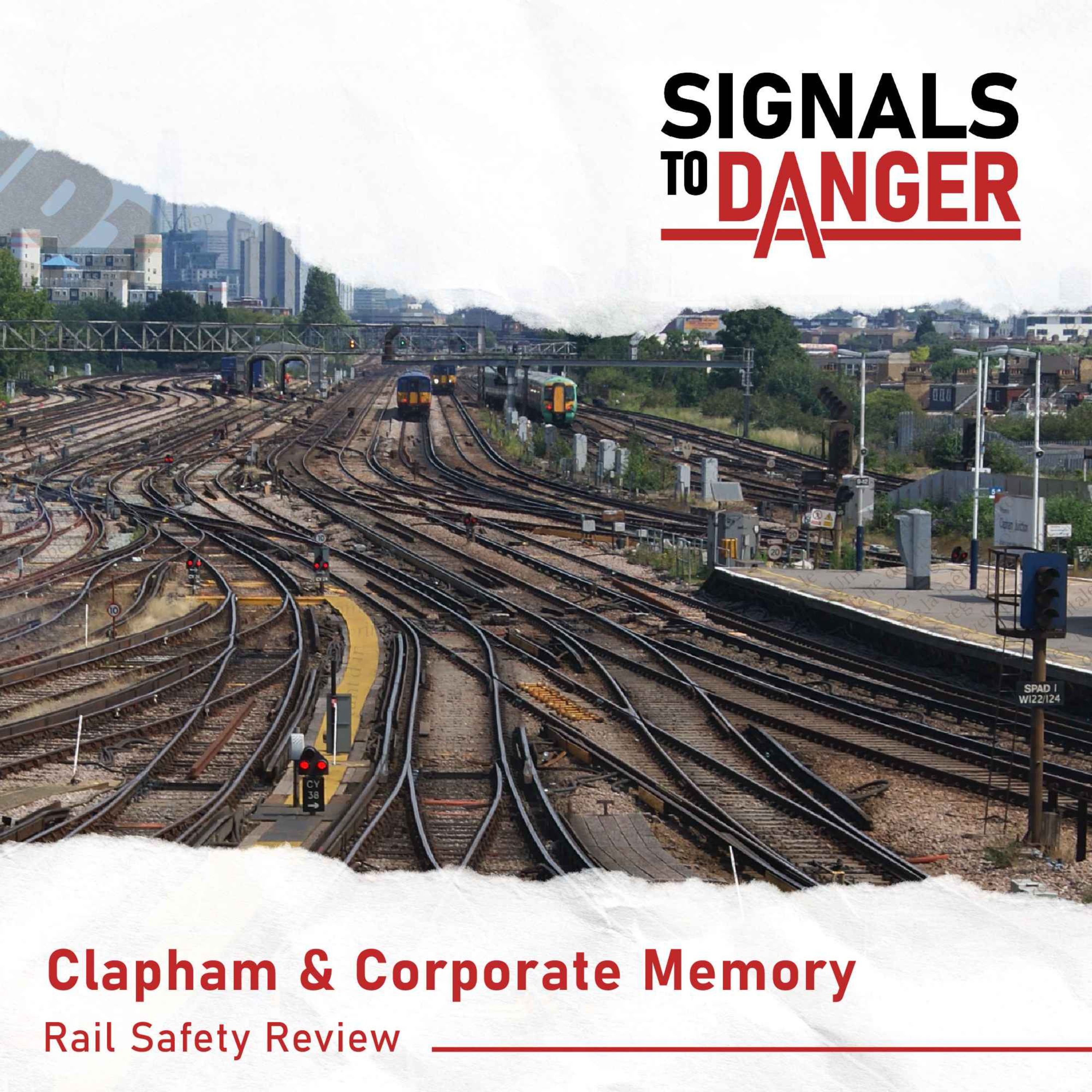
The railway learns lessons after disaster. But how does it keep those lessons alive when the people who learned them move on? To close Clapham month, this Rail Safety Review explores corporate memory: the knowledge an industry carries forward, and the understanding behind the rules, checks and working practices it inherits. We begin at South Wingfield in October 2022, where two trains came to a stand just seventy-five metres apart after a signalling error allowed a passenger train into an occupied section. From there, we follow investigations into unsecured points at Cardiff East Junction, a collision at London Waterloo and a derailment at Dalwhinnie. Each incident had its own causes, but together they raise questions which reach directly back to Clapham. How are changes to signalling equipment controlled? What does each check actually prove? And how can an organisation establish that the safeguards written into its procedures are protecting the railway in practice? Through these inves
When he’s not preparing for interviews or putting episodes together, host John Moe is reading up on some remarkable things happening in the field of mental health. Some of the news is pretty great, with new treatment options and breakthroughs in research. Other news? A little more challenging with the dangers of AI and social media coming into sharper relief. On this no-guest, just-John episode of our show, we hear about eight big stories you’ll want to know more about: American states getting results in mental health mitigation from social media companies Increased awareness of the threats of AI psychosis Breakthroughs in biological markers for mental illness that could change the way we think about causes and treatments Physical inflammation as an increasingly likely cause of depression The long-term effects of complex trauma from covid explaining the explosion of conspiracy theories Progress in bipartisan mental health reform for airline pilots, meaning better safety for everyone Th
ESG Fitness - https://esgfitness.co.uk (https://esgfitness.co.uk/) Commit - https://esgfitness.co.uk/commit Whatsapp - https://wa.me/message/4ETG3WRTOEEED1 ESG Fitness Podcast host ESG shares a mindset shift for getting in shape and staying in shape: act now like the version of yourself whose habits support those results. Drawing on a client’s progress and confidence, the episode argues for sustainable routines over restrictive diets, and explains why you don’t need to wait until you’re fit to begin. keywords fitness mindset, sustainable weight loss, healthy habits, yo-yo dieting, women’s fitness, confidence, strength training key topics A client lost around seven kilograms, gained confidence, and progressed to five full push-ups while feeling able to manage independently. The host’s core principle: live now like the version of yourself who gets in shape and stays in shape, rather than treating it as a temporary six-week phase. Build habits around your real life, including how you eat,
BONUS MONDAYS: Today on the show, we are thrilled to once again dive into the fascinating world of psychic and medical intuitive, Julie Ryan. A true luminary in her field, Julie's journey from a young Southern native discovering her innate psychic abilities to becoming a beacon of healing and guidance has captivated audiences worldwide. Throughout her remarkable career spanning decades, Julie has touched countless lives with her unique gifts. From her early days of apprehension to embracing and honing her talents, Julie has dedicated herself to assisting others in understanding their health issues and finding paths to holistic well-being. Her ability to tap into the intricate web of energy fields and connect with spiritual guidance has led to transformative insights for her clients, earning her widespread acclaim and recognition. With appearances on television, radio, and as a sought-after speaker, Julie's influence extends far beyond her consultations. Her commitment to sharing her kn
Hosts: Kathleen Romanowski – University of California Davis Hospital, Shriners Hospital Sacramento Laura Johnson – Grady Memorial Hospital Victoria Miles – Louisiana State University Health Science Center, University Medical Center New Orleans Learning Objectives: Describe the current burn surgery workforce shortage and identify structural barriers to recruitment, including limited exposure to burn care during surgical training, inconsistent training pathways, and misconceptions about the scope of burn surgery practice. Evaluate the factors influencing trainees' decisions to pursue burn surgery, including the operative environment, multidisciplinary and longitudinal nature of burn care, on-call responsibilities, and perceived lifestyle limitations, using findings from published workforce and trainee surveys. Discuss the challenges of burn surgeon retention and career sustainability, including burnout, emotional demands, workload, mentorship, and the importance of developing sustainable
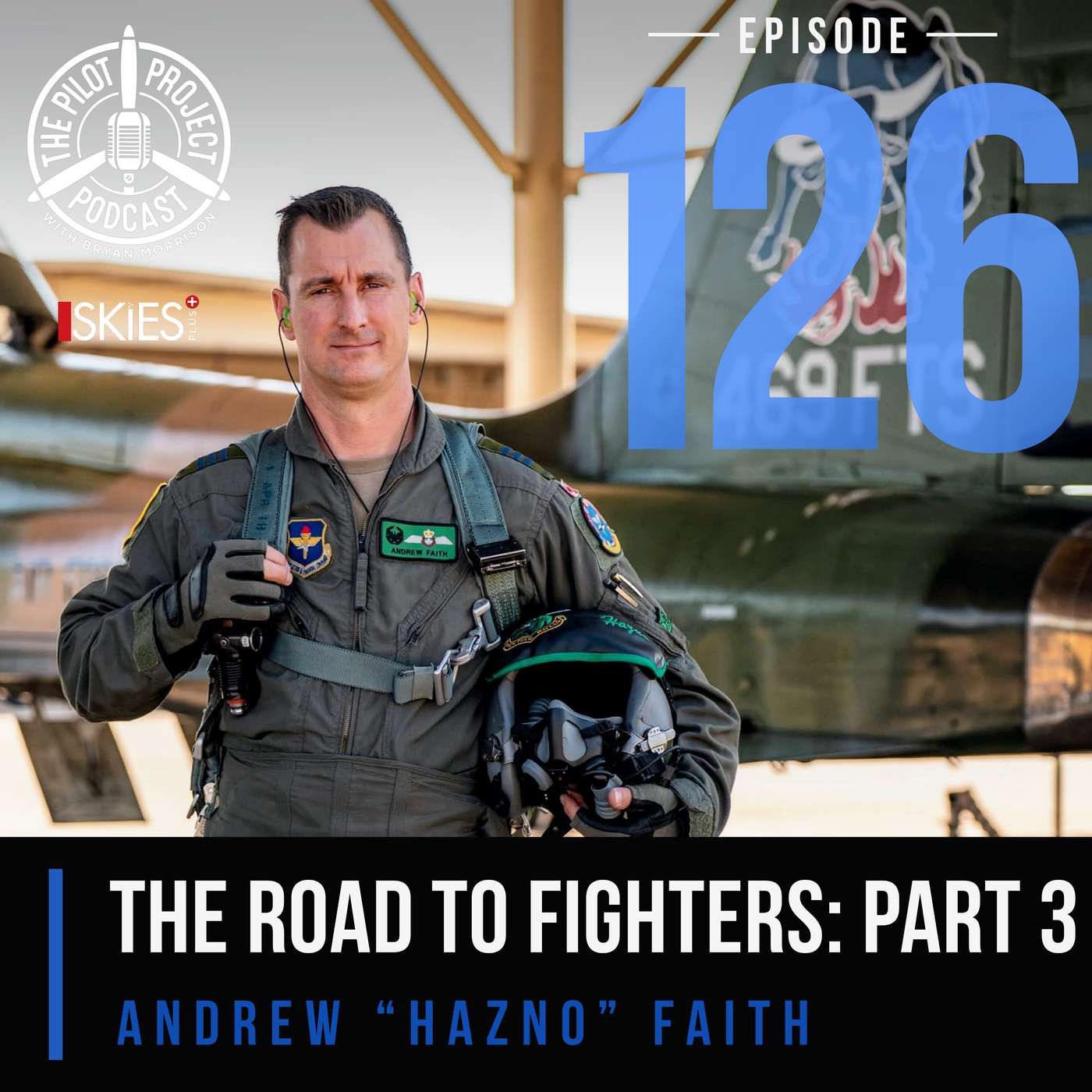
What does it take to prepare the next generation of fighter pilots for combat? In Part 3 of The Road to Fighters, Lieutenant-Colonel Andrew “Hazno” Faith takes us inside the world of military flying training, multinational exercises, and squadron command. Drawing on his CF-18 combat experience, Hazno explains how MAPLE FLAG prepares aircrews for the realities of war, the challenges of instructing on the Harvard II and Hawk, and what makes a great flying instructor. We explore the Euro-NATO Joint Jet Pilot Training program at Sheppard Air Force Base, where Hazno became the first Canadian to command the 469th Flying Training Squadron, and why he believes commanders need to stay in the cockpit. Hazno also shares his approach to leadership, building trust while maintaining standards, and the difficult decision to turn down his dream posting for the sake of his family. It's a conversation about developing future warriors while remembering the people behind the uniform. (00:00:00) Introducti
What happens when a jet's landing gear fails, and how do you know when it's finally time to hang up your flying helmet after a lifetime in aviation? In Part 2 of our conversation with former Royal Canadian Air Force Red Knight Darwin “Tex” Deagnon, we follow his remarkable journey beyond the F-86 Sabre and the airshow circuit. Tex takes us into the cockpit of the supersonic T-38 Talon, recounting a dramatic emergency landing with his nose gear stuck up, and reflects on instructing American pilots returning from the Vietnam War. We explore his leadership roles in the RCAF and the decision to retire from military service at just 40 years old. But his flying career was far from over. From operating C-47 Dakotas in the Canadian Arctic and flying corporate aircraft around the world to navigating the mountains of British Columbia, working on the film *Alive*, and transitioning to the Airbus A320, Tex's career would eventually span 38 aircraft types and more than 24,000 flying hours. We also
What happens when a Canadian fighter pilot accidentally crosses the Iron Curtain? And what does it take to become one of the RCAF's legendary solo jet demonstration pilots? In Part 1 of our conversation with former Royal Canadian Air Force pilot Darwin “Tex” Deagnon, we travel back to the early days of Canadian jet aviation, from his childhood in rural Saskatchewan to flying the F-86 Sabre on the front lines of the Cold War. Tex shares memories of growing up in a soldiers' settlement community, taking his first flight with his father in a Piper Cub, and earning his wings at just 19. He recalls training alongside instructors with Korean War experience, his first solo flight in the Sabre, and arriving in France to fly with 430 Squadron at RCAF Station Grostenquin. We explore the realities of NATO fighter operations in Cold War Europe, including a frightening encounter that took Tex's formation into East German airspace. He explains the challenges of fighter weapons instruction, the deman
Interest-rate decisions should explicitly consider both borrowers and savers.
Share your view, then see how readers voted. No sign-in required. This poll is shared across stories.
Do you agree or disagree?
Common Quandary
A Common Quandary to discuss
Another conversation to explore, separate from this news story.
Everyone clicks through mandatory training without reading it. May you do the same?
Your employer requires an hour-long annual course whose answers have not changed in years. Coworkers run it in the background and share the quiz answers. Completing it carefully would make you late for actual work with a deadline.
When does pointless compliance excuse pretending to comply?