On 12 December 1988, 35 people lost their lives and 484 were injured when three trains collided on the approaches to Clapham Junction. The subsequent investigation exposed far more than a single signalling fault. It revealed serious weaknesses in the way British Rail installed, tested and supervised safety-critical equipment, and raised fundamental questions about how safety was managed across the organisation. In November 1989, Anthony Hidden QC published his findings, making 93 recommendations intended to prevent future accidents, improve safety management and reduce the consequences when things went wrong. But what happened next? In the concluding episode of our three-part investigation into the Clapham Junction disaster, we examine the legacy of Hidden's report and the changes that followed. From signalling installation standards, independent testing and the management of working hours, to Automatic Train Protection, cab radio, rolling-stock crashworthiness and emergency preparedne
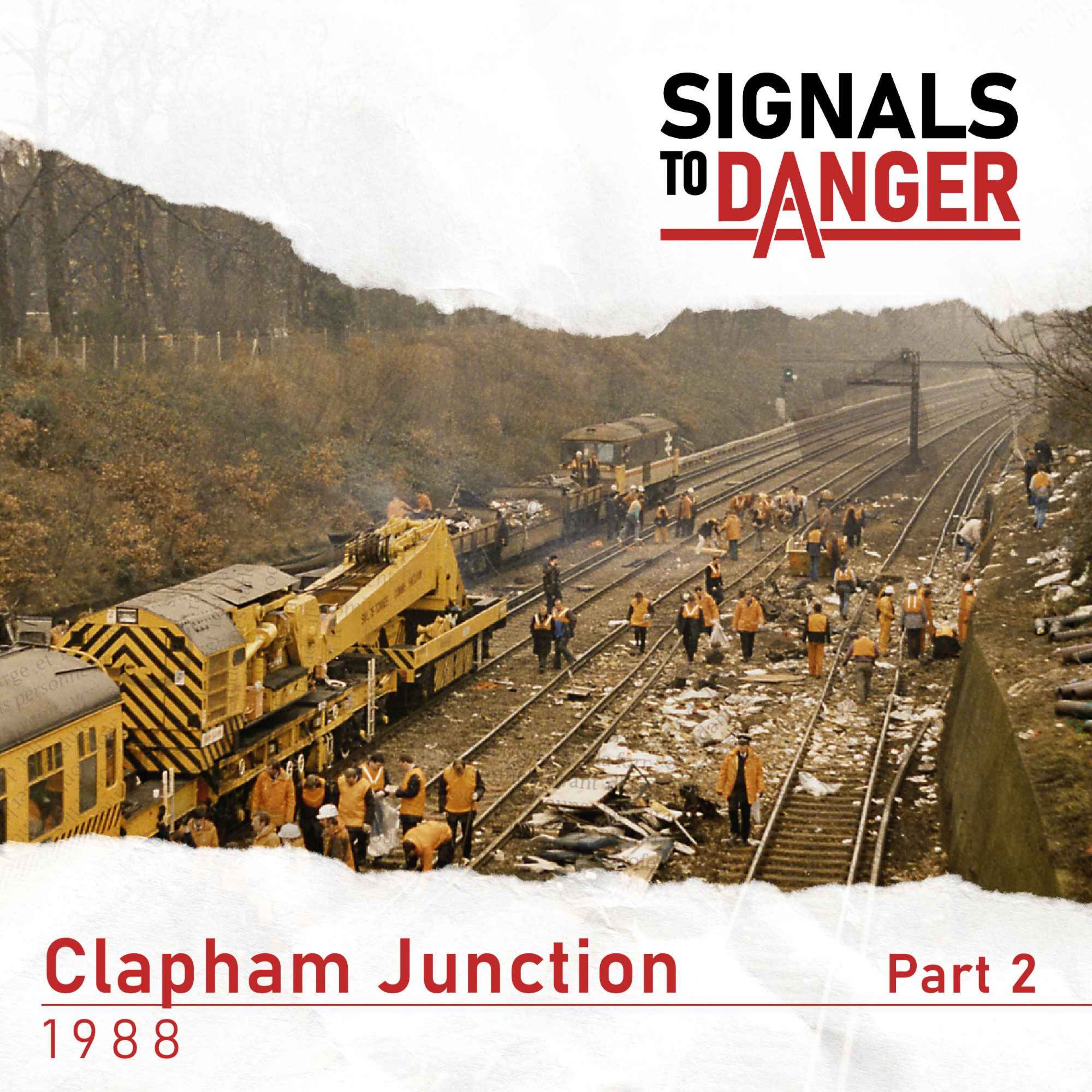
On the morning of 12 December 1988, three trains collided near Clapham Junction in south London. Thirty-five people lost their lives, and hundreds more were injured. The disaster raised a fundamental question about railway safety: how could a signalling system designed to keep trains apart allow one to proceed towards another standing on the same line? In the second episode of our three-part series, we follow the investigation into the Clapham Junction railway disaster. At the centre of the inquiry was signal WF138, which had displayed dangerously incorrect aspects to approaching Drivers. Investigators would discover how a single redundant wire, left behind during signalling alterations, had created an electrical false feed capable of defeating a vital safety protection. But identifying the electrical fault was only the beginning. The investigation, led by Anthony Hidden QC, examined the engineering work undertaken as part of the Waterloo Area Resignalling Scheme, the failure to indepe