5 healthy eating reflexes I wish everyone had for better energy, mood and gut health | Dr Rupy Aujla
43 min
Listen through the publisher, then discuss the episode here or arrange an in-person Roundtable. Your city determines where to meet.
Roundtables are designed for groups of four, with a shared subject and room for everyone to speak. Come for discussion, with no dating expectation.
Put food-as-medicine into practice. My mission with this podcast and everything we create at The Doctor’s Kitchen is to help you feel more in control of your health through food. After 15 years as a doctor and hundreds of conversations with experts, I’ve developed 5 healthy eating reflexes that I use almost every day and share with friends and family. They help me make healthier choices wherever I am. And over time, they can make a real difference to your energy, mood, gut health and long-term health. That’s exactly why I created The Doctor’s Kitchen app: to put all of this in one place, in recipes you’ll actually want to cook. We sweat the details, from protein and fibre to the variety of plants in every recipe, so you can focus on making delicious food and enjoying it. In this episode: How to read food labels and see past the health claims Easy ways to get more protein into your breakfast How I get more greens into my meals, even when eating out The plant foods I try to eat every day for gut health How to get more polyphenols from everyday foods and drinks You don’t need to change everything at once. Pick one and start there! More from us Watch the podcast on YouTube here (https://tdk.link/pod_sn_yt) Download The Doctor’s Kitchen app (https://tdk.link/pod_sn_app) View full show notes, including guest details, on our website (https://tdk.link/pod_sn_web) ☕️ Try Exhale Coffee here (https://exhalecoffee.com/pages/rupy) Follow on Instagram (https://tdk.link/pod_sn_ig) Hosted on Acast. See acast.com/privacy (https://acast.com/privacy) for more information.
Episode information is provided by the publisher. Listening takes place on the publisher’s service.
If you're training hard but feeling wiped, eating a restricted diet for your gut, or just never hungry after a tough workout, you might not be getting the protein you need. This episode breaks down how much you really need and how to get it without upsetting your gut. YOU'LL TAKEAWAY: Macronutrients and calories 101, and how restrictive diets throw off your balance How your body digests protein, and why it matters before workouts The many roles of protein, from enzymes and iron storage to post-workout appetite How much protein you need, plus 3 easy low FODMAP ways to boost it — RESOURCES & LINKS MENTIONED: ⤵️ Want high touch coaching support for IBS & fuelling performance? Apply for coaching. (http://gutfitnutrition.com/apply) Free Training: How to Control IBS So You Can Fuel Your Training Without a Lifelong Low FODMAP Diet (https://gutfitnutrition.com/heal-ibs-training-live) Supporting your immune system when you're sick (Ep. 70) (https://open.spotify.com/episode/5bCto0jWLcbC5hQW4hrH6
Is your body weight stable, but you're still not eating enough to properly fuel your training, recovery, and overall health? Introducing Why Stable Weight Doesn't Always Mean You're Eating Enough from Jeff Hoehn of the Mind Muscle Connection Podcast (https://www.buzzsprout.com/1508401). Just because your weight isn't changing doesn't necessarily mean you're adequately fueled. In this episode, Jeff breaks down why maintaining a stable body weight doesn't always mean you're meeting your body's energy needs, especially if you're training hard, staying lean, or spending long periods dieting. You'll learn: Why stable body weight doesn't automatically mean adequate energy availability Who is most at risk of underfueling, even when their weight isn't changing How high training output, staying too lean, and chronic dieting can contribute to low energy availability The potential signs of underfueling, including changes in performance, recovery, hormones, and menstrual health Why spending too lo
Jennifer is feeling a lot better this week - find out what she did in this week's Keto Consult with Dr Boz and Jennifer Marie. Increasing ketone levels by fasting, an update on Jennifer Marie's menopause symptoms and 3 day sleep protocol results. She even shares some expert #FastingTips! You do not want to miss this week's Keto Consult with Dr. Boz and Jennifer Marie! Learn more about the mental benefits of Keto in my blog: https://bozmd.com/keto-diet-and-brain-health/ Jennifer Marie wrote an article about her role as her husband's caregiver during his sleep 3 day sleep reset protocol -- https://lowcarbinspirations.com/sleep/ Jennifer Marie's Book link: (affiliate link) https://amzn.to/2uuEqt2 Preorder gift: https://lowcarbinspirations.com/preor... JENNIFER MARIE's Recipes: https://lowcarbinspirations.com/ Weekly meal plans: www.mealplanbuddy.com Keto Friendly Recipes Facebook Page: www.facebook.com/ketofriendlyrecipes Low Carb Inspirations Facebook Group: https://www.facebook.com/grou
Rob reveals his secrets to keeping things hot in the bedroom throughout his marriage and well after menopause and he called in to talk all about it. Tune in to hear all the details including how things changed in their bedroom once his wife finally spoke up about her not having orgasms, what he learned about pleasing her and how he went on a mission to figure her out, the books he read that completely changed the game, how their sex life changed when she went through menopause, all the things he tried to make sex more pleasurable again for her, how he came up with a unique way to apply lubricant that helped prevent pain and tearing, how his wife had a prolapsed cervix and the surgery she had to correct it, how and why she became way to tight afterwards, what he introduced in the bedroom that completely loosened her up and allowed her to start having sex again, why she refused to go on HRT and the over-the-counter products he found for her that helped with vaginal dryness and tearing, h
Get the 200+ Page Optimal Living Daily Workbook (PDF) - Free. Want to turn today's episode into an actionable plan? Episode 4233: Kate Galliett explains three reasons we make health, fitness and life harder than they need to be: ignoring how the body works as a connected system, trusting only extreme intensity, and leaking the energy that fuels motivation and discipline. She makes the case that appropriate effort, not maximum effort, is the only sustainable path to lasting results. Read along with the original article(s) here: https://fitforreallife.substack.com/p/why-you-make-everything-harder-than Quotes to ponder: "The better way is to give appropriate effort and get appropriate results. This is the only sustainable way." "If you try and live at the extremes, you will constantly ping-pong back and forth from one extreme to the other." "Just imagine - you might not actually lack discipline after all, you just might be leaking energy that feeds your ability to be disciplined." We spen
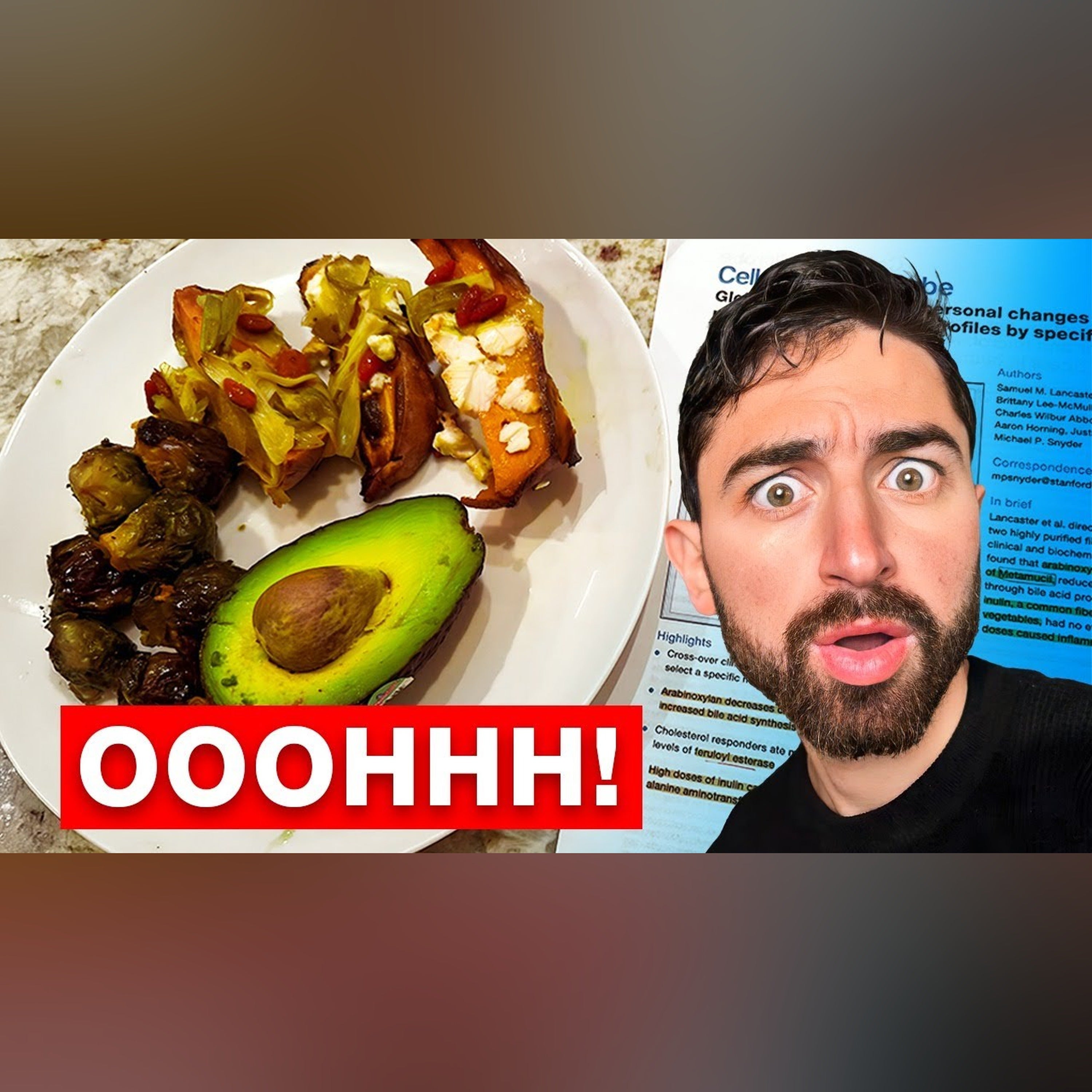
For extra details and all the references, see this letter: https://staycuriousmetabolism.substack.com/p/fiber-is-good-for-you-is-lazy-science?r=40ekz2 Winnow Microplastic Binding Probiotic: https://www.winnowlabs.com/STAYCURIOUS Microplastics and Heart Health, Letter https://staycuriousmetabolism.substack.com/p/microplastics-in-my-heart-its-worse?r=40ekz2 Description: Fiber gets treated like one simple “good for gut health” nutrient… but that’s a massive oversimplification. In this video, I break down a high-resolution Stanford human crossover trial comparing two “soluble fibers” that produced radically different outcomes: arabinoxylan vs inulin. Same category label, completely different biology. You’ll see why dose matters, why host response matters, and how “fiber is good” or “fiber is bad” is so oversimplified these statements are effectively full-blown misinformation. For extra nuance, references, and commentary from the senior author, check out the Stay Curious Metabolism newslett
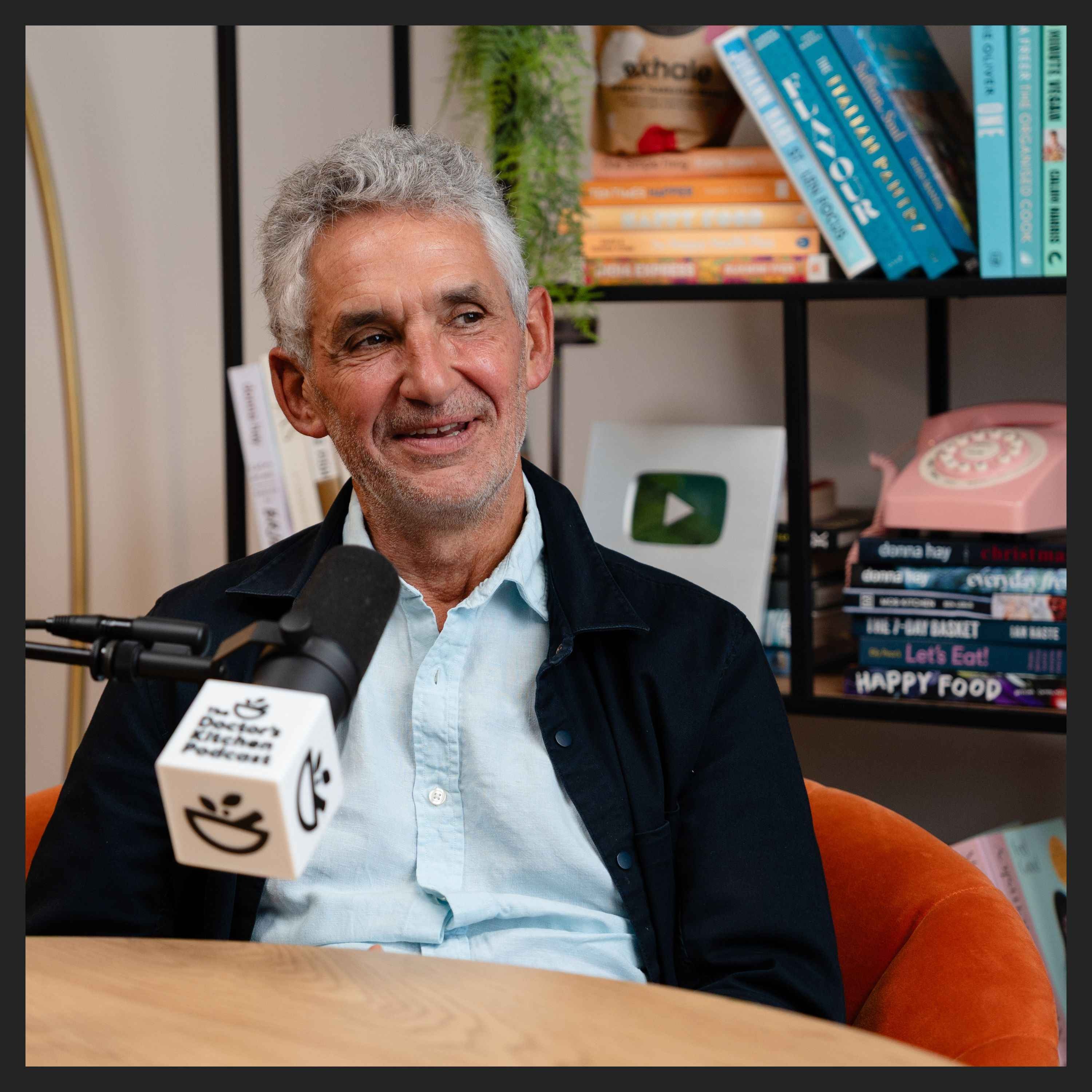
Every time you cook a meal, you could be shaping your mood, energy and how clearly you think, as well as supporting your long-term brain health. In this episode, we explore the links between diet, gut microbes, inflammation and brain health with Professor Tim Spector. And we get really foodie, talking through a day of eating, from his go-to breakfast to easy midweek dinners. Professor Spector is Professor of Genetic Epidemiology at King’s College London, a pioneering gut microbiome researcher, scientific co-founder of ZOE and bestselling author. His new cookbook, Good Mood Food, explores how what we eat shapes how we feel, think and age. We cover: How inflammation and the gut–brain connection may influence your mood Blood sugar, brain fog and the debate around glucose spikes Tim’s yoghurt and kefir breakfast bowl, with berries, nuts and seeds What to look for when buying kefir Easy lunches Oily fish, omega-3s and ways to use sardines, anchovies and mackerel Adding more plants and ferme
Public-health protections can justify some limits on individual choice.
Share your view, then see how readers voted. No sign-in required. This poll is shared across stories.
Do you agree or disagree?
Common Quandary
A Common Quandary to discuss
Another conversation to explore, separate from this news story.
The night before the wedding, your friend admits serious doubts. Do you tell their partner?
On the night before a wedding, your closest friend says they are unsure they should marry but insists it is ordinary panic. They make you promise secrecy and plan to proceed. Their partner asks you directly whether everything is okay.
When does loyalty require breaking a confidence before an irreversible choice?