Put food-as-medicine into practice. My mission with this podcast and everything we create at The Doctor’s Kitchen is to help you feel more in control of your health through food. After 15 years as a doctor and hundreds of conversations with experts, I’ve developed 5 healthy eating reflexes that I use almost every day and share with friends and family. They help me make healthier choices wherever I am. And over time, they can make a real difference to your energy, mood, gut health and long-term health. That’s exactly why I created The Doctor’s Kitchen app: to put all of this in one place, in recipes you’ll actually want to cook. We sweat the details, from protein and fibre to the variety of plants in every recipe, so you can focus on making delicious food and enjoying it. In this episode: How to read food labels and see past the health claims Easy ways to get more protein into your breakfast How I get more greens into my meals, even when eating out The plant foods I try to eat every day
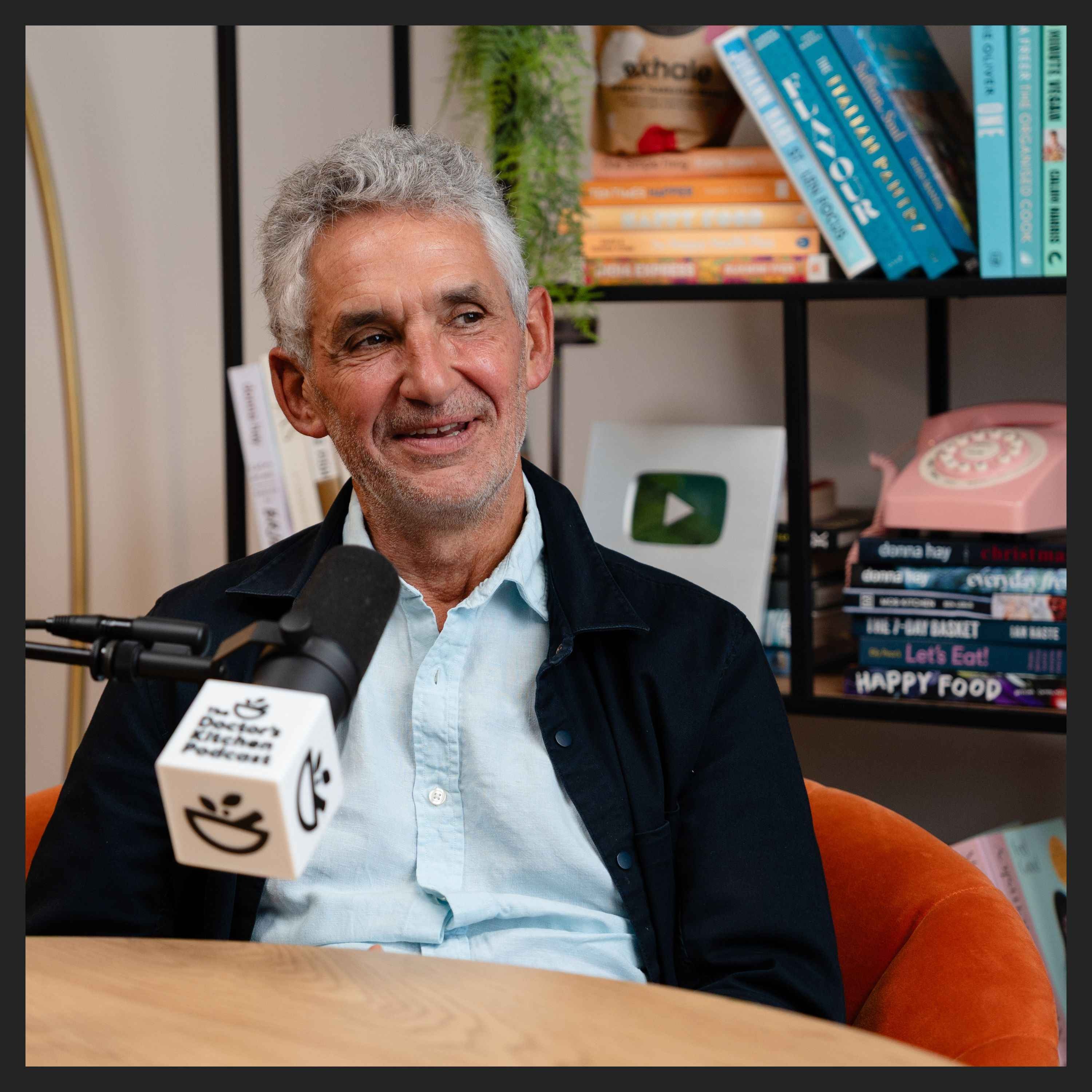
Every time you cook a meal, you could be shaping your mood, energy and how clearly you think, as well as supporting your long-term brain health. In this episode, we explore the links between diet, gut microbes, inflammation and brain health with Professor Tim Spector. And we get really foodie, talking through a day of eating, from his go-to breakfast to easy midweek dinners. Professor Spector is Professor of Genetic Epidemiology at King’s College London, a pioneering gut microbiome researcher, scientific co-founder of ZOE and bestselling author. His new cookbook, Good Mood Food, explores how what we eat shapes how we feel, think and age. We cover: How inflammation and the gut–brain connection may influence your mood Blood sugar, brain fog and the debate around glucose spikes Tim’s yoghurt and kefir breakfast bowl, with berries, nuts and seeds What to look for when buying kefir Easy lunches Oily fish, omega-3s and ways to use sardines, anchovies and mackerel Adding more plants and ferme