Listen through the publisher, then discuss the episode here or arrange an in-person Roundtable. Your city determines where to meet.
Roundtables are designed for groups of four, with a shared subject and room for everyone to speak. Come for discussion, with no dating expectation.
Measuring what people habitually eat is a central challenge in understanding the relationship between diet and chronic disease. Nutritional biomarkers offer a way to assess exposure without relying entirely on self-reported intake. But how much can a measurement in blood or urine actually tell us about someone's diet? And when might it reflect underlying metabolism or early disease processes? In this episode, Dr. Fumiaki Imamura explains the strengths and limitations of nutritional biomarkers, drawing on research into fatty acids, Mediterranean dietary patterns, and sodium. Dr. Imamura is a nutritional epidemiologist and senior scientist at the University of Cambridge, whose work investigates dietary exposures and their relationships with diabetes and cardiovascular disease. Timestamps [03:37] Guest background [05:41] What are nutritional biomarkers? [07:27] What makes biomarkers robust [09:48] Why epidemiology needs biomarkers [13:48] Limits and confounders [16:24] Dairy fat biomarkers and diabetes [22:08] Causality and metabolic effects [26:00] Fatty acid patterns and scores [31:27] Best use cases sodium example [35:07] Combining biomarkers and diet data [41:29] Premium key ideas Links: Go to episode page (https://sigmanutrition.com/podcast/episode627) Join the Sigma newsletter (https://sigmanutrition.com/newsletter/) for free
Episode information is provided by the publisher. Listening takes place on the publisher’s service.
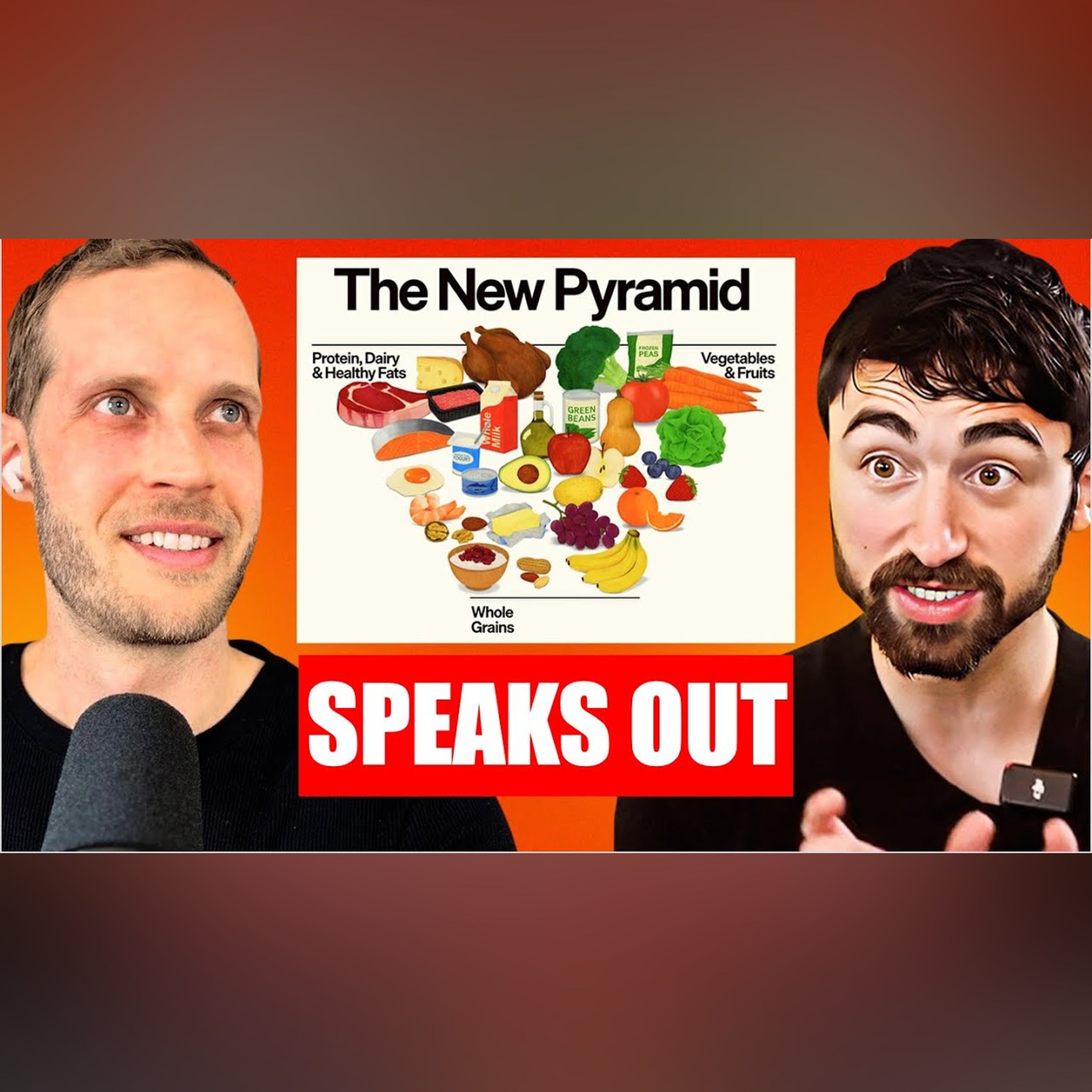
For a written digest on the guidelines, see the StayCurious Metabolism Letter: https://staycuriousmetabolism.substack.com/p/the-new-dietary-guidelines-actually?r=40ekz2 The 2025–2030 Dietary Guidelines are being marketed as a major reset with a simple message: put “real food” back at the center of the American diet. And in a lot of ways, they do represent progress. But when you actually read what’s written, some of the most important details raise real questions. For example, the document still states that saturated fat should not exceed 10% of total daily calories. To separate signal from spin, I’m joined by Dr. Ty Beal PhD, who worked on the evidence review side of the Guidelines process, to explain what the scientific background documents actually say, what happens after scientists submit reviews, and why the final public-facing document can end up with compromises, inconsistencies, or imprecise terminology. If you want a clear, good-faith breakdown—what’s genuinely better, what sti
"The Big Secret" documentary portrays how the U.S. healthcare system was reshaped by corporate and pharmaceutical forces, replacing natural healing with a drug-centered, profit-driven medical monopoly The shift began with the Flexner Report, backed by Carnegie and Rockefeller interests, which redefined medical legitimacy and opened the door to corporate control over healthcare Modern medicine has wrongly vilified cholesterol, leading to widespread statin use that can undermine hormone health, cognitive function, and metabolic resilience Industrial agriculture, glyphosate, and processed foods strip essential minerals from the food supply. This has been linked to widespread nutritional deficiency and chronic disease across generations The real "big secret" is that health can restore itself once you eliminate what disrupts it and provide the inputs it's always required
In this video I explain everything you need to know about Ketone Urine Strips / Urine Strip Tests for Ketosis. Understand how Ketone Urine Strips identify Ketones and Ketosis. If you're new to the Keto Diet it is important to understand why Ketone Urine Strips may be helpful and why Ketone Urine Strips may not be very helpful if you're well into your Ketogenic Journey. Learn More about the importance of measuring Ketones here: https://bozmd.com/measuring-ketones-is-important/ This is an excerpt from Keto Consults with Dr. Boz: https://bit.ly/2GzctYm Thanks for checking out the Dr Boz Channel. Tune in Sunday nights, 6PM Central Time to watch me Live! We are KETONES FOR LIFE. Improving your health - One ketone at a time. Dr Boz’s First ONLINE Course Consistently Keto: https://bozmd.com/shop WAYS TO SUPPORT THIS CHANNEL: Buy Dr Boz Products. Dr Boz K2+D3: https://amzn.to/31lIlqL (affiliate link) Dr Boz Ketones-In-A-Can: Raspberry Lemon: https://amzn.to/2GXLlSw Dutch Chocolate Sachets: htt
If you're training hard but feeling wiped, eating a restricted diet for your gut, or just never hungry after a tough workout, you might not be getting the protein you need. This episode breaks down how much you really need and how to get it without upsetting your gut. YOU'LL TAKEAWAY: Macronutrients and calories 101, and how restrictive diets throw off your balance How your body digests protein, and why it matters before workouts The many roles of protein, from enzymes and iron storage to post-workout appetite How much protein you need, plus 3 easy low FODMAP ways to boost it — RESOURCES & LINKS MENTIONED: ⤵️ Want high touch coaching support for IBS & fuelling performance? Apply for coaching. (http://gutfitnutrition.com/apply) Free Training: How to Control IBS So You Can Fuel Your Training Without a Lifelong Low FODMAP Diet (https://gutfitnutrition.com/heal-ibs-training-live) Supporting your immune system when you're sick (Ep. 70) (https://open.spotify.com/episode/5bCto0jWLcbC5hQW4hrH6
Today, I’m honored to connect with Dr. Troy Badger. He is a board-certified cardiologist and interventionalist and the founder of Cardiostrong, a concierge preventive cardiology clinic in Provo, Utah, focused on reducing cardiovascular risk, optimizing metabolic health, and improving strength and cardiorespiratory fitness for executives and athletes. In today’s conversation, we discuss Dr. Badger’s gender- and age-specific approach to heart health, including treatment differences for men and women, and diagnoses such as INOCA, SCAD, vasospastic disease, and Takotsubo. We examine emotions and their influence on heart health, coronary ischemia and cardiomyopathies, labs and diagnostics, how Dr. Badger assesses risk in his patients, and the differences between a CAC and a CCTA. Dr. Badger also shares the labs he finds essential for all patients and discusses the role of VO2 Max, cardiovascular training, and lifestyle—specifically nutrition, the use of GLP-1 drugs, and a multidisciplinary
Get the 200+ Page Optimal Living Daily Workbook (PDF) - Free. Want to turn today's episode into an actionable plan? Episode 4233: Kate Galliett explains three reasons we make health, fitness and life harder than they need to be: ignoring how the body works as a connected system, trusting only extreme intensity, and leaking the energy that fuels motivation and discipline. She makes the case that appropriate effort, not maximum effort, is the only sustainable path to lasting results. Read along with the original article(s) here: https://fitforreallife.substack.com/p/why-you-make-everything-harder-than Quotes to ponder: "The better way is to give appropriate effort and get appropriate results. This is the only sustainable way." "If you try and live at the extremes, you will constantly ping-pong back and forth from one extreme to the other." "Just imagine - you might not actually lack discipline after all, you just might be leaking energy that feeds your ability to be disciplined." We spen
Living longer does not necessarily mean spending more years in good health. But how much of the decline we associate with aging is inevitable, and how much reflects disease, inactivity, and other potentially modifiable factors Nutrition presents a particular challenge in later life: energy requirements often fall, while the need for many nutrients remains unchanged or increases. How should we interpret claims about protein, plant-based diets, supplements, and bone health? To discuss this is Prof. Charlyn Black, a long-time health services and policy researcher at the University of British Columbia, whose work includes the prevention of chronic disease and the role of nutrition in healthy aging. Timestamps [02:42] Interview start [05:38] Chronic disease burden [07:16] Healthspan versus lifespan [09:09] Modifiable ageing factors [13:35] Start early but its never too late [17:12] Diet patterns with most evidence [20:54] Nutrients of concern for older adults [27:31] Bone health [30:55] Pol
Can broad-spectrum vitamin and mineral supplements improve anxiety, depression or emotional regulation? In this Premium-exclusive episode, we examine three randomised, placebo-controlled trials from Professor Julia Rucklidge's research group: NoMAD, investigating anxiety and depressive symptoms in adults; NUTRIMUM, examining depressive symptoms during pregnancy; and BEAM, studying irritability and emotional dysregulation in adolescents. These studies offer an opportunity to explore some central challenges in interpreting nutrition and mental health research. What does "faster improvement" mean when groups reach similar outcomes by the end of a trial? How should improvements in overall functioning be weighed against results from depression-specific measures? And how much confidence should we place in a large treatment effect found within a small subgroup? Links: Go to episode page (https://sigmanutrition.com/podcast/snp55/) Studies discussed: NoMAD trial – Blampied et al., 2023 (https:/
A rule should not be introduced unless it can be enforced fairly.
Share your view, then see how readers voted. No sign-in required. This poll is shared across stories.
Do you agree or disagree?
Common Quandary
A Common Quandary to discuss
Another conversation to explore, separate from this news story.
The best garden plot has been abandoned for months. Who gets to take it?
Garden plots have a three-year waiting list. One member's plot has gone untended for months and messages go unanswered, but other gardeners know they recently faced serious health problems.
How long should a shared resource remain reserved out of compassion?