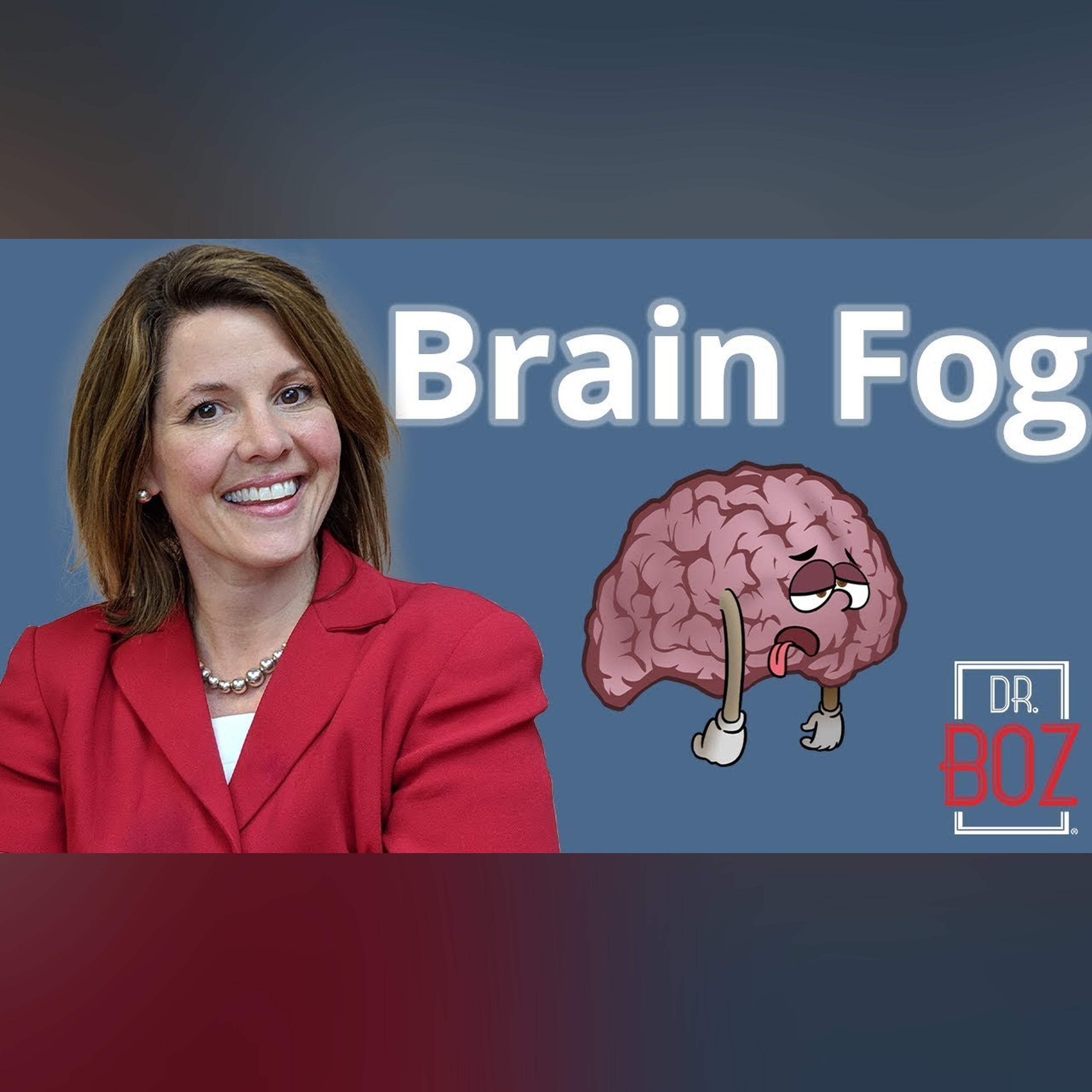
#630: Support Your Brain, Sleep and Mood Through Peri/menopause

Listen through the publisher, then discuss the episode here or arrange an in-person Roundtable. Your city determines where to meet.
Roundtables are designed for groups of four, with a shared subject and room for everyone to speak. Come for discussion, with no dating expectation.
In this masterclass episode, I'm diving deep into three of the most common concerns I hear from women in their 35–60s: brain function, sleep, and mood. This one's all about the postpartum, perimenopausal, menopausal, and post-menopausal decades — and why feeling off in these areas isn't something to "just fix" but something to understand. What I cover: Why there's no one magic solution — and how 25+ years of clinical practice taught me that unlearning is just as important as learning The real impact of social media on your attention, your symptoms, and how you interpret what your body is doing Perimenopause and menopause as natural physiological transitions (not a life sentence) Why the day you lose your period is not the day your symptoms end — and the miseducation around post-menopausal life Sleep architecture: falling asleep vs. staying asleep vs. waking too early, and how sleep debt compounds night after night Your brain's glymphatic system — the overnight "deep clean" that only happens when you sleep How estrogen and progesterone affect your brain (not just your uterus): attention, memory, mood, temperature regulation, serotonin, and dopamine Blood sugar stability as the non-negotiable foundation — and why skipping meals makes everything worse The connection between hormonal decline, sleep apnea risk, and mouth breathing ADHD diagnoses in perimenopause: what's really going on (hint: hormonal fluctuation is a stress test, not a sudden onset) Alcohol, caffeine, and histamine: why your body may be saying "no more" Actionable takeaways: Track your data (for free): sleep/wake times, morning light exposure, hydration, and what you eat in your first two hours Morning light — get natural light in your eyes within 30–60 minutes of waking (or use a 10,000 lux light box) Move your body every day — even 8 minutes counts Eat enough: protein, fiber, carbs, and fat at every meal — don't skip, don't over-restrict Create a wind-down routine: my personal routine (skincare, blue blockers, reading, sound machine, mouth tape, lights out by 9:30 PM) Have a form of daily therapy — a walk, a bath, music, a book. Something that's just for you. Minerals & supplements I discuss: Magnesium (bisglycinate + L-threonate blend) — for sleep, brain, and calm. Creatine — 3–5g daily, with emerging research on cognitive benefits for perimenopausal/menopausal brains Collagen peptides — gut lining, joint support, brain health Omega-3s — cellular structure and cognitive support Vitamin D — get tested, don't guess B vitamins — methylated form, especially if you're histamine-sensitive Lion's Mane — neural regeneration; my pick: Aversia Wellness (therapeutic dosing 2–4 capsules daily) Reishi — adaptogen for the nervous system, evening use Potassium — critical for thyroid; don't just chase sodium Iron — nuanced, requires proper testing (not just ferritin) Let's dive in! Thank you for joining us today. Click here to listen: This episode is sponsored by: St. Free Resources: *code doesn't apply with Black Friday sale* Programs: Services: Work With Jenn | https://jennpike.com/work-with-jenn/ Connect with Jenn: Instagram | @jennpike (https://www.instagram.com/jennpike) YouTube | Simplicity TV (https://www.youtube.com/@JennPike) Website | The Simplicity Project Inc. (http://www.jennpike.com/) Have a question?
Episode information is provided by the publisher. Listening takes place on the publisher’s service.
Listen at the source ↗