Listen through the publisher, then discuss the episode here or arrange an in-person Roundtable. Your city determines where to meet.
Roundtables are designed for groups of four, with a shared subject and room for everyone to speak. Come for discussion, with no dating expectation.
Reform politicians partially boycotted the Senedd after politician Joe Martin was barred from speaking in the chamber over comments that white people are being "replaced". The ban was announced by the Presiding Officer, with Martin told he would not be asked to speak until he apologised. Huw Irranca-Davies said the remarks were "unnecessarily provocative and deliberately offensive". Gareth Lewis joins James to break down the dispute, the reaction from Reform and what could happen next. A segment was removed from this episode because it inaccurately suggested that Joe Martin MS said the displacement of white British people was deliberate.
Episode information is provided by the publisher. Listening takes place on the publisher’s service.
Prince Harry criticizes the Trump administration’s approach to Ukraine and says he would return to military service if asked. Palace Intrigue covers his interview with The Telegraph during a visit to Lviv, his support for Ukraine, and his comments about veterans being prepared to serve again. Former royal protection chief Dai Davies argues that Harry’s public remarks could complicate his security and create difficulties for King Charles. A source close to the Duke of Sussex pushes back, questioning Davies’s decision to discuss Harry’s protection publicly. Royal writer Tom Sykes also criticizes the timing of Harry’s publicity during Prince William and Kate Middleton’s Earthshot visit to India. Plus, Harry discusses life in Britain with Meghan Markle, Prince Archie, and Princess Lilibet during an appearance on ITV’s This Morning. He shares updates on the children’s adjustment to school, Christmas plans, country walks, and pub life. The family’s Winter Wonderland visit also draws coverage
After a deluge of speculation, the next James Bond has been chosen: British actor Robert Pattinson will be the next face of the franchise. The public response has been overwhelming, if somewhat divided. To celebrate, we’re revisiting an episode from June, about a behind-the-scenes David and Goliath battle between the family business which has held creative control of the franchise since the 1960s and its new owners, Amazon. It is now up to Jeff Bezos’s tech conglomerate to decide how to run the series. In an era when Hollywood studios are desperate to eke out every last dollar from movie franchises, can James Bond retain its mystique and appeal to a new generation of cinema-goers? We speak to Wall Street Journal enterprise reporter Erich Schwartzel. Producers: Xandra Ellin and Lucy Pawle Video producers: Richard Kenny and Jem Westgate Mixed by: Travis Evans Executive producers: James Shield and Martine Powers Senior news editor: China Collins Photo: Robert Pattinson as James Bond. Jaap
Happy Friday, besties! New haircut, zero filter, and a totally sober (but maybe drunk-sounding) episode. Blake Lively posted a "date night" with no Ryan in sight, and we zoom in on the background of that selfie like the crazy people we are. Plus the fallout from Jamey Heath's speech, Luke walking away from The Valley, and Jax Taylor posting his tumor to shut down the doubters. In this episode: • Jamie Heath's statement: why it hit a nerve, and why everyone gets to handle it their own way • Blake Lively's solo "date night": who's hiding under the table, and where's Ryan? • A Yahoo report claims there's damage in Blake & Ryan's marriage (unconfirmed) • Kristen Doute confirms Luke won't film the next season of The Valley • Jax Taylor posts his removed tumor after fans question his cancer diagnosis • Diplo opens up about his experiences with men • A viral "gay man married to a woman" couple. Help me understand! • Jennifer Lawrence names Chris Pratt her worst on-screen kiss on WWHL • Plus:
Until a little under two weeks ago, Silicon Valley Bank was the sixteenth largest bank in the United States, the favoured choice of tech startups due to the tailored services it provided. But by 10th March 2023, American authorities were taking control of SVB following its collapse. It had assets of over $200bn, making for the second biggest bank failure in US history. There were a number of factors behind the collapse, and it’s causing concern as it’s common for one bank collapse to be followed by another, due to what’s called financial contagion. Indeed, just a few days later it was the turn of New York-based Signature Bank to collapse. And over in Europe, Switzerland’s second largest bank Crédit Suisse had to take out a $54bn to stay afloat, before then being bought out by the country’s largest bank UBS, in a bid to halt the crisis. Why did Silicon Valley Bank collapse? How do stock market crashes happen? In under 3 minutes, we answer your questions! To listen to the last episodes,
The Ninth Circuit considers Hanible versus the County of Solano, a civil lawsuit over force used against a woman in jail. After her arrest, Hanible was taken to the Solano County jail for booking. She alleges that officers beat her in a detoxification cell and again while forcibly changing her into jail clothes. The defendants dispute that unreasonable force was used. The district judge dismissed some claims but found factual disputes about the cell and changing-room incidents, and denied qualified immunity. That ruling did not decide who was liable; it let those claims continue. The officials are now challenging the denial of immunity on appeal. Their lawyer will argue that the judge failed to connect each named defendant to a particular use of force and should have granted immunity. Hanible, speaking for herself, will argue that her rights were violated and the case should go forward. Listen for two related questions: what evidence ties an individual officer to each incident, and how
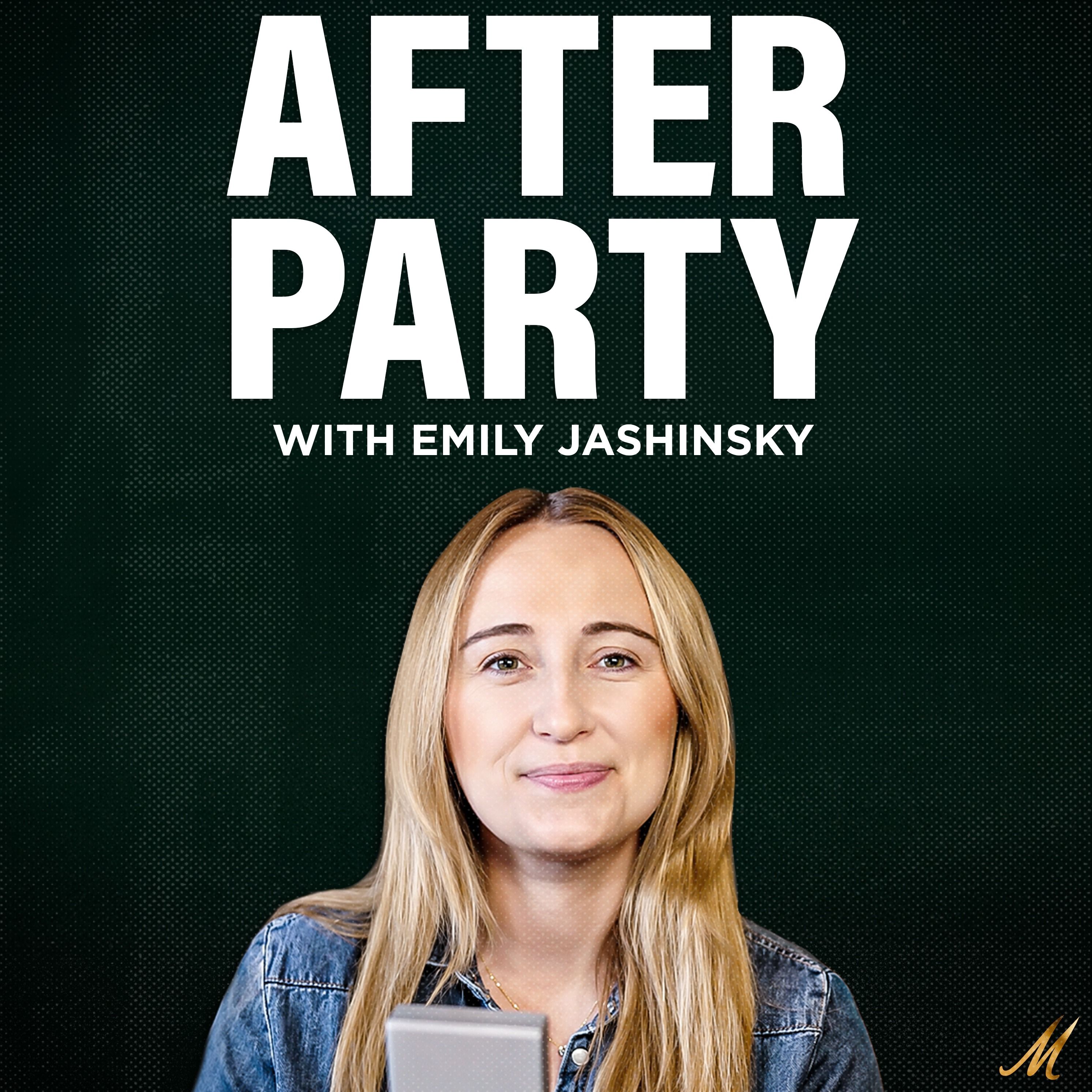
On this week’s edition of “Happy Hour,” Emily Jashinsky tackles whether America’s political system is irreparably broken, the growing distrust of political institutions, and why voters are increasingly fed up with corruption and self-serving politicians. She discusses Thomas Massie’s political future, the possibility of breaking up the two-party system, why she generally distrusts ProPublica’s reporting, and the ethics of the Supreme Court. She also weighs in on the dangers of authoritarian communism, foreign influence in Washington, and why maintaining faith in elections is so important. Emily addresses the political risks of embracing artificial intelligence, which careers might survive the technological revolution, and why she struggles to unplug from work. Finally, she shares her favorite time to visit Washington, D.C., her thoughts on Robert Pattinson as the next James Bond, and more… Hosted by Simplecast, an AdsWizz company.
James is joined by Prof Anand Menon of PF Global, the author of a new report examining Welsh Labour's historic election defeat and what the party must do to rebuild. Commissioned by Welsh Labour, the report explores the factors behind the loss and the challenges facing the party as it tries to recover. Later, we hear from Political Editor Gareth Lewis, who was at Welsh Labour's conference in Llandudno where the report was unveiled. He discusses the reaction from party members and his own reflections on what went wrong.
Fliss and James talk to the Minister for Rural Resilience and Sustainability from COP31. They also preview the Welsh Government's Draft Budget and what it could mean for health, education and the environment with our correspondents. Then, the outgoing leader of the Wales Green's reflects on the party's past and future.
On this episode of Walescast Fliss and James catch up with Rhun ap Iorwerth six months after he led his party to victory in the Senedd election. They discuss the covid review, council tax, budgets and Andy Burnham with the First Minister. Political Editor Gareth Lewis then joins the podcast to discuss the interview.
Predictable working hours are more important than maximum scheduling flexibility.
Share your view, then see how readers voted. No sign-in required. This poll is shared across stories.
Do you agree or disagree?
Common Quandary
A Common Quandary to discuss
Another conversation to explore, separate from this news story.
A reserved meeting room has been empty for twenty minutes. Can your group take it?
Every library study room is occupied except one marked reserved. Its booking began twenty minutes ago and nobody has appeared. Your group has an urgent presentation to prepare, while library rules say reservations remain valid for half an hour.