English-language podcasts

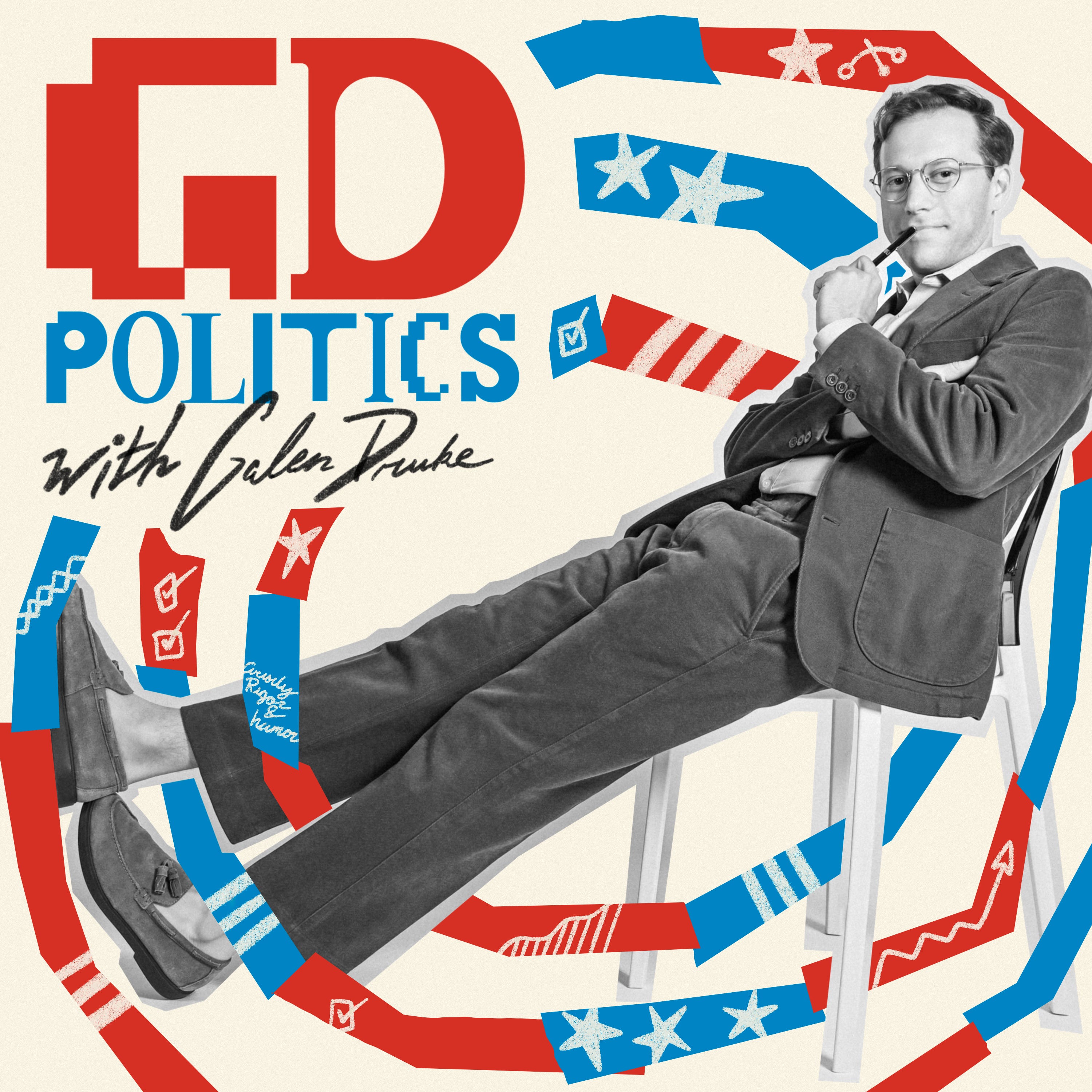
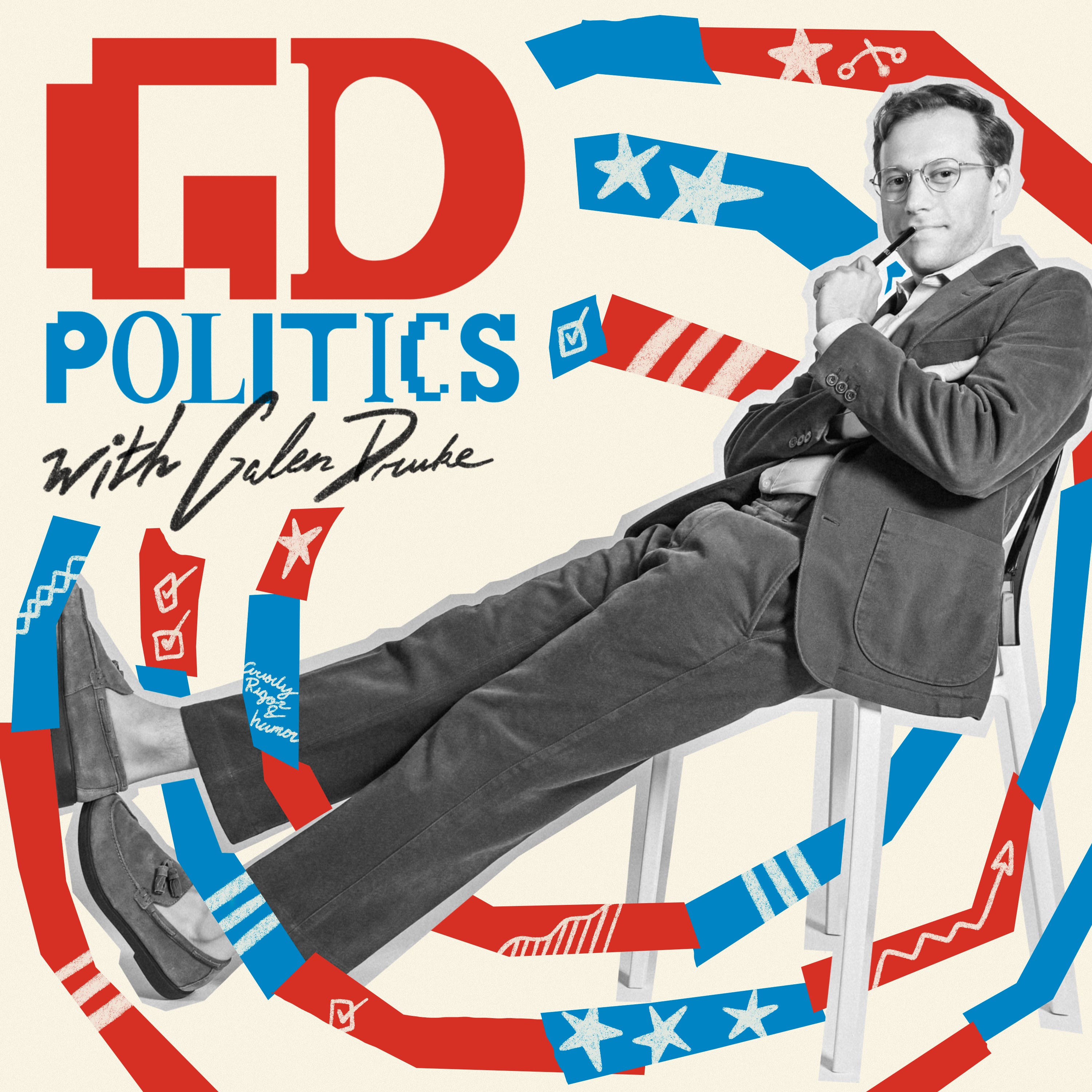
GD POLITICS

A Watergate-Scale Rebuke To Trump
20 min

Listen through the publisher, then discuss the episode here or arrange an in-person Roundtable. Your city determines where to meet.

Roundtables are designed for groups of four, with a shared subject and room for everyone to speak. Come for discussion, with no dating expectation.

This is a free preview of a paid episode. The full episode is available to paid subscribers. Well, that was quite an election night. Democrats have won control of the House and Senate, making inroads into territory that would have seemed wildly out of reach two years ago. After seven hours of live coverage, Mary Radcliffe and Lenny Bronner join me for a late-night podcast to make sense of it all. We brought drinks and a few functioning brain cells. We discuss the collapse in Republican turnout, a surge in Black turnout, Hispanic voters’ swing back toward Democrats, and why the wave hit some regions harder than others. A central question: How much of this result reflects voters changing their minds, and how much reflects who showed up? There’s still plenty of counting and analysis ahead, but the distinction matters for understanding what happened. We also consider what Democrats’ sizable majorities could mean for Trump’s final two years, and why tonight’s results tell us less about 2028 than you might think. Thanks to everyone who spent election night with us. We’ve got plenty more to talk about. First, some sleep.

Episode information is provided by the publisher. Listening takes place on the publisher’s service.

Listen at the source ↗

Featured places to meet in Palo Alto, CA

Explore these places and arrange a conversation through ThinkMatch.

City guide for Palo Alto, CA

More from GD POLITICS

GD POLITICS

How The Merely Rich Wield Power In The Age Of Billionaires

20 min

This is a free preview of a paid episode. The full episode is available to paid subscribers. Anthropic’s IPO on Thursday — the largest ever — put the paper wealth of the company’s seven co-founders at about $20 billion apiece and minted thousands of new millionaires. It’s the kind of eye-popping wealth creation that makes Silicon Valley the center of conversations about who gets rich in America and how much power comes with it. There’s a growing sense, particularly on the left, that the mega-rich are at the root of what’s wrong with politics and the economy. Think of billionaires like Elon Musk, Jeff Bezos and Mark Zuckerberg lined up behind Trump on Inauguration Day. For those frustrated with the status quo, they offer an easy-to-imagine adversary. And that framing is shaping some of the debate over what Democrats should do with their newfound power. But according to economists Owen Zidar (https://substack.com/profile/7193369-owen-zidar) and Eric Zwick (https://substack.com/profile/46

Discuss this episode

GD POLITICS

Democrats Won Congress. What Will They Do With It?

61 min

This is a free preview of a paid episode. Big change is afoot in Washington. Democrats will start the new Congress with at least 55 Senate seats, likely 56 with Alaska still counting, and at least 256 House seats. That gives them control of the agenda: They can investigate the Trump administration, pass party-line bills through reconciliation, and force Republicans into tough votes. But Trump still has his veto, and most bills will still need some Republican votes to clear the Senate filibuster. On today’s episode, Gabe Fleisher (https://substack.com/profile/697125-gabe-fleisher), author of Wake Up To Politics, joins me to explain how these power dynamics are likely to play out. Historically, divided government hasn’t necessarily meant gridlock. With 56 seats, Democrats would need just four Republicans to break a filibuster, which could potentially open the door to bipartisan deals on AI, Social Security or a congressional stock-trading ban. Democrats will have their own fights too, st

Discuss this episode

GD POLITICS

How To Poll A Wave, With Nate Cohn

26 min

This is a free preview of a paid episode. The full episode is available to paid subscribers. If you listened to GD Politics this election season, you heard plenty about the data coming from The New York Times. We followed its national and state polls before Election Day, watched the Needle as returns came in, and used its voter data to make sense of where Democrats gained ground. On today’s episode, I invited Nate Cohn, the Times’ chief political analyst, to take us behind the scenes. We talked through what his team was seeing before the votes were counted and what they’ve learned since. The Times’ pre-election polling picked up the biggest story of the midterms. Its final national poll gave Democrats an 11-point lead on the generic congressional ballot, close to their roughly 13.5-point margin in the House vote. Their state polls also showed that Democrats had a real shot at winning Senate races in places like Texas and Kansas, which they won. I asked Cohn how the Times decides who’s

Discuss this episode

Community Poll

Vocational training should receive the same respect as university education.

Share your view, then see how readers voted. No sign-in required. This poll is shared across stories.

Do you agree or disagree?

Choose one answer

Common Quandary

A Common Quandary to discuss

Another conversation to explore, separate from this news story.

The stadium can ban violent fans by scanning every face at the gate. Would you walk in?

A stadium can use facial recognition to identify people banned for violence and shorten security lines. Every visitor would be scanned, error rates are not zero, and the resulting biometric data could become useful to police or advertisers.

How much privacy may a crowd be asked to trade for collective safety?

Explore this quandary