Listen through the publisher, then discuss the episode here or arrange an in-person Roundtable. Your city determines where to meet.
Roundtables are designed for groups of four, with a shared subject and room for everyone to speak. Come for discussion, with no dating expectation.
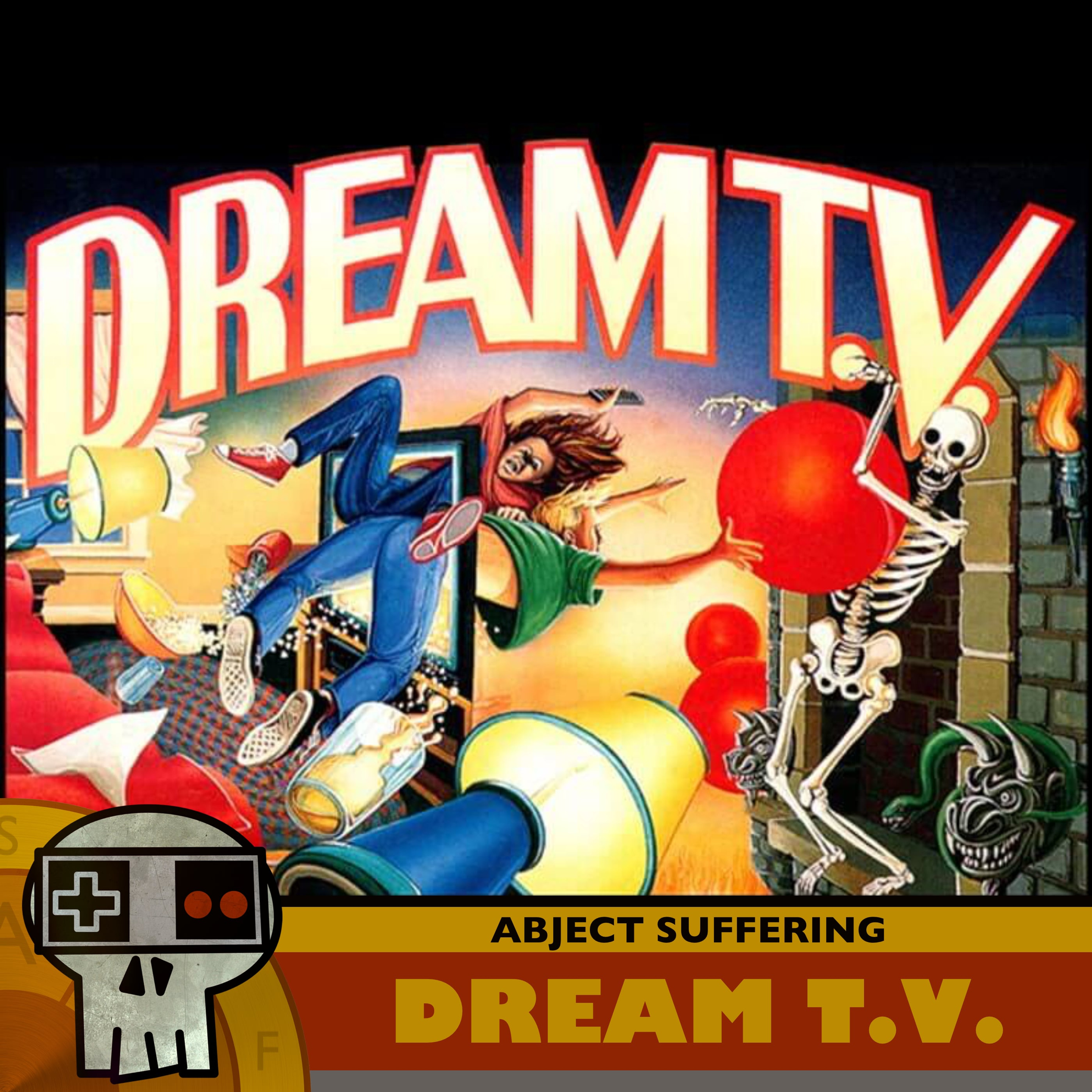
Dream TV is a game so obscure that even we have never heard of it, with a premise that was stale when they made it. Two kids are sucked into the TV! Ah! And the platforming is very, very bad. It’s overall uninspiring, so we talk about some horrifying social interactions that make us seriously consider our relationship to being trivia monsters, or “The Person Who Corrects People and Takes Away All of the Fun.”
Episode information is provided by the publisher. Listening takes place on the publisher’s service.
How badly did Rick Houston and Jamie Reynolds want to make it in NASCAR? Badly enough to drive to races on empty gas tanks, sleep in some pretty questionable motels, and survive on macaroni and tomato juice when they couldn't afford anything else. This week, in the first of three installments, Rick sits down with his longtime friend Jamie Reynolds, who also steps into the co-host's chair. The two go all the way back to their high school days, when Rick was chasing his dream of becoming a NASCAR journalist and Jamie wanted nothing more than to get his hands dirty working on race cars. They revisit their early adventures at tracks like Rockingham, Richmond, and Charlotte, including a trip home from Richmond when they nearly ran out of gas on a mountain road. Jamie recalls taking photographs for Winston Cup Scene, working in race shops for free, and finally getting his first full-time opportunity with NASCAR Busch Series veteran Tommy Houston. Jamie shares what it was like working for the
What does it take to prepare the next generation of fighter pilots for combat? In Part 3 of The Road to Fighters, Lieutenant-Colonel Andrew “Hazno” Faith takes us inside the world of military flying training, multinational exercises, and squadron command. Drawing on his CF-18 combat experience, Hazno explains how MAPLE FLAG prepares aircrews for the realities of war, the challenges of instructing on the Harvard II and Hawk, and what makes a great flying instructor. We explore the Euro-NATO Joint Jet Pilot Training program at Sheppard Air Force Base, where Hazno became the first Canadian to command the 469th Flying Training Squadron, and why he believes commanders need to stay in the cockpit. Hazno also shares his approach to leadership, building trust while maintaining standards, and the difficult decision to turn down his dream posting for the sake of his family. It's a conversation about developing future warriors while remembering the people behind the uniform. (00:00:00) Introducti
Are we making childhood easier at the expense of the very skills our kids need to thrive? We've talked about screen time and technology on the podcast before, but today's conversation takes us into territory we haven't really explored on the show yet: artificial intelligence and its potential impact on our children's development. As AI becomes more integrated into everyday life, I think it's worth asking some important questions about what our kids might be gaining - and what they could be missing along the way. I'm joined by pediatrician and researcher Dr. Jenny Radesky to explore how technology is reshaping childhood in ways we may not even recognize. From handing over a device to calm a difficult emotion to turning to AI for instant answers, are we unintentionally removing the everyday opportunities our children need to develop patience, persistence, creativity, and critical thinking? Just because something makes life easier doesn't necessarily mean it's making life better. Links Di
This week on the podcast, Zach Kazan welcomes Cait Bazemore back to the show for another conversation about collecting. This time, they’re discussing the importance of the people behind the brands, and how that informs (or does not inform) how we feel about the watches themselves. We’re very fortunate in the watch industry to be able to get to know brand founders and the people who work at the brands we love, and that naturally has an impact on how we see the watches, rightly or wrongly. But with the rise of shows like Windup and other watch industry events, and of course the shrinking of all of our lives thanks to social media, more and more enthusiasts are getting to know these people on a personal level. How much does that matter? Is it possible to separate the watch from its maker? Let us know in the comments if getting to know someone behind a brand has had an impact on the watches you’ve chosen to collect, we’d love to hear your thoughts. Show Notes [VIDEO] Review: the echo/neutr
Fangsgiving returns with Sweden’s “Let the Right One In,” a chilling character study about how monsters are created, and the monsters that help create them. Wait, are we the real monsters in this again? We also discuss the American remake, “Let Me In,” which is very similar except for all the places it’s different. Fangs for listening! "Let the Right One In" Host Jason Snell (https://www.theincomparable.com/person/jason-snell/) with Tiff Arment (https://www.theincomparable.com/person/tiffany-arment/), Steve Lutz (https://www.theincomparable.com/person/steve-lutz/), Tony Sindelar (https://www.theincomparable.com/person/tony-sindelar/), Monty Ashley (https://www.theincomparable.com/person/monty-ashley/), and Annette Wierstra (https://www.theincomparable.com/person/annette-wierstra/). Referenced Works Let the Right One In (https://www.theincomparable.com/topics/let-the-right-one-in/) [Amazon (http://www.amazon.com/dp/B001MYIXAW/?tag=incomparablepod-20)] Show Notes & Links
Godwin has a bone to pick with Cinderella, and Si expresses his doubts about Prince Charming. John-David tells how a night at ‘The Lion King’ turned him into a hero in his kids’ eyes. Martin and the boys remember country music legend John Anderson. A listener pitches a prank that would leave Jase holding the bag, and Si’s upcoming visit to ‘Unashamed’ has him wondering if it’s time to quit calling people stupid. https://Ridge.com (https://ridge.com/) - Ridge's biggest sale of the year is here! https://drinkag1.com/duck - Save 25% when you subscribe toAG1 Next Gen, AG1 Pro, AG1 Energy+, or AG1 Essentials! Don’t miss NOBL’s Biggest Sale of the Year! -
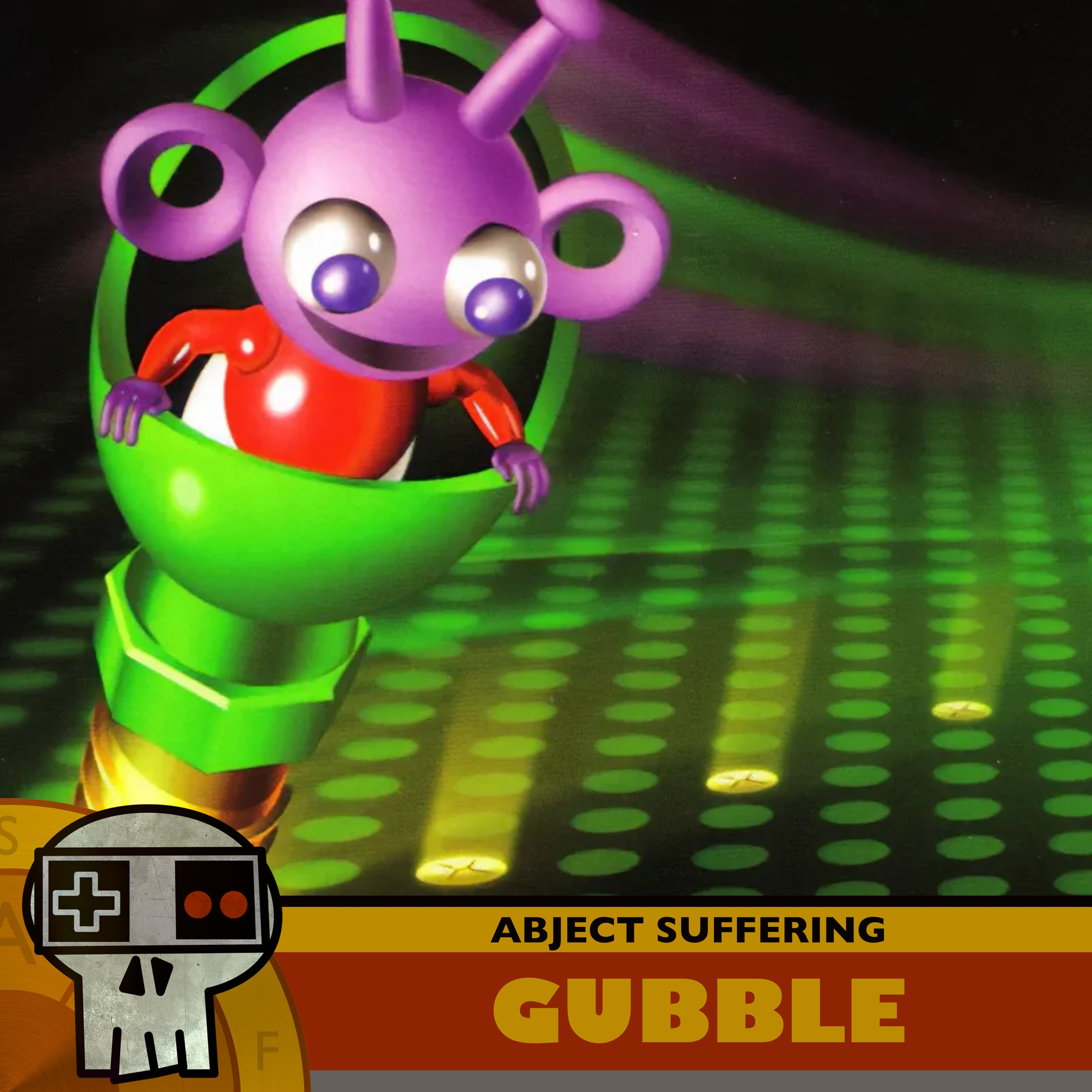
Gubble… what’s a Gubble? What isn’t a Gubble!? We’re seriously not sure. But Gubble The Game is a spiritual successor to Crystal Castles starring an alien in the hardware aisle. It’s pretty simple, so we talk about the time a shower door exploded on Kaye, and do some debriefing on the 2026 US midterm elections.
Institutions should publicly explain how they respond to research misconduct.
Share your view, then see how readers voted. No sign-in required. This poll is shared across stories.
Do you agree or disagree?
Common Quandary
A Common Quandary to discuss
Another conversation to explore, separate from this news story.
Your coworker's religious holiday means you work the unpopular shift again. Is that fair?
A workplace accommodates religious observances by asking other employees to cover unpopular shifts. One coworker objects that nonreligious commitments can be equally meaningful but receive less formal protection.
Does equal respect require treating every kind of commitment identically?