English-language podcasts

Abject Suffering

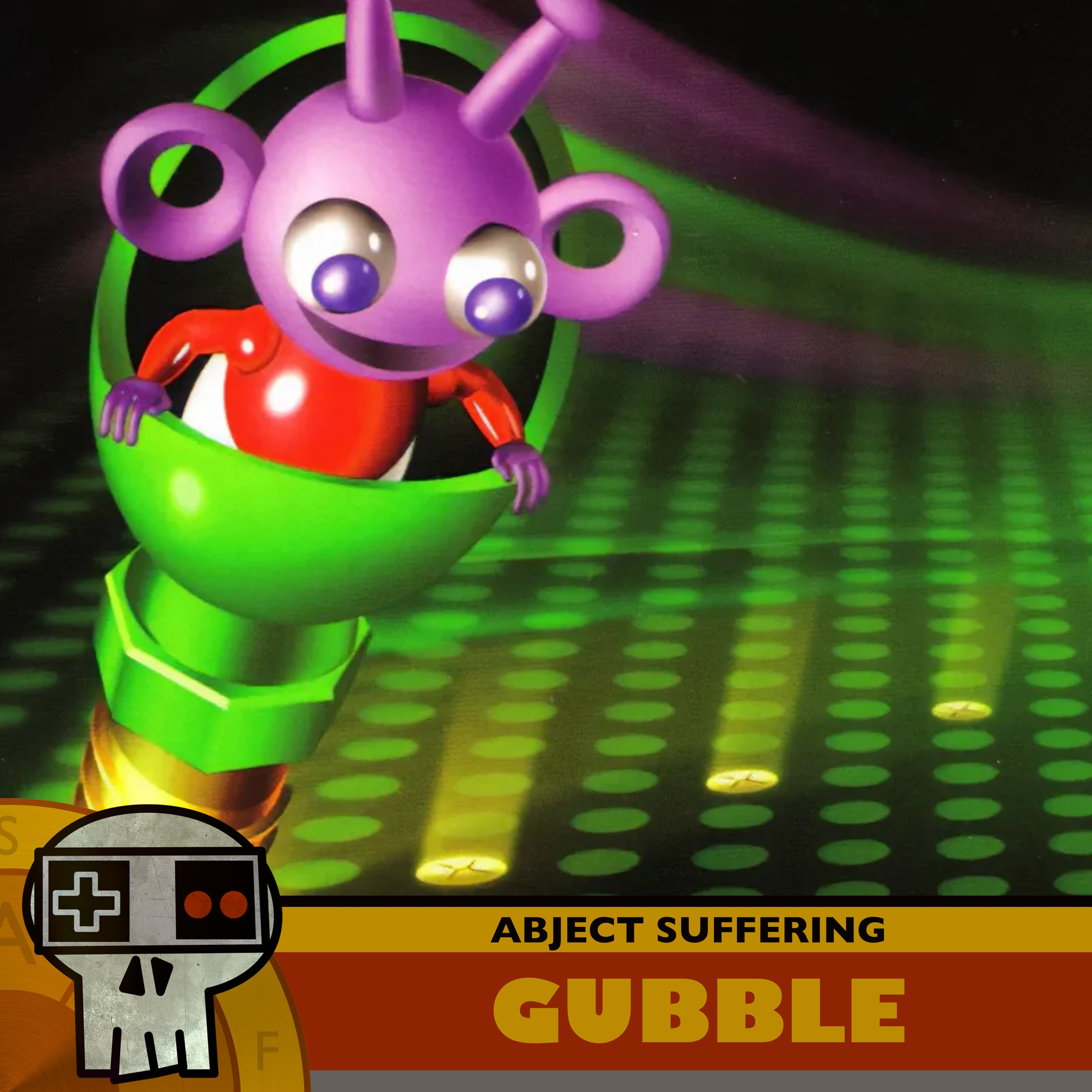
Abject Suffering 688: Gubble
38 min

Listen through the publisher, then discuss the episode here or arrange an in-person Roundtable. Your city determines where to meet.

Roundtables are designed for groups of four, with a shared subject and room for everyone to speak. Come for discussion, with no dating expectation.

Gubble… what’s a Gubble? What isn’t a Gubble!? We’re seriously not sure. But Gubble The Game is a spiritual successor to Crystal Castles starring an alien in the hardware aisle. It’s pretty simple, so we talk about the time a shower door exploded on Kaye, and do some debriefing on the 2026 US midterm elections.

Episode information is provided by the publisher. Listening takes place on the publisher’s service.

Listen at the source ↗

Featured places to meet in Palo Alto, CA

Explore these places and arrange a conversation through ThinkMatch.

City guide for Palo Alto, CA

More from Abject Suffering

Abject Suffering

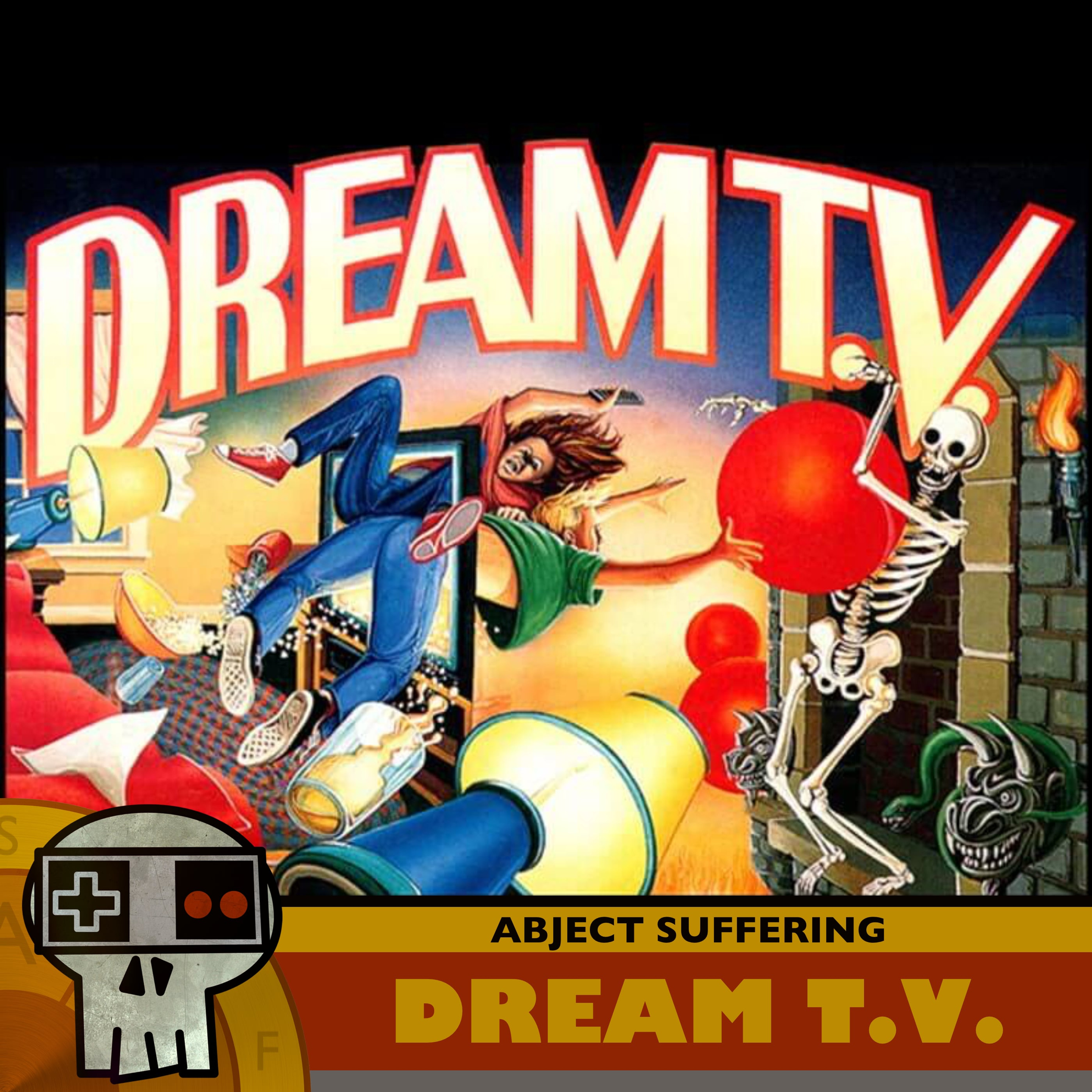
Abject Suffering 687: Dream T.V.

41 min

Dream TV is a game so obscure that even we have never heard of it, with a premise that was stale when they made it. Two kids are sucked into the TV! Ah! And the platforming is very, very bad. It’s overall uninspiring, so we talk about some horrifying social interactions that make us seriously consider our relationship to being trivia monsters, or “The Person Who Corrects People and Takes Away All of the Fun.”

Discuss this episode

Community Poll

Equipment rules should preserve fair competition even when they limit innovation.

Share your view, then see how readers voted. No sign-in required. This poll is shared across stories.

Do you agree or disagree?

Choose one answer

Common Quandary

A Common Quandary to discuss

Another conversation to explore, separate from this news story.

The restaurant forgot your expensive entrée. Do you point it out?

After a crowded dinner, you notice the restaurant omitted your most expensive entrée from the bill. Service was slow, the server seemed overwhelmed, and correcting it may create trouble for the person who made the mistake.

Does protecting someone from consequences ever justify benefiting from their error?

Explore this quandary