Listen through the publisher, then discuss the episode here or arrange an in-person Roundtable. Your city determines where to meet.
Roundtables are designed for groups of four, with a shared subject and room for everyone to speak. Come for discussion, with no dating expectation.
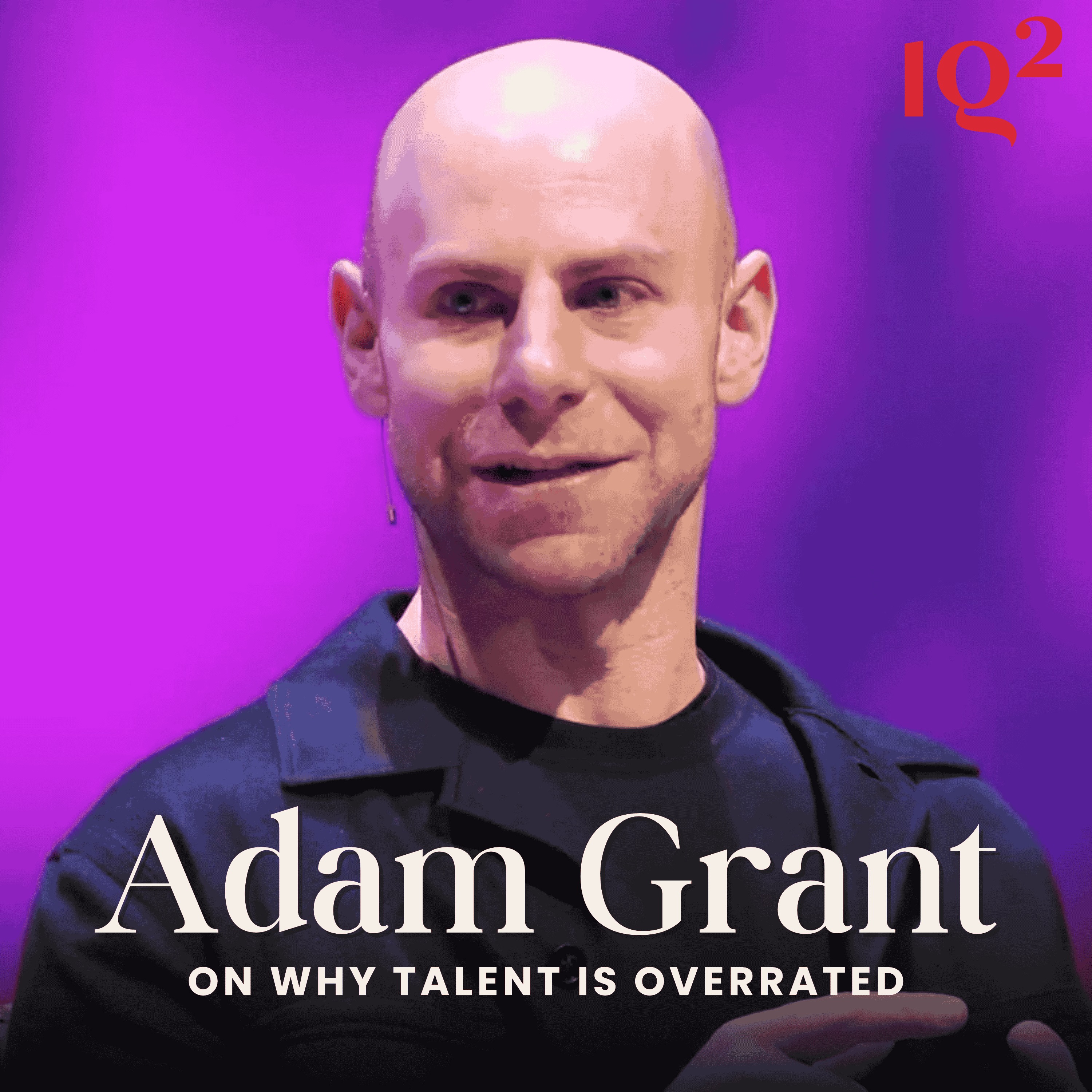
Adam Grant is one of the most sought after organisational psychologists in the world. He has provided expert advice to many of the world’s greatest business leaders, including Bill Gates and Sheryl Sandberg, equipping them with the mental tools to find motivation and meaning, rethink assumptions, and achieve greatness in their business and personal lives. In January 2024 Grant came to the Intelligence Squared stage for a rare, exclusive London event where he shared his revolutionary framework for how we can all exceed the expectations and aspirations we have set for ourselves. Drawing on his new book Hidden Potential he explained that despite living in a world that tends to admire people who start out with innate talent, there is clear scientific evidence that we can all bridge the biology gap and improve ourselves dramatically. In conversation with economist and FT columnist Tim Harford, Grant wove together groundbreaking evidence, surprising insights, and vivid story telling to take us from the classroom to the boardroom and the playground to the Olympics. He revealed how progress depends not so much on how hard we work and more on how well we learn. Growth is not about the genius we possess – it’s about the character we develop. He explained how to build the character skills and motivational structures to realise our own potential, and how to design systems that create opportunities for those who have been underrated and overlooked. Hosted on Acast.
Episode information is provided by the publisher. Listening takes place on the publisher’s service.
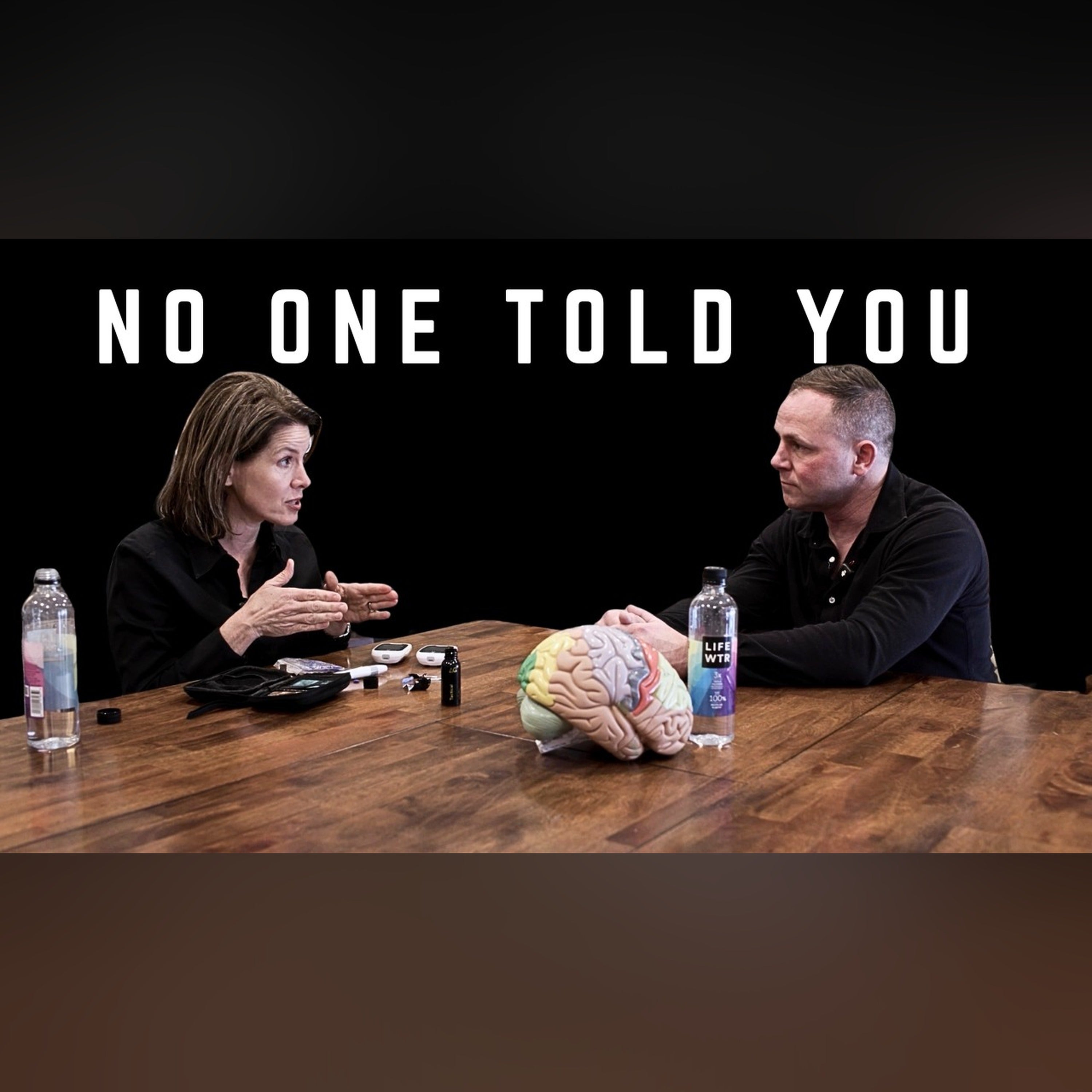
Master the skills that change lives — enroll in your free human behavior course today: https://nci.university/learn Uploaded 21-02-26 I flew Dr. Boz to the house. She's an expert in broken brains, and I happen to have one of those. This might save someone's life, so I am publishing it. I know it's not my regular content, but grab a pen and paper for this one. This conversation dives into mitochondrial health, ketones, cognitive decline, and the quiet metabolic crisis affecting your brain. We talk about insulin resistance, mitochondrial function, mental clarity, brain fog, fasting, ketone esters, and why so many people feel mentally “off” without understanding why. Please note that the content provided in this broadcast is for informational and educational purposes only and should not be construed as legal, medical, financial, or professional advice. No material in this communication establishes any form of professional relationship that is privileged or confidential. The insights and o
From July 7, 2025: Winnona Bernsen, nonresident fellow at the Atlantic Council’s Cyber Statecraft Initiative and founder of DistrictCon (https://www.districtcon.org/), joins Lawfare Contributing Editor Justin Sherman to discuss her recently released report "Crash (Exploit) and Burn: Securing the Offensive Cyber Supply Chain to Counter China in Cyberspace (https://www.atlanticcouncil.org/in-depth-research-reports/report/crash-exploit-and-burn/)." They discuss the offensive cyber industry, the private sector and individual players, and the government procurement pipelines in the United States and China. They also discuss the strengths and weaknesses of each country’s offensive cyber procurement ecosystem, what it takes to sell an exploit, Winnona’s findings on the markups that middlemen add to exploit sales, and what it all means for the future of competition and cybersecurity. Hosted on Acast.
Today, Mel is doing something she's never done before on The Mel Robbins Podcast. She's bringing members of her team into the studio for live coaching with world-renowned communications expert Vinh Giang. Vinh is known for teaching millions of people online how to stop sounding insecure, speak more clearly, and get people to listen when you talk. And when you hear him coaching today, it will be like he’s coaching you. One person freezes when they're put on the spot. Another can't stop interrupting people. Someone else has great ideas but stays quiet because they're afraid of being judged. Does any of that sound familiar? And Vinh isn't just giving advice. He's coaching real people through practical exercises, right there in the studio, so you can hear the difference and start making those same changes in your own life. As Mel says, put yourself in their shoes. As Vinh works with each person, you'll recognize things you struggle with, too. You'll learn: -What to do when your mind goes b
Today's Adventure: When scientist Dr. Frederick Ziegler develops a revolutionary synthetic substitute for mica, his discovery promises to strengthen America's national defense. But his trusted assistant steals the formula and murders him in a laboratory explosion, setting off a dangerous chain of betrayals among foreign agents determined to profit from the secret. David Harding and Harry Peters investigate the scientist's death and uncover an espionage conspiracy involving a ruthless operative with a talent for disguise. Original Radio Broadcast Date: April 18, 1950 Originating in New York Cast: Don McLaughlin as David Harding Mandel Kramer as Harry Peters Jay Jackson — announcer To subscribe to this podcast and, go to https://greatadventures.info/ Become one of our ongoing Patreon supporters at https://patreon.greatdetectives.net (https://patreon.greatdetectives.net/) Patreon Supporter of the Day: Lawrence, Patreon supporter since January 2025 Take the listener survey at http://survey
Society is collapsing before our eyes—at least, it is if you’re listening to preppers, who have been getting more attention online than ever thanks to recent tech outages. What started with a nationwide ground stop (https://slate.com/business/2026/11/faa-groundstop-airports-ai.html) went on to include a Microsoft outage, an Apple outage, a JP Morgan Chase outage, and more, prompting many of us to wonder if we should be more prepared for a world in which the internet and all the systems we rely on go dark. On today’s episode, host Kate Lindsay is joined by writer, producer, and Defector co-owner Alex Sujong Laughlin, who wrote aboutfalling down the doomsday prepper rabbit hole (https://defector.com/how-do-i-avoid-becoming-a-doomsday-prepper), and what we’re really scared of when we try to prepare for the worst. This podcast is produced by Vic Whitley-Berry, Daisy Rosario, and Kate Lindsay. Hosted on Acast.
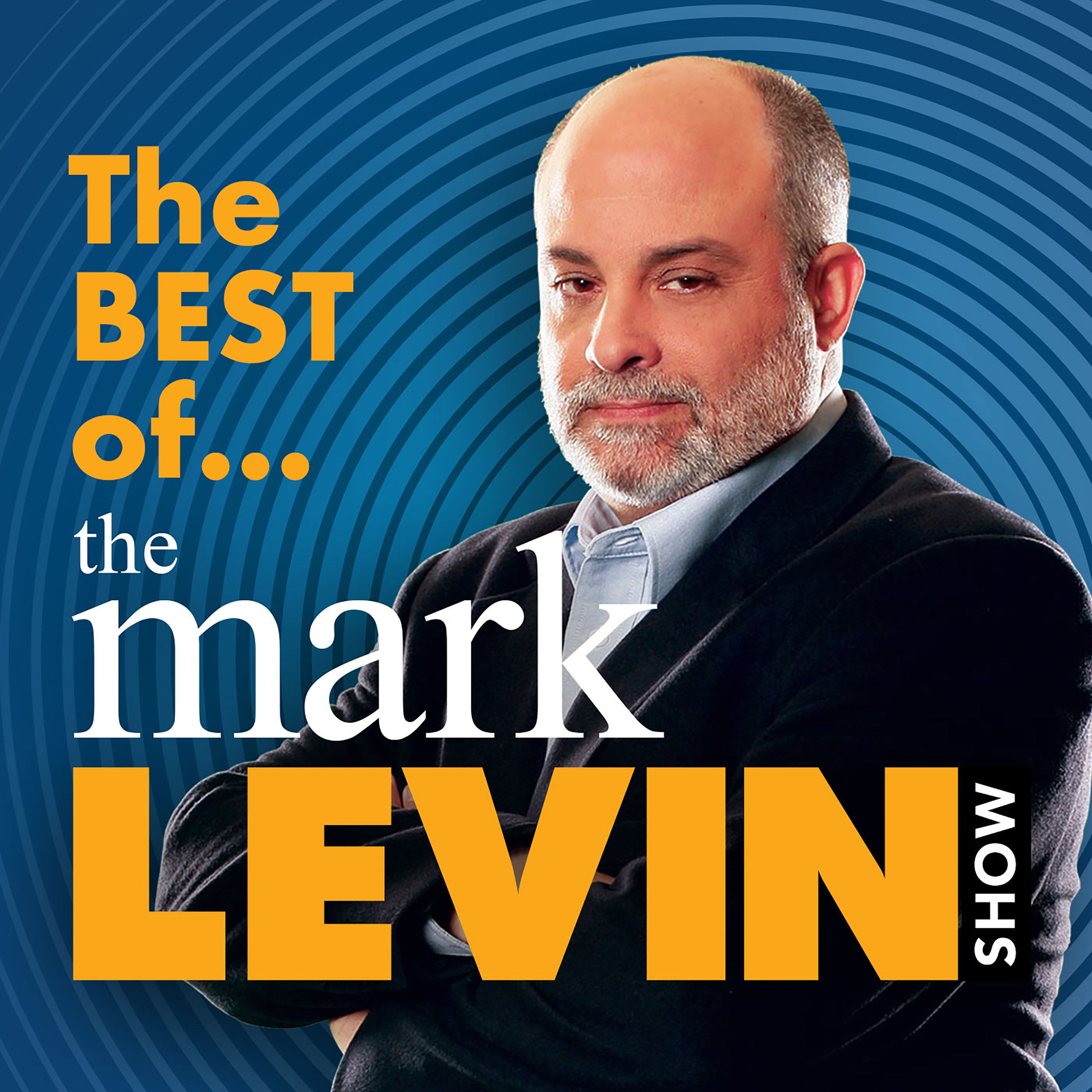
This week on the Mark Levin Show, 2028 Republican Presidential candidates must directly address the urgent threats to the country - Marxism and Islamism. These candidates should deliver bold, courageous speeches that clearly explain what is happening in the country, identify those responsible, and directly challenge these threats rather than leaving such warnings to a small number of media voices. Also, it is difficult to believe so many major outages affecting entities such as the NSA, FAA, airline systems, Microsoft, and Apple services could be merely coincidental. The timing and scale of the incidents are troubling and remain inadequately explained. President Trump had proposed a major modernization and restructuring of air traffic control in 2017 that Congress failed to enact. Had those reforms been adopted, many current FAA failures might have been avoided. Later, does Senator John Kennedy know anything about originalism? Originalism is not pure textualism. The meaning and intent
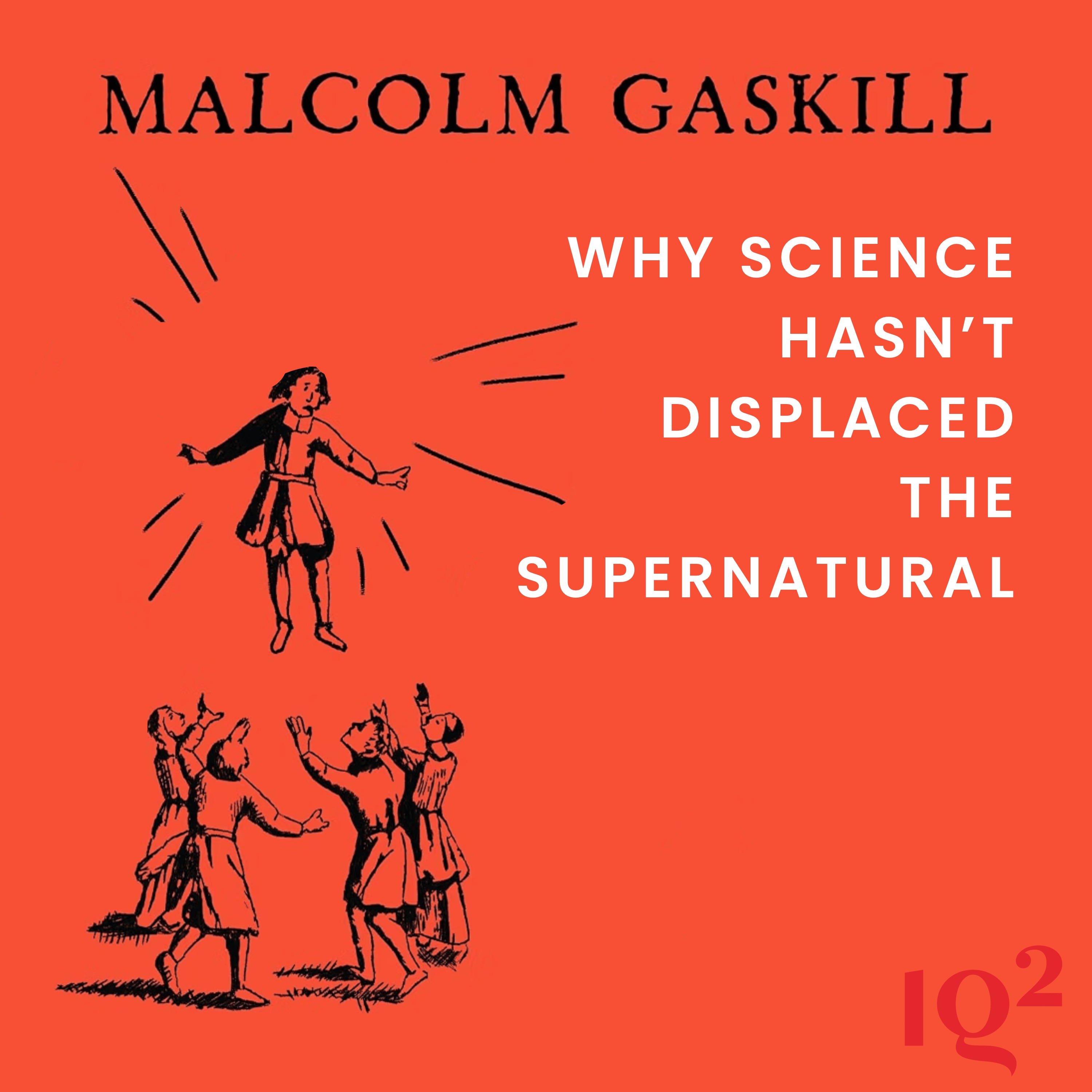
How do we make sense of the unseen? For centuries, the supernatural has offered ways to understand misfortune, find comfort and live with uncertainty. But its history is not simply a story of superstition giving way to reason. Why did people seek evidence in witchcraft trials? Can science and supernatural belief exist alongside one another? And what might today’s encounters with frontier technologies reveal to us about the persistence of the uncanny? In this episode, Margherita Volpato speaks with Malcolm Gaskill about his new book, Worlds of Fear and Wonder: Living with the Supernatural, Past and Present. Together, they explore the emotions behind supernatural beliefs that have shaped culture. They discuss Puritans searching for signs from God, the persistence of enchantment in the modern world and the uneasy relationship between technology and the uncanny. Malcolm Gaskill is Emeritus Professor of Early Modern History at the University of East Anglia and the author of seven books, inc
We live in a world designed to give us ever greater control. We can optimise our routines, monitor our bodies and manage almost every detail of our surroundings. But our pursuit of certainty may also be making us less able to face the parts of life we cannot predict. Are we becoming addicted to control? Why can uncertainty leave us feeling anxious, lonely or ashamed? And could surrender be a source of freedom rather than a sign of defeat? In this episode, Dr Güneş Taylor speaks with Stanford psychiatrist and addiction-medicine specialist Dr Anna Lembke about her new book, Radical Surrender: Letting Go in a World Addicted to Control. Drawing on neuroscience, clinical experience and her own encounter with loss, Lembke explains why accepting the limits of our control might help us find greater meaning and connection. Together, they explore what surrender means in a secular age and whether opening ourselves to uncertainty can change how we live. Dr Anna Lembke is a professor of psychiatry
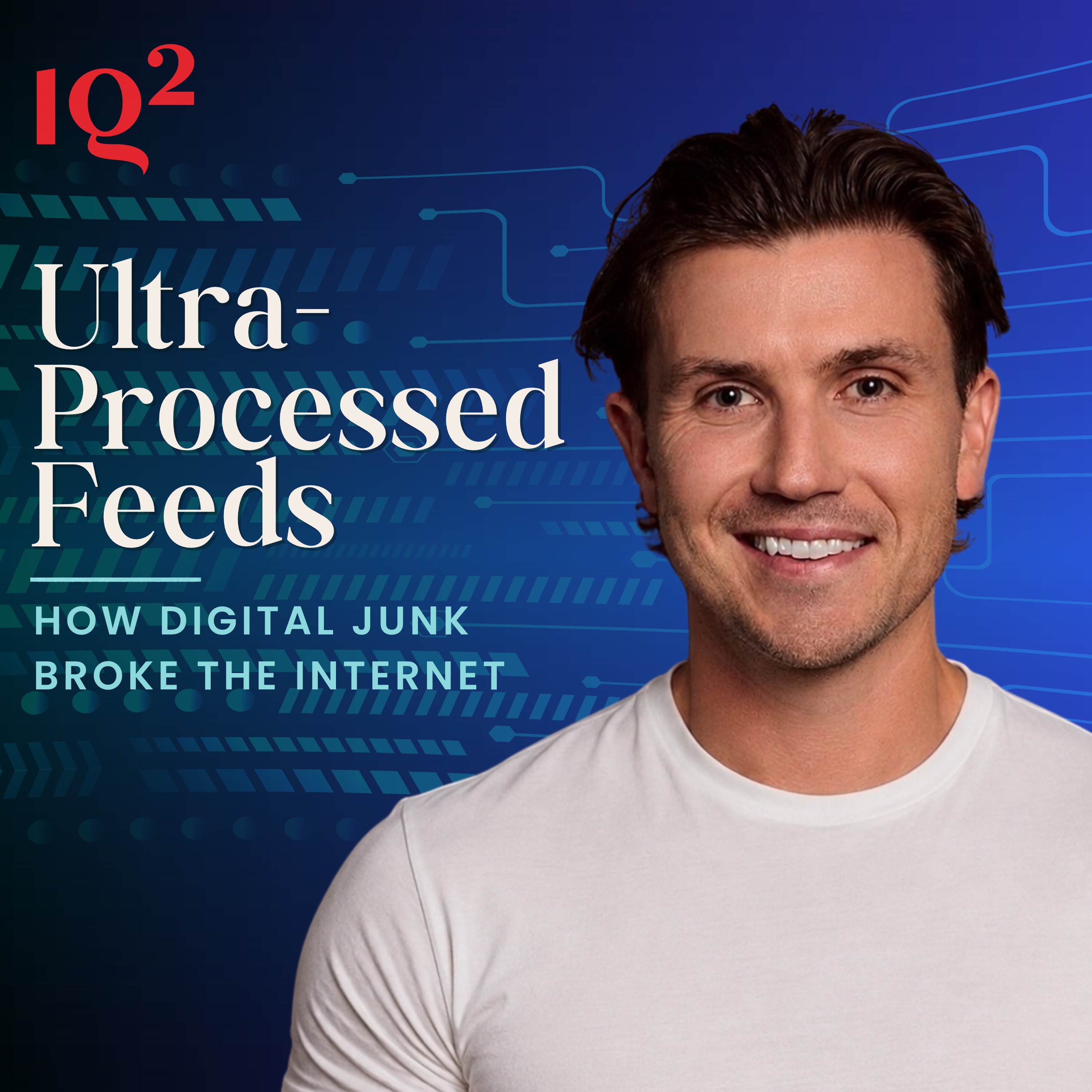
Is it time to rethink our information diet? Technology lawyer and author Seb Butcher joins Intelligence Squared host Conor Boyle to discuss his book Distorted and how our online feeds serve up outrage, falsehood and distraction. They explore how algorithms and generative AI shape our sense of reality, why digital junk can be as hard to resist as ultra-processed food, and practical ways to build healthier information habits. If you'd like to become a Member and get access to all our full conversations, plus all of our Members-only content, just visit intelligencesquared.com/membership to find out more. For £4.99 per month you'll also receive: - Full-length and ad-free Intelligence Squared episodes, wherever you get your podcasts - Bonus Intelligence Squared podcasts, curated feeds and members exclusive series - 15% discount on livestreams and in-person tickets for all Intelligence Squared events ... Or Subscribe on Apple for £4.99: - Full-length and ad-free Intelligence Squared podcasts
Technology companies should address foreseeable misuse before releasing a new feature.
Share your view, then see how readers voted. No sign-in required. This poll is shared across stories.
Do you agree or disagree?
Common Quandary
A Common Quandary to discuss
Another conversation to explore, separate from this news story.
Five friends join the person ahead of you after a forty-minute wait. Do you object?
You wait forty minutes for a popular event. Just before the doors open, five friends join the person directly ahead of you, who says they have been holding everyone's place from the beginning.
What unwritten agreement does joining a line create?