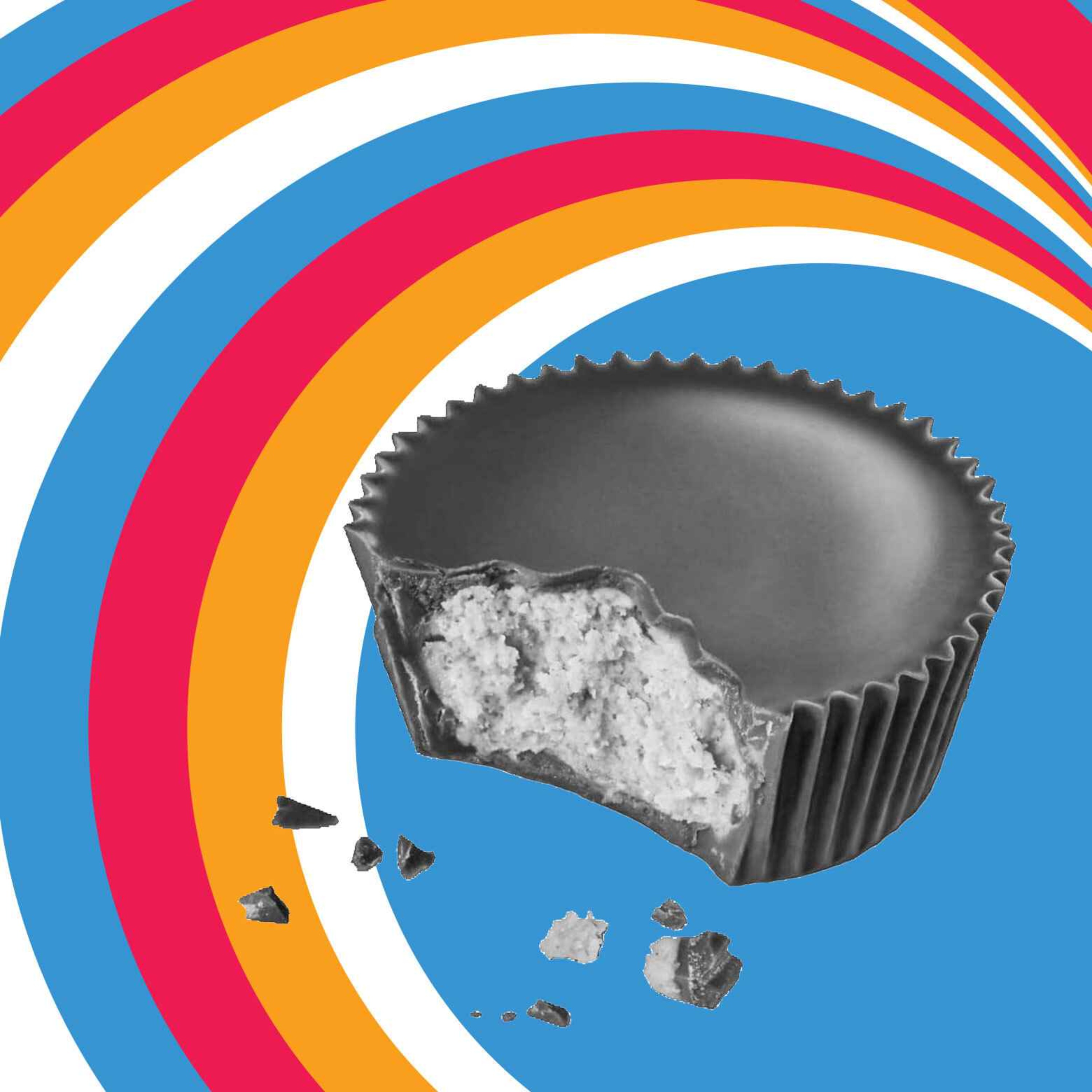
In early 2026, Brad Reese, the grandson of the inventor of Reese’s Peanut Butter Cups, posted a scathing letter accusing Hershey of altering the beloved candy’s recipe and defiling his family’s legacy. The screed went viral, with many people chiming in that they, too, were convinced that all sorts of chocolates taste worse now than they did before. Ancient civilizations cultivated chocolate for ceremonial rites—its Latin name even means “food of the gods.” It has figured in trade between empires, been a symbol of status, even provided sustenance in war. Chocolate, and how we consume it, has always been changing. So why is it suddenly unrecognizable? Rachel Handler, a writer at New York Magazine, decided to investigate (https://www.grubstreet.com/article/chocolate-hersheys-reeses-conspiracy.html?_gl=1*o74qjl*FPAU*ODczMDczNjIwLjE3OTQ4NTc0MzI.*_ga*MTUzODczMjcxLjE3OTMzNjk0NjM.*_ga_DNE38RK1HX*czE3OTQ5NDI4MDkkbzUkZzAkdDE3OTQ5NDI4MDkkajYwJGwwJGgxODQwMjM1Mjk4*_fplc*TmIyRzFBY0hmWHdGZiUyQnhYdktC
Disney adults get a bad rap, which is probably why some creators started using the term “Disney cool girl” to differentiate themselves from the stereotype. Instead, it ended up creating division, and when The Cut published a piece (https://www.thecut.com/article/disney-cool-girl-style-tiktoks.html) about these so-called “cool girls,” none of them were happy about it. On today’s episode, host Kate Lindsay is joined by culture writer Kyle Raymond Fitzpatrick (https://1234kyle5678.substack.com/) to discuss why everyone in the community knows the term “Disney cool girl” but nobody wants to claim it, and why writing about any fandom almost always ends up going wrong. This podcast is produced by Vic Whitley-Berry, Daisy Rosario, and Kate Lindsay. Hosted on Acast.
Owen Ramsingh first came to the U.S. from the Netherlands when he was a kid and was a legal green-card holder for decades. But in February of 2026, a felony drug-dealing offense on Owen’s record from when he was 16 flashed up when he was reentering the country from a trip abroad. He was arrested, detained for months, and eventually deported. This week on the show, Owen talks about the life he’d built in the States, the poor conditions he endured in immigration detention, and having to live apart from his American kids while his wife moves back and forth. He also talks about how he eventually landed in Mexico and is piecing together a new life there with the support of his family and community in Columbia, Missouri. We first heard about Owen from reporter Addison Zanger, from a story she reported for NPR (https://www.npr.org/2026/05/05/nx-s1-5805229/detained-and-deported-a-missouri-man-must-make-a-new-life-in-the-netherlands) last summer. We also hear from Elora Mukherjee (https://www.l
How should Asian people feel about white people in Asian grocery stores? That’s the question creatorMadeline Qi (https://www.tiktok.com/@say_qis?lang=en) didn’t even mean to ask when she posted her now-viral video, which resulted in call-outs, doxxing, and, ultimately, a conversation too nuanced for TikTok. Writer and comedian Youngmi Mayer attempted to make sense of the discourseon her Substack (https://youngmimayer.substack.com/p/white-people-inside-asian-grocery), which ended upgoing viral on Instagram (https://www.instagram.com/ymmayer/?hl=en). She joined host Kate Lindsay to share what people misunderstand about the controversy, and how her own experience being mixed white and Asian contributes to her perspective. This podcast episode was produced by Vic Whitley-Berry, Daisy Rosario, and Kate Lindsay, with help from AC Valdez. Hosted on Acast.
For decades, America’s Hot 100 pop chart has been regularly invaded by Canadian artists like Paul Anka, the Guess Who, Bryan Adams, Céline Dion, Justin Bieber, and Drake. Yet in Canada, some of these Canucks’ biggest hits aren’t considered fully “Canadian.” Join Chris Molanphy for a look at how the country’s requirements for Canadian content, or CanCon, on radio, television, and other cultural outlets has influenced the music industry and entire careers on both sides of the border. From Kon Kan’s “I Beg Your Pardon” to Tate McRae’s recent “Housewife,” Chris explores how much credit, or blame, Canada’s radio rules deserve for what Americans hear on the pop charts. For more chart history for the Great White North, check out Hit Parade’s recent episode on Celine Dion (https://slate.com/podcasts/hit-parade/2026/08/celine-dions-voice-helped-define-the-90s-and-shaped-the-sound-of-the-decades-top-movie). Get more Hit Parade with Slate Plus! Join for bonus episodes of "The Bridge" and ad-free
One of the internet’s top fanfiction platforms, Archive Of Our Own, is down and could stay that way for weeks. Devoted readers have been rushing to save their favorite fics in the event that AO3 might not return. But now scammers are coming in to try to take advantage of the moment, and some users are trying to access stories in problematic ways. We invite culture video essayist and friend-of-the-show Princess Weekes (https://www.youtube.com/@Princess_Weekes) to discuss the impact of AO3's shutdown and how fanfiction readers of different generations are handling the fallout. This podcast is produced by Vic Whitley-Berry, Daisy Rosario, and Kate Lindsay. Hosted on Acast.
A welfare caseworker first told Ms. Pat she had a knack for turning painful stories into comedy. She was 20, fresh out of prison for selling drugs, and already in charge of six kids–some hers, some the children of family members who needed a safe place to stay. It would take 10 more years for Ms. Pat to get on stage at an open mic, but once she started, she didn’t stop. She now sells out shows and has starred in a BET+ sitcom based on her life for five seasons. In this episode, Ms. Pat talks about moving between economic classes and the lies she told to blend in, learning to manage money from her husband, and building the big, full house she never had growing up. Ms. Pat’s latest memoir is called Ms. American Dream: A Memoir of Making It, No Matter What. (https://www.simonandschuster.com/books/Ms-American-Dream/Patricia-Williams-Lee/9781668044216) Podcast production by Zoe Azulay Death, Sex & Money is produced by Slate! To support us and our colleagues, please sign up for our membershi
On one of the biggest political nights of the year, audiences weren’t turning into traditional networks for their news. Instead, they were on YouTube and Twitch, where streamers like Hasan Piker (https://slate.com/news-and-politics/2026/11/hasan-piker-election-results-democrats-midterms-abdul-el-sayed.html) dominated with up to over 200,000 concurrent viewers at once. While broadcasters like NBC, CBS, and CNN were also streaming their coverage online, they were fighting for attention amongst new media livestreamers—a shift that’s been happening for some time. On today’s episode, host Kate Lindsay is joined by Semafor Media editor and Mixed Signals (https://www.semafor.com/hub/mixed-signals-media-podcast) co-host Max Tani (https://www.semafor.com/author/m-tani) to talk about how livestreaming is beginning to eclipse cable news, and how both are having to adapt. This podcast is produced by Vic Whitley-Berry, Daisy Rosario, and Kate Lindsay. Hosted on Acast.
A major vulnerability is threatening the entire internet as we know it. Should we let it? As talk of an internet apocalypse looms, some users can’t help but feel it’s high time to turn the whole thing off and on again. On today’s episode, host Kate Lindsay is joined by senior tech editor Tony Ho Tran (https://slate.com/author/tony-ho-tran) to talk about what is actually happening to the internet, how nervous we should be, and why the nightmare scenario of the entire internet shutting down actually sounds like…a dream? This podcast is produced by Vic Whitley-Berry, Daisy Rosario, and Kate Lindsay. Hosted on Acast.
In New Jersey, the tomato is king. Almost a century ago, a scientist at Rutgers University developed a variety that became the tomato that lined grocery store shelves for decades. Now, Rutgers scientists are at it again—they’ve invented a new grape tomato called Scarlet Sunrise (https://research.rutgers.edu/agricultural-products/tomatoes/scarlet-sunrise). Will it become the next hot item in the produce aisle? How do you even invent a new tomato? And why are new varieties of fruits and veggies becoming more popular than ever? This week, we’re presenting an episode from The Sporkful (https://www.sporkful.com/) in collaboration with Planet Money (https://www.npr.org/sections/money/) that aims to find out. In it, Dan Pashman and Kenny Malone investigate these grocery store mysteries, and see if this hot new tomato can win over a longtime grape tomato skeptic. From Planet Money, this episode was produced by James Sneed, edited by Keith Romer, fact checked by Sierra Juarez, and engineered by
In 2002, when Elizabeth Smart was taken from her bed by a stranger, the media covered it day and night. When Elizabeth returned home nine months later, she slowly began to learn to tell her own story, in her own words. This week on the show, she explains what it’s been like to revisit those traumatic details in her 2013 memoir (https://books.apple.com/us/audiobook/my-story/id1440650531?at=1000l38Mz&ct=death_sex_money&itscg=30200), in a Netflix documentary (https://www.netflix.com/title/81744530), and in her new podcast The Survivor Files (https://podcasts.apple.com/us/podcast/the-survivor-files-with-elizabeth-smart/id6799944065?at=1000l38Mz&ct=death_sex_money&itscg=30200), where she and other victims walk through their experiences slowly and carefully. She also talks about her new bodybuilding hobby and how she talks to her kids about safety and risk-taking. Podcast production by Cameron Drews. Get more with Death, Sex & Money Plus! Join for exclusive bonus episodes of DSM and ad-free