Listen through the publisher, then discuss the episode here or arrange an in-person Roundtable. Your city determines where to meet.
Roundtables are designed for groups of four, with a shared subject and room for everyone to speak. Come for discussion, with no dating expectation.
One of the internet’s top fanfiction platforms, Archive Of Our Own, is down and could stay that way for weeks. Devoted readers have been rushing to save their favorite fics in the event that AO3 might not return. But now scammers are coming in to try to take advantage of the moment, and some users are trying to access stories in problematic ways. We invite culture video essayist and friend-of-the-show Princess Weekes (https://www.youtube.com/@Princess_Weekes) to discuss the impact of AO3's shutdown and how fanfiction readers of different generations are handling the fallout. This podcast is produced by Vic Whitley-Berry, Daisy Rosario, and Kate Lindsay. Hosted on Acast.
Episode information is provided by the publisher. Listening takes place on the publisher’s service.
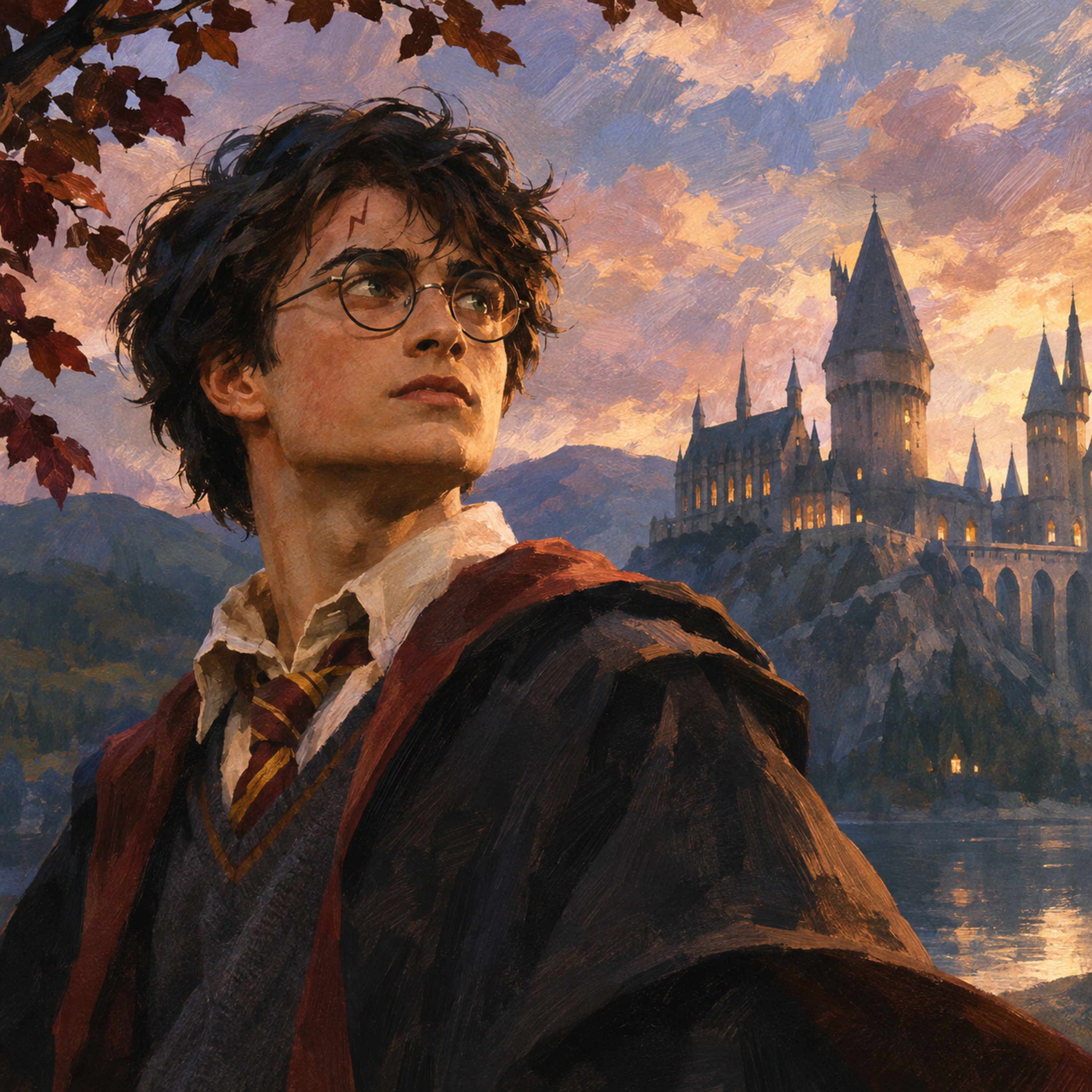
The Second String by Eider_Down — Chapter 26: Once Smitten, Twice Defied Harry Potter is seventeen, living in a pub in 1978 and trying to work out whether a certain quiet clockmaker feels the same way he does. Between the Hog's Head regulars placing bets on his love life and a suspiciously quiet Voldemort, the days are full of teasing and tension, and Harry is far too busy being nervous to notice how much the regulars are paying attention. Then a Dementor-haunted distress call drags him into the chaos of Diagon Alley, where he must fight alongside people who don't yet know who he really is. Expect dry inner commentary, a brutal street battle, and a night that leaves Harry more exposed than he's ever been. About This Production This episode is part of a faithful reading of The Second String by Eider_Down. Pertinent Links Read the original work (https://archiveofourown.org/works/15465966/navigate) Join the community on Discord (https://discord.gg/kzBu88rZzz)
Rachel LaMont Breaks Down the Coin Flip | Survivor 51 Ep 9 Also available on YouTube (https://youtu.be/k6tVuBV6INQ). A risky coin flip sends shockwaves through Survivor 51, and Rob Cesternino is joined by Survivor 47 winner Rachel LaMont as they break down the unpredictable twists and high-pressure decisions from Coin Flip Week. This Recap episode brings Rachel’s winner insight to this season’s controversial new mechanics, divisive jury circumstances, and unforgettable gameplay moments. Rob and Rachel go step by step through the rollercoaster of recent episodes. They kick things off with a deep dive on the infamous coin flip, dissecting whether this high-stakes twist offers exciting drama or just undermines the skillful gameplay of early season. Rachel challenges the idea of “permanent uncertainty” and shares her mixed feelings about major jury members being sent home by game mechanics instead of alliances or strategy. The duo unpacks the key decision surrounding Lewis’ attempted coin
Of all the things Nick Grime could have promised his ten-year-old son on Halloween, "your dreams will come true" might be the cruelest. Nick knows about the man in the castle. He knows Michael has spent hours in therapy trying to explain what happens there. He just never thought of those dreams when he tucked a handful of good fortunes into the barmbrack he was baking for his family. At 1:35 in the morning, Nick sits on the edge of Michael’s bed. His son is wide awake, staring at the ceiling. He knows something comes to the window at 1:36. He also knows that every time he dreams this part, he ends up looking, no matter how hard he tries to keep his eyes on the plaster. Nick puts an arm around him. For once, when the thing his son fears comes to the glass, his dad will be there. It hasn’t occurred to Nick to ask what happens to the parents in Michael’s dream. Listen on YouTube: https://www.youtube.com/@chillingtalesfordarknights/ FEATURED STORY: "A Fine Barmbrack" by Seth Paul Performed
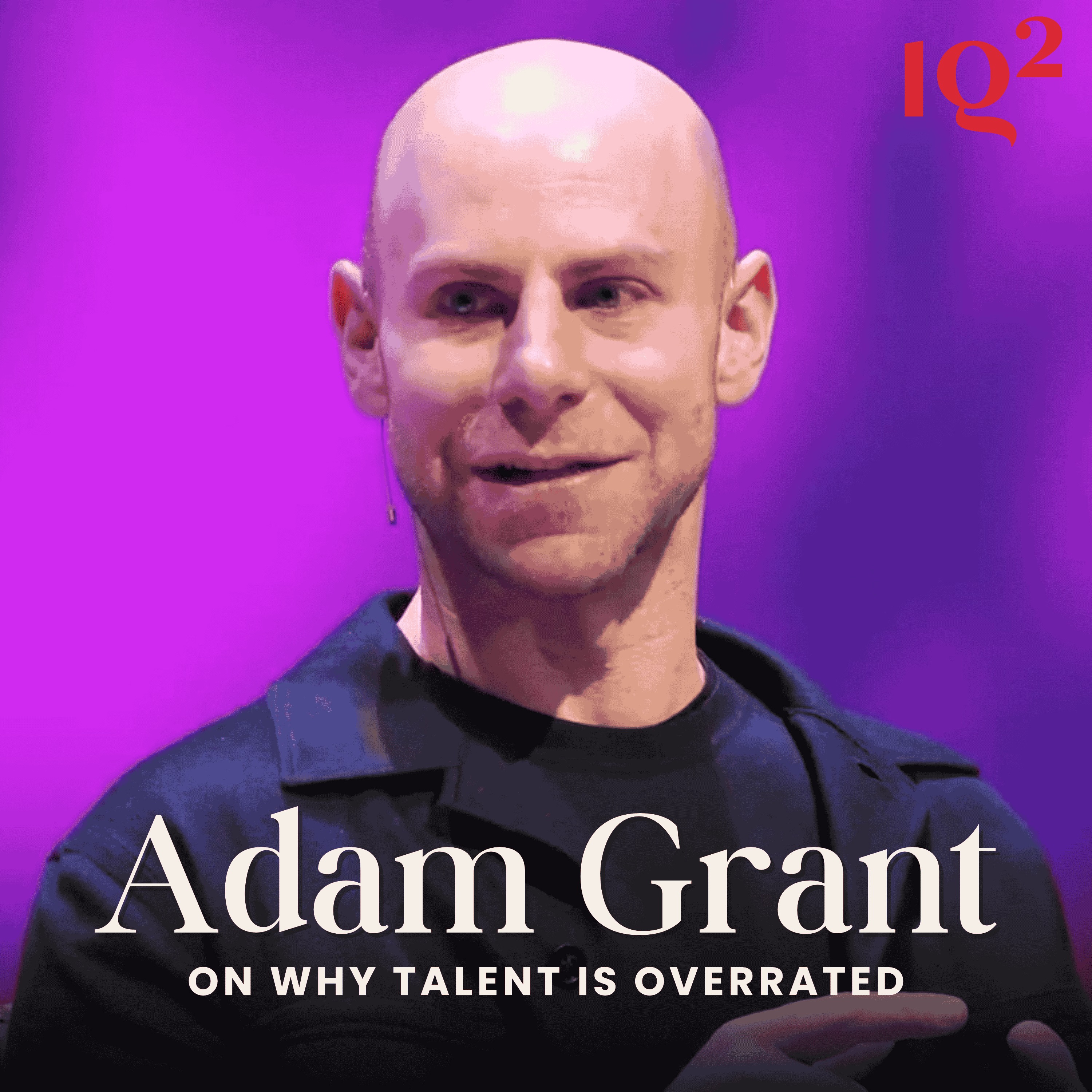
Adam Grant is one of the most sought after organisational psychologists in the world. He has provided expert advice to many of the world’s greatest business leaders, including Bill Gates and Sheryl Sandberg, equipping them with the mental tools to find motivation and meaning, rethink assumptions, and achieve greatness in their business and personal lives. In January 2024 Grant came to the Intelligence Squared stage for a rare, exclusive London event where he shared his revolutionary framework for how we can all exceed the expectations and aspirations we have set for ourselves. Drawing on his new book Hidden Potential he explained that despite living in a world that tends to admire people who start out with innate talent, there is clear scientific evidence that we can all bridge the biology gap and improve ourselves dramatically. In conversation with economist and FT columnist Tim Harford, Grant wove together groundbreaking evidence, surprising insights, and vivid story telling to take
Harry looked like a lock for the Dancing With the Stars finale. He'd been delivering incredible performances, earning perfect scores, and proving himself as one of the strongest dancers in the competition. So when his name was called for elimination, Christi and Kelly could NOT believe it. But after Jenna Dewan's shocking exit the previous week, they're starting to notice a pattern. Are DWTS fans turning against the show's best dancers? This week on Back to the Barre, Christi and Kelly try to make sense of another shocking elimination. They debate whether Harry's professional dance experience actually worked against him, and how the increasingly nasty side of DWTS fandom might be affecting the contestants. It's a conversation that hits close to home as they compare the online backlash to what they've experienced firsthand on Dance Moms. Meanwhile, Maura Higgins pulls off a comeback neither Christi nor Kelly saw coming, while some of the night's highest-scoring performances leave them s
What happens when E.T. finally shows up and asks to speak to someone in charge? Renowned astrophysicist, bestselling author, and master cosmic storyteller Neil deGrasse Tyson joins us for a lively exploration of one of humanity's oldest and most irresistible questions: are we alone in the universe? "Ever since childhood," writes Neil deGrasse Tyson, "I've wanted to be abducted by Aliens." His new book, Take Me to Your Leader: Perspectives on Your First Alien Encounter, is the culmination of a lifetime of obsession, speculation, and the amassing of scientific data about the possibility of aliens visiting Earth. Fusing science, history, pop culture, and a healthy dose of cosmic humor, Tyson takes us on a whirlwind tour of our culture's fascination with life beyond Earth, from flying saucer lore and alien abductions to UFO culture, UAP sightings, and our enduring fantasies about visitors from other worlds. What does science tell us about the possibility of intelligent extraterrestrial lif
Society is collapsing before our eyes—at least, it is if you’re listening to preppers, who have been getting more attention online than ever thanks to recent tech outages. What started with a nationwide ground stop (https://slate.com/business/2026/11/faa-groundstop-airports-ai.html) went on to include a Microsoft outage, an Apple outage, a JP Morgan Chase outage, and more, prompting many of us to wonder if we should be more prepared for a world in which the internet and all the systems we rely on go dark. On today’s episode, host Kate Lindsay is joined by writer, producer, and Defector co-owner Alex Sujong Laughlin, who wrote aboutfalling down the doomsday prepper rabbit hole (https://defector.com/how-do-i-avoid-becoming-a-doomsday-prepper), and what we’re really scared of when we try to prepare for the worst. This podcast is produced by Vic Whitley-Berry, Daisy Rosario, and Kate Lindsay. Hosted on Acast.
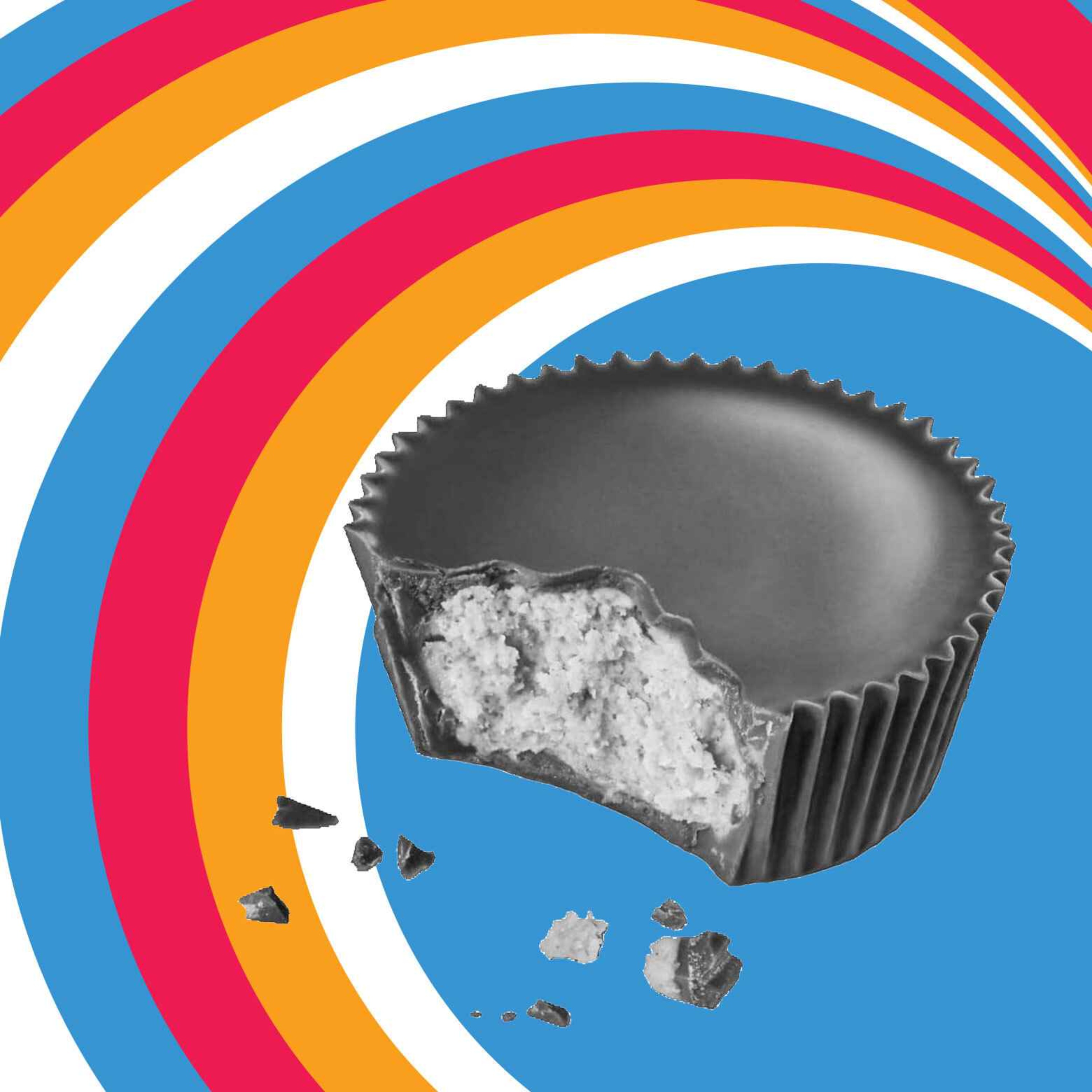
In early 2026, Brad Reese, the grandson of the inventor of Reese’s Peanut Butter Cups, posted a scathing letter accusing Hershey of altering the beloved candy’s recipe and defiling his family’s legacy. The screed went viral, with many people chiming in that they, too, were convinced that all sorts of chocolates taste worse now than they did before. Ancient civilizations cultivated chocolate for ceremonial rites—its Latin name even means “food of the gods.” It has figured in trade between empires, been a symbol of status, even provided sustenance in war. Chocolate, and how we consume it, has always been changing. So why is it suddenly unrecognizable? Rachel Handler, a writer at New York Magazine, decided to investigate (https://www.grubstreet.com/article/chocolate-hersheys-reeses-conspiracy.html?_gl=1*o74qjl*FPAU*ODczMDczNjIwLjE3OTQ4NTc0MzI.*_ga*MTUzODczMjcxLjE3OTMzNjk0NjM.*_ga_DNE38RK1HX*czE3OTQ5NDI4MDkkbzUkZzAkdDE3OTQ5NDI4MDkkajYwJGwwJGgxODQwMjM1Mjk4*_fplc*TmIyRzFBY0hmWHdGZiUyQnhYdktC
Disney adults get a bad rap, which is probably why some creators started using the term “Disney cool girl” to differentiate themselves from the stereotype. Instead, it ended up creating division, and when The Cut published a piece (https://www.thecut.com/article/disney-cool-girl-style-tiktoks.html) about these so-called “cool girls,” none of them were happy about it. On today’s episode, host Kate Lindsay is joined by culture writer Kyle Raymond Fitzpatrick (https://1234kyle5678.substack.com/) to discuss why everyone in the community knows the term “Disney cool girl” but nobody wants to claim it, and why writing about any fandom almost always ends up going wrong. This podcast is produced by Vic Whitley-Berry, Daisy Rosario, and Kate Lindsay. Hosted on Acast.
Mental-health support should be available before a person reaches a crisis.
Share your view, then see how readers voted. No sign-in required. This poll is shared across stories.
Do you agree or disagree?
Common Quandary
A Common Quandary to discuss
Another conversation to explore, separate from this news story.
Your family connection could get your child into their dream school. Do you use it?
A university argues that considering family ties builds loyalty and encourages donations that fund scholarships. Critics say the preference preserves inherited advantage and takes places from stronger applicants.
Can benefits to the whole institution justify an unequal admissions advantage?