Listen through the publisher, then discuss the episode here or arrange an in-person Roundtable. Your city determines where to meet.
Roundtables are designed for groups of four, with a shared subject and room for everyone to speak. Come for discussion, with no dating expectation.
How should Asian people feel about white people in Asian grocery stores? That’s the question creatorMadeline Qi (https://www.tiktok.com/@say_qis?lang=en) didn’t even mean to ask when she posted her now-viral video, which resulted in call-outs, doxxing, and, ultimately, a conversation too nuanced for TikTok. Writer and comedian Youngmi Mayer attempted to make sense of the discourseon her Substack (https://youngmimayer.substack.com/p/white-people-inside-asian-grocery), which ended upgoing viral on Instagram (https://www.instagram.com/ymmayer/?hl=en). She joined host Kate Lindsay to share what people misunderstand about the controversy, and how her own experience being mixed white and Asian contributes to her perspective. This podcast episode was produced by Vic Whitley-Berry, Daisy Rosario, and Kate Lindsay, with help from AC Valdez. Hosted on Acast.
Episode information is provided by the publisher. Listening takes place on the publisher’s service.
I recap TLC’s two-hour documentary “The Mad Pooper” about the 2017 Colorado Springs serial pooping case, from the initial dumps on a prominent neighborhood lawn to the yearlong investigation involving neighbors’ cameras, national media attention, multiple suspect theories, and a gastroenterologist analyzing photos of the feces. The case spins into speculation about motives ranging from political activism to “poop warfare,” and even sparks talk that the side-profile photos resemble Anne Hathaway. The twist is that a redacted police report is improperly un-redacted, leading to a German woman who eventually confesses from Germany and expresses deep remorse, describing it as a tic mixed with IBS and leaving Taco Bell napkins behind. The documentary withholds her identity, raising the moral question of whether to publicly expose someone whose actions didn’t seriously harm anyone and who no longer lives there. Timestamps: 01:43 Setting Colorado Springs Scene 03:06 Investigation And Poop Anal
Rachel LaMont Breaks Down the Coin Flip | Survivor 51 Ep 9 Also available on YouTube (https://youtu.be/k6tVuBV6INQ). A risky coin flip sends shockwaves through Survivor 51, and Rob Cesternino is joined by Survivor 47 winner Rachel LaMont as they break down the unpredictable twists and high-pressure decisions from Coin Flip Week. This Recap episode brings Rachel’s winner insight to this season’s controversial new mechanics, divisive jury circumstances, and unforgettable gameplay moments. Rob and Rachel go step by step through the rollercoaster of recent episodes. They kick things off with a deep dive on the infamous coin flip, dissecting whether this high-stakes twist offers exciting drama or just undermines the skillful gameplay of early season. Rachel challenges the idea of “permanent uncertainty” and shares her mixed feelings about major jury members being sent home by game mechanics instead of alliances or strategy. The duo unpacks the key decision surrounding Lewis’ attempted coin
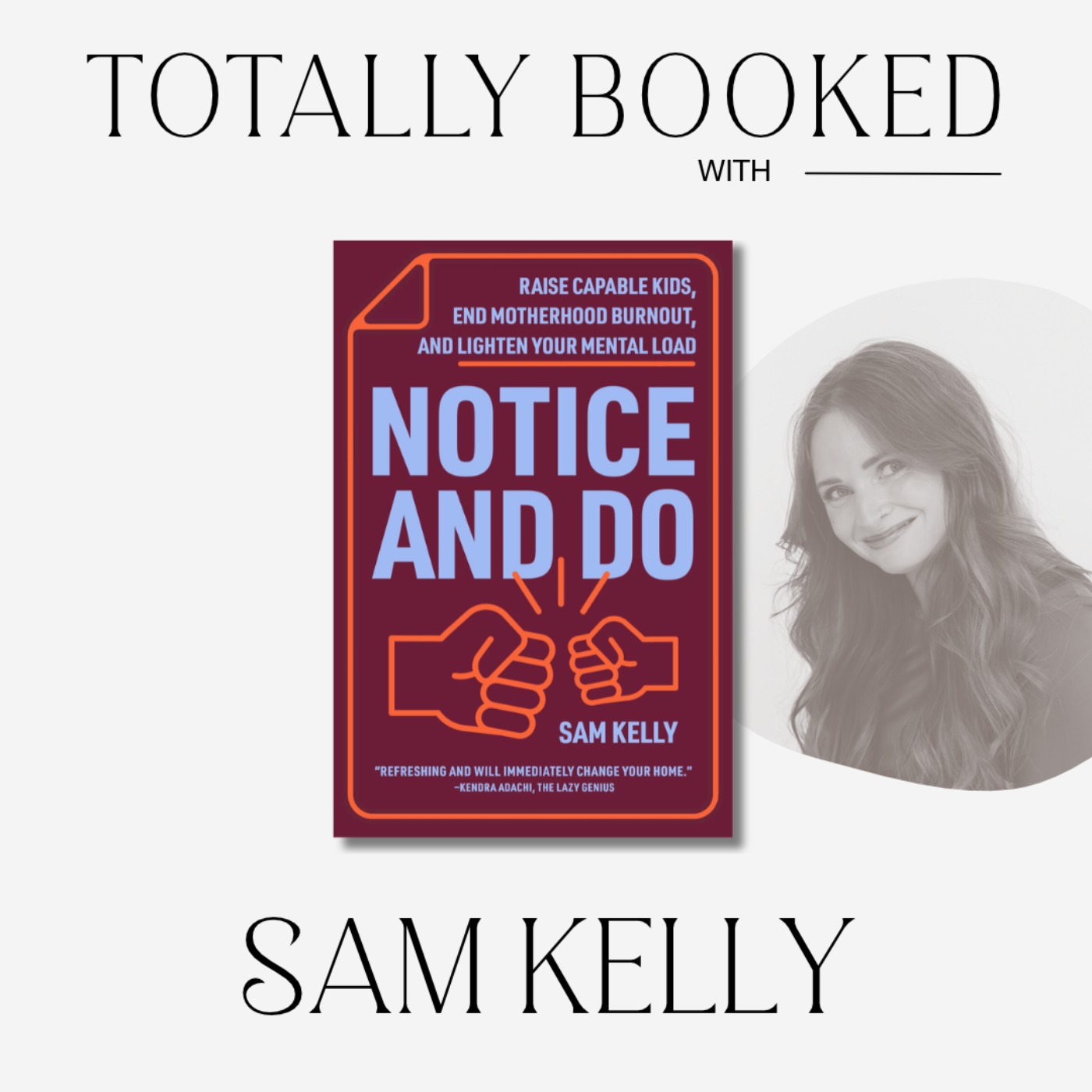
Parenting expert Sam Kelly talks with Zibby Owens about her groundbreaking viral method and book, Notice and Do: Raise Capable Kids, End Motherhood Burnout, and Lighten Your Mental Load. Sam shares the fascinating backstory of developing her method while parenting three neurodivergent children, offering game-changing, practical advice on navigating resistance, side-stepping the reminder trap, and building "learning ladders" to break down complex household chores into bite-sized steps. She also reflects about the raw, necessary conversations that ultimately saved her marriage, the power of implementing "pre-existing motivators" instead of bribes, and why changing the narrative around chores is a direct pipeline to raising confident, independent, and resilient kids. Learn more about Sam here (https://hellosamkelly.com/), and follow her on Instagram @samkelly_world (https://www.instagram.com/samkelly_world/). You can purchase Notice and Do: Raise Capable Kids, End Motherhood Burnout, and
Happy Friday, besties! New haircut, zero filter, and a totally sober (but maybe drunk-sounding) episode. Blake Lively posted a "date night" with no Ryan in sight, and we zoom in on the background of that selfie like the crazy people we are. Plus the fallout from Jamey Heath's speech, Luke walking away from The Valley, and Jax Taylor posting his tumor to shut down the doubters. In this episode: • Jamie Heath's statement: why it hit a nerve, and why everyone gets to handle it their own way • Blake Lively's solo "date night": who's hiding under the table, and where's Ryan? • A Yahoo report claims there's damage in Blake & Ryan's marriage (unconfirmed) • Kristen Doute confirms Luke won't film the next season of The Valley • Jax Taylor posts his removed tumor after fans question his cancer diagnosis • Diplo opens up about his experiences with men • A viral "gay man married to a woman" couple. Help me understand! • Jennifer Lawrence names Chris Pratt her worst on-screen kiss on WWHL • Plus:
Harry looked like a lock for the Dancing With the Stars finale. He'd been delivering incredible performances, earning perfect scores, and proving himself as one of the strongest dancers in the competition. So when his name was called for elimination, Christi and Kelly could NOT believe it. But after Jenna Dewan's shocking exit the previous week, they're starting to notice a pattern. Are DWTS fans turning against the show's best dancers? This week on Back to the Barre, Christi and Kelly try to make sense of another shocking elimination. They debate whether Harry's professional dance experience actually worked against him, and how the increasingly nasty side of DWTS fandom might be affecting the contestants. It's a conversation that hits close to home as they compare the online backlash to what they've experienced firsthand on Dance Moms. Meanwhile, Maura Higgins pulls off a comeback neither Christi nor Kelly saw coming, while some of the night's highest-scoring performances leave them s
To bring food prices down, New York's mayor, Zohran Mamdani, is opening publicly funded shops. How will they work? Dan Saladino reports from one of the proposed sites, East Harlem. Produced and presented by Dan Saladino.
Society is collapsing before our eyes—at least, it is if you’re listening to preppers, who have been getting more attention online than ever thanks to recent tech outages. What started with a nationwide ground stop (https://slate.com/business/2026/11/faa-groundstop-airports-ai.html) went on to include a Microsoft outage, an Apple outage, a JP Morgan Chase outage, and more, prompting many of us to wonder if we should be more prepared for a world in which the internet and all the systems we rely on go dark. On today’s episode, host Kate Lindsay is joined by writer, producer, and Defector co-owner Alex Sujong Laughlin, who wrote aboutfalling down the doomsday prepper rabbit hole (https://defector.com/how-do-i-avoid-becoming-a-doomsday-prepper), and what we’re really scared of when we try to prepare for the worst. This podcast is produced by Vic Whitley-Berry, Daisy Rosario, and Kate Lindsay. Hosted on Acast.
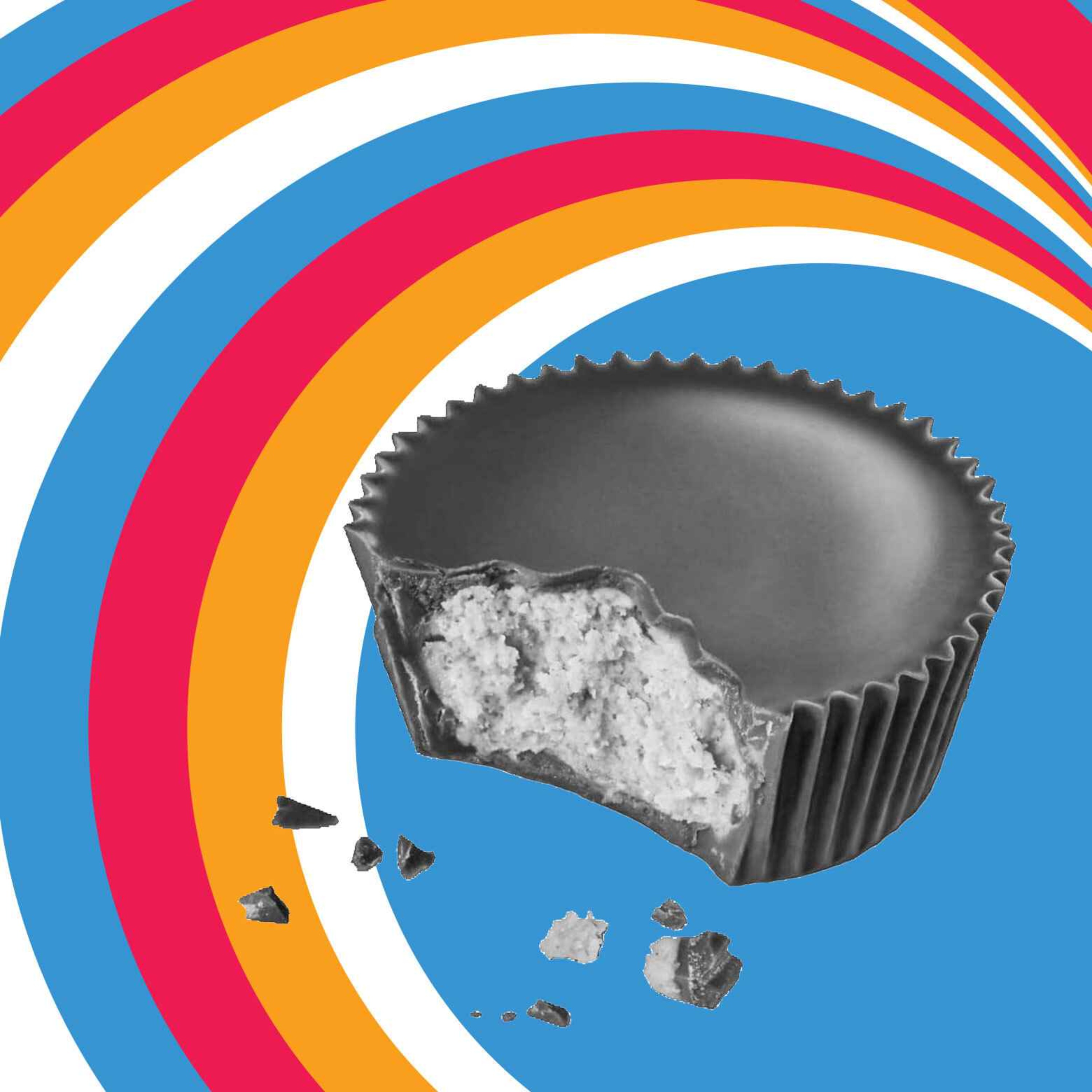
In early 2026, Brad Reese, the grandson of the inventor of Reese’s Peanut Butter Cups, posted a scathing letter accusing Hershey of altering the beloved candy’s recipe and defiling his family’s legacy. The screed went viral, with many people chiming in that they, too, were convinced that all sorts of chocolates taste worse now than they did before. Ancient civilizations cultivated chocolate for ceremonial rites—its Latin name even means “food of the gods.” It has figured in trade between empires, been a symbol of status, even provided sustenance in war. Chocolate, and how we consume it, has always been changing. So why is it suddenly unrecognizable? Rachel Handler, a writer at New York Magazine, decided to investigate (https://www.grubstreet.com/article/chocolate-hersheys-reeses-conspiracy.html?_gl=1*o74qjl*FPAU*ODczMDczNjIwLjE3OTQ4NTc0MzI.*_ga*MTUzODczMjcxLjE3OTMzNjk0NjM.*_ga_DNE38RK1HX*czE3OTQ5NDI4MDkkbzUkZzAkdDE3OTQ5NDI4MDkkajYwJGwwJGgxODQwMjM1Mjk4*_fplc*TmIyRzFBY0hmWHdGZiUyQnhYdktC
Disney adults get a bad rap, which is probably why some creators started using the term “Disney cool girl” to differentiate themselves from the stereotype. Instead, it ended up creating division, and when The Cut published a piece (https://www.thecut.com/article/disney-cool-girl-style-tiktoks.html) about these so-called “cool girls,” none of them were happy about it. On today’s episode, host Kate Lindsay is joined by culture writer Kyle Raymond Fitzpatrick (https://1234kyle5678.substack.com/) to discuss why everyone in the community knows the term “Disney cool girl” but nobody wants to claim it, and why writing about any fandom almost always ends up going wrong. This podcast is produced by Vic Whitley-Berry, Daisy Rosario, and Kate Lindsay. Hosted on Acast.
Food labels should explain environmental and ethical claims in verifiable terms.
Share your view, then see how readers voted. No sign-in required. This poll is shared across stories.
Do you agree or disagree?
Common Quandary
A Common Quandary to discuss
Another conversation to explore, separate from this news story.
Your anonymous review could cost a coworker a promotion. Do you sign your name?
A company requests anonymous feedback about a colleague being considered for promotion. You have serious concerns based on direct experience, but anonymity prevents them from asking questions or understanding the context of your criticism.
Does honest criticism require accepting personal accountability for it?