Hit Parade | Music History and Music Trivia - Clearly Canadian Edition
55 min
Listen through the publisher, then discuss the episode here or arrange an in-person Roundtable. Your city determines where to meet.
Roundtables are designed for groups of four, with a shared subject and room for everyone to speak. Come for discussion, with no dating expectation.
For decades, America’s Hot 100 pop chart has been regularly invaded by Canadian artists like Paul Anka, the Guess Who, Bryan Adams, Céline Dion, Justin Bieber, and Drake. Yet in Canada, some of these Canucks’ biggest hits aren’t considered fully “Canadian.” Join Chris Molanphy for a look at how the country’s requirements for Canadian content, or CanCon, on radio, television, and other cultural outlets has influenced the music industry and entire careers on both sides of the border. From Kon Kan’s “I Beg Your Pardon” to Tate McRae’s recent “Housewife,” Chris explores how much credit, or blame, Canada’s radio rules deserve for what Americans hear on the pop charts. For more chart history for the Great White North, check out Hit Parade’s recent episode on Celine Dion (https://slate.com/podcasts/hit-parade/2026/08/celine-dions-voice-helped-define-the-90s-and-shaped-the-sound-of-the-decades-top-movie). Get more Hit Parade with Slate Plus! Join for bonus episodes of "The Bridge" and ad-free listening across all your favorite Slate podcasts. Or, visit slate.com/hitparadeplus (https://slate.com/podcast-plus) to get access wherever you listen. Hosted on Acast.
Episode information is provided by the publisher. Listening takes place on the publisher’s service.
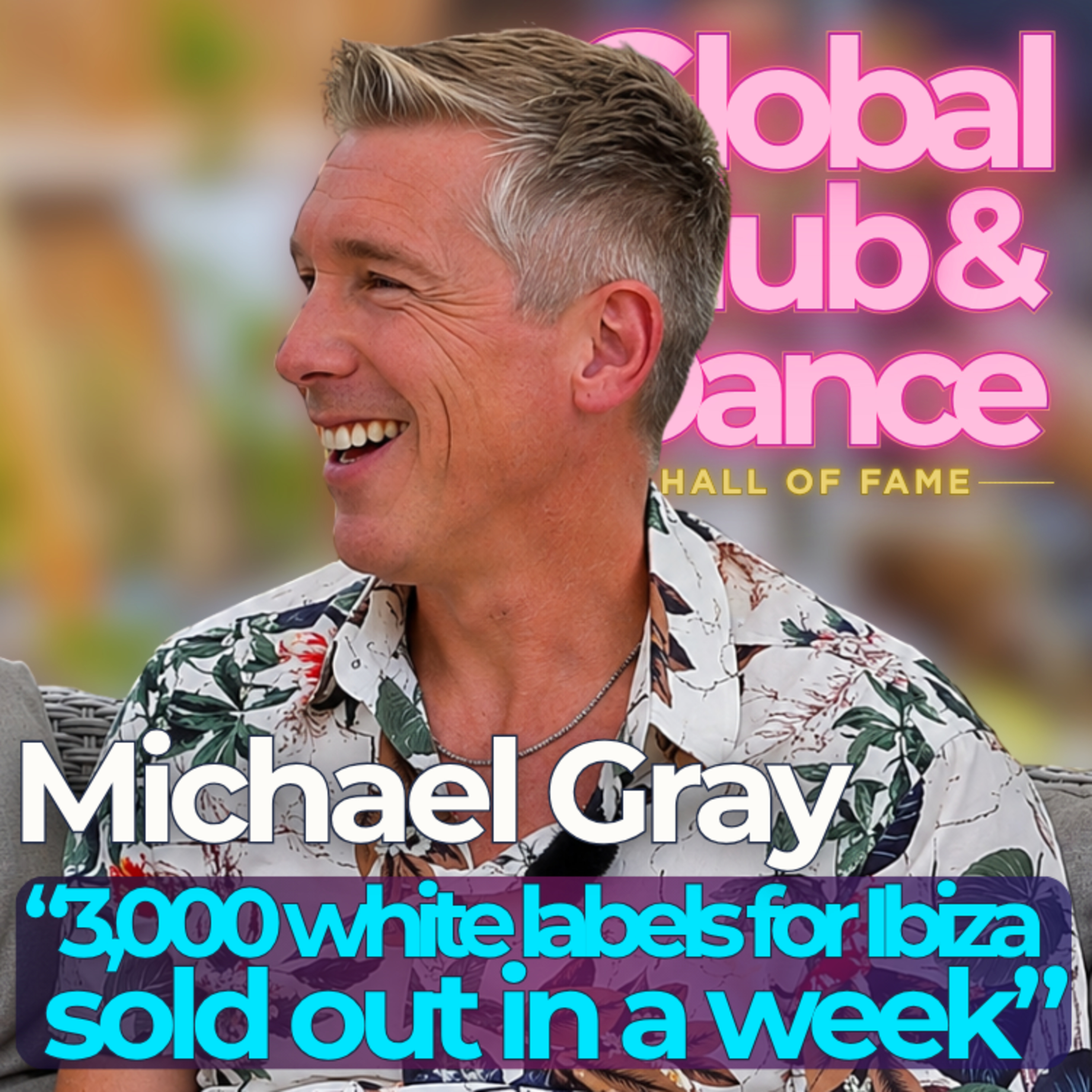
Legendary DJ, producer and remixer Michael Gray joins Clara and Big Al on the Global Club & Dance Hall Of Fame to reflect on over four decades in dance music, from his early DJ career to chart success with the anthems The Weekend and Borderline. Starting behind the decks at just 12 years old, Michael discovered house music in the mid-1980s before establishing himself as a remixer with DMC. He went on to form Full Intention with Jon Pearn, producing and remixing for artists including Mariah Carey, Jennifer Lopez, George Michael and Ultra Naté, earning a Grammy nomination along the way. Michael reveals the fascinating story behind The Weekend, from its creation in 2003 and early white-label success in Ibiza to Pete Tong championing the track on BBC Radio 1. He also discusses the numerous aliases behind his extensive production catalogue, the challenges of the record industry and his enduring love of soul, disco and house music. The conversation explores his Ibiza experiences, the influen
We checked out the new show Small Town Trouble Texas that kicked off with a double episode. We learn about Texas life and what happens behind closed doors (and hotels and PF Changs) in small, conservative, christian Hill Country. It's not so conservative afterall. Some swing, some go both ways, some share partners, and some do not! The rodeo is the least wild thing happening on this show. Let us know what you think! Ready to reach your goals? Give the gift of quality this holiday season. Download the Quince app for app-exclusive offers, or go to www.Quince.com (http://www.quince.com/). Get free shipping on your order and 365-day returns. Now available in Canada and the UK, too. And when Quince asks where you heard about them, let them know it was Vanderpump Rules Party! It’s the best way to support the show. Aura is the #1 digital frame loved by millions of families and their Black Friday Cyber Monday deal is the best of the year. Starting November19, visit www.AuraFrames.com (http://w
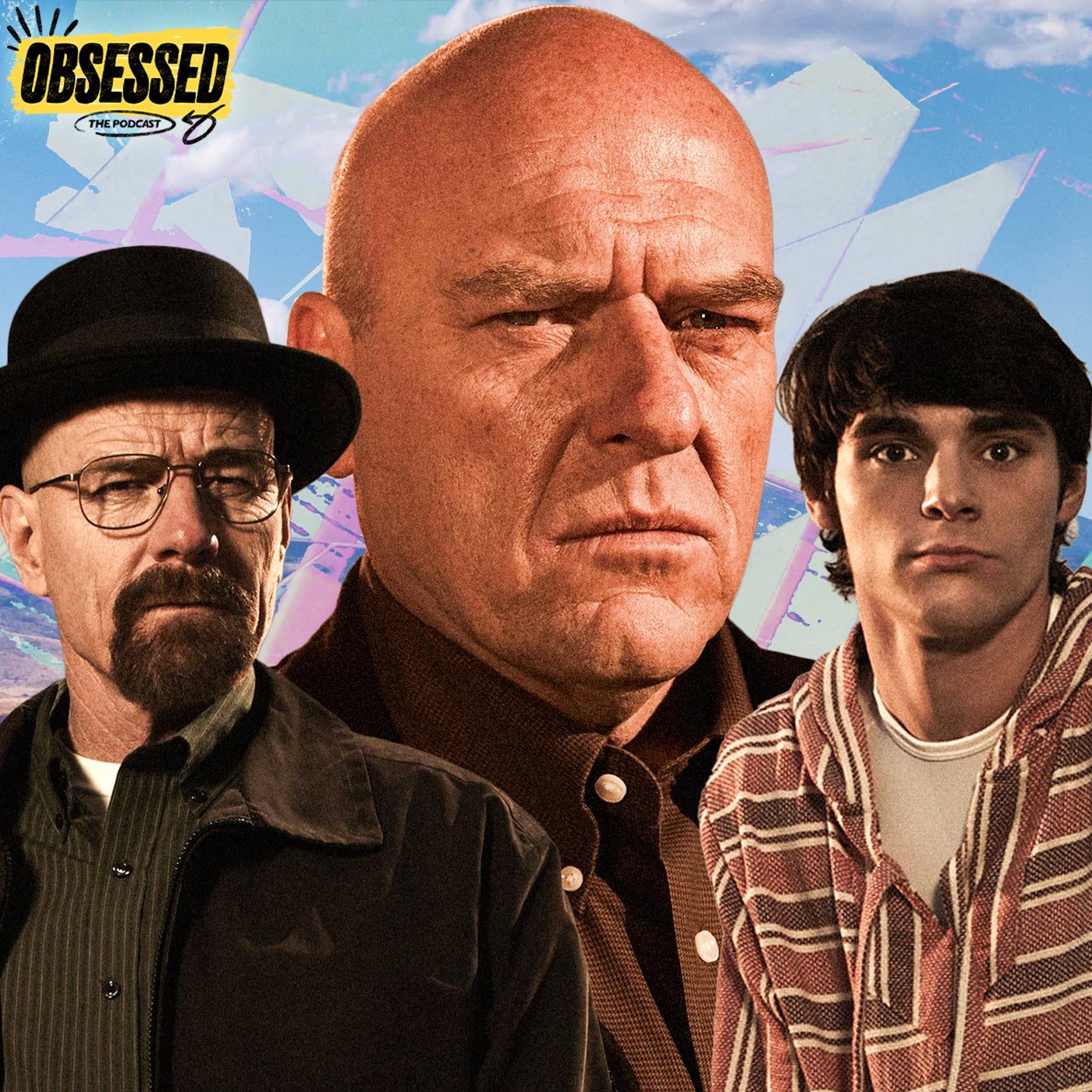
Breaking Bad star Dean Norris joins Matt Wilstein for a fascinating, behind-the-scenes conversation about playing Hank Schrader, the making of one of television’s greatest shows, and the unforgettable moments that shaped the series. Norris shares stories about Bryan Cranston’s casting as Walter White, Hank’s discovery of Heisenberg’s secret, filming the emotional “Ozymandias” death scene, and why he believes a show like Breaking Bad may never happen again. He also discusses his new book, Do What You’re Going to Do: The Definitive Oral History of Breaking Bad, his final conversations with late co-star RJ Mitte, and his experience appearing in the Curb Your Enthusiasm series finale. If you’re a Breaking Bad fan, this is a must-watch conversation packed with stories you haven’t heard before. #ad Get up to $20 off your first eligible purchase—search Whatnot in the app store and take a shopping trip live. Terms apply. #ad Get free shipping on your order and 365-day returns at https://quince
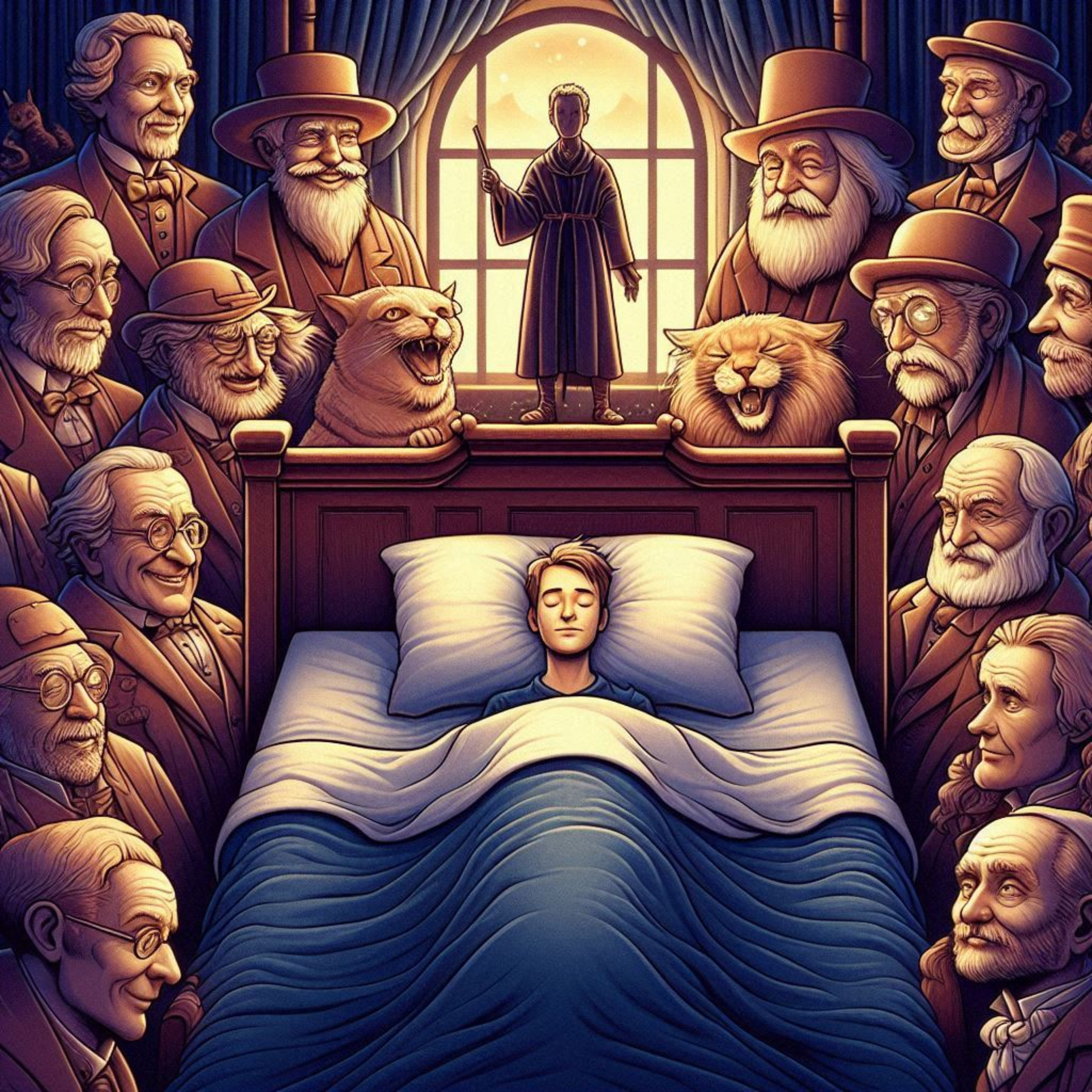
Unwind tonight with a calming historical sleep story exploring the Habsburg dynasty, one of Europe's most powerful and influential royal families. Discover how a family with modest beginnings gradually built an extraordinary empire through strategic marriages, royal inheritances, political alliances, and centuries of carefully arranged family connections. From the medieval origins of the House of Habsburg to the grand courts of Austria and Spain, we'll explore how rulers such as Maximilian I, Charles V, and Maria Theresa helped shape European history. Along the way, discover the fascinating world of royal weddings, complicated family trees, palace traditions, dynastic rivalries, and the famous Habsburg marriage strategy that helped place their relatives on thrones across Europe. Settle into a peaceful evening of gentle historical storytelling, where the remarkable rise and eventual decline of the Habsburg Empire unfolds at a comfortable, unhurried pace. Perfect for adults interested in
Europe's Little Anarchy: The Rise and Fall of Neutral Moresnet (https://bookshop.org/a/12343/9781501788147)(Cornell UP, 2026) uncovers the history of Neutral Moresnet: a once-forgotten space without borders, nationalism, or a recognized government. Between 1815 and 1919, this square mile of land wedged between Belgium, the Netherlands, and Germany was home to thousands of people living off the grid, free of taxation and oversight. But they also had no political status, police, legal currency, proper law courts, or government presence in sectors like public health, infrastructure maintenance, or education. Meanwhile, practical control over Neutral Moresnet lay in the hands of the local industry: a for-profit, multinational mining company that, because it owned rights to the land, also held a near monopoly on the supply of high-quality zinc to the rest of the world. Dr. Steven Press explores how the residents of Neutral Moresnet sought to improve their quality of life, appealing to Germa
In 1963, President John F. Kennedy was assassinated in Dallas, TX. In 1718, the pirate Blackbeard was killed off the coast of North Carolina. In 1968, the Beatles released their self-titled double album, better known as the White Album. In 1808, Norway’s Olaf Rye took to the air wearing a pair of skis to record the first ever ski jump.
Society is collapsing before our eyes—at least, it is if you’re listening to preppers, who have been getting more attention online than ever thanks to recent tech outages. What started with a nationwide ground stop (https://slate.com/business/2026/11/faa-groundstop-airports-ai.html) went on to include a Microsoft outage, an Apple outage, a JP Morgan Chase outage, and more, prompting many of us to wonder if we should be more prepared for a world in which the internet and all the systems we rely on go dark. On today’s episode, host Kate Lindsay is joined by writer, producer, and Defector co-owner Alex Sujong Laughlin, who wrote aboutfalling down the doomsday prepper rabbit hole (https://defector.com/how-do-i-avoid-becoming-a-doomsday-prepper), and what we’re really scared of when we try to prepare for the worst. This podcast is produced by Vic Whitley-Berry, Daisy Rosario, and Kate Lindsay. Hosted on Acast.
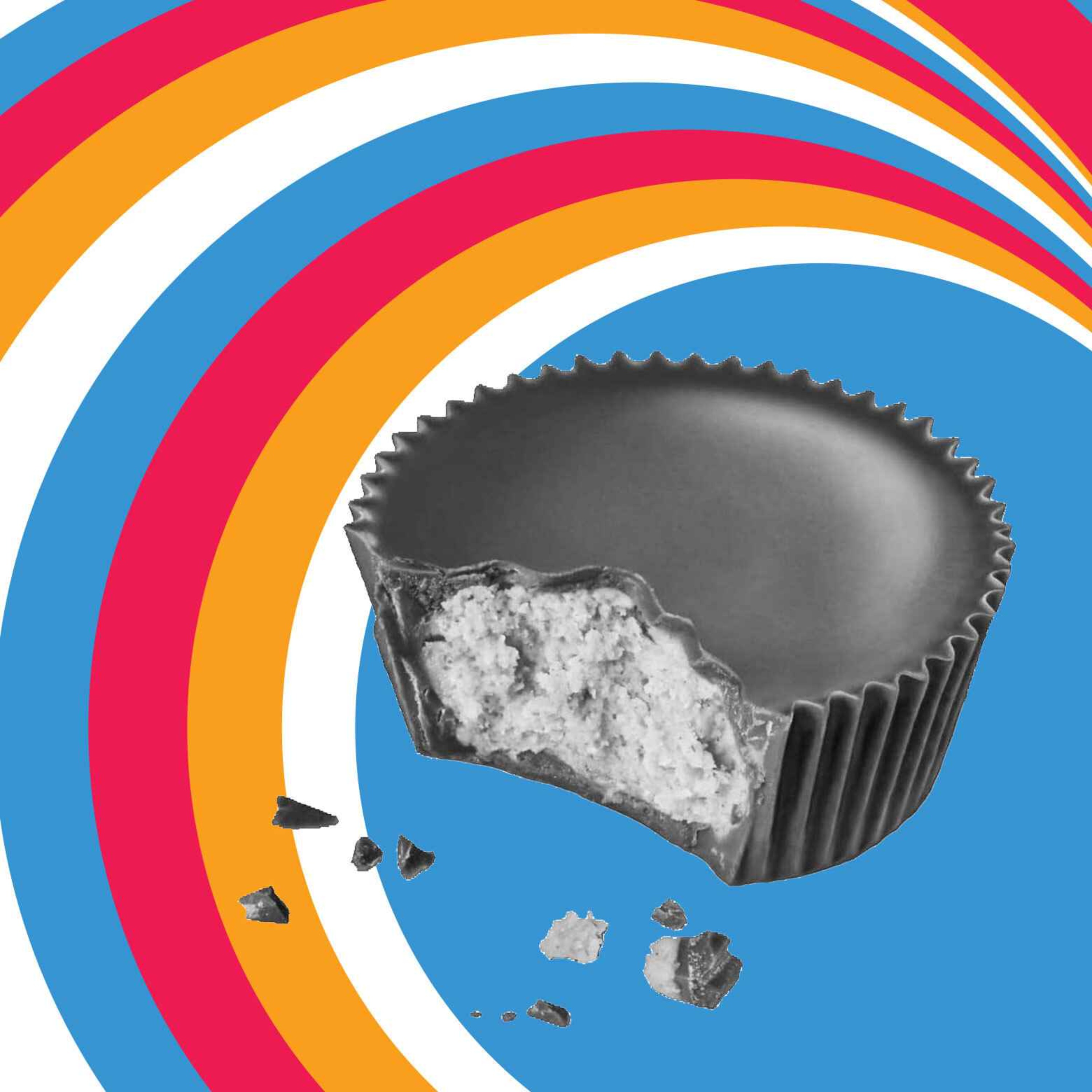
In early 2026, Brad Reese, the grandson of the inventor of Reese’s Peanut Butter Cups, posted a scathing letter accusing Hershey of altering the beloved candy’s recipe and defiling his family’s legacy. The screed went viral, with many people chiming in that they, too, were convinced that all sorts of chocolates taste worse now than they did before. Ancient civilizations cultivated chocolate for ceremonial rites—its Latin name even means “food of the gods.” It has figured in trade between empires, been a symbol of status, even provided sustenance in war. Chocolate, and how we consume it, has always been changing. So why is it suddenly unrecognizable? Rachel Handler, a writer at New York Magazine, decided to investigate (https://www.grubstreet.com/article/chocolate-hersheys-reeses-conspiracy.html?_gl=1*o74qjl*FPAU*ODczMDczNjIwLjE3OTQ4NTc0MzI.*_ga*MTUzODczMjcxLjE3OTMzNjk0NjM.*_ga_DNE38RK1HX*czE3OTQ5NDI4MDkkbzUkZzAkdDE3OTQ5NDI4MDkkajYwJGwwJGgxODQwMjM1Mjk4*_fplc*TmIyRzFBY0hmWHdGZiUyQnhYdktC
Disney adults get a bad rap, which is probably why some creators started using the term “Disney cool girl” to differentiate themselves from the stereotype. Instead, it ended up creating division, and when The Cut published a piece (https://www.thecut.com/article/disney-cool-girl-style-tiktoks.html) about these so-called “cool girls,” none of them were happy about it. On today’s episode, host Kate Lindsay is joined by culture writer Kyle Raymond Fitzpatrick (https://1234kyle5678.substack.com/) to discuss why everyone in the community knows the term “Disney cool girl” but nobody wants to claim it, and why writing about any fandom almost always ends up going wrong. This podcast is produced by Vic Whitley-Berry, Daisy Rosario, and Kate Lindsay. Hosted on Acast.
Environmental commitments should be judged by measured outcomes rather than announced targets.
Share your view, then see how readers voted. No sign-in required. This poll is shared across stories.
Do you agree or disagree?
Common Quandary
A Common Quandary to discuss
Another conversation to explore, separate from this news story.
You ignore a friend's message all day while posting online. Do you owe them an explanation?
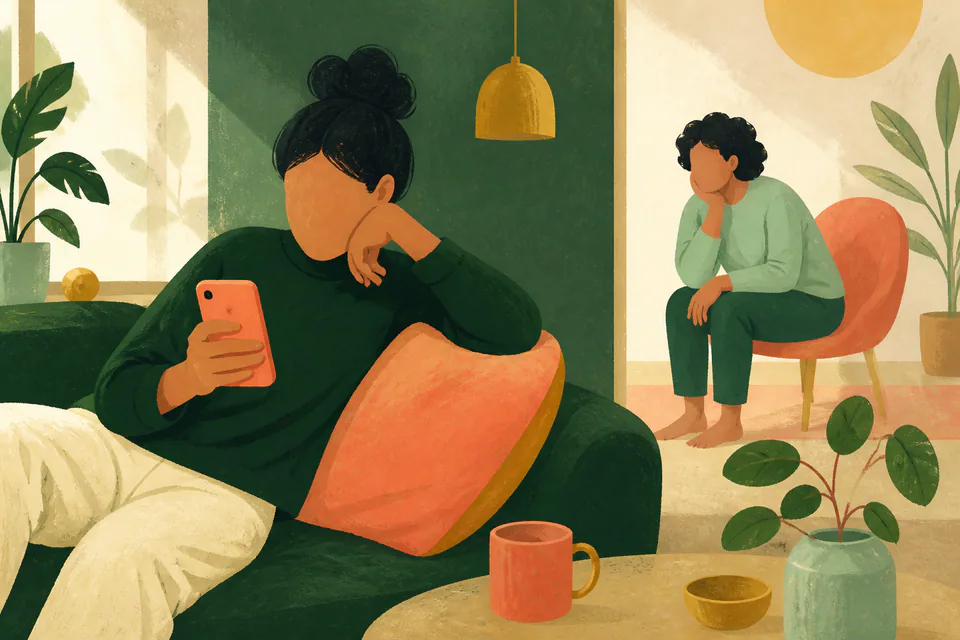
A friend sends a message that deserves a thoughtful answer. You lack the energy to respond, but spend the day posting jokes and photos. They can see that you are active and eventually ask whether something is wrong.
Does being visibly online create an obligation to be available?