ALL AGAINST ALL Nonkinetic Strategies Redefine Modern Global Conflict — Part Three GREGORY COPLEY 3 111726
14 min
Listen through the publisher, then discuss the episode here or arrange an in-person Roundtable. Your city determines where to meet.
Roundtables are designed for groups of four, with a shared subject and room for everyone to speak. Come for discussion, with no dating expectation.
1932 Nonkinetic Strategies Redefine Modern Global Conflict — Part Three Gregory Copley argues that the traditional rules-based international order is giving way to decentralized state self-interest and balance-of-power dynamics. Modern conflict increasingly relies on non-kinetic strategies, including economic pressure, cyber operations, and psychological tactics, as nations navigate fluid alliances and global institutions struggle to maintain stability. (7)
Episode information is provided by the publisher. Listening takes place on the publisher’s service.
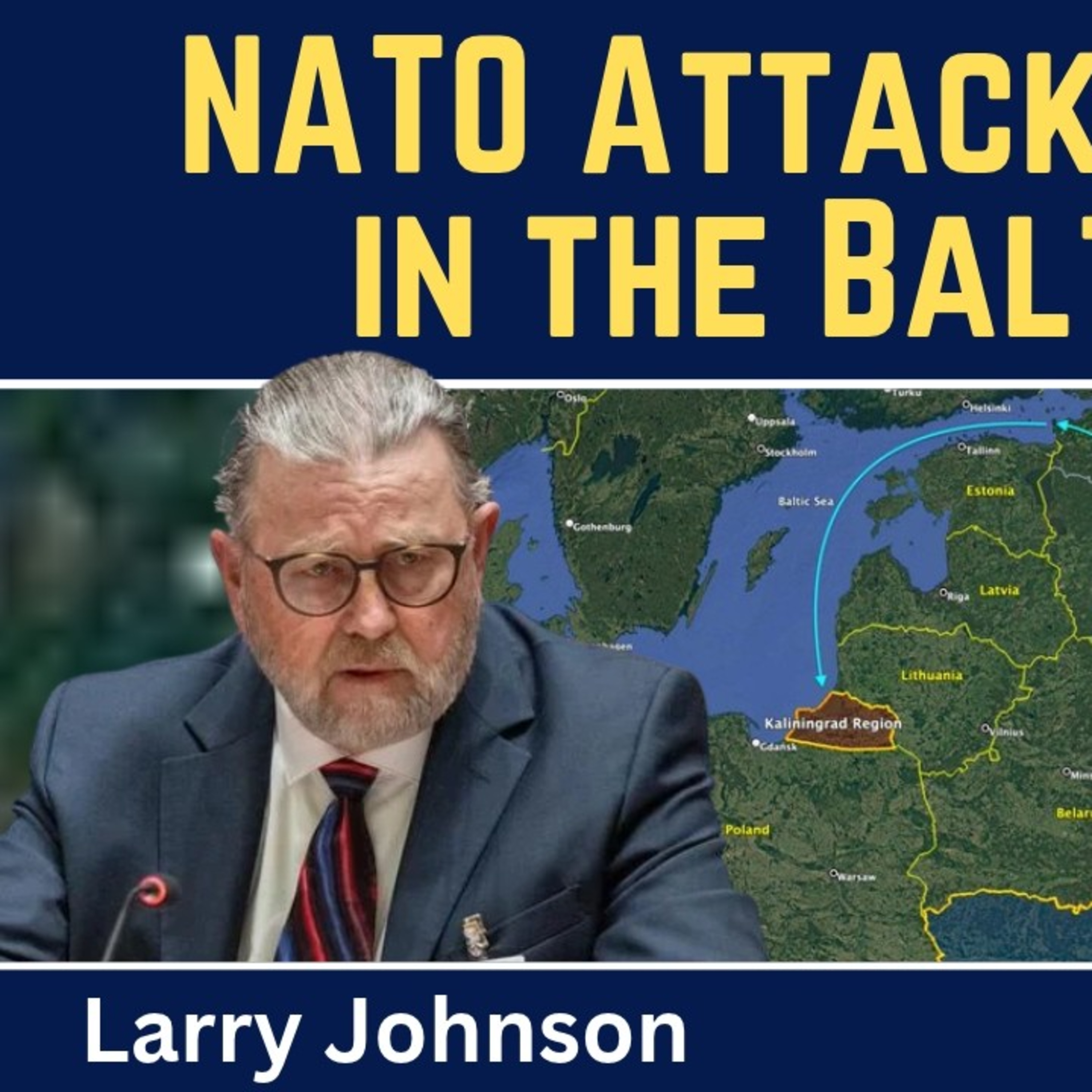
Larry Johnson is a former CIA intelligence analyst who also worked at the U.S. State Department's Office of Counterterrorism. Johnson discusses the attack on a Russian cargo ship in the Baltic Sea, and the air alarms going off in Kaliningrad. Read Larry Johnson's Sonar21: https://sonar21.com/Follow Prof. Glenn Diesen: PayPal: https://www.paypal.com/paypalme/glenndiesenBuy me a Coffee: buymeacoffee.com/gdiesengGo Fund Me: https://gofund.me/09ea012fBuy Diesen merchandise: https://diesen-shop.fourthwall.com/en-nokBooks by Prof. Glenn Diesen: https://www.amazon.com/stores/author/B09FPQ4MDL 00:00 Escalating Tensions in the Baltic Sea02:45 NATO's Role and Russia's Response05:52 The Shift in European Attitudes Towards Russia09:11 Cultural Influences on Perceptions of Russia11:44 The Consequences of Military Escalation15:06 The Irrelevance of Europe in Global Politics25:49 Reassessing Global Power Dynamics32:44 The Role of Europe in a Changing World39:19 The Impact of Economic Interests on Pol
November 20, 2026 On November 19, Trump met with Xi Jinping and Vladimir Putin in Shenzhen, China, The fact that the president of the US would meet with leaders of China and Russia was bizarre since both China and Russia have been helping Iran in its current fight against the US, Trump appeared to want the fanfare and President Xi played that up, Putin wanted the meeting because it would suggest that Russia was a great power, although it is far from being so and Putin’s war on Ukraine is going poorly, The meeting’s purpose seemed to be to produce propaganda for each of the three leaders, Beyond the propaganda is the larger story of the destruction of the post-World War II rules-based international order, In its place is the idea of dividing the world into spheres of influence, The three leaders met for 90 minutes and issued only a vague "joint declaration toward peace," which vowed to reform the UN and weaken the International Criminal Court, where Putin is already under indictment for
Join Shaun Attwood LIVE with Fritz Springmeier, author and researcher known for his controversial investigations into MKUltra, mind control, the Illuminati, secret societies, and alleged covert intelligence operations. Fritz is the author of Bloodlines of the Illuminati and co-author of The Illuminati Formula Used to Create an Undetectable Total Mind Controlled person. His decades of research have explored alleged psychological programming, hidden power structures, and the influence of secrecy within governments and intelligence agencies. Tonight, Shaun and Fritz dive into the history of MKUltra, psychological warfare, government secrecy, and the escalating Iran conflict. They’ll explore propaganda, geopolitical tensions, international power struggles, and Fritz’s theories about how powerful institutions may influence world events. What is documented history, what remains hidden, and which claims deserve closer examination? Join us for an intriguing conversation examining both historic
A wave of major technology outages is raising troubling questions about America's cybersecurity, aging infrastructure, and readiness for a new era of artificial intelligence. Are these isolated technical failures, or warning signs of a much larger national security problem? John Solomon and Amanda Head welcome Ohio Congressman and former Army Ranger Warren Davidson, who discusses recent disruptions involving the FAA, Microsoft, and other critical systems. Davidson calls for greater transparency from government agencies and technology companies, questions whether America's infrastructure is adequately protected against emerging cyber threats, and examines how artificial intelligence could be used both to strengthen defenses and exploit vulnerabilities. The conversation also turns to immigration and national security, with Davidson raising concerns about individuals who entered the country illegally, potential gaps in government screening systems, and the surveillance powers used to moni
Charlie Kirk’s assassination will dominate the headlines—but before the truth is even clear, the disinformation machine is already spinning. This video exposes how suppression, radicalization, and division are weaponized—not by ideology, but by systems designed to keep you outraged, divided, and distracted. Uploaded 11-09-25 We’ll reveal: • Why suppression is the biggest red flag in history—and why it always signals weakness, not strength. • How highly suggestible people are radicalized—not by one side or the other, but through media outrage loops, algorithmic echo chambers, and deliberate manipulation. • The illusion of “left vs. right”—a distraction designed to pit neighbors against each other while corruption, corporate power, and elites escape untouched. • The common ground we all share: freedom, safety, stability, fairness—and what none of us want: corruption, endless wars for profit, elites with different rules, surveillance states, and justice systems that bend for the powerful
Countries are leaving the UN's annual climate summit without reaching an agreement after the European Union and others rejected the final deal. As Candice Cole reports, the biggest sticking points were around fossil fuels. Washington's governor has called the video of two people being arrested by ICE at an airport in Seattle "chilling." Heidi Petracek reports on the cancellation of a federal government program that helped community groups sponsor and support refugees coming to Canada. David Murdock on the election of the new Liberal leader in Nova Scotia. Melissa Ridgen reports on warnings from the trucking industry that bridge and overpass strikes in Western Canada are only going to get worse. Heather Yourex-West takes us through the new Airbnb rules and what they mean for hosts and guests. Plus, Felicia Parrillo introduces us to three Montreal students who won an international NASA competition.
Sandpaper Scandal Resurfaces Again Jeremy Zakis reviews the 2018 cricket scandal in which Australian players secretly used sandpaper to alter the ball. The controversy has resurfaced after a former teammate published a book accusing current captain Pat Cummins of involvement, sparking intense debate despite official support for Cummins. (3)
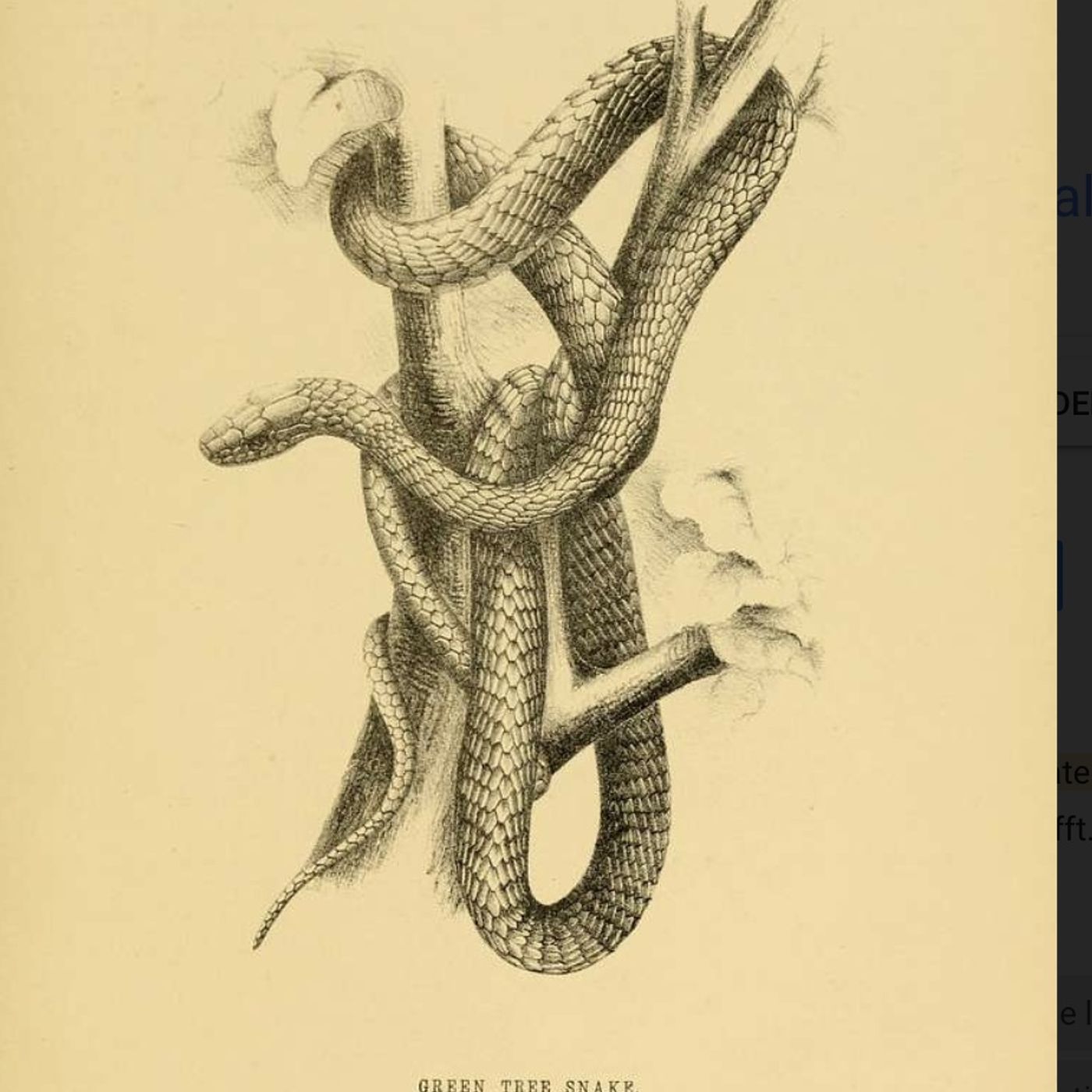
Floods Wash Snakes Downtown Jeremy Zakis explains the official warnings issued in Melbourne after floodwaters washed venomous snakes into the central business district. Snake catchers face surging demand and charge costly call-out fees, while unseasonable storms have disrupted local wildlife, leaving kangaroos hyperactive and erratic on the roads. (2)
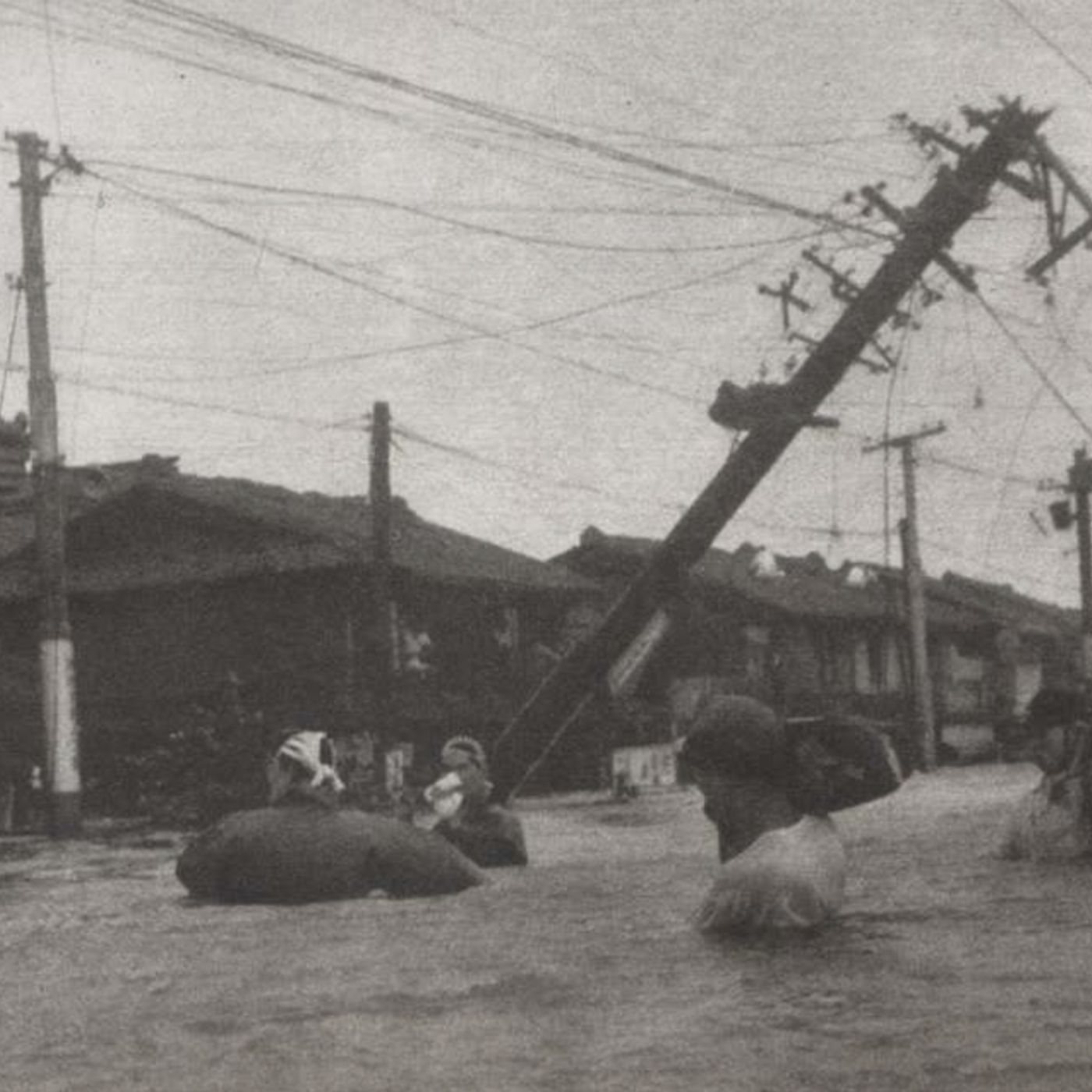
1950 Super El Niño Spring Storms Jeremy Zakis discusses extreme spring weather across Australia, driven by a super El Niño and elevated ocean temperatures. Heavy rain, microbursts, and severe winds in South Australia toppled massive power lines and spawned funnel clouds, while Sydney faces hot, chaotic, (1)
Public sports funding should prioritize everyday participation over elite competition.
Share your view, then see how readers voted. No sign-in required. This poll is shared across stories.
Do you agree or disagree?
Common Quandary
A Common Quandary to discuss
Another conversation to explore, separate from this news story.
You wear an expensive outfit once and return it spotless. Clever or dishonest?
You buy an expensive outfit for a single event, keep it spotless, and return it the next day. The store's generous policy allows returns without asking whether an item was worn.
Does exploiting a policy differ from breaking a rule?