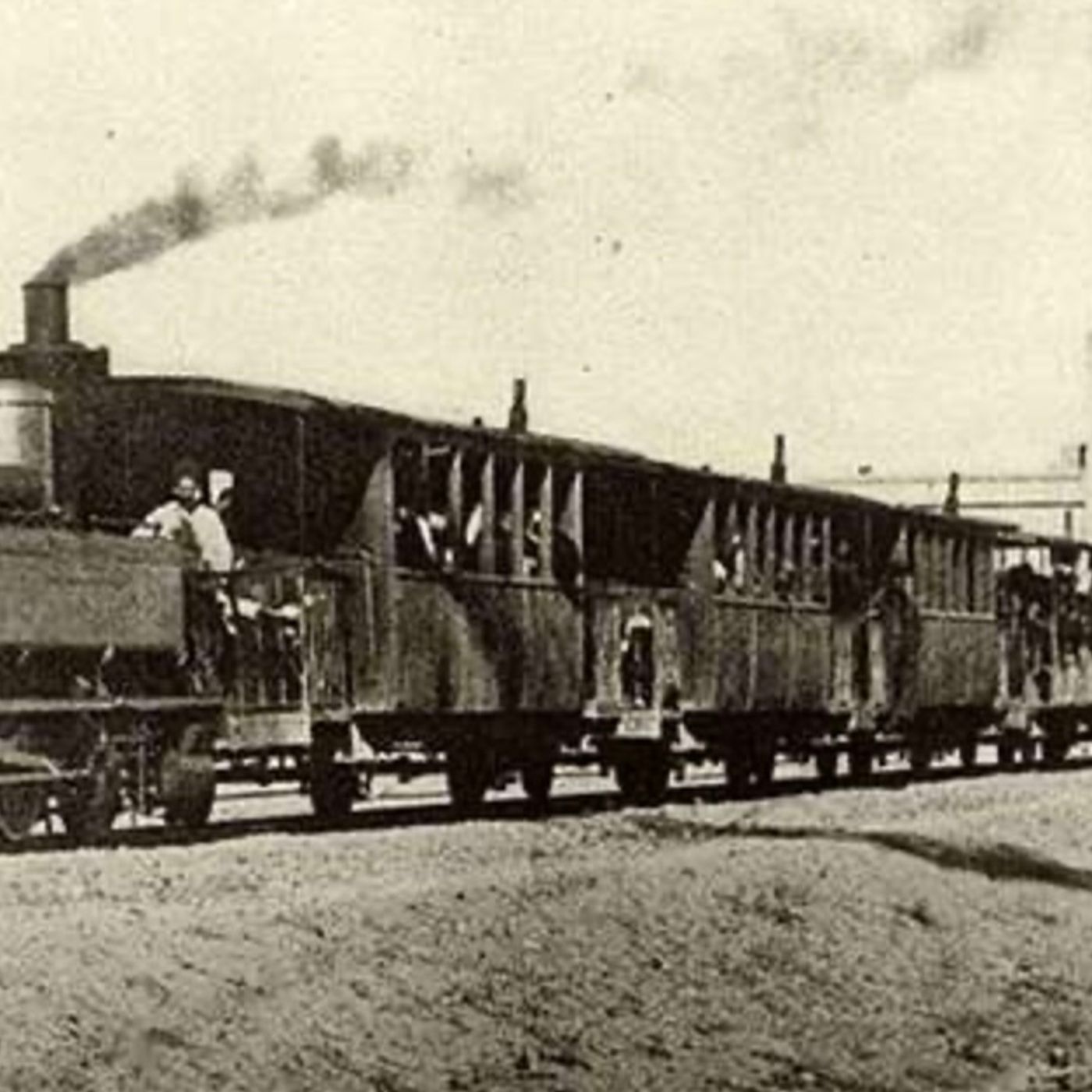
2014 GANYMEDE CONTENTS JOHN BATCHELOR SHOW 11-20-2026 California Storms Train Robberies City Politics — Part One Jeff Bliss reports that severe Pacific storms are dumping heavy snow across Lake Tahoe while driving massive coastal surges against the sand berms protecting beaches. Meanwhile, Los Angeles Mayor-elect Nithya Raman faces mounting criticism over thousands of missed votes, and police have apprehended a gang that stole twenty million dollars in goods from moving freight trains. (1) Beatles Vegas Historic Atomic Tests Formula — Part Two Jeff Bliss recalls how, in August 1964, the Beatles transformed Las Vegas entertainment by moving from the small Congo Room to the Convention Center for sixteen thousand fans. Archival footage from 1957 shows unwitting spectators on Fremont Street watching atmospheric nuclear tests, while today's Las Vegas hosts thrilling Formula Oneraces. (2) Iranian Conflict Regime Change War Powers — Part One Richard Epstein analyzes the military clashes betwe
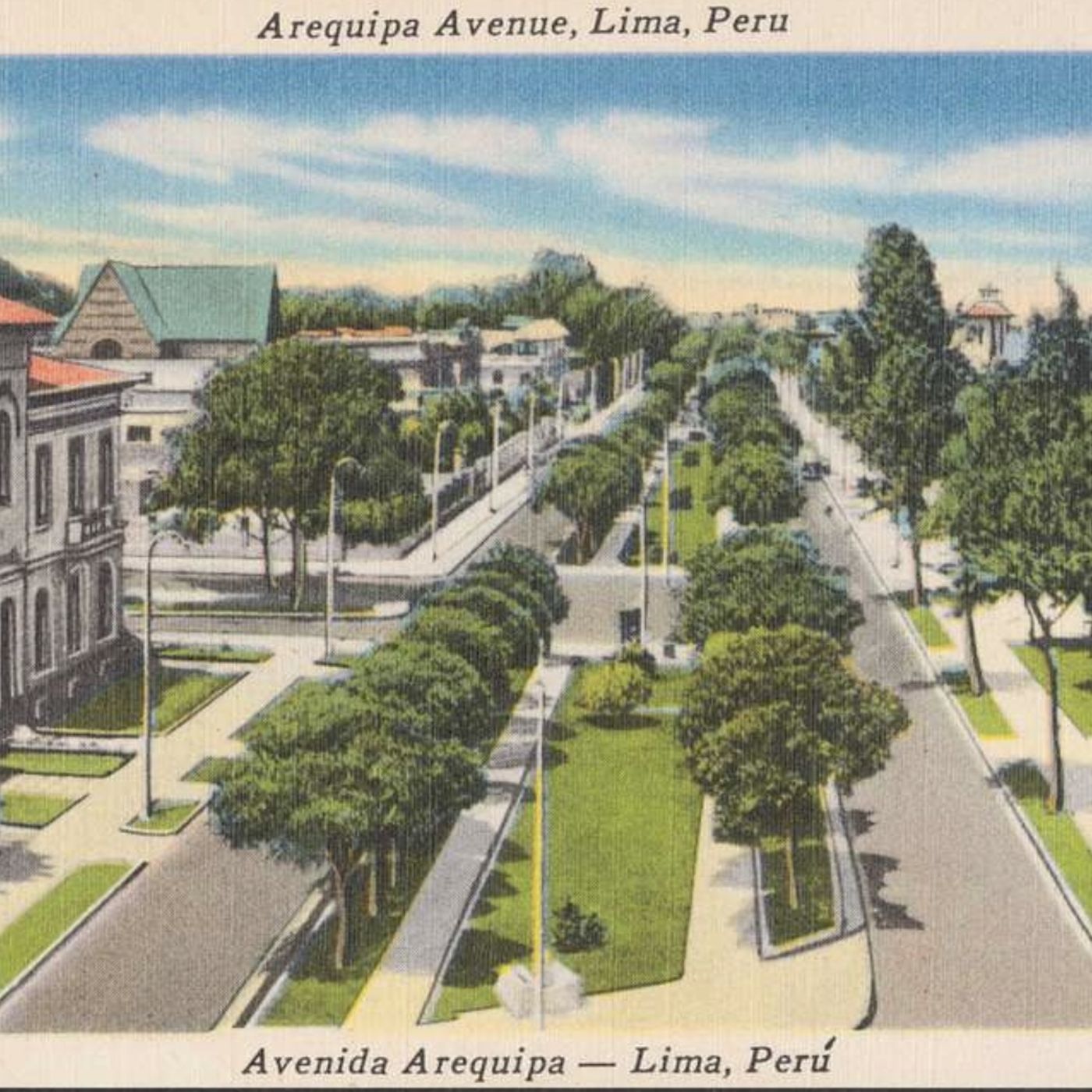
1945 LIMA APEC Summit Pacific Rim Regional Diplomacy — Part Two Professor Evan Ellis analyzes the APEC summit in Shenzhen, where President Xi Jinping engaged Latin American leaders. Peru’s Keiko Fujimori advanced the landmark Chancay port project, Chile’s José Antonio Kast addressed economic contraction through mining and Antarctic collaboration, and Mexico’s Claudia Sheinbaum sought balanced trade and biotech exchanges. (16)
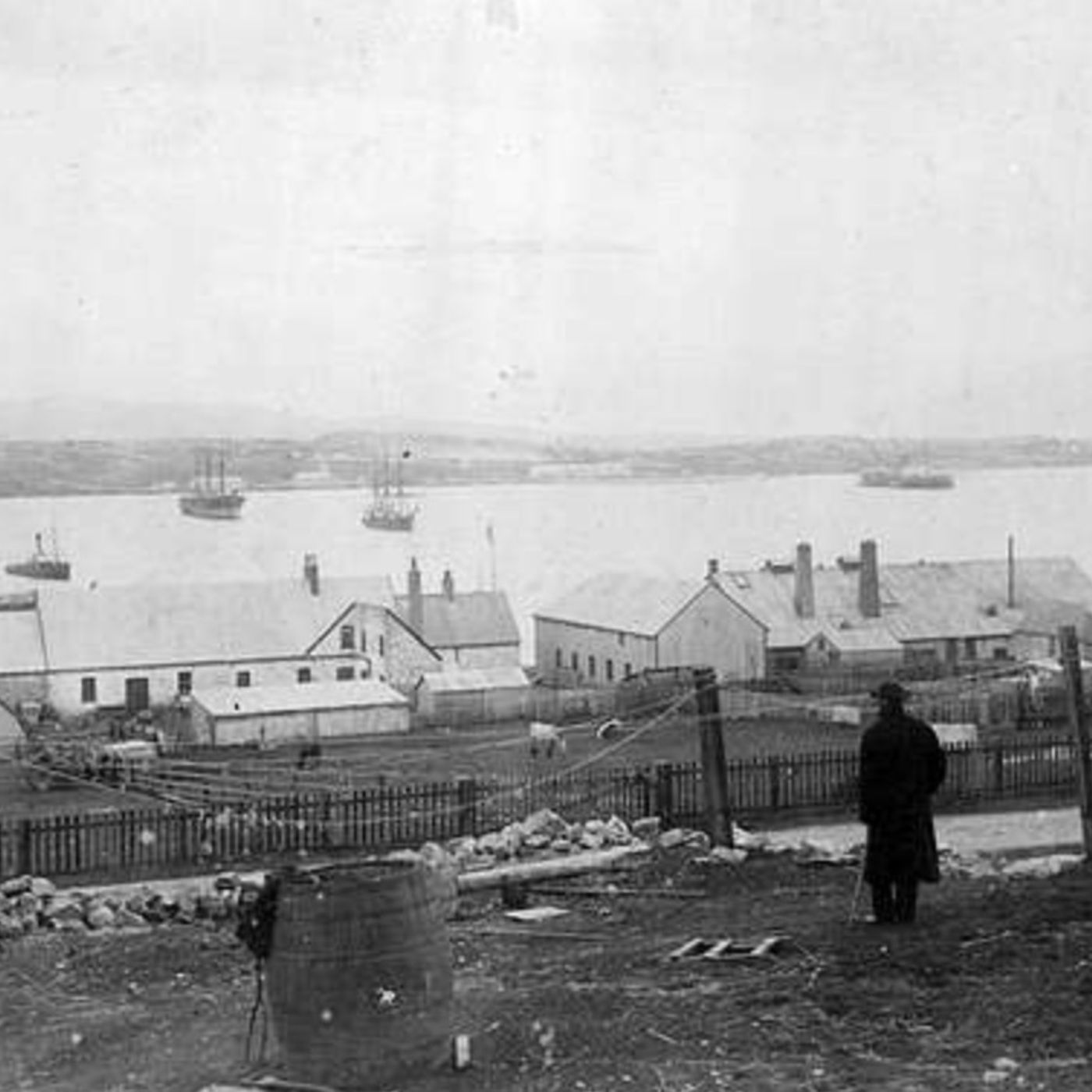
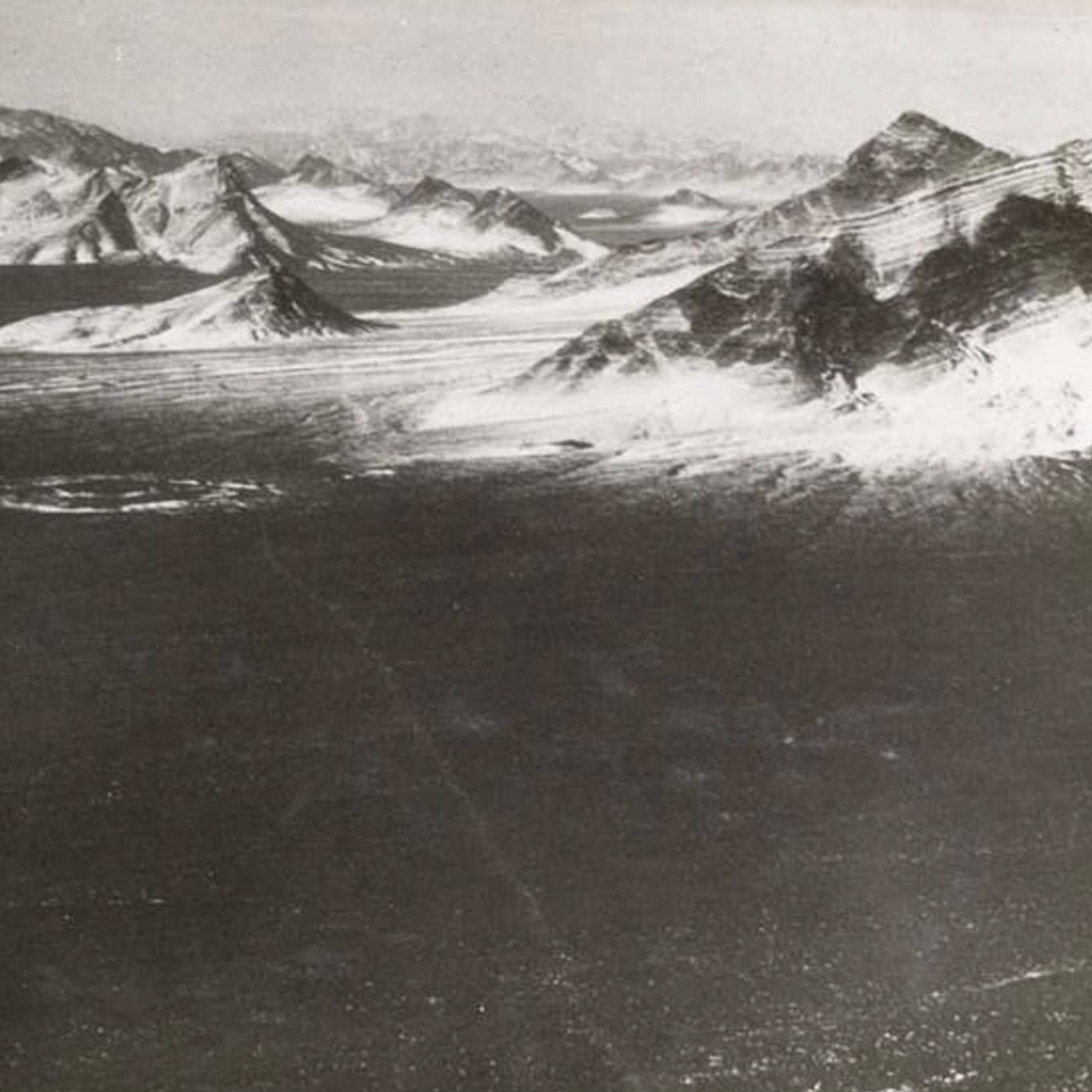
1928 FALKLANDS Argentina Economic Reforms Milei China Relations — Part One Professor Evan Ellis, returning from Argentina, reviews President Javier Milei’s artificial intelligence investment drive alongside his political difficulties, including thirty-six percent approval and high poverty. Despite doubled trade with China in soy and lithium, Argentina has enacted telecom security laws limiting Chinese vendors while navigating cryptocurrency controversies. (15)
MARCH 1959 Golden Dome Shield Ground Warfare Innovation — Part Two Henry Sokolski evaluates missile defense funding, discussing the $25 billion Golden Dome initiative, Chinese fears over space-plane vulnerabilities, and German orbital strike concepts. He also highlights Ukrainian innovation in using FP-5 Flamingo missiles, guided by ground relay drone teams, to strike the Kerch Bridge without satellite signals. (14)
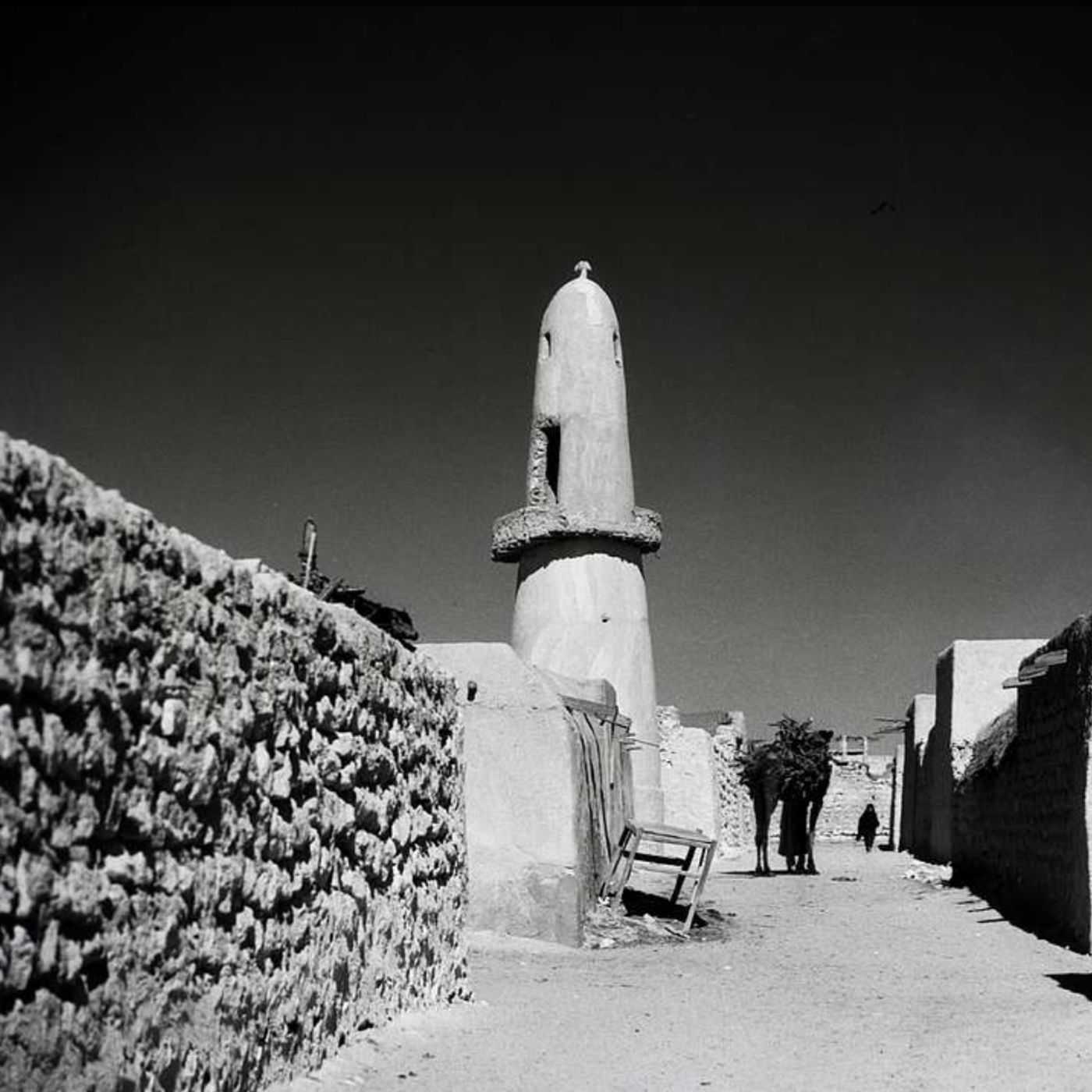
1935 JUBAIL Saudi Nuclear Deal Regional Missile Strikes — Part One Henry Sokolski warns against proposed US nuclear agreements granting Saudi Arabia enrichment capabilities, citing IAEA inspection oversight limited to declared facilities. He emphasizes the severe risks posed by ongoing Houthi missile strikes on Saudi oil infrastructure and cities, which could threaten future reactor sites. (13)
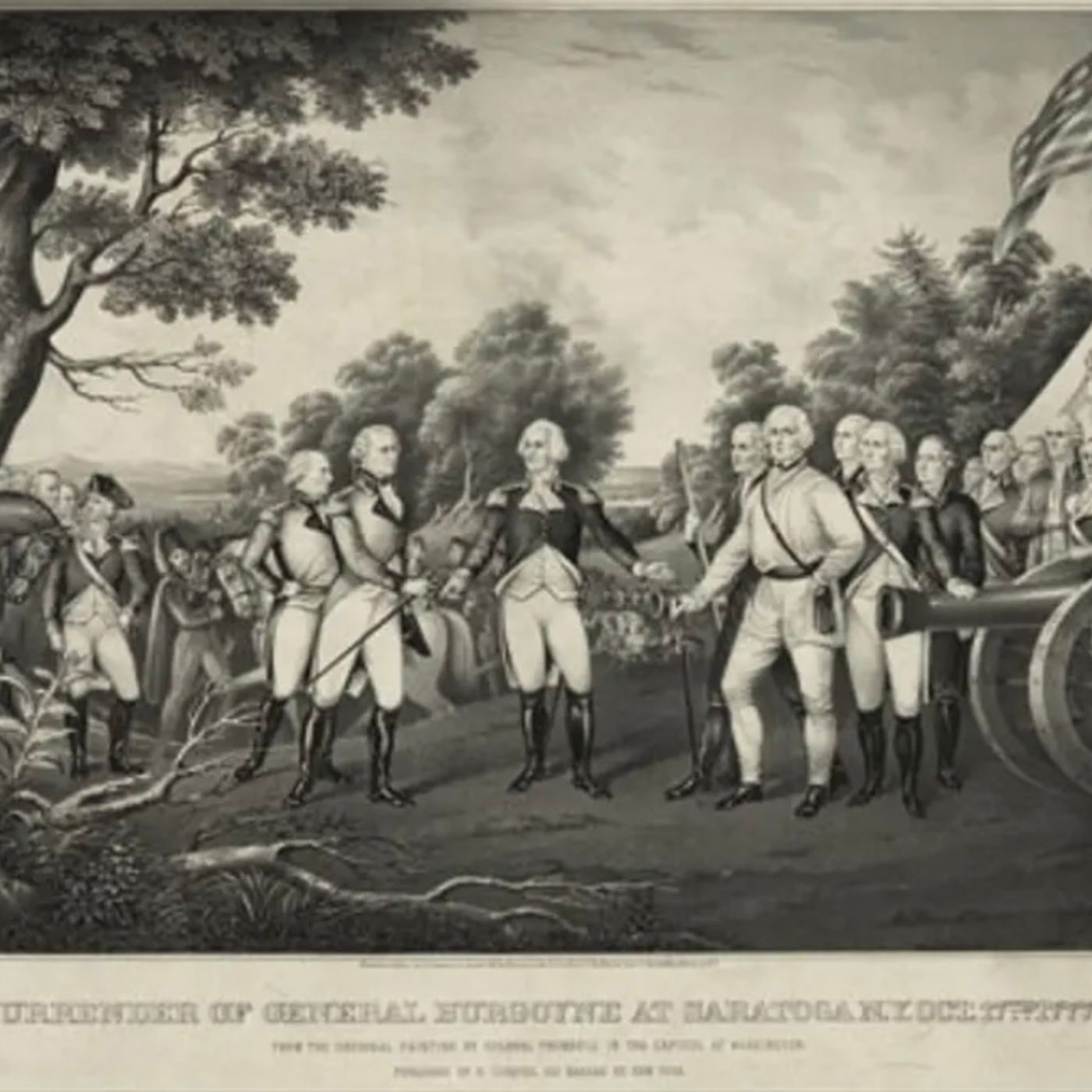
GATES AND BURGOYNE Burgoyne Surrender Tactical Negotiations Turning Point — Part Four Patrick K. O’Donnell, author of Revolutionary Snipers: Washington’s Frontier Commandos Whose Marksmanship Forged a New Way of War and Helped Win the Revolution, explains how, surrounded and cut off from water by relentless American snipers, Burgoyne’s starving army opened surrender negotiations with Gates and James Wilkinson. The capitulation of an entire British field army secured vital French intervention, marking the decisive turning point of the Revolutionary War. (12)
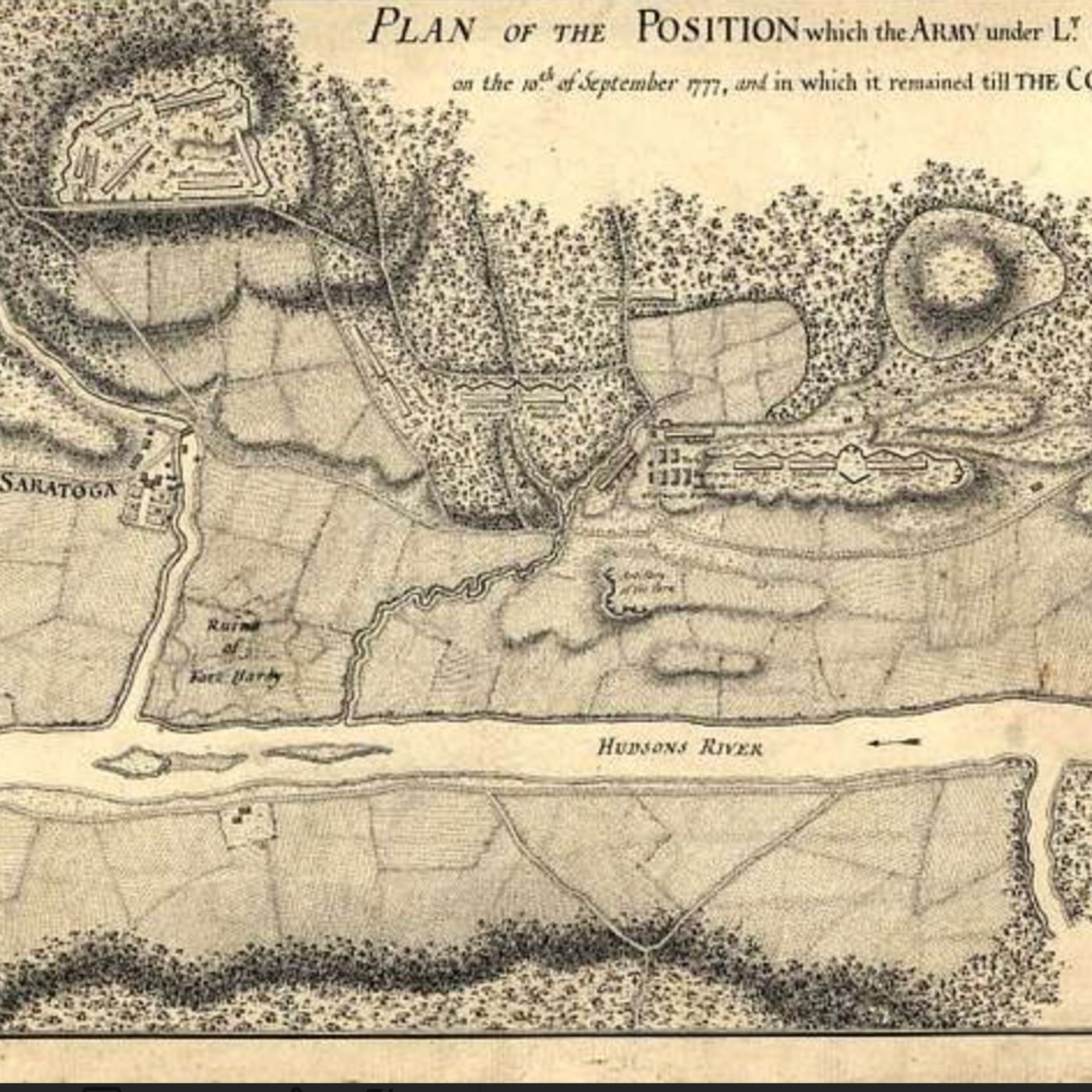
1777 SARATOGA Arnold Redoubt Assault Battlefield Fraser Funeral — Part Three Patrick K. O’Donnell, author of Revolutionary Snipers: Washington’s Frontier Commandos Whose Marksmanship Forged a New Way of War and Helped Win the Revolution, describes Benedict Arnold charging on horseback into the Canadian cabins and key British redoubts despite a severe leg wound. Meanwhile, Burgoyne held a solemn funeral for Simon Fraser under American artillery fire as British forces became trapped along the Hudson. (11)
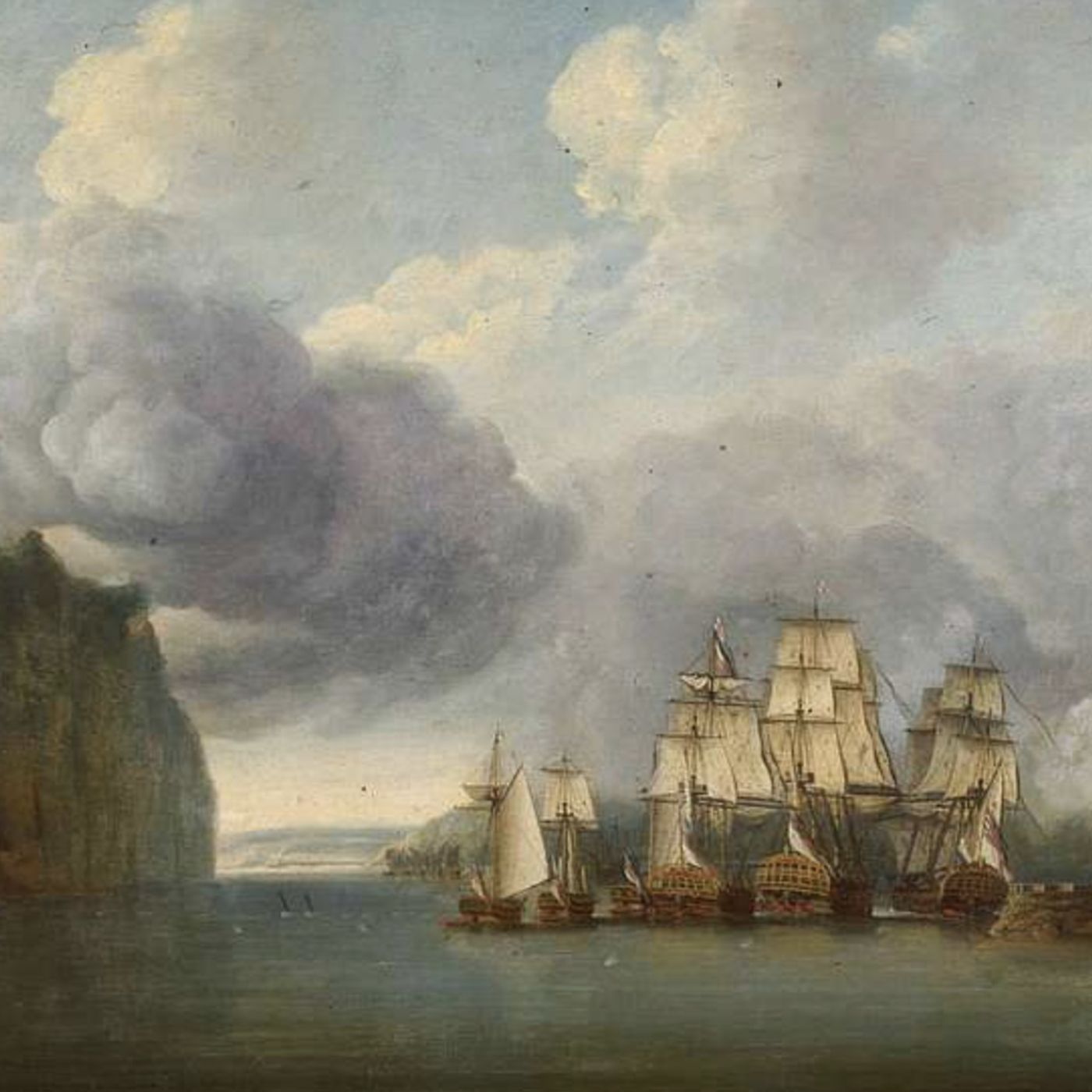
1799 ROYAL NAVY ON THE HUDSON 1777 Battle of Bemis Heights General Fraser Death — Part Two Patrick K. O’Donnell, author of Revolutionary Snipers: Washington’s Frontier Commandos Whose Marksmanship Forged a New Way of War and Helped Win the Revolution, recounts the Battle of Bemis Heights on October 7, 1777, when British forces launched a reconnaissance in force across a wheatfield. Morgan’s riflemen and Henry Dearborn’s infantry flanked the British right, and sniper Timothy Murphy mortally wounded General Simon Fraser, shattering enemy morale and breaking the British line. (10)
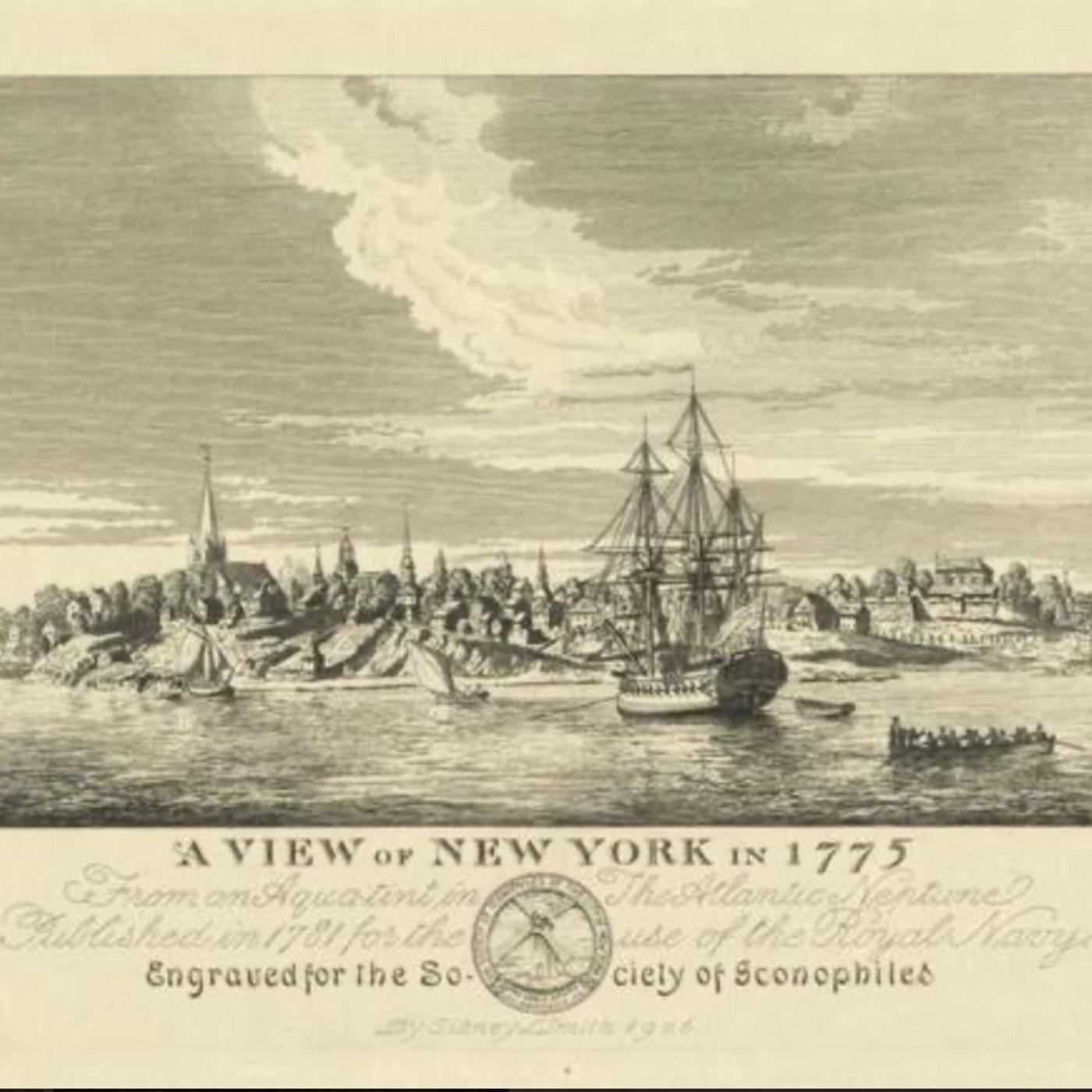
1700 NY HARBOR Battle of Freeman’s Farm Revolutionary Riflemen Tactics — Part One Patrick K. O’Donnell, author of Revolutionary Snipers: Washington’s Frontier Commandos Whose Marksmanship Forged a New Way of War and Helped Win the Revolution, describes how General Horatio Gates deployed Daniel Morgan’s riflemen at Freeman’s Farm in September 1777 during the Saratoga campaign. Firing from natural cover and treetops, the frontier snipers devastated British officers and scouts, spreading terror through General Burgoyne’s advancing ranks. (9)
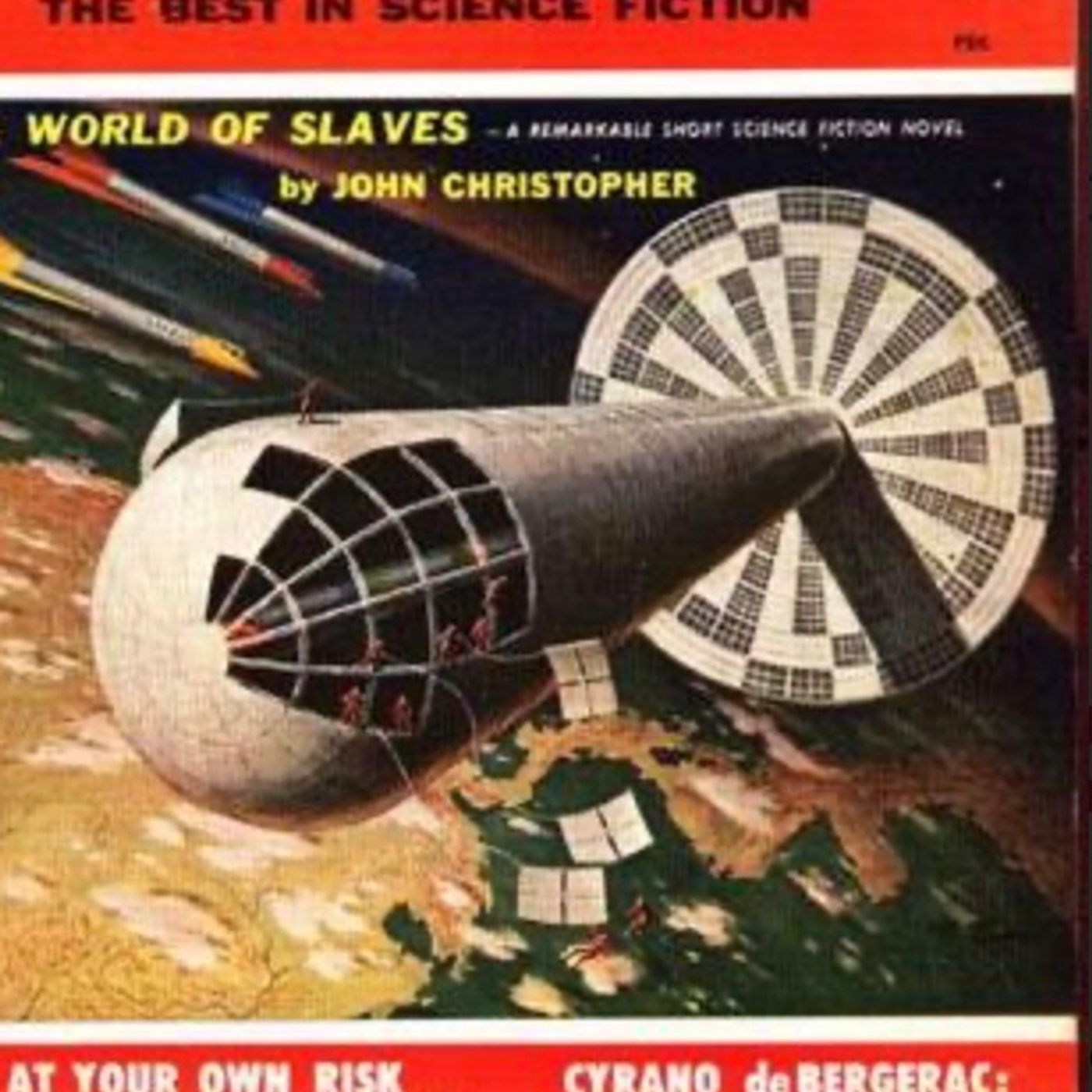
AUGUST 1960 Deep Space Exploration Mars Probe Anomaly — Part Two Bob Zimmerman reports that Voyager 1, now one light-day from Earth, has ceased transmitting science data. Meanwhile, Perseverance faces radio transmission failures on Mars and Mars Odyssey suffers gyroscope degradation, while long-term Keck Observatory data reveal a stable sodium cloud surrounding Jupiter’s moon Europa. (8)
SEPTEMBER 1952 Commercial Space Rocket Failures Corporate Developments — Part One Bob Zimmerman analyzes ULA’s Vulcan launch failure, traced to fuel line issues, which grounds the rocket while clearing Blue Origin’s engines. He highlights SpaceX’s rejected local tax abatement in Texas, Tesla’s new polysilicon refinery, Varda’s orbital drug manufacturing successes, and emerging launch competition across Europe. (7)
1925 A;PS Italian Weather Strikes Papal Tour Culinary Lorenzo Fiori, reporting from Milan, highlights welcome autumn rain and Alpine snow essential for agriculture. He details widespread student protests and strikes over rising living costs, escalating political rivalries ahead of elections, Pope Leo XIV’s successful South American tour, and a traditional Piedmontese roasted pepper appetizer. (6)
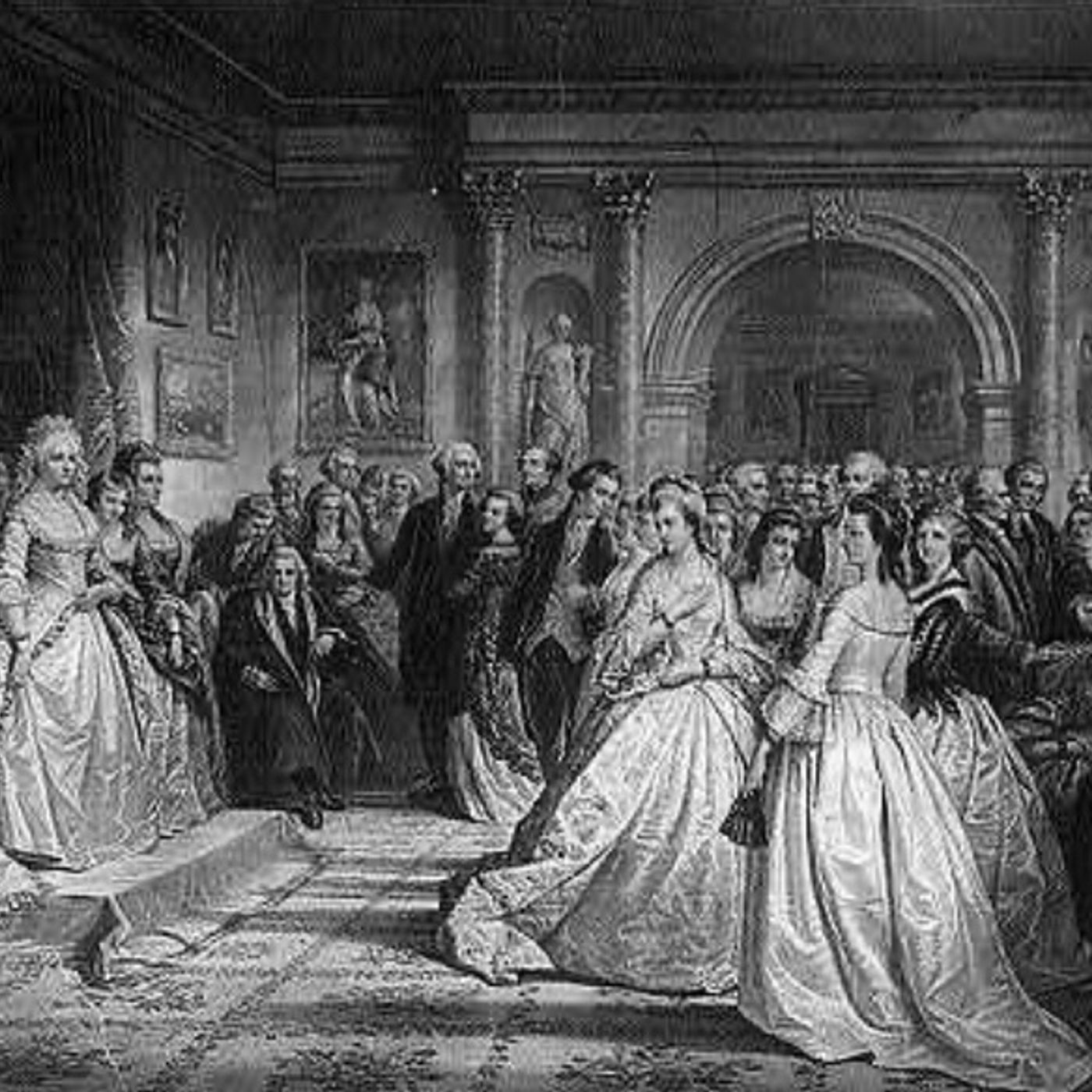
1861 LADY WASHINGTON Washington Drive Economic Trends White House Jim McTague, driving from Lancaster to Washington, notes falling gasoline prices and traffic back at pre-pandemic levels. He describes White House ballroom construction disrupting Lafayette Park, vibrant membership at the Army and Navy Club, and buoyant consumer spending at local retailers, all signaling economic resilience. (5)
Nvidia Overleveraged Credit Tariff Economic Policies — Part Two Richard Epstein sharply criticizes Nvidia for extending overleveraged credit and selling advanced microchips to Chinadespite major national security risks. He condemns President Trump’s tariff proposals as economically damaging and warns against excessive corporate power concentrated in imperial chief executives across major sectors. (4)
1910 TEHRAN Iranian Conflict Regime Change War Powers — Part One Richard Epstein analyzes the military clashes between the United States and Iran, contending that regime change is the only realistic solution given Iran’s persistent hostility. He argues the President holds constitutional war authority despite congressional constraints, while noting severe vulnerabilities in international oil transit and shifting political support for Israel. (3)
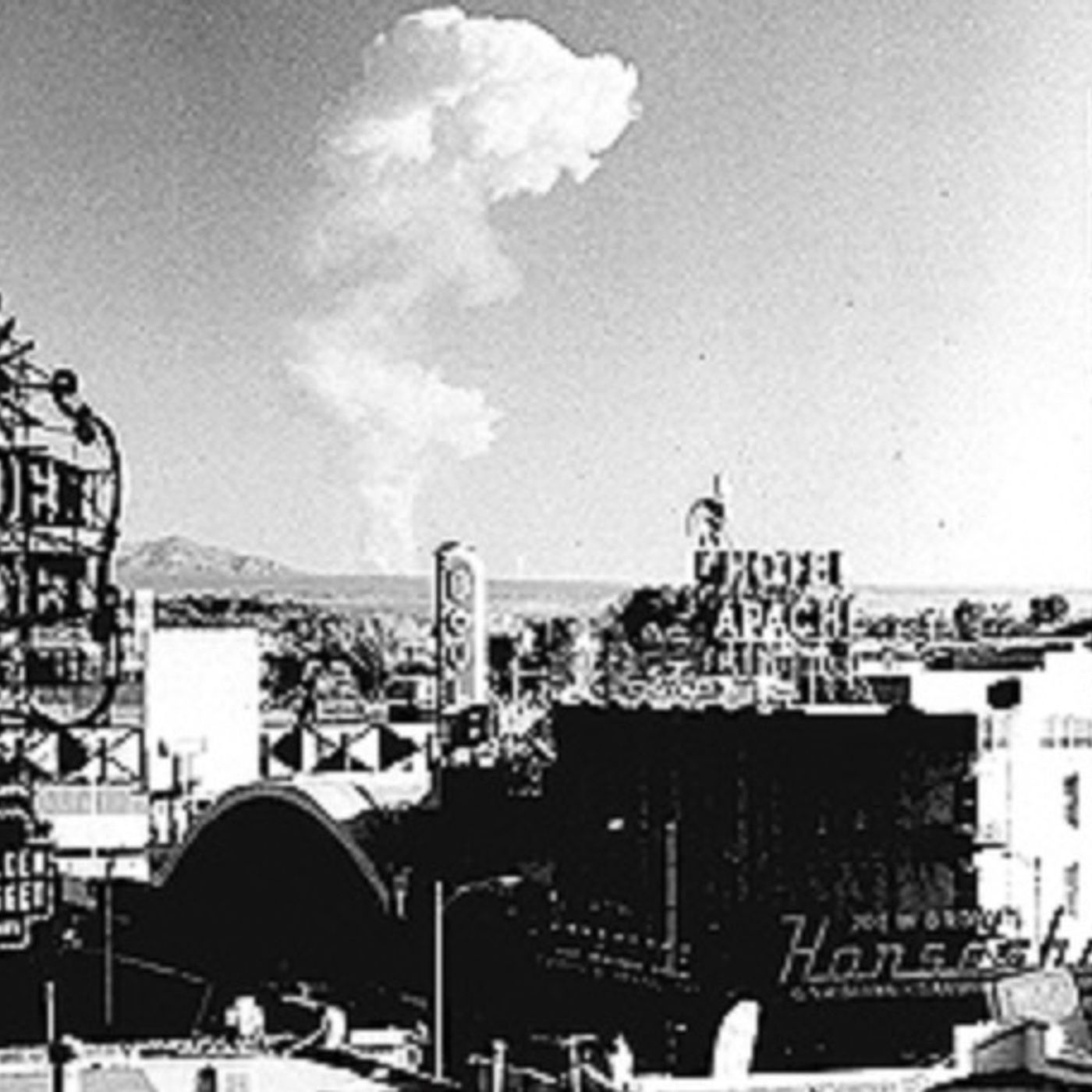
1955 ATOMIC CLOUD Beatles Vegas Historic Atomic Tests Formula — Part Two Jeff Bliss recalls how, in August 1964, the Beatles transformed Las Vegas entertainment by moving from the small Congo Room to the Convention Center for sixteen thousand fans. Archival footage from 1957 shows unwitting spectators on Fremont Street watching atmospheric nuclear tests, while today’s Las Vegas hosts thrilling Formula Oneraces. (2)
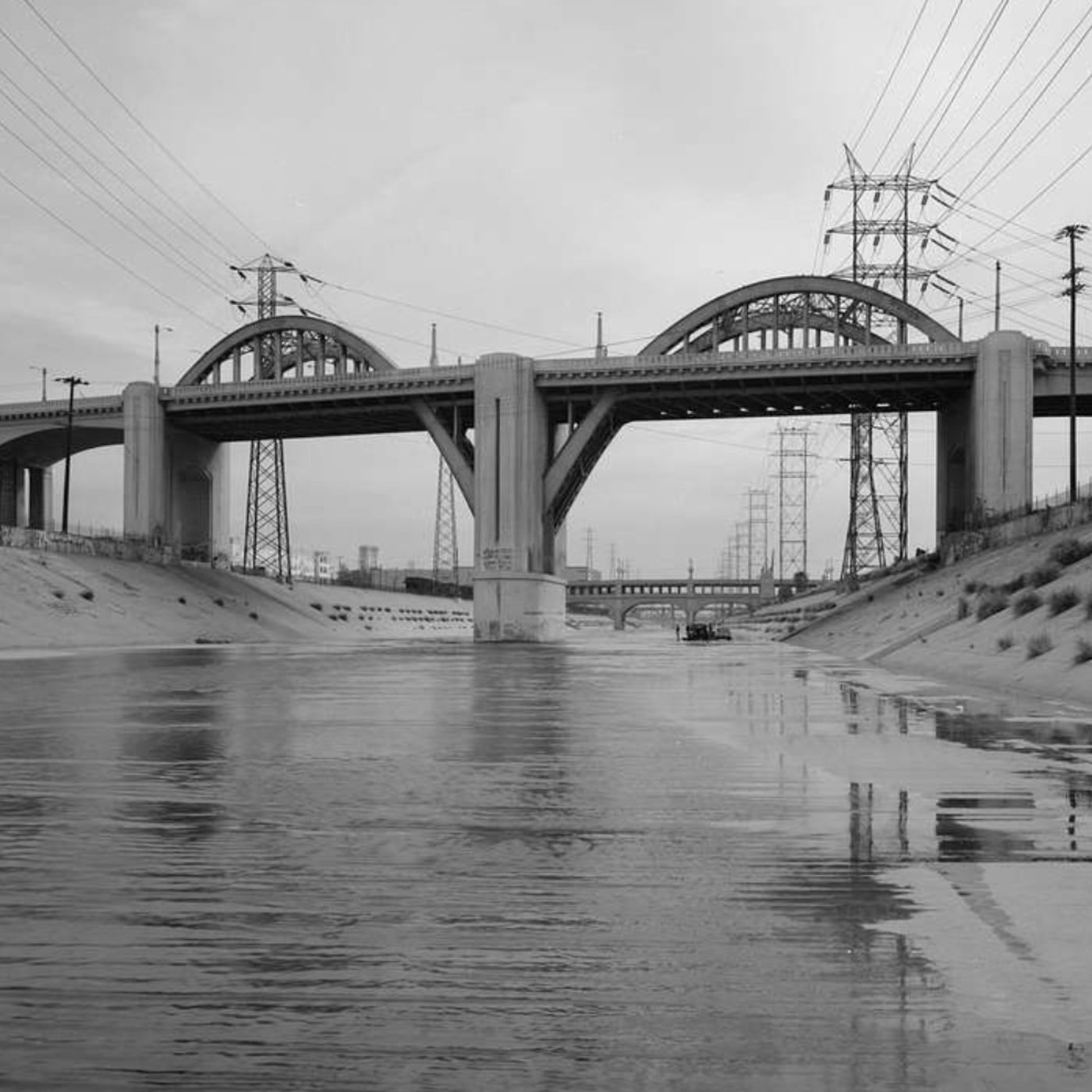
1910 la river California Storms Train Robberies City Politics — Part One Jeff Bliss reports that severe Pacific storms are dumping heavy snow across Lake Tahoe while driving massive coastal surges against the sand berms protecting beaches. Meanwhile, Los Angeles Mayor-elect Nithya Raman faces mounting criticism over thousands of missed votes, and police have apprehended a gang that stole twenty million dollars in goods from moving freight trains. (1)
1951 MUSHROOM CLOUD FROM LAS VEGAS POV STREAMING-MAKING THE JOHN BATCHELOR SHOW 11-20-2026 The provided sources offer a wide-ranging discussion on severe weather patterns, historical events, and complex geopolitical conflicts. Meteorological events like El Nino and atmospheric rivers bring heavy rainfall, coastal wave warnings, and massive snowfall to the western United States and Australia. Historical retrospectives examine iconic cultural moments, such as the Beatles visiting Las Vegas, alongside the dangers and historical context of mid-century atomic bomb testing in Nevada. Geopolitical analysis covers global leadership dynamics, drawing parallels between current diplomatic summits and historical conferences like Yalta. Finally, the dialogue addresses rising international tensions, focusing on the potential for escalation in European and Middle Eastern conflicts, as well as the strategic hurdles facing modern governments.
1789 TRENTON BRIDGE CONTENTS JOHN BATCHELOR SHOW 11-19-2026 Great Power Summitry and Nuclear De-escalation — Part One Anatol Lieven analyzes the Shenzhen summit of Donald Trump, Vladimir Putin, and Xi Jinping. While immediate breakthroughs were absent, Lieven emphasizes that Cold War precedents show great-power communication is vital for reducing direct nuclear risk and establishing de-confliction channels despite ongoing proxy warfare. (1)Navigating Peace Frameworks and Energy Security — Part Two Anatol Lieven addresses the economic toll of the Ukraine war, including surging energy prices and destroyed infrastructure like the Kerch Bridge. He outlines the essential elements of a viable European security architecture, noting that while reciprocal troop adjustments are possible, Russian demands for Ukrainian territorial withdrawal remain unacceptable barriers to peace. (2)Asymmetric Warfare and Threats from Iran — Part One Jonathan Schanzer evaluates the ongoing asymmetric conflict with
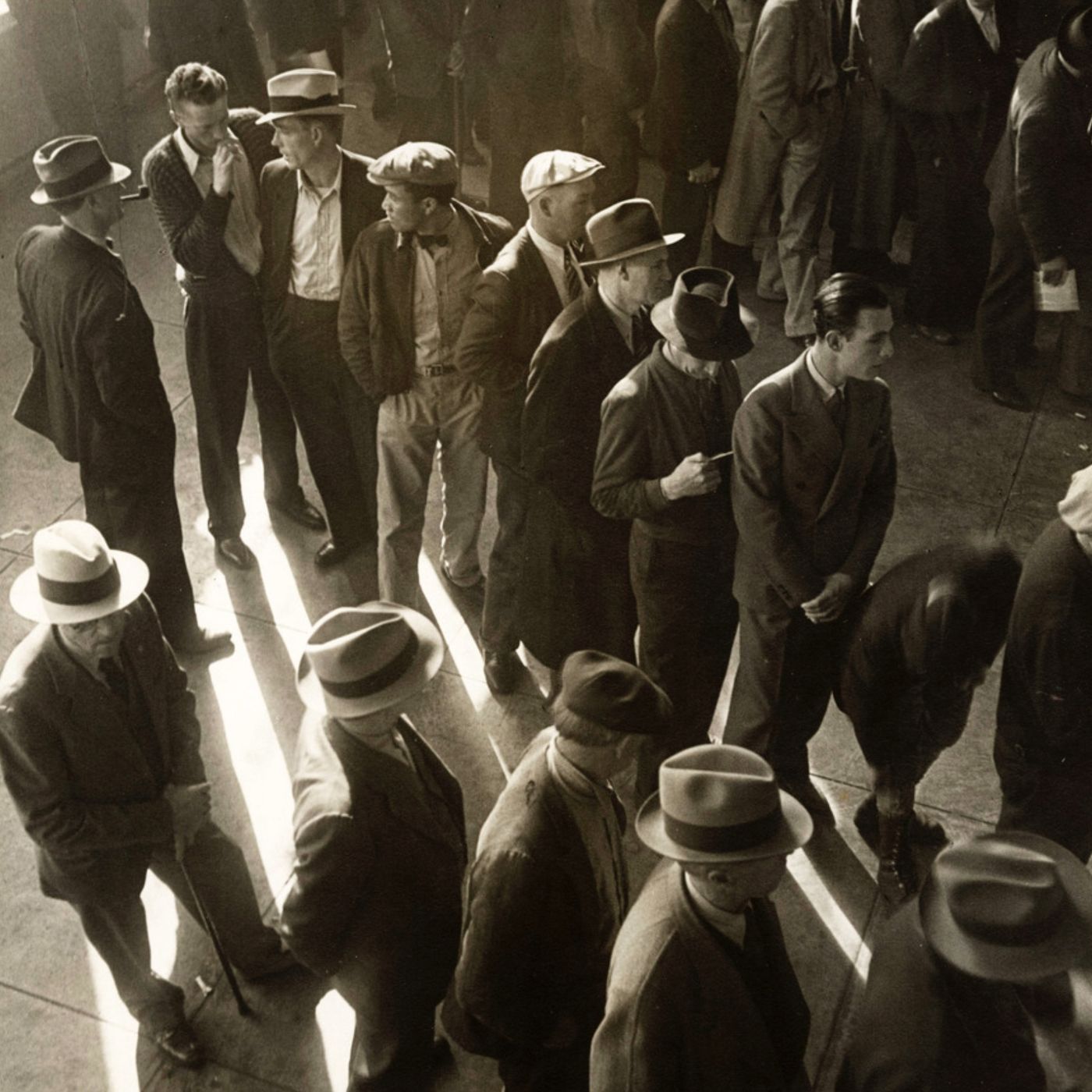
1936 UNEMPLOYMENT & SOCIAL SECURITY Fiscal Realities and Social Security Reform Véronique de Rugy outlines Social Security’s impending fiscal cliff, explaining how past trust fund surpluses were absorbed into general government spending. She warns against the political refusal to reform benefits for wealthy retirees, noting that unaddressed shortfalls will inevitably lead to massive tax hikes on workers or unprecedented national debt. (16)
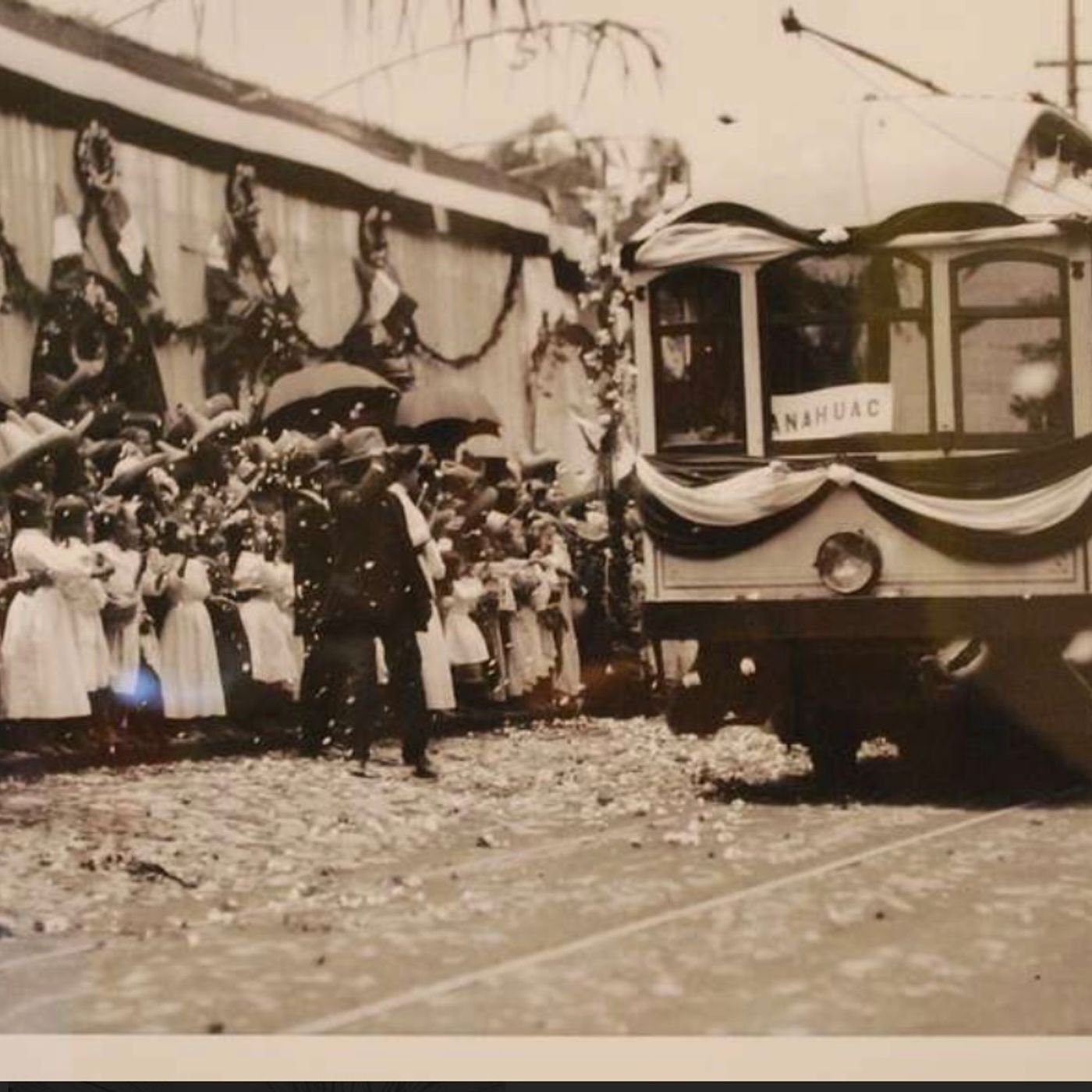
1900 MEXICO CITY Cross-Border Trade and Environmental Disputes Mary Anastasia O’Grady examines the emergence of Ciudad Juárez, Mexico, as a high-tech manufacturing hub partnering with Taiwanese and US firms to supply server hardware and medical equipment. She critiques plans by Representative Veronica Escobar and the GSA to close the Bridge of the Americas to trucks, arguing it harms regional competitiveness. (15)
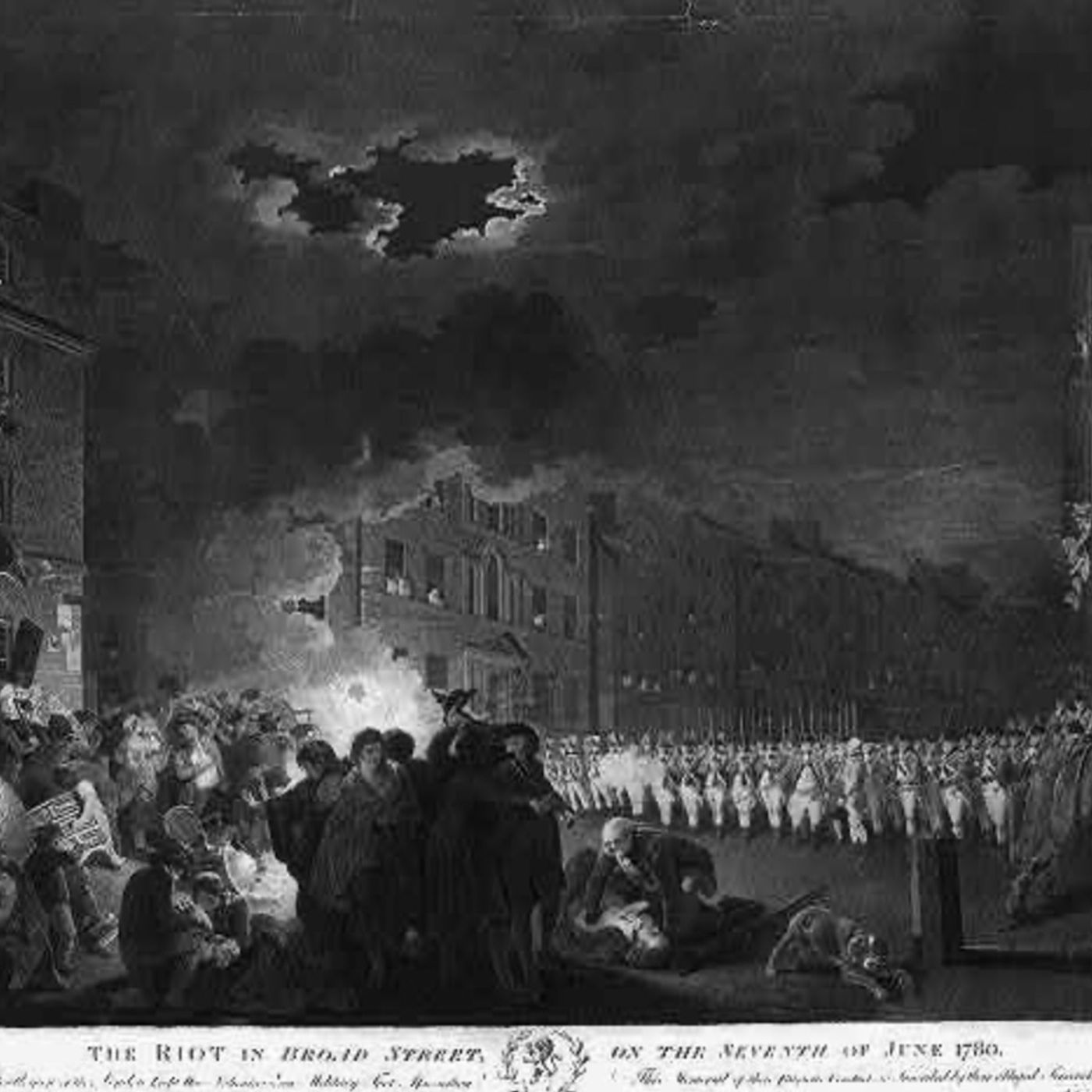
1780 GORDON RIOTS Geopolitical Summit Dynamics and Strategic Alliances — Part Two Simon Constable and Lance Gatling evaluate the regional fallout from the Shenzhen summit of Trump, Putin, and Xi. Constable addresses European fears of Russian aggression and nuclear rhetoric, while Gatling details the Quad meetings in Manila, Japanese concerns over seized corporate assets in Russia, and historical echoes of the Yalta Conference. (14)
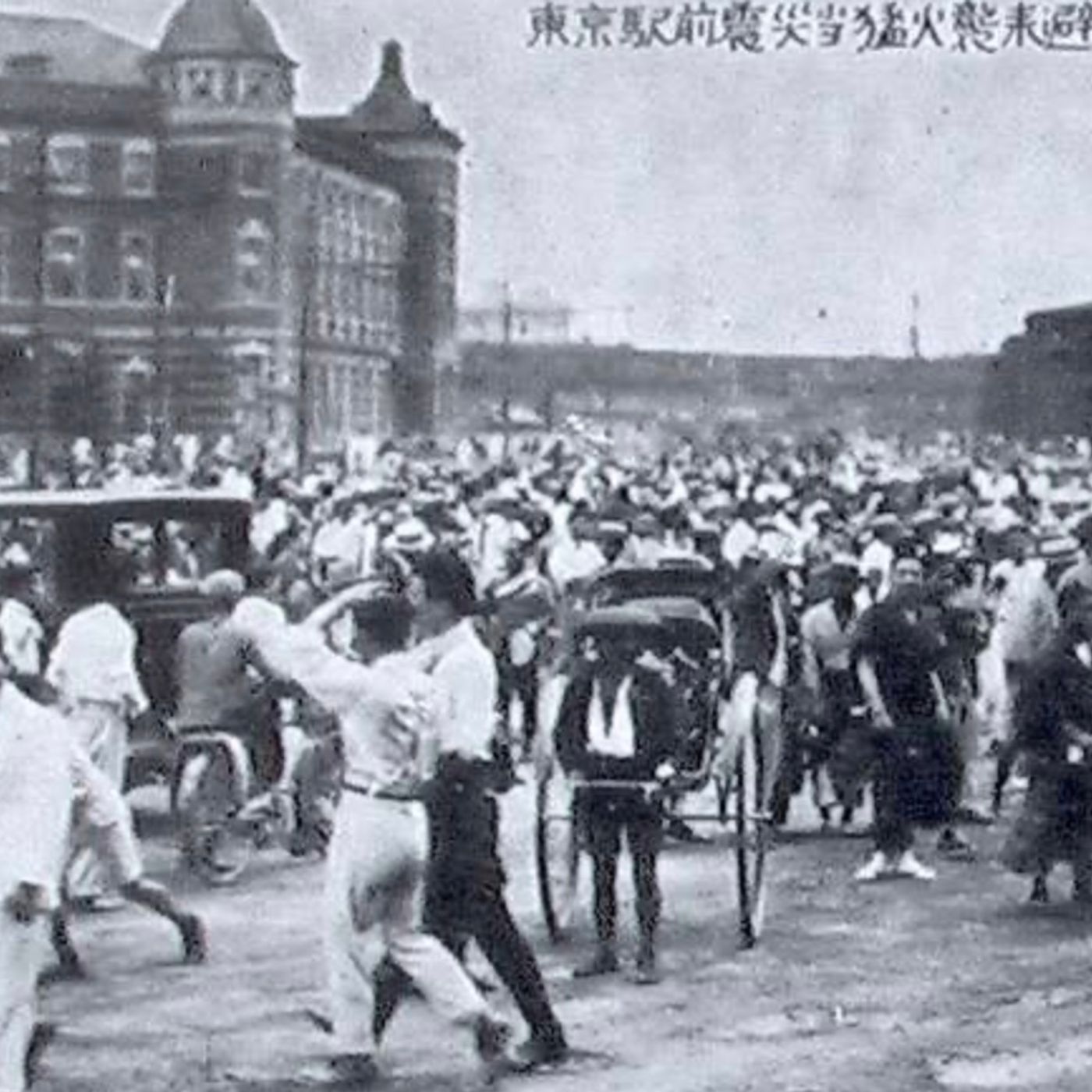
1923 AFTER KANTO QUAKE Global Commodity Dynamics Across Multiple Continents — Part One Simon Constable and Lance Gatling analyze international commodity prices across Europe and Asia, discussing fluctuations in Brent crude, European electricity, and agricultural products after the Kerch Bridge attack. Gatling explains Japanese fuel subsidies, currency depreciation pressures, and the rising energy demands of advanced semiconductor and AI infrastructure. (13)
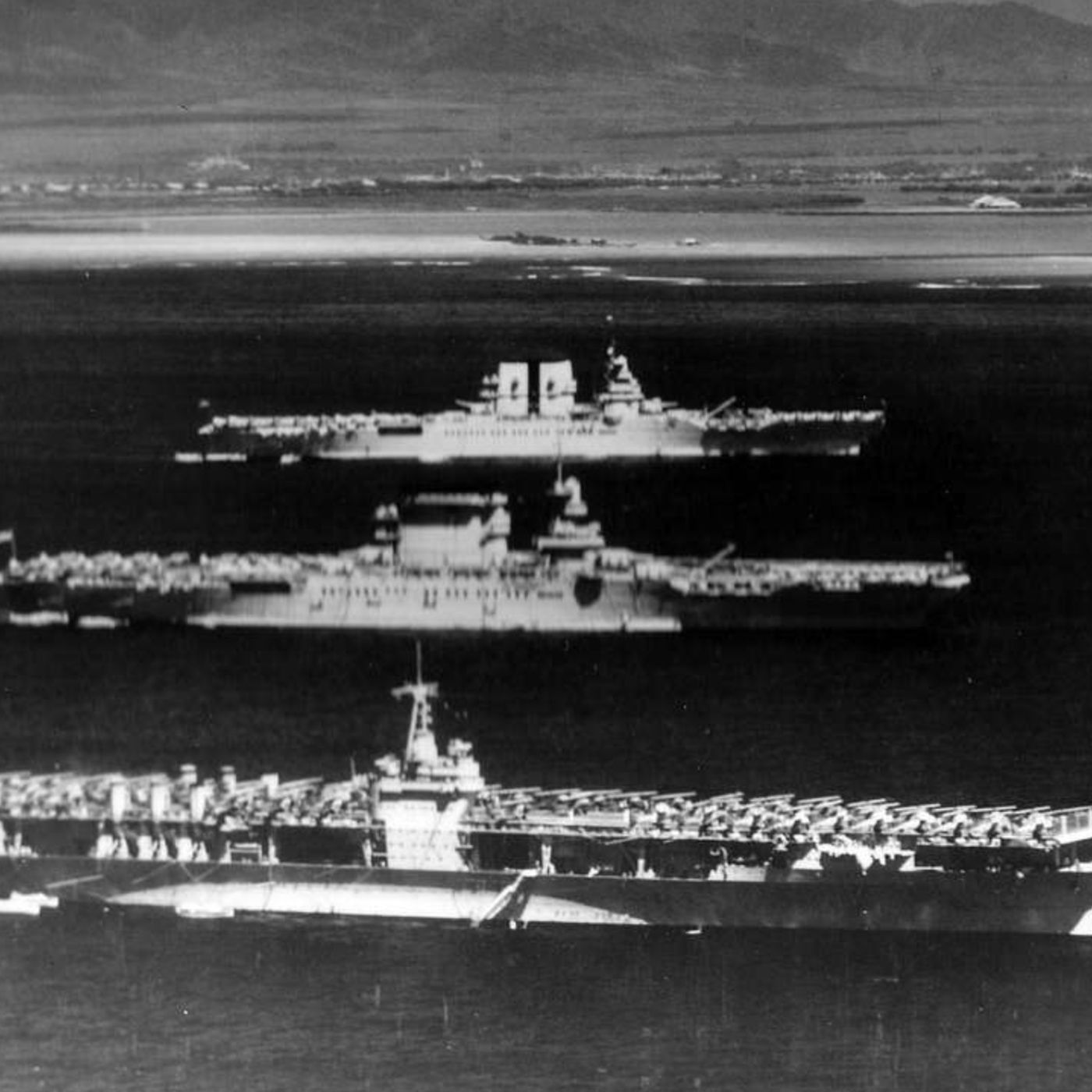
1936 RANGER, LEXINGTON, SARATOGA AT HONOLULU Daniel Morgan and Saratoga Battlefield Innovations — Part Four Patrick K. O’Donnell, author of Revolutionary Snipers, chronicles Daniel Morgan’s rise to lead Washington’s elite Rifle Corps. Sent north to counter Burgoyne’s invasion, Morgan’s sharpshooters worked with Henry Dearborn’s light infantry to establish disciplined combined-arms marksmanship, severely disrupting British command and securing victory at Saratoga. (12)