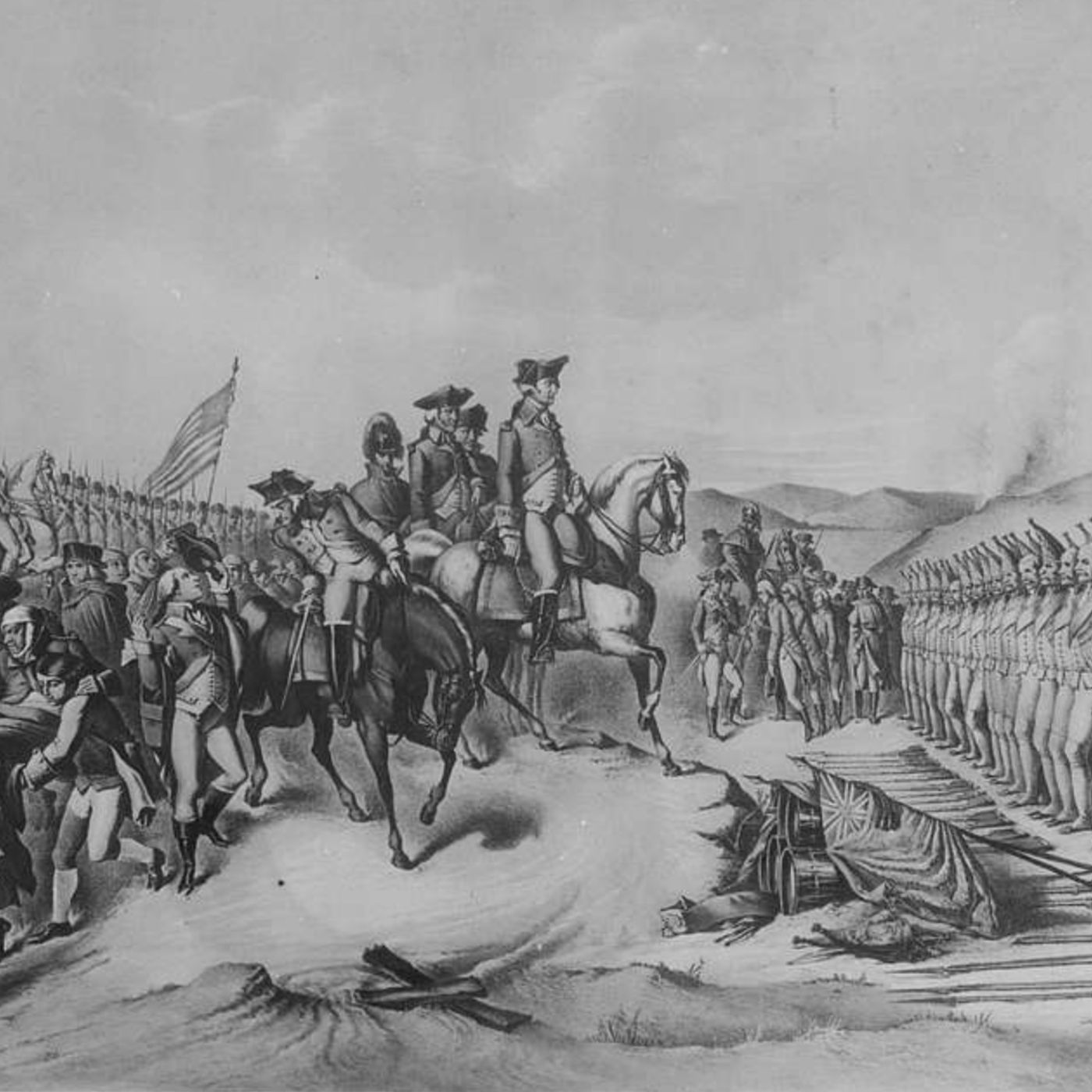
1777 ASSSSUNPINK BRIDGE Combined Arms Tactics and Forage Warfare — Part Three Patrick K. O’Donnell, author of Revolutionary Snipers, highlights the Battle of Assunpink Creek, where snipers delayed Cornwallis’s advance, enabling Washington’s successful flank march on Princeton. He details the tactical innovation of combined arms, pairing slow-loading riflemen with bayonet-armed musketmen, and explains how riflemen crippled British logistics during the 1777 Forage War in New Jersey. (11)
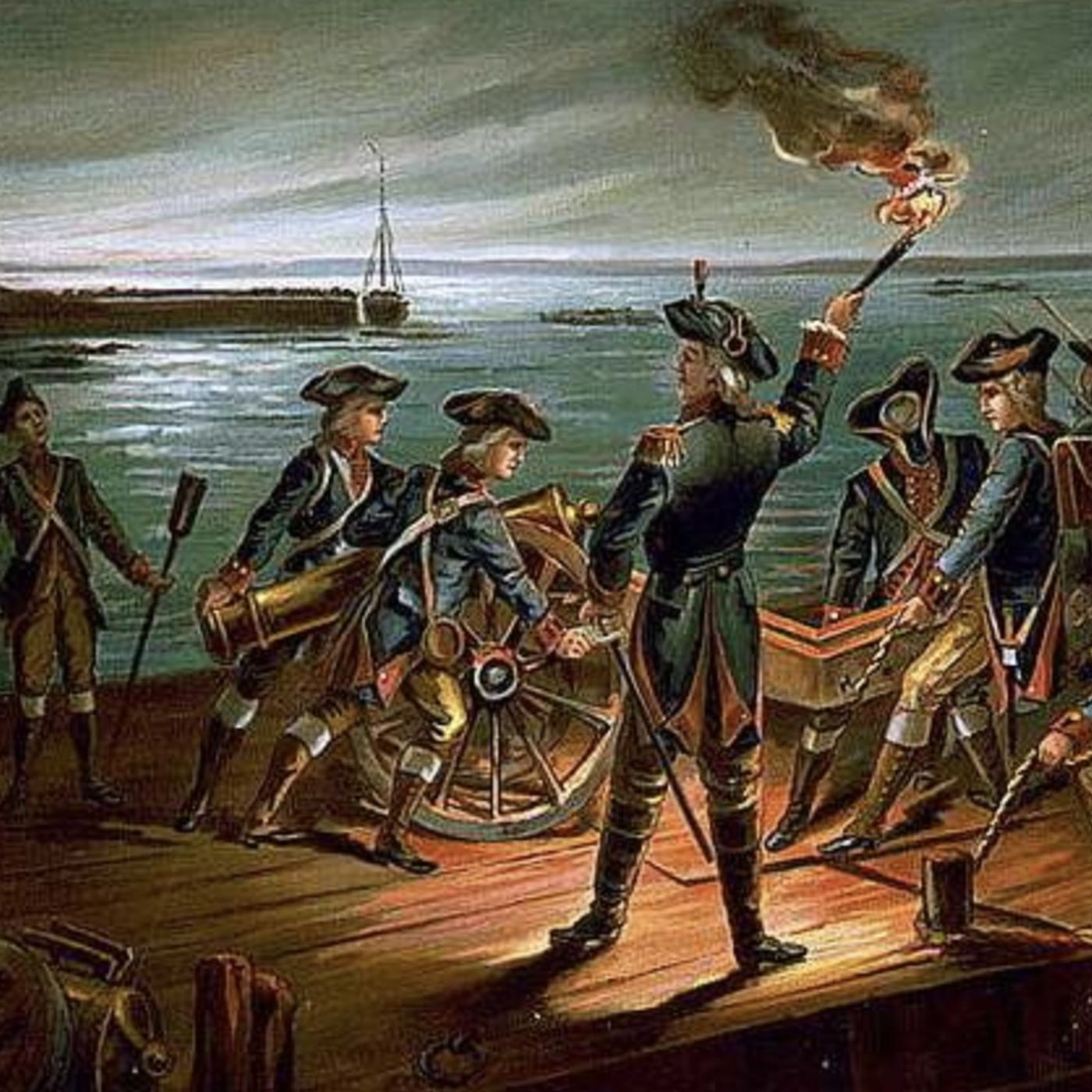
1930 Continental Army Discipline and Strategic Evacuations — Part Two Patrick K. O’Donnell, author of Revolutionary Snipers, describes George Washington’s integration of unruly frontier riflemen into the Continental Army to compensate for severe gunpowder shortages. During the Battle of Brooklyn, these marksmen suppressed British pickets, providing crucial cover while the Marblehead mariners carried out a daring night evacuation across the East River. (10)
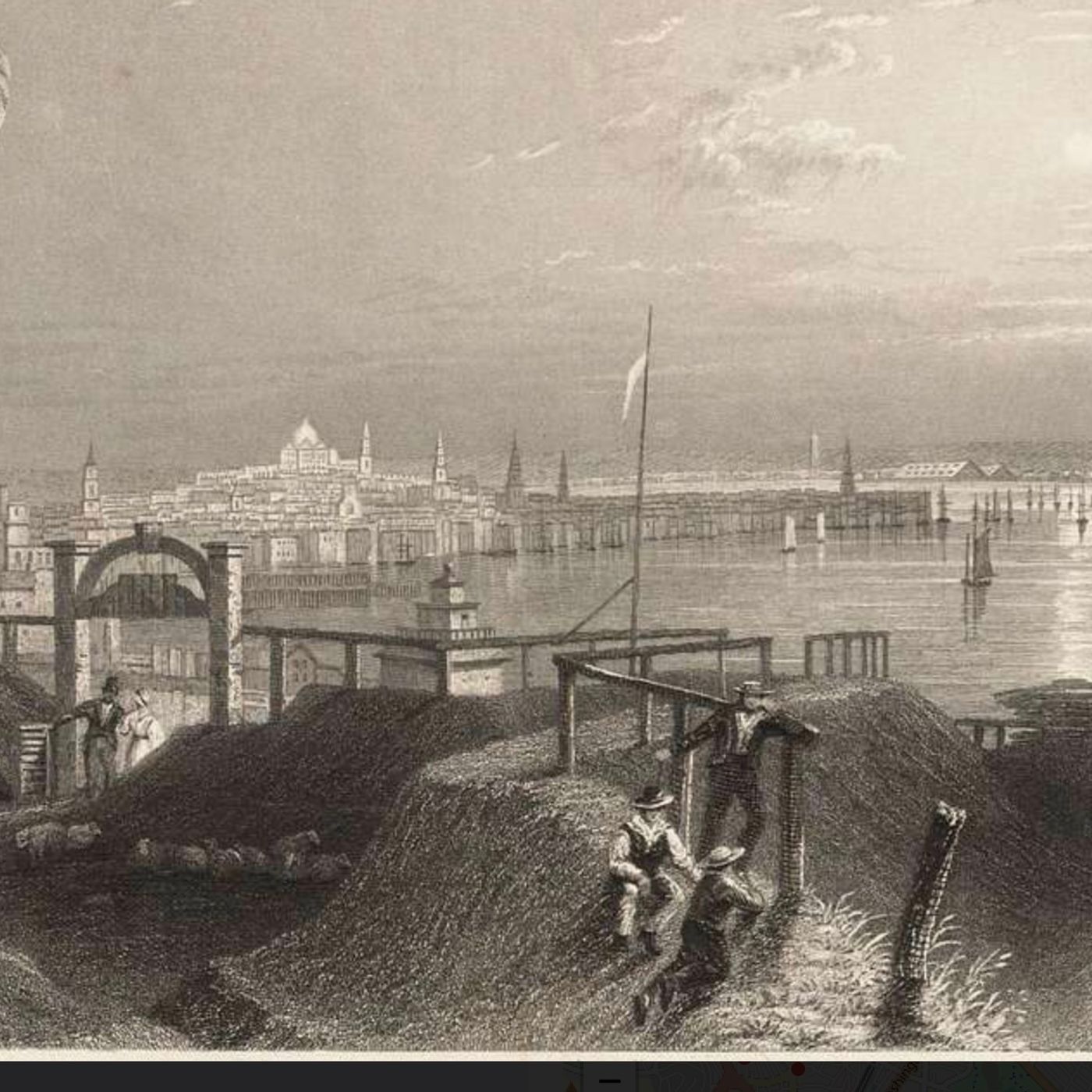
1963 DORCHESTER HEIGHTS Frontier Technology and Early Special Operations — Part One Patrick K. O’Donnell, author of Revolutionary Snipers, details the development of the American long rifle in Lancaster, Pennsylvania. Lighter, more accurate, and longer-ranged than smoothbore muskets, this frontier weapon allowed Washington’s riflemen to pioneer early special operations tradecraft, including long-range precision sniping, scouting, camouflage, and ambushes against British forces (9)
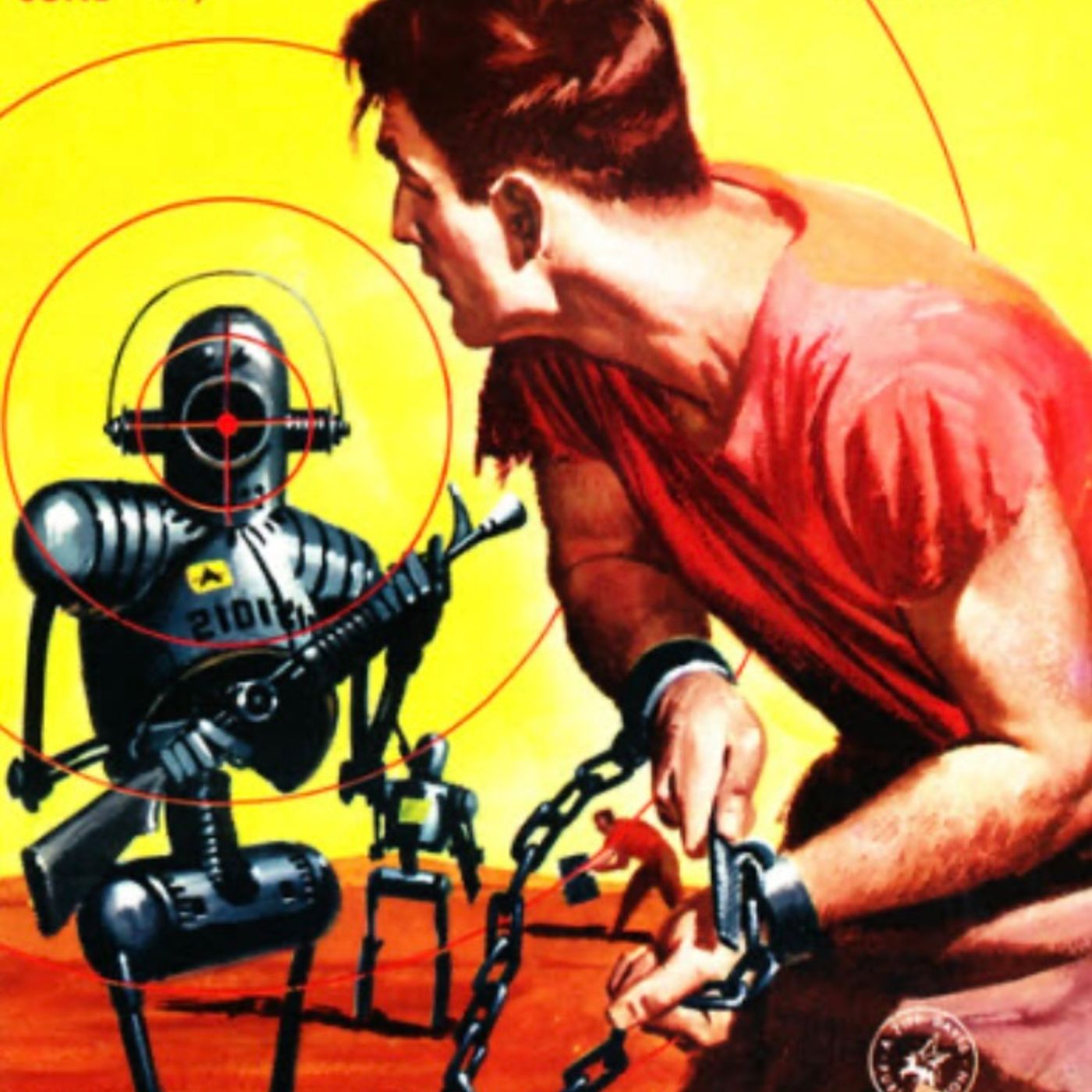
JUNE 1957 Technological Ambition and Modern Corporate Hubris — Part Four Arthur Herman, author of Founders’ Fire: From 1776 to the Age of Trump, examines Nvidia CEO Jensen Huang, connecting his AI hardware innovations to Robert Noyce’s pioneering silicon microchip. Drawing on Greek tragedy, Herman illustrates how extraordinary entrepreneurial success and media veneration can breed hubris, leading even visionary founders to miscalculate on fast-evolving technological frontiers. (8)
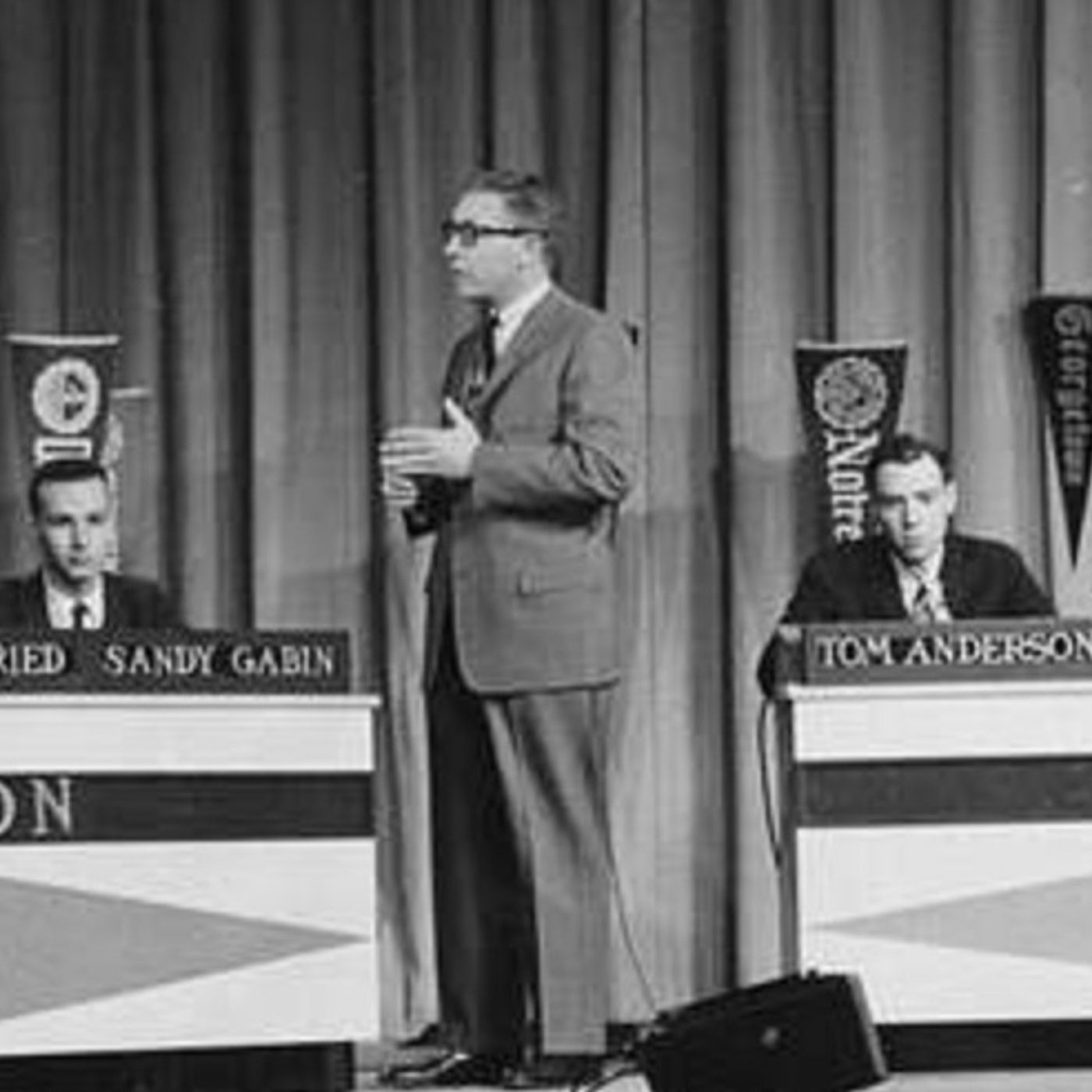
1959 COLLEGE BOWL PRINCETON VS GEORGETOWN Visionary Leadership from Lincoln to Ford — Part Three Arthur Herman, author of Founders’ Fire: From 1776 to the Age of Trump, traces Scottish Enlightenment principles through Abraham Lincoln’s principled opposition to slavery and commitment to preserving the Union. He connects this mindset to industrial visionaries Henry Ford and Steve Jobs, showing how transformative founders treat early failures as experience while creating technologies that empower human progress. (7)
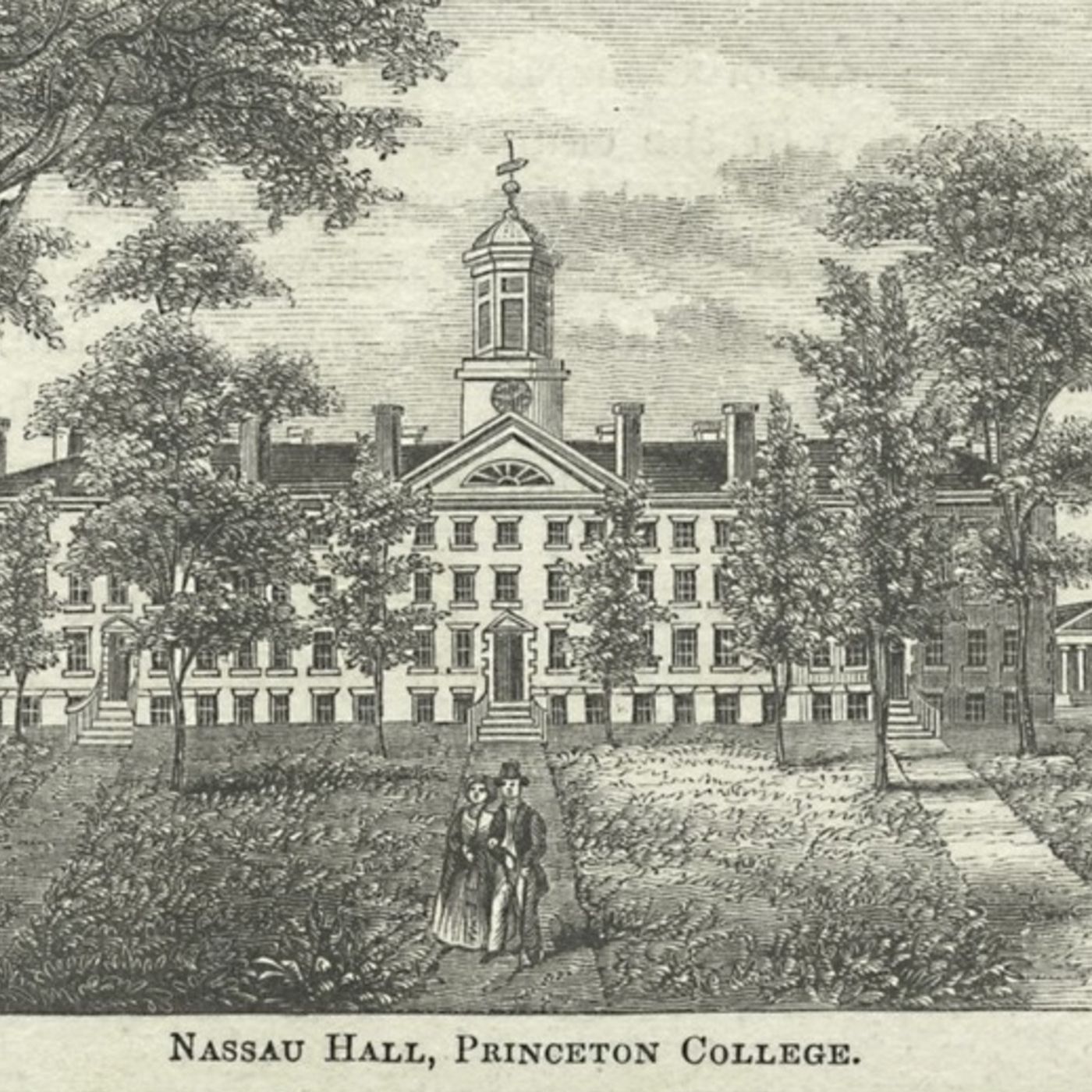
1850 NASSAU HALL Common Sense Philosophy Shaping American Education — Part Two Arthur Herman, author of How the Scots Invented the Modern World, explores Thomas Reid’s common-sense philosophy, which holds that humans possess innate moral and empirical judgment. Brought to America by PrincetonPresident John Witherspoon, this tradition integrated the arts, philosophy, and sciences, forming the educational foundation of revolutionary leaders and shaping early American civic thought. (6)
1648 Scottish Reformation Literacy and Enlightenment Thinking — Part One Arthur Herman, author of How the Scots Invented the Modern World, examines 18th-century Scotland’s transformation from an impoverished, religiously dogmatic society into a global intellectual leader. Widespread literacy, instituted by the Presbyterian Church for the study of scripture, enabled thinkers like Francis Hutcheson and Adam Smith to challenge orthodoxy and spark the sudden genius of the Scottish Enlightenment. (5)RR
1802-3 Regional Instability and Internal Iranian Resistance — Part Two Jonathan Schanzer outlines potential Israeli targets, including Iranian energy infrastructure, IRGC leadership, and the domestic repression apparatus. He highlights growing resistance among marginalized minorities such as the Baluch, Kurds, and Arabs, and warns that rising Houthi control near the Bab el-Mandeb threatens critical international shipping routes. (4)
1585 Asymmetric Warfare and Threats from Iran — Part One Jonathan Schanzer evaluates the ongoing asymmetric conflict with Iran following military strikes and regional retaliation. He details threats targeting US officials in Washington, notes Ayatollah Mojtaba Khamenei’s secluded bunker command alongside IRGC hardliners, and warns that current low-level exchanges could easily escalate into a broader regional conflagration. (3)
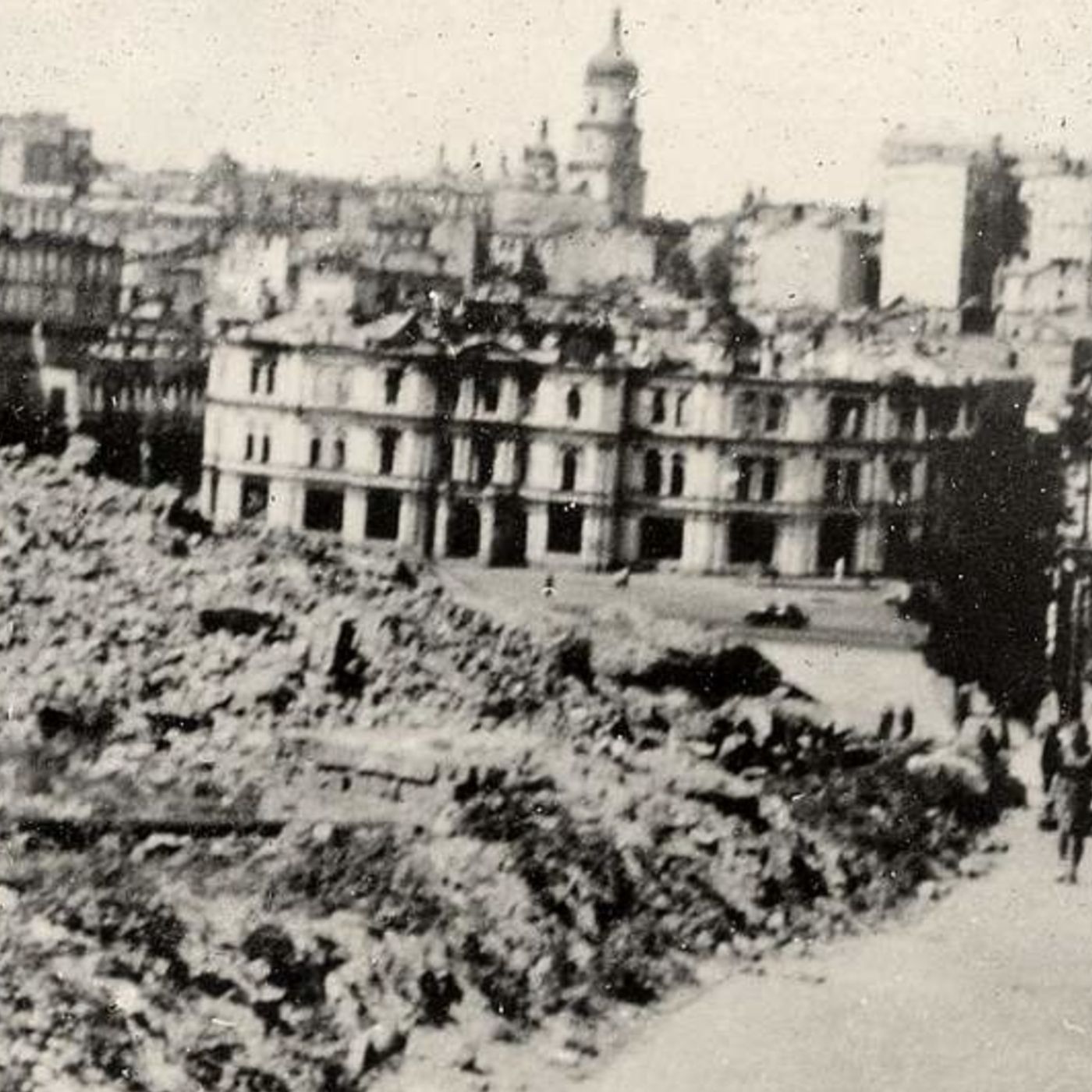
1941 KYIV Navigating Peace Frameworks and Energy Security — Part Two Anatol Lieven addresses the economic toll of the Ukraine war, including surging energy prices and destroyed infrastructure like the Kerch Bridge. He outlines the essential elements of a viable European security architecture, noting that while reciprocal troop adjustments are possible, Russian demands for Ukrainian territorial withdrawal remain unacceptable barriers to peace. (2)
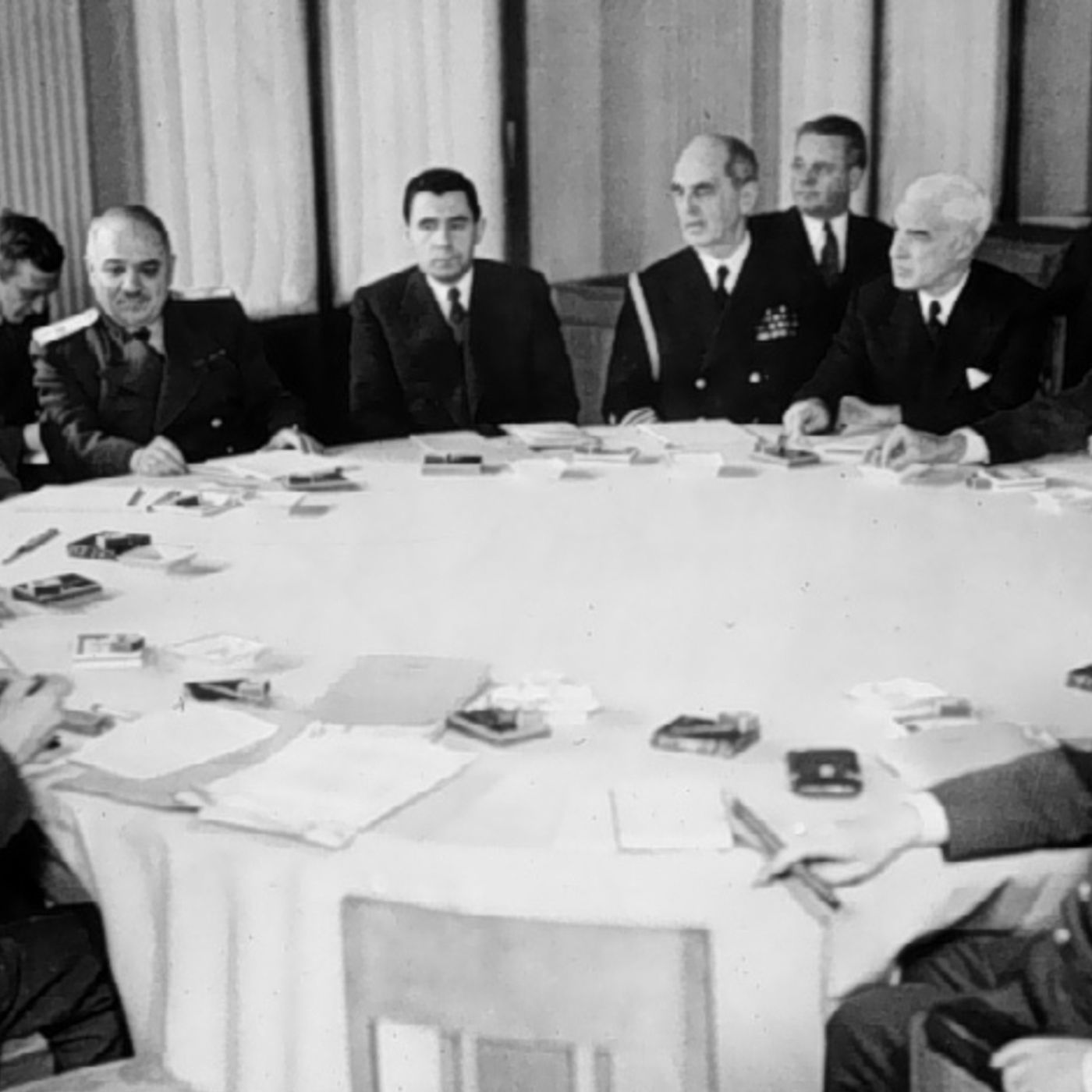
1945 YALTA Great Power Summitry and Nuclear De-escalation — Part One Anatol Lieven analyzes the Shenzhen summit of Donald Trump, Vladimir Putin, and Xi Jinping. While immediate breakthroughs were absent, Lieven emphasizes that Cold War precedents show great-power communication is vital for reducing direct nuclear risk and establishing de-confliction channels despite ongoing proxy warfare. (1)
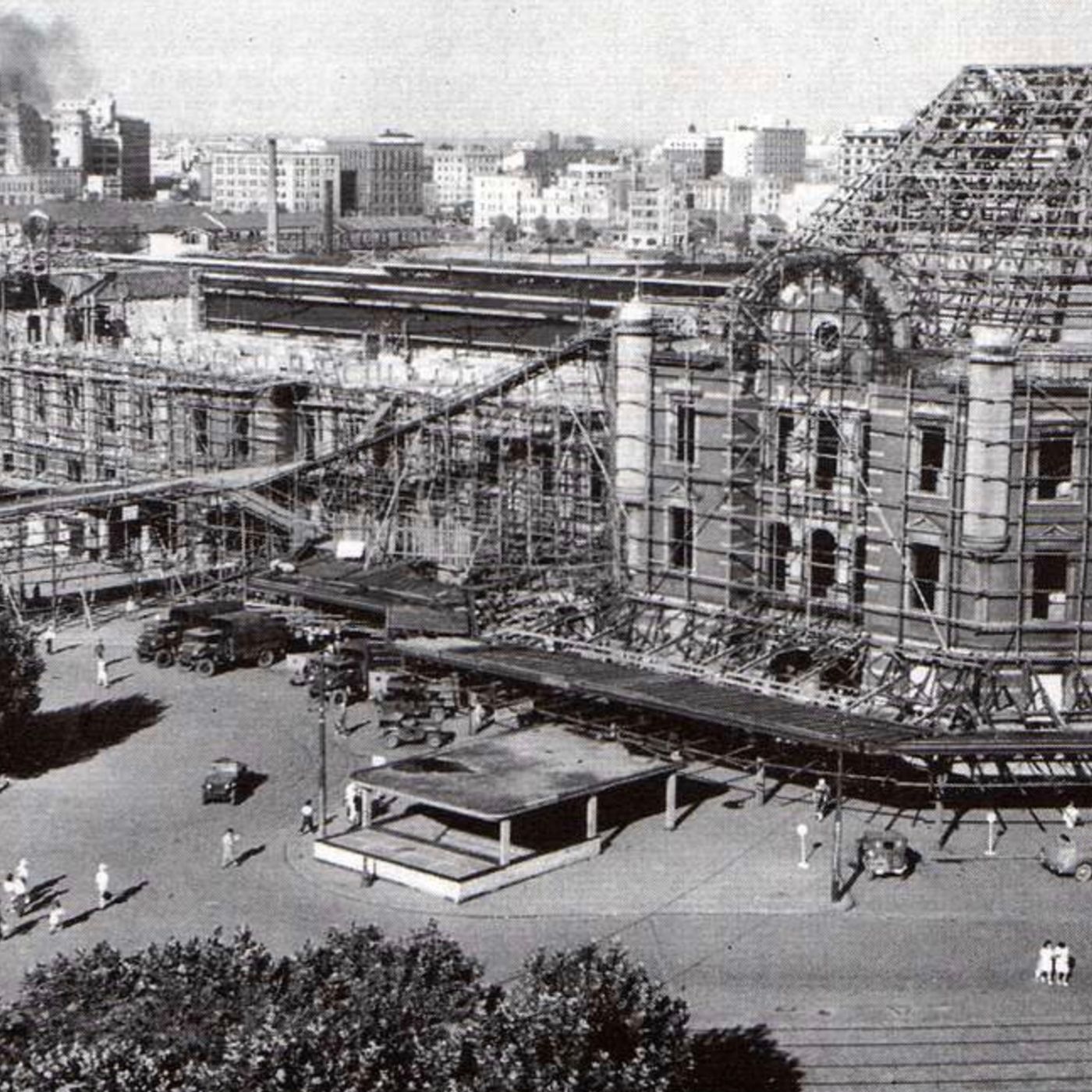
1946 TOKYO TRAIN STATION STREAMING-MAKING THE JOHN BATCHELOR SHOW-11-19-2026 This source features a global panel discussion hosted by John Bachelor, connecting experts across three continents to analyze current geopolitical conflicts, economic data, and international relations. The conversation covers the ongoing asymmetric Iran war, potential threats from proxy groups like the Houthis, and regional insurgencies involving minorities such as the Baluch. In addition to Middle Eastern instability, the participants discuss the weather, commodity prices, and currency fluctuations affecting everyday life in Europe and Asia. Lance Gatling provides economic and diplomatic insights from Tokyo, while Simon Constable evaluates European agricultural markets and energy costs from the south of France. Finally, the panel critiques recent diplomatic meetings in Shenzhen, drawing historical parallels to the Yalta Conference regarding the shifting balance of power among global superpowers.
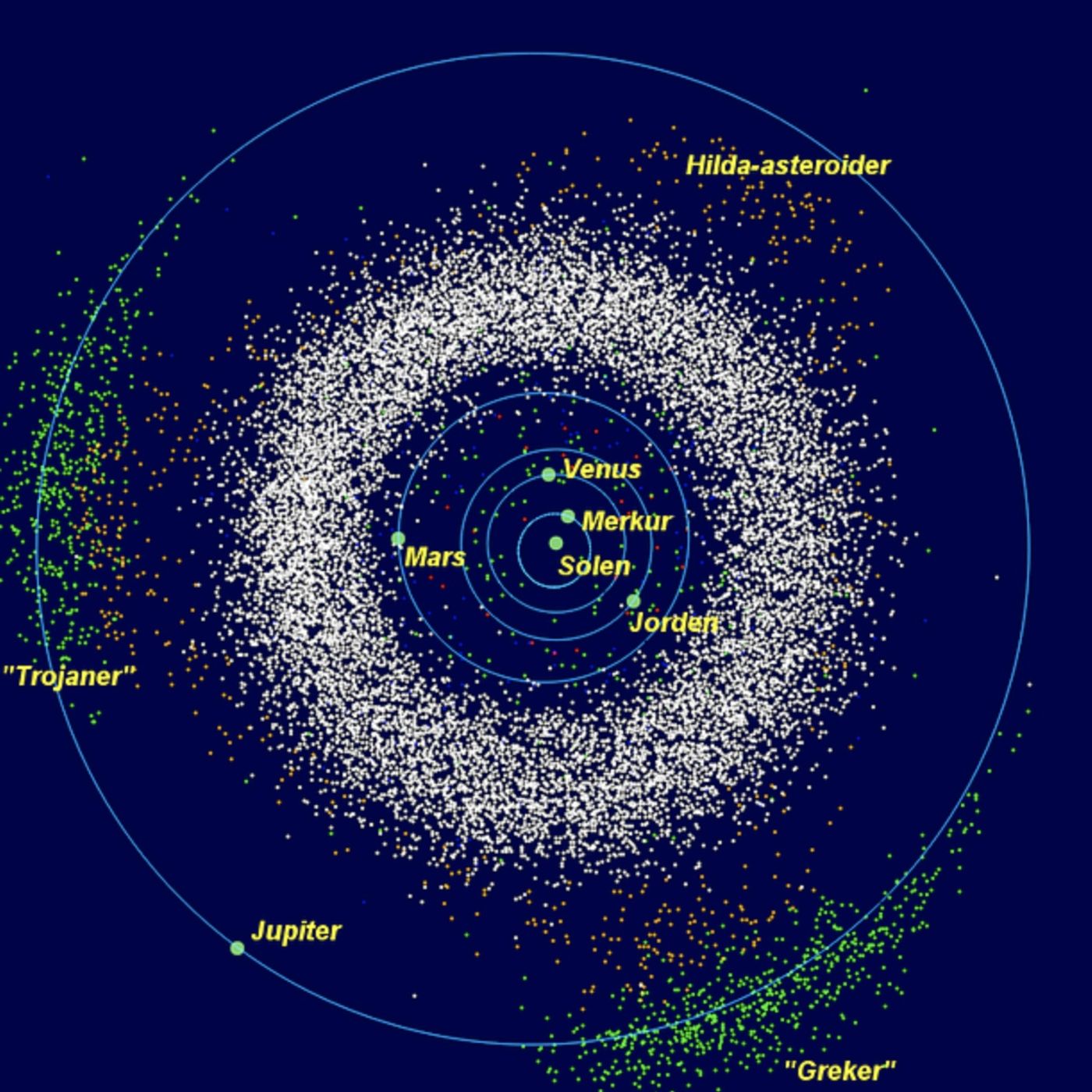
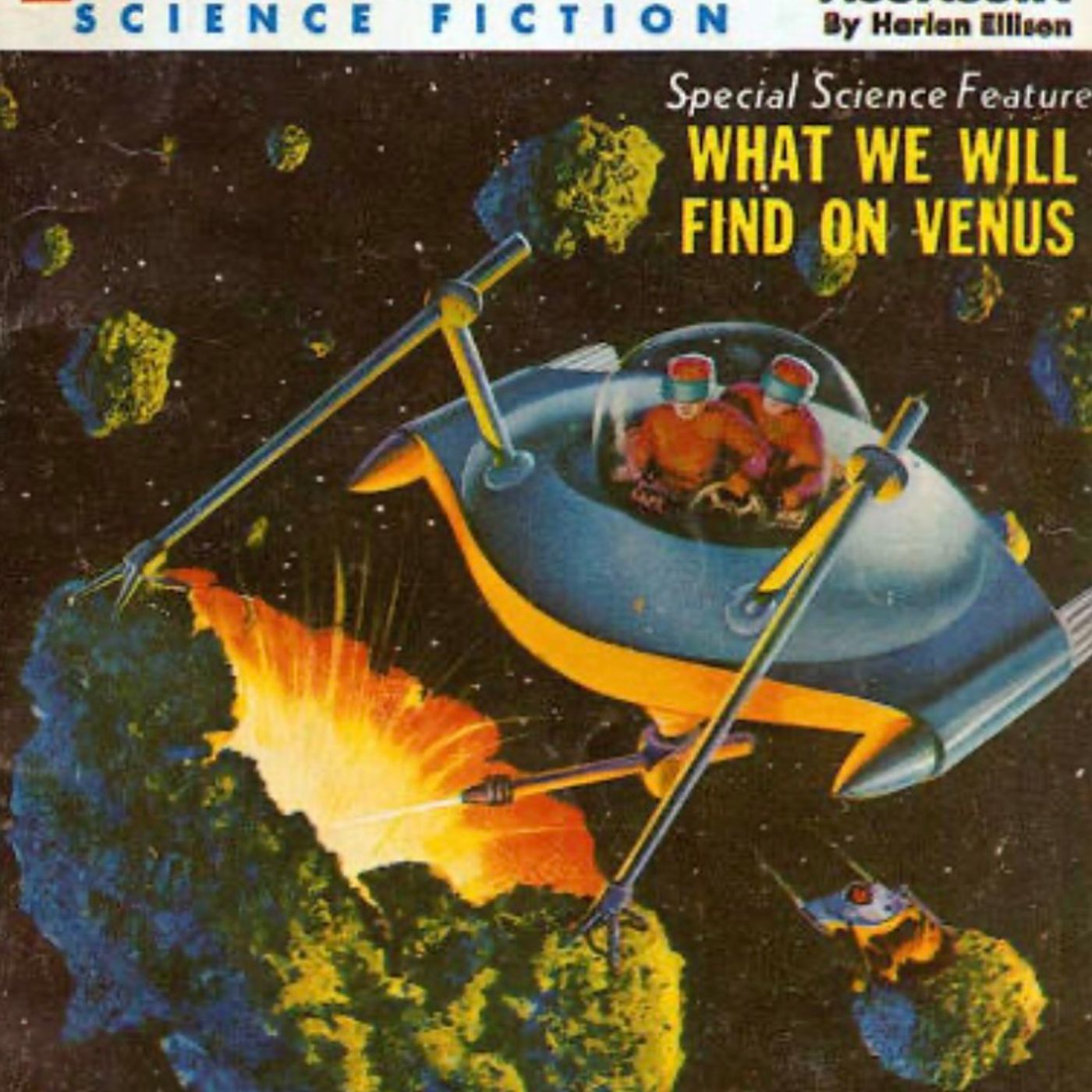
ASTEROID GROUPS INNER PLANETS CONTENTS JOHN BATCHELOR SHOW 11-18-2026 Strategic Nuclear Arms Control Negotiation Challenges — Part One Colonel Jeff McCausland examines the divergence between strategic and non-strategic nuclear weapons, noting that the lapse of bilateral treaties leaves major arsenals unconstrained. While President Trump seeks trilateral denuclearization with Russia and China, Beijing refuses to negotiate until it achieves parity, leaving formal reductions unlikely amid ongoing global military modernization. (1) Tactical Nuclear Deterrence and European Vulnerabilities — Part Two Colonel Jeff McCausland discusses tactical nuclear weapons and NATO deterrence, emphasizing how eroding American security commitments are prompting European allies to consider independent or expanded French-British nuclear umbrellas. Russian battlefield nuclear rhetoric and potential radiological threats, including severe risks at the Zaporizhzhia nuclear plant, further complicate European defen
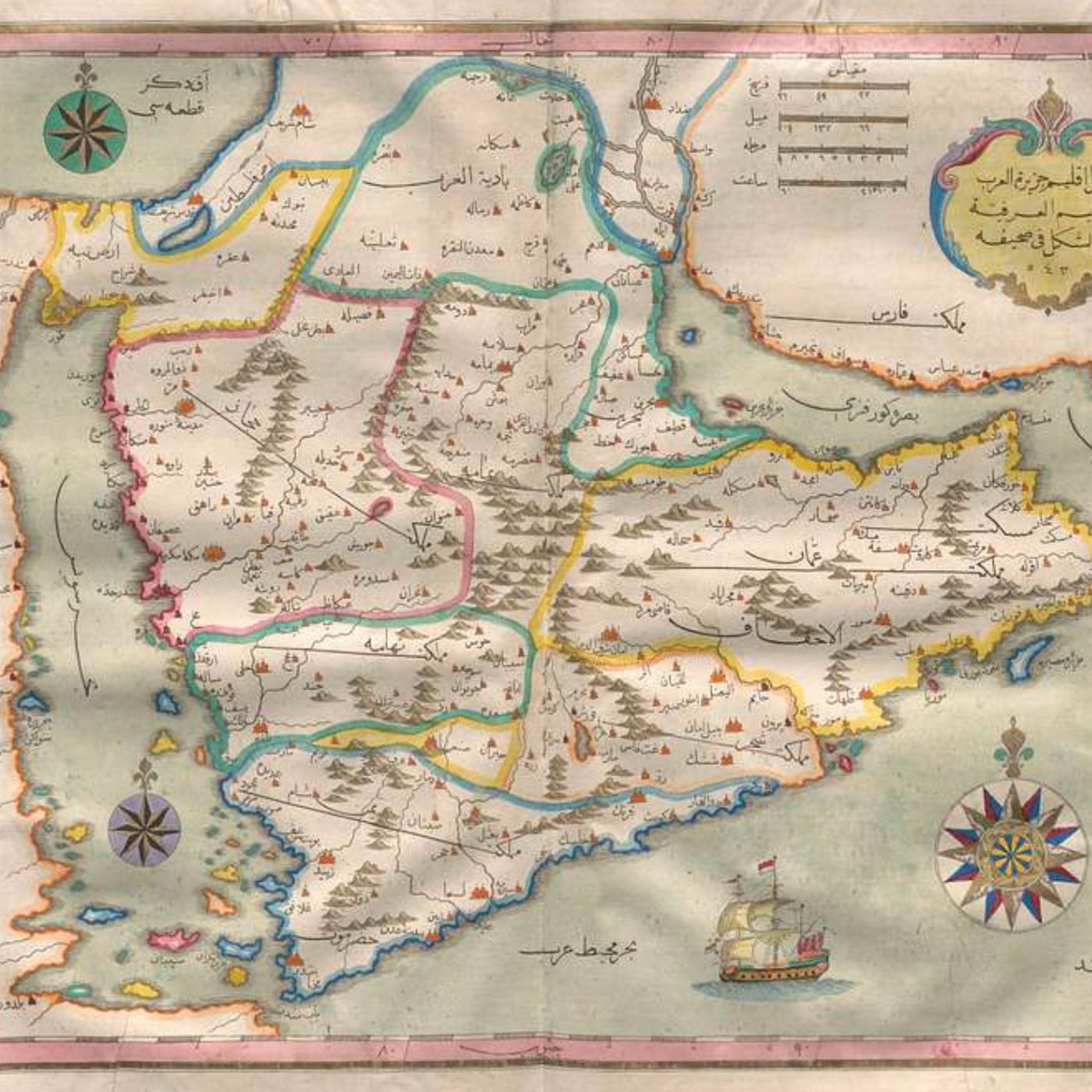
1958 YEMEN Houthi Attacks Threatening Saudi Arabian Stability — Part Two Jed Babbin highlights escalating Houthi aggression in Yemen, including attacks on Saudi Arabian infrastructure and key maritime choke points. He argues that Saudi Arabia must defeat the Houthis itself to protect European energy security, warning that unaddressed proxy warfare jeopardizes long-term global economic and political stability. (14)
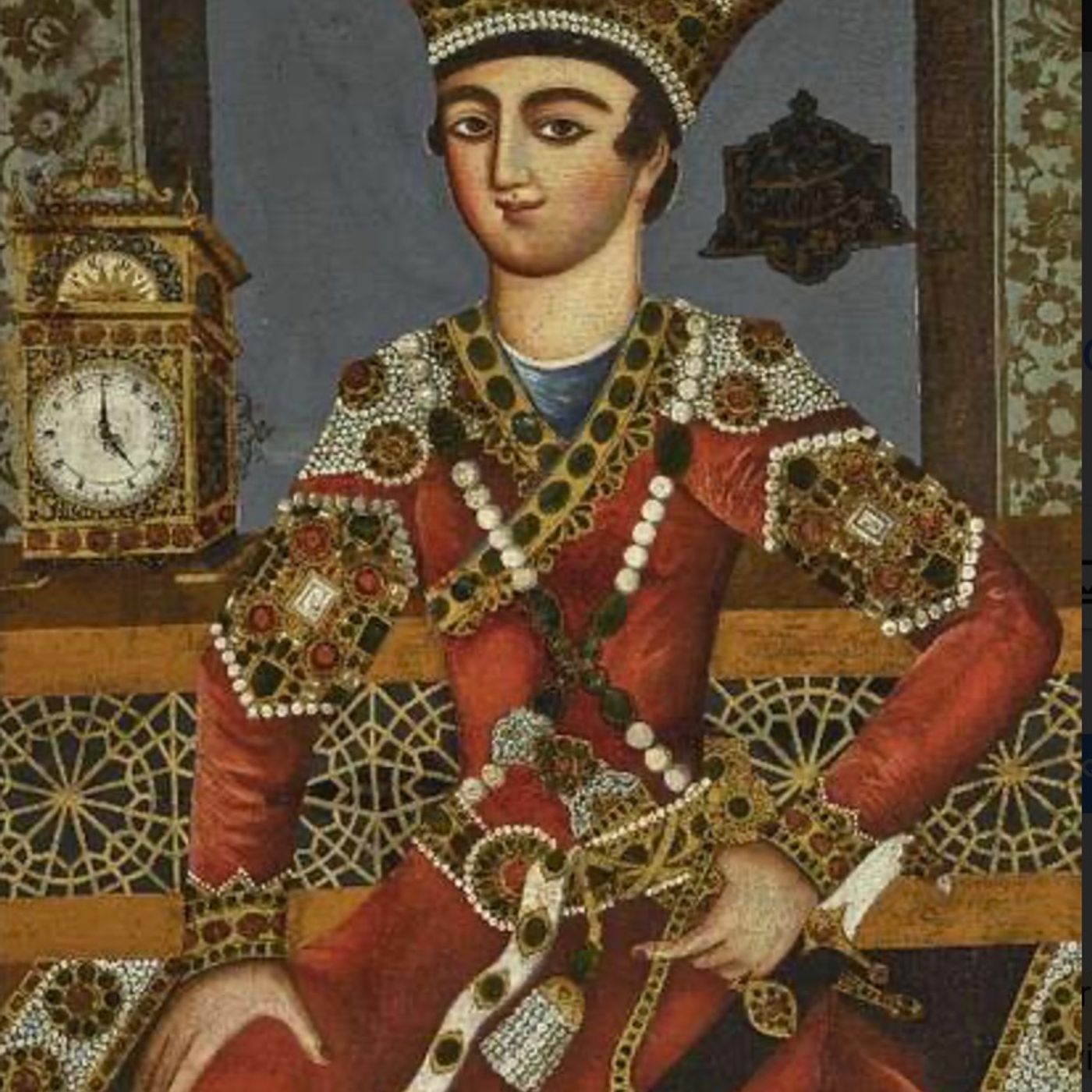
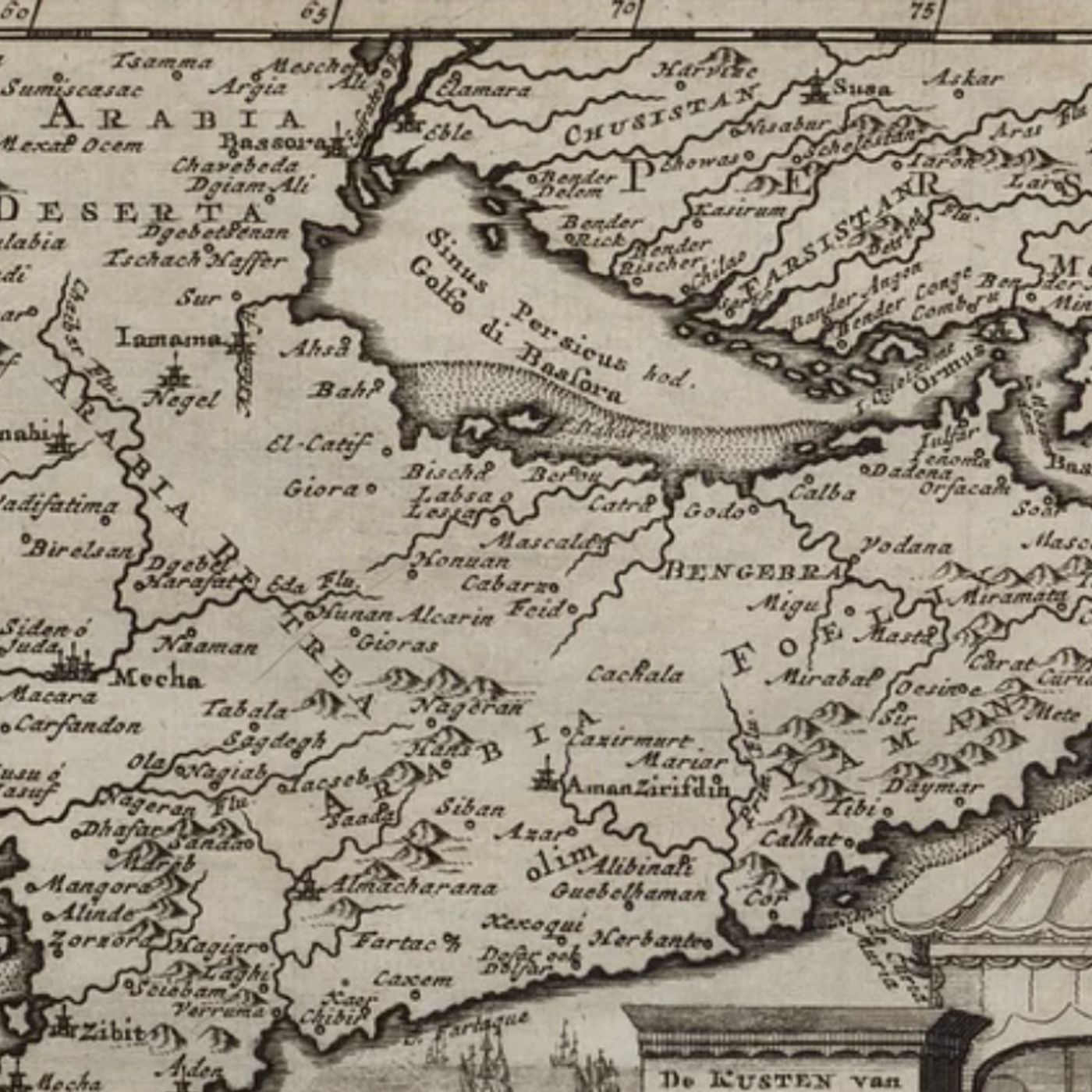
1903 PERSIA Iranian Regime Threat and Deterrence Failure — Part One Jed Babbin contends that US deterrence against Iran is failing, warning that without regime change Tehran will inevitably acquire nuclear weapons. He argues that Iranian assassination plots against American officials expose strategic weakness, and that stopping proxy conflicts requires confronting the state sponsors in Beijing, Moscow, and Tehran. (13)
1707 Eurasian Power Dynamics and Summit Diplomacy — Part Two Piero Tozzi and Gordon Chang evaluate the trilateral summit dynamics among Trump, Xi, and Putin, exploring underlying Sino-Russian tensions in Central Asia and the Russian Far East. They examine North Korean troop deployments in Ukraine, Taiwanese diplomatic arguments, and strategic leverage over global energy markets and military readiness across East Asia. (12)
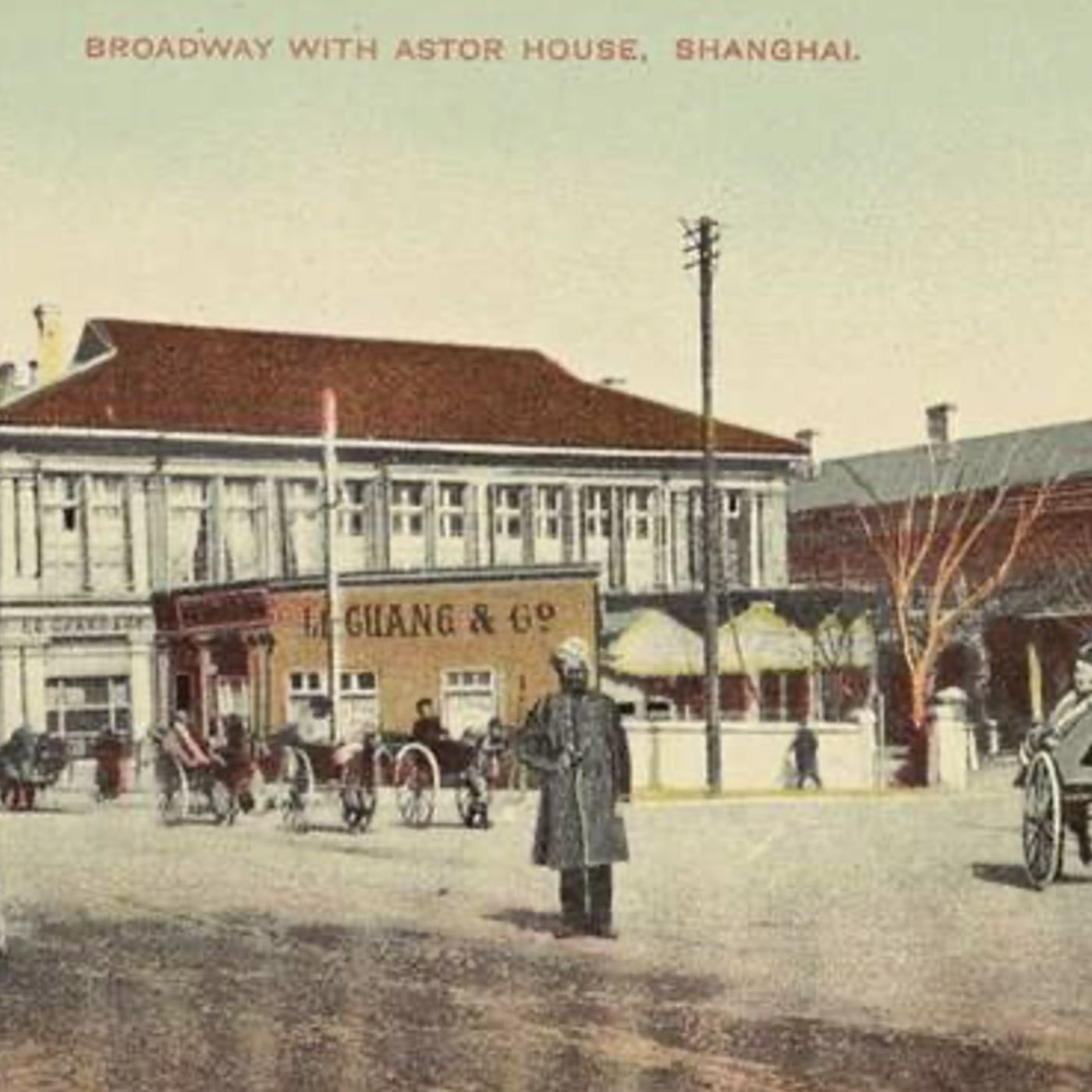
1905 ASTOR HOUSE HOTEL Indo-Pacific Alliances and Trade Truce — Part One Piero Tozzi and Gordon Chang review the Quad meetings in Manila, Sino-Indian border friction in Tibet, and expanded multinational military exercises. They analyze upcoming trade truce milestones, Beijing’s leverage over critical rare earth magnets, and tightening Commerce Department export controls restricting Chinese access to advanced artificial intelligence. (11)
1920 HONG KONG Hong Kong Dissident Jimmy Lai Imprisonment Mark Clifford and Gordon Chang discuss the deteriorating health and harsh solitary confinement of imprisoned Hong Kong publisher Jimmy Lai. They urge stronger White House leverage and targeted trade sanctions to secure his release, while condemning the extended ten-year sentence imposed on activist Joshua Wong under Beijing’s authoritarian control. (10)
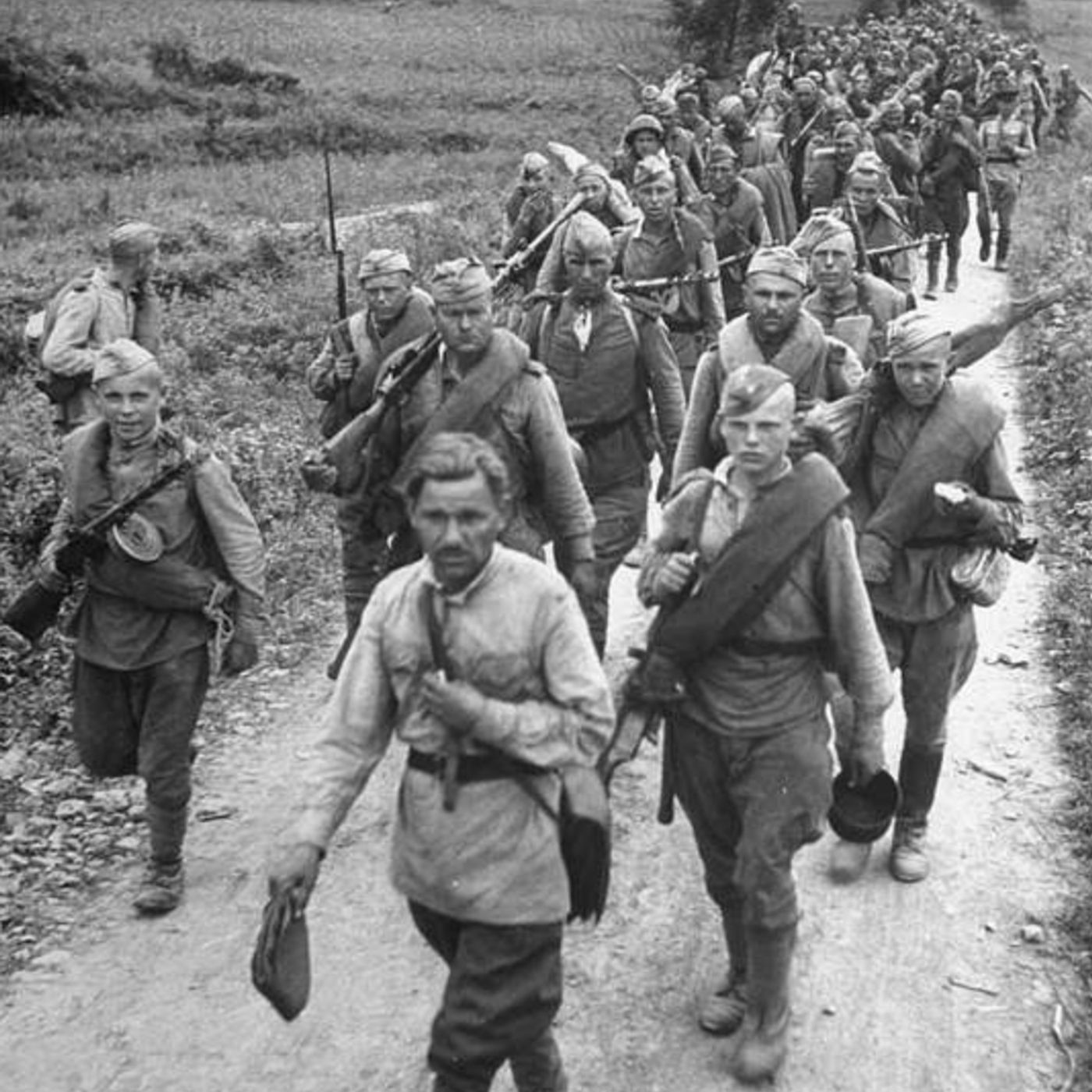
1945 RED ARMY IN KOREA Asian Security Alliances and Geopolitical Strains Dean Cheng and Gordon Chang analyze President Trump’s summit diplomacy in Manila and Shenzhen, emphasizing strengthened ties with Indonesia and Quad partners. They evaluate Beijing’s regional ambitions and “spider-wasp” economic strategies, and how unexplained outages in American critical infrastructure reveal broader vulnerabilities amid escalating proxy tensions involving Iran and China. (9)
243 IDA Planetary Asteroid Exploration and Space Missions — Part Two Bob Zimmerman examines upcoming missions to hazardous asteroids, highlighting a University of Maryland student probe to observe Apophis during its 2029 close flyby of Earth. He also reviews Europe’s Hera mission inspecting the DART impact site at Dimorphos, and JAXA adjusting Hayabusa2’s targets after unexpected ion engine malfunctions. (8)
OCTOBER 1958 Commercial Space Achievements and Launch Failures — Part One Bob Zimmerman analyzes SpaceX’s landmark Starship orbital mission and booster catch, contrasting it with the grounding of United Launch Alliance’s Vulcan after Blue Origin engine failures. He also notes Blue Origin ending its Orbital Reef space station plans, while commercial satellite constellations project historic growth in global launches. (7)
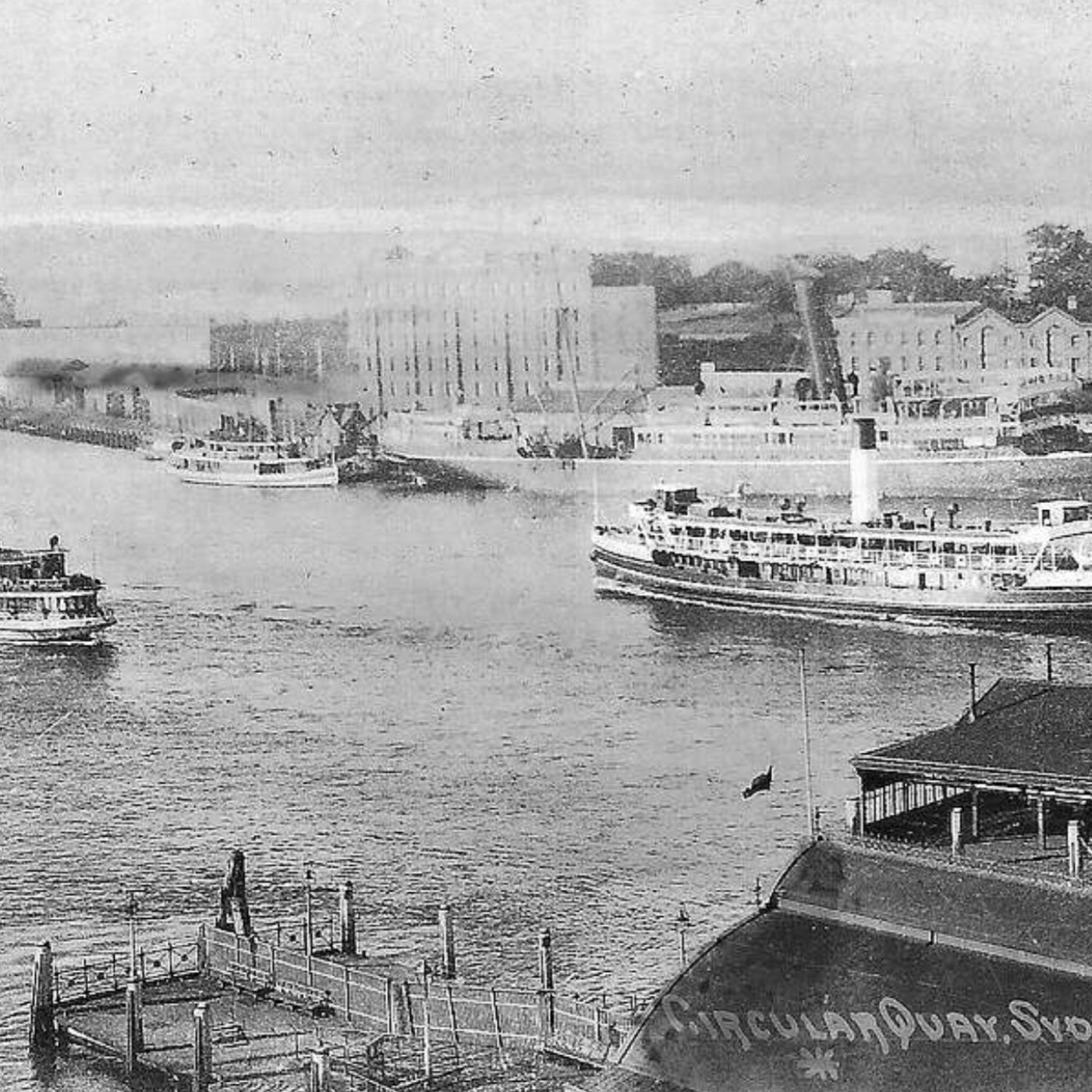
1905 SYDNEY HARBOR Super El Niño Unpredictable Australian Weather Jeremy Zakis reports on severe super El Niño disruptions across New South Wales. Unprecedented sea surface warming brings unseasonal hail, heavy rainfall, localized urban flooding, and fierce winds that disrupt Sydney flight schedules, in contrast to the milder spring conditions across southern Australia. (6)
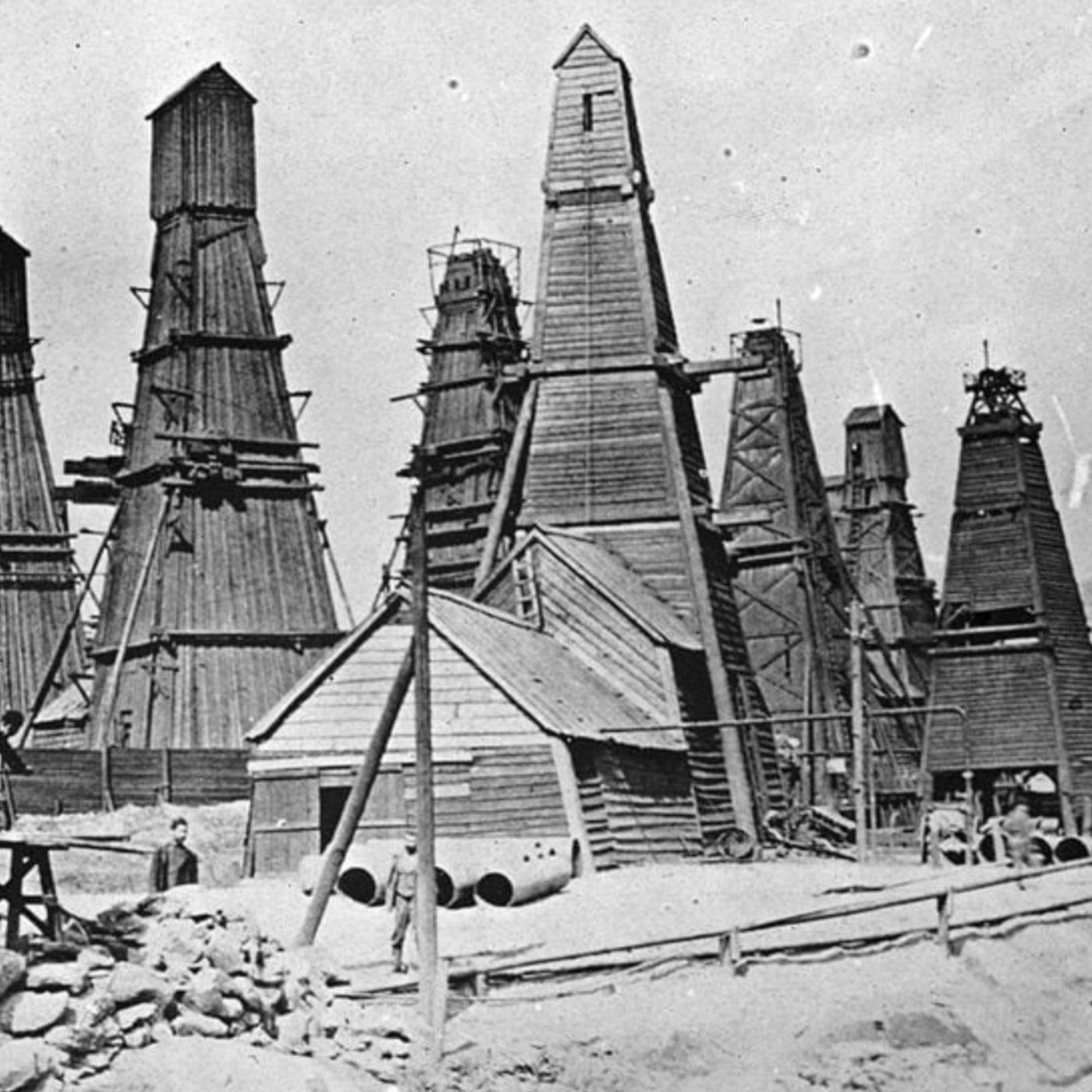
1900 BAKU Global Oil Markets and Agricultural Disruption Michael Bernstam details how Ukrainian strikes on Russian refineries and the collapse of the Kerch Bridge are disrupting global energy and grain markets. While crude oil supplies remain in surplus, refined product shortages persist, keeping consumer fuel prices high, as China strategically stockpiles oil and European nations phase out Russian imports. (5)
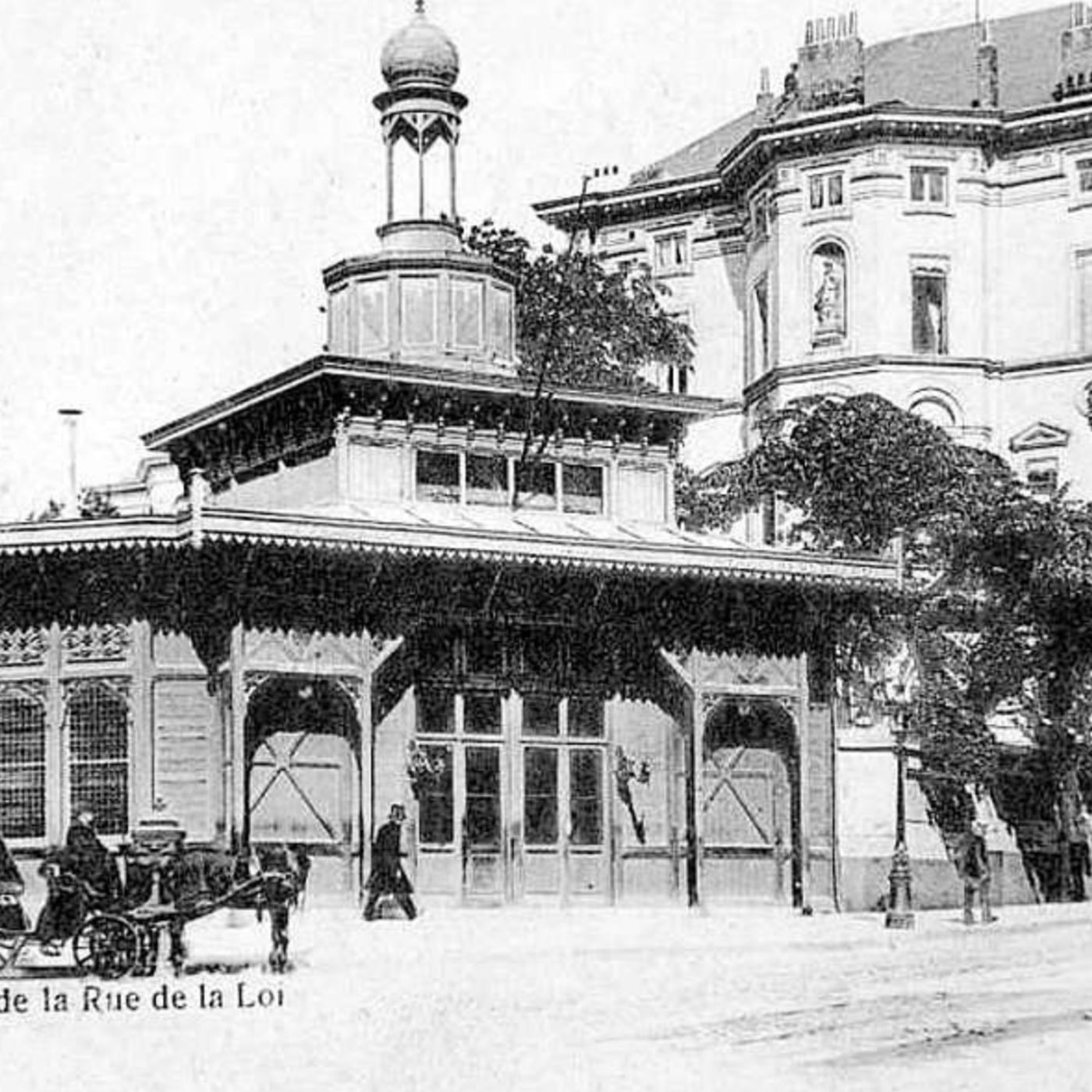
1900 BRUSSELS Russian Hybrid Warfare Threatening Western Infrastructure — Part Four Colonel Jeff McCausland analyzes Russian hybrid warfare targeting European and American civil infrastructure, including aviation networks, communications, and power grids. He advocates decisive US leadership, enforcement of congressional sanctions, and renewed military assistance to Ukraine to counter Russian aggression, restore deterrence, and uphold collective defense commitments. (4)