CONTENTS JOHN BATCHELOR SHOW 11-18-2026
Listen through the publisher, then discuss the episode here or arrange an in-person Roundtable. Your city determines where to meet.
Roundtables are designed for groups of four, with a shared subject and room for everyone to speak. Come for discussion, with no dating expectation.
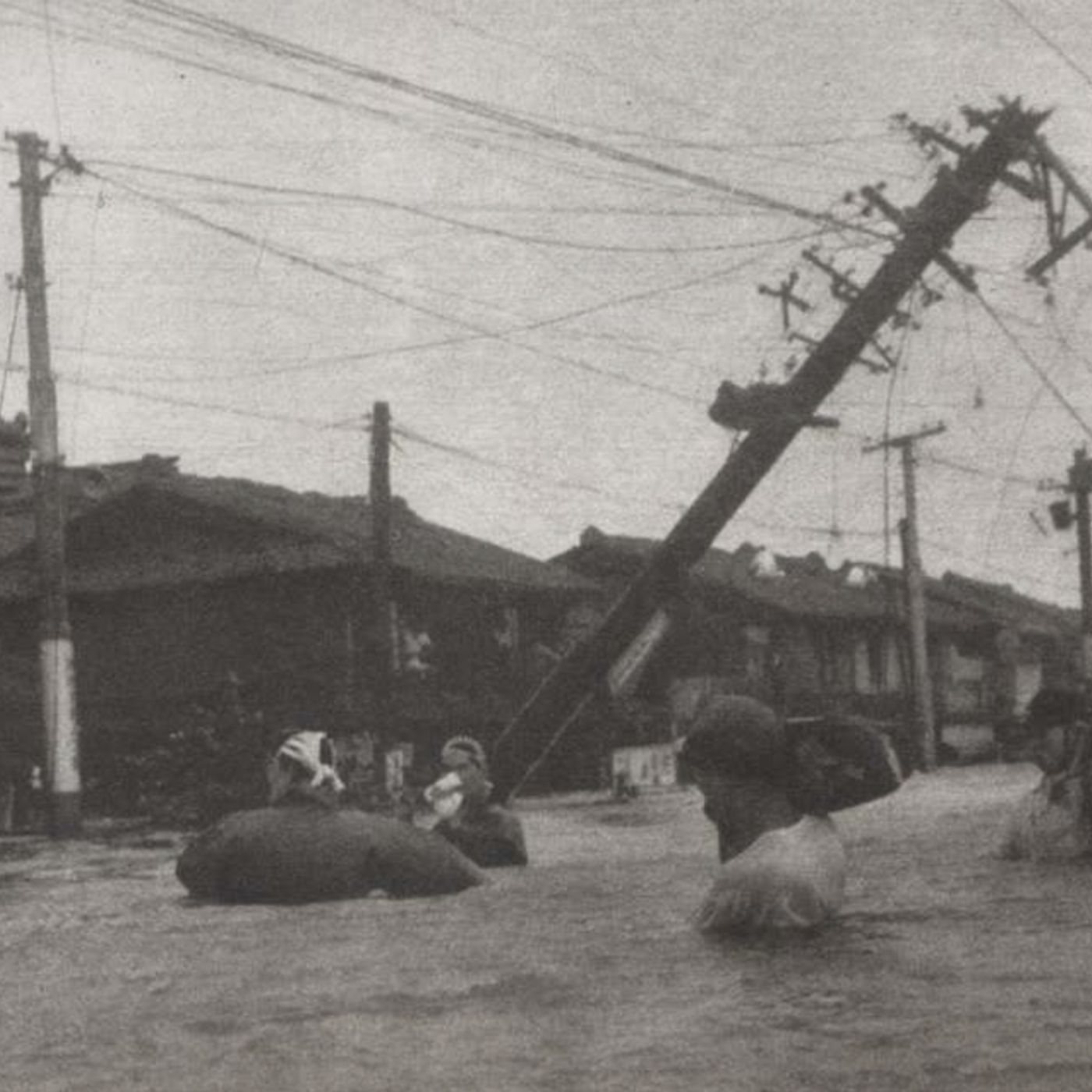
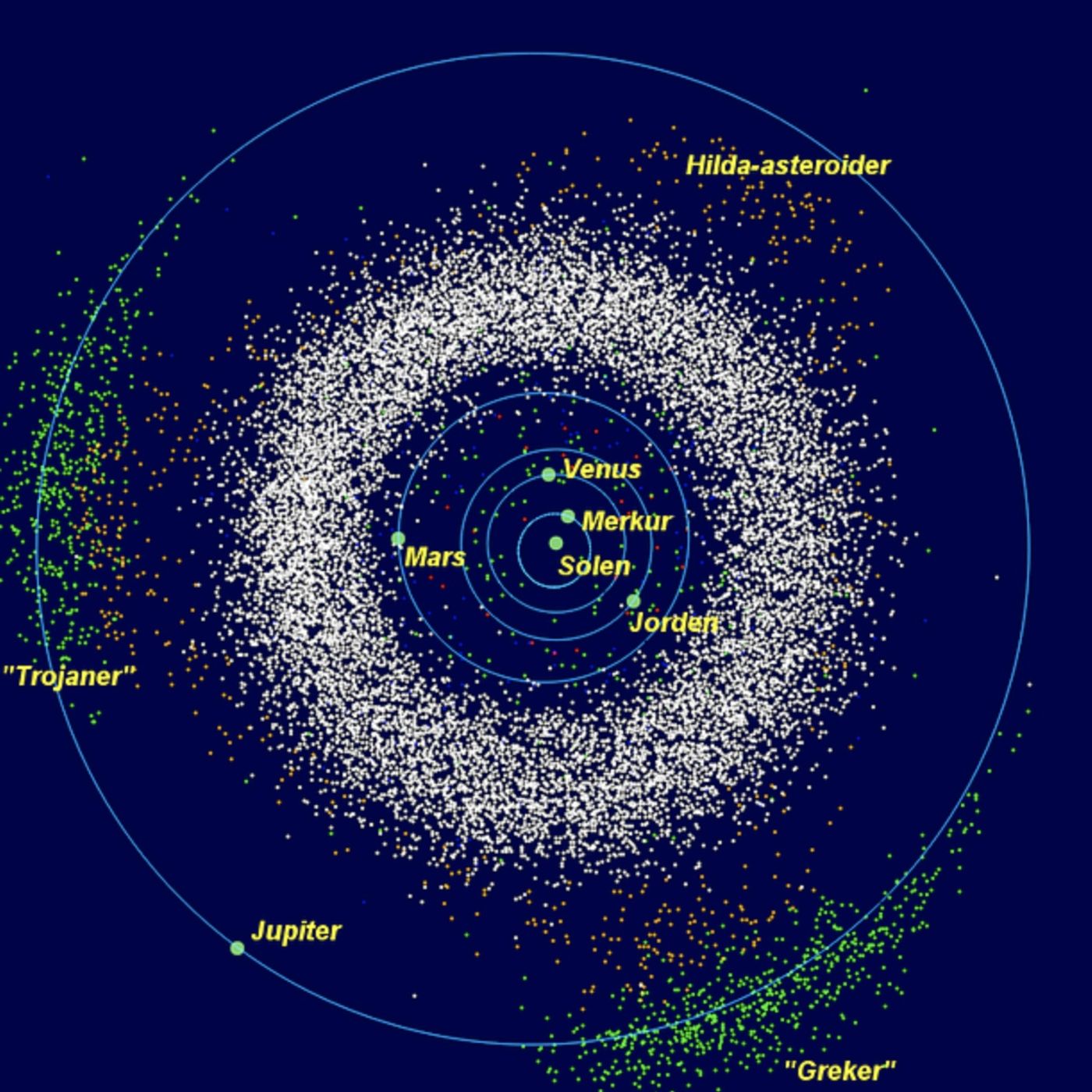
ASTEROID GROUPS INNER PLANETS CONTENTS JOHN BATCHELOR SHOW 11-18-2026 Strategic Nuclear Arms Control Negotiation Challenges — Part One Colonel Jeff McCausland examines the divergence between strategic and non-strategic nuclear weapons, noting that the lapse of bilateral treaties leaves major arsenals unconstrained. While President Trump seeks trilateral denuclearization with Russia and China, Beijing refuses to negotiate until it achieves parity, leaving formal reductions unlikely amid ongoing global military modernization. (1) Tactical Nuclear Deterrence and European Vulnerabilities — Part Two Colonel Jeff McCausland discusses tactical nuclear weapons and NATO deterrence, emphasizing how eroding American security commitments are prompting European allies to consider independent or expanded French-British nuclear umbrellas. Russian battlefield nuclear rhetoric and potential radiological threats, including severe risks at the Zaporizhzhia nuclear plant, further complicate European defense. (2) Middle East Conflicts and Ukrainian Escalations — Part Three Colonel Jeff McCausland assesses multiple battlefronts, weighing American strategic options against hardline Iranian ideological resistance. Houthi territorial gains in Yemen endanger the Bab el-Mandeb shipping lanes and Saudi oil infrastructure, while Ukrainian drone strikes on Russian refineries and the Kerch Bridge alter conflict dynamics during high-level summit negotiations. (3) Russian Hybrid Warfare Threatening Western Infrastructure — Part Four Colonel Jeff McCausland analyzes Russian hybrid warfare targeting European and American civil infrastructure, including aviation networks, communications, and power grids. He advocates decisive US leadership, enforcement of congressional sanctions, and renewed military assistance to Ukraine to counter Russian aggression, restore deterrence, and uphold collective defense commitments. (4) Global Oil Markets and Agricultural Disruption Michael Bernstam details how Ukrainian strikes on Russian refineries and the collapse of the Kerch Bridge are disrupting global energy and grain markets. While crude oil supplies remain in surplus, refined product shortages persist, keeping consumer fuel prices high, as China strategically stockpiles oil and European nations phase out Russian imports. (5) Super El Niño Unpredictable Australian Weather Jeremy Zakis reports on severe super El Niño disruptions across New South Wales. Unprecedented sea surface warming brings unseasonal hail, heavy rainfall, localized urban flooding, and fierce winds that disrupt Sydney flight schedules, in contrast to the milder spring conditions across southern Australia. (6) Commercial Space Achievements and Launch Failures — Part One Bob Zimmerman analyzes SpaceX’s landmark Starship orbital mission and booster catch, contrasting it with the grounding of United Launch Alliance’s Vulcan after Blue Origin engine failures. He also notes Blue Origin ending its Orbital Reef space station plans, while commercial satellite constellations project historic growth in global launches. (7) Planetary Asteroid Exploration and Space Missions — Part Two Bob Zimmerman examines upcoming missions to hazardous asteroids, highlighting a University of Maryland student probe to observe Apophis during its 2029 close flyby of Earth. He also reviews Europe’s Hera mission inspecting the DART impact site at Dimorphos, and JAXA adjusting Hayabusa2’s targets after unexpected ion engine malfunctions. (8) Asian Security Alliances and Geopolitical Strains Dean Cheng and Gordon Chang analyze President Trump’s summit diplomacy in Manila and Shenzhen, emphasizing strengthened ties with Indonesia and Quad partners. They evaluate Beijing’s regional ambitions and “spider-wasp” economic strategies, and how unexplained outages in American critical infrastructure reveal broader vulnerabilities amid escalating proxy tensions involving Iran and China. (9) Hong Kong Dissident Jimmy Lai Imprisonment Mark Clifford and Gordon Chang discuss the deteriorating health and harsh solitary confinement of imprisoned Hong Kong publisher Jimmy Lai. They urge stronger White House leverage and targeted trade sanctions to secure his release, while condemning the extended ten-year sentence imposed on activist Joshua Wong under Beijing’s authoritarian control. (10) Indo-Pacific Alliances and Trade Truce — Part One Piero Tozzi and Gordon Chang review the Quad meetings in Manila, Sino-Indian border friction in Tibet, and expanded multinational military exercises. They analyze upcoming trade truce milestones, Beijing’s leverage over critical rare earth magnets, and tightening Commerce Department export controls restricting Chinese access to advanced artificial intelligence. (11) Eurasian Power Dynamics and Summit Diplomacy — Part Two Piero Tozzi and Gordon Chang evaluate the trilateral summit dynamics among Trump, Xi, and Putin, exploring underlying Sino-Russian tensions in Central Asia and the Russian Far East. They examine North Korean troop deployments in Ukraine, Taiwanese diplomatic arguments, and strategic leverage over global energy markets and military readiness across East Asia. (12) Iranian Regime Threat and Deterrence Failure — Part One Jed Babbin contends that US deterrence against Iran is failing, warning that without regime change Tehran will inevitably acquire nuclear weapons. He argues that Iranian assassination plots against American officials expose strategic weakness, and that stopping proxy conflicts requires confronting the state sponsors in Beijing, Moscow, and Tehran. (13 )Houthi Attacks Threatening Saudi Arabian Stability — Part Two Jed Babbin highlights escalating Houthi aggression in Yemen, including attacks on Saudi Arabian infrastructure and key maritime choke points. He argues that Saudi Arabia must defeat the Houthis itself to protect European energy security, warning that unaddressed proxy warfare jeopardizes long-term global economic and political stability. (14) Economic and Technological Fragility in Beijing — Part One Colonel Grant Newsham details China’s critical proxy support for Russia and Iran, while highlighting Beijing’s severe economic, energy, and semiconductor vulnerabilities. (15) Military Encirclement and Strategic Island Defense — Part Two Colonel Grant Newsham analyzes Chinese naval encirclement around Taiwan, the strategic dynamics of the island chains, and military coordination between China, Russia, and North Korea. (16)
Episode information is provided by the publisher. Listening takes place on the publisher’s service.
Listen at the source ↗