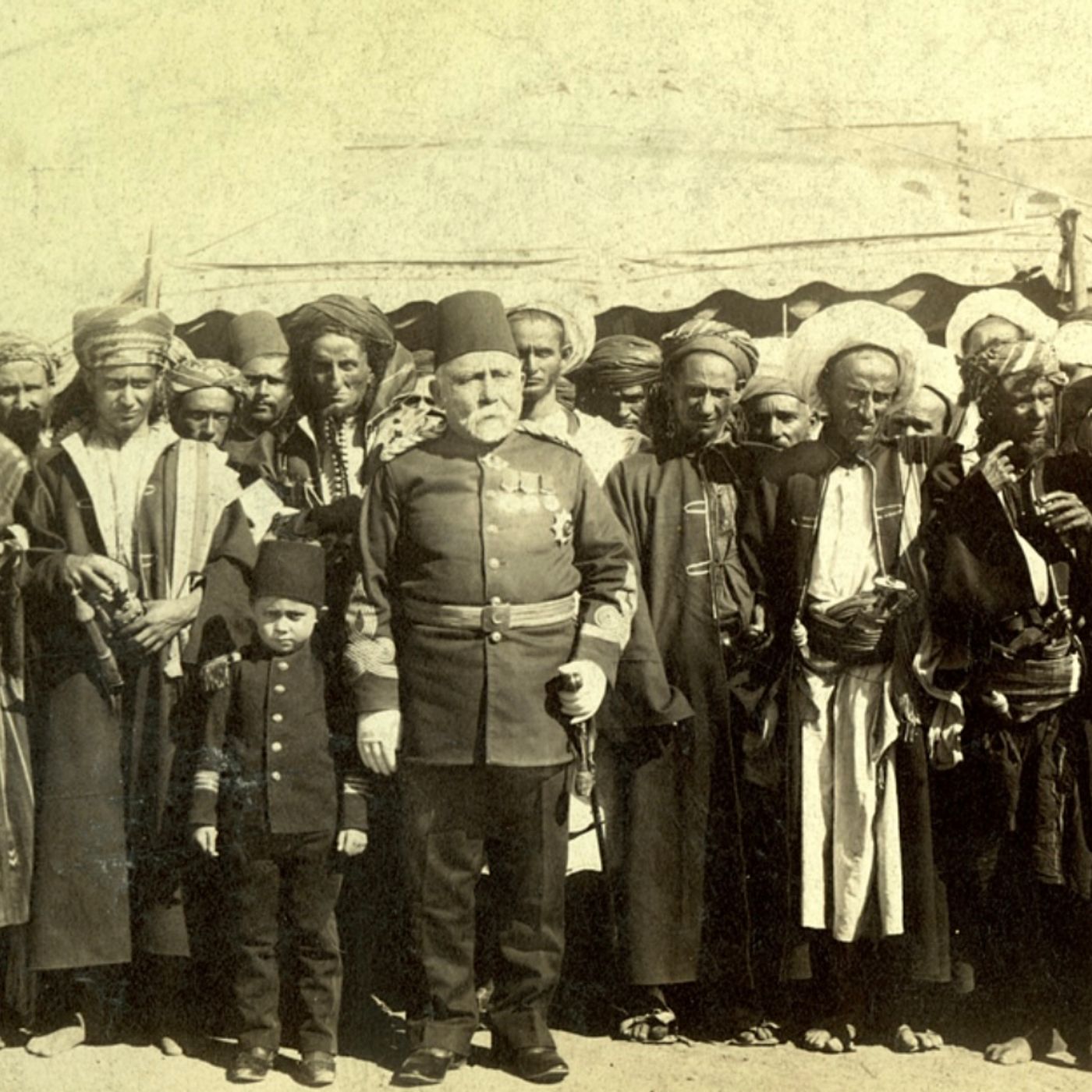
1894 YEMEN Middle East Conflicts and Ukrainian Escalations — Part Three Colonel Jeff McCausland assesses multiple battlefronts, weighing American strategic options against hardline Iranian ideological resistance. Houthi territorial gains in Yemen endanger the Bab el-Mandeb shipping lanes and Saudi oil infrastructure, while Ukrainian drone strikes on Russian refineries and the Kerch Bridge alter conflict dynamics during high-level summit negotiations. (3)
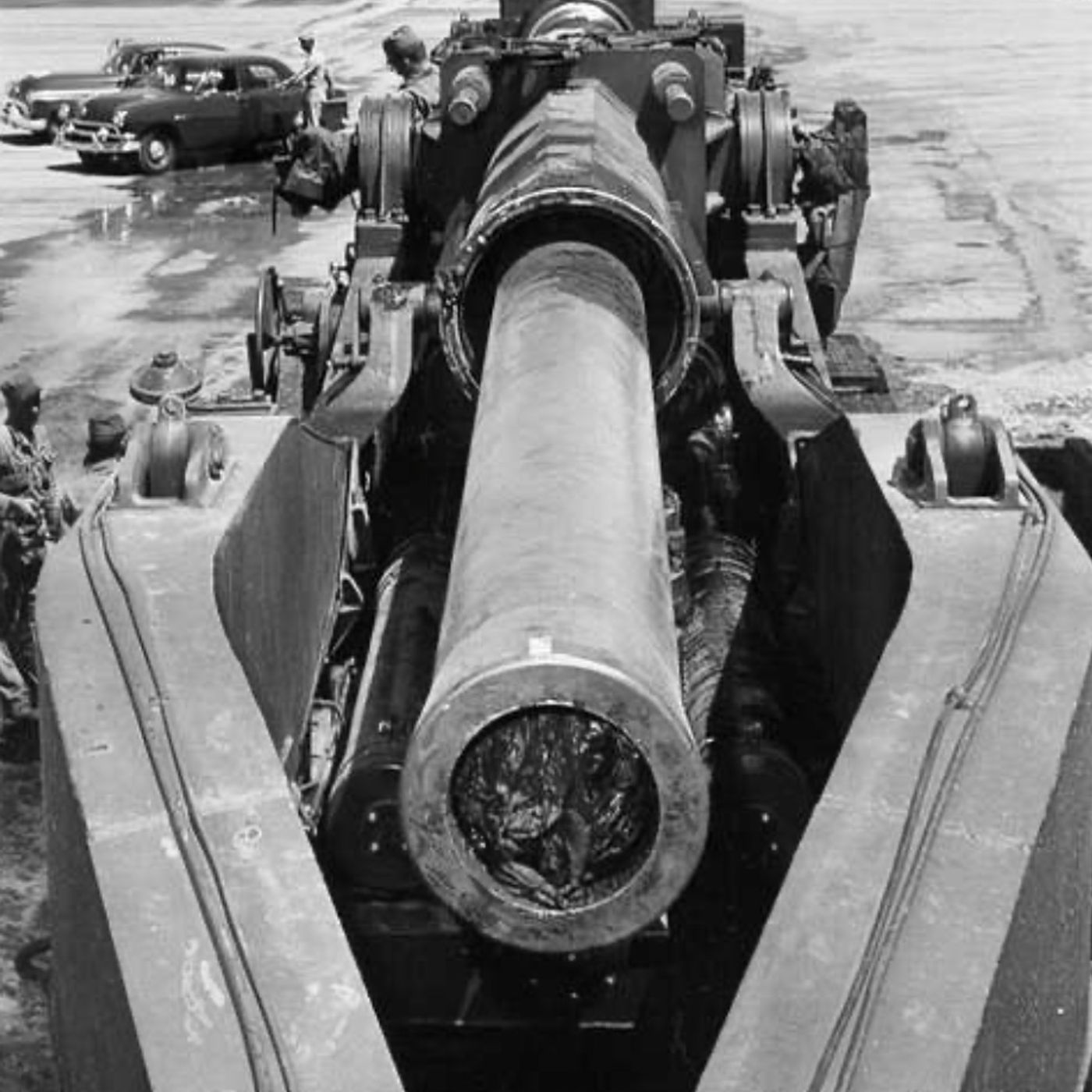
1955 ATOMIC CANNON Tactical Nuclear Deterrence and European Vulnerabilities — Part Two Colonel Jeff McCausland discusses tactical nuclear weapons and NATO deterrence, emphasizing how eroding American security commitments are prompting European allies to consider independent or expanded French-British nuclear umbrellas. Russian battlefield nuclear rhetoric and potential radiological threats, including severe risks at the Zaporizhzhia nuclear plant, further complicate European defense. (2)
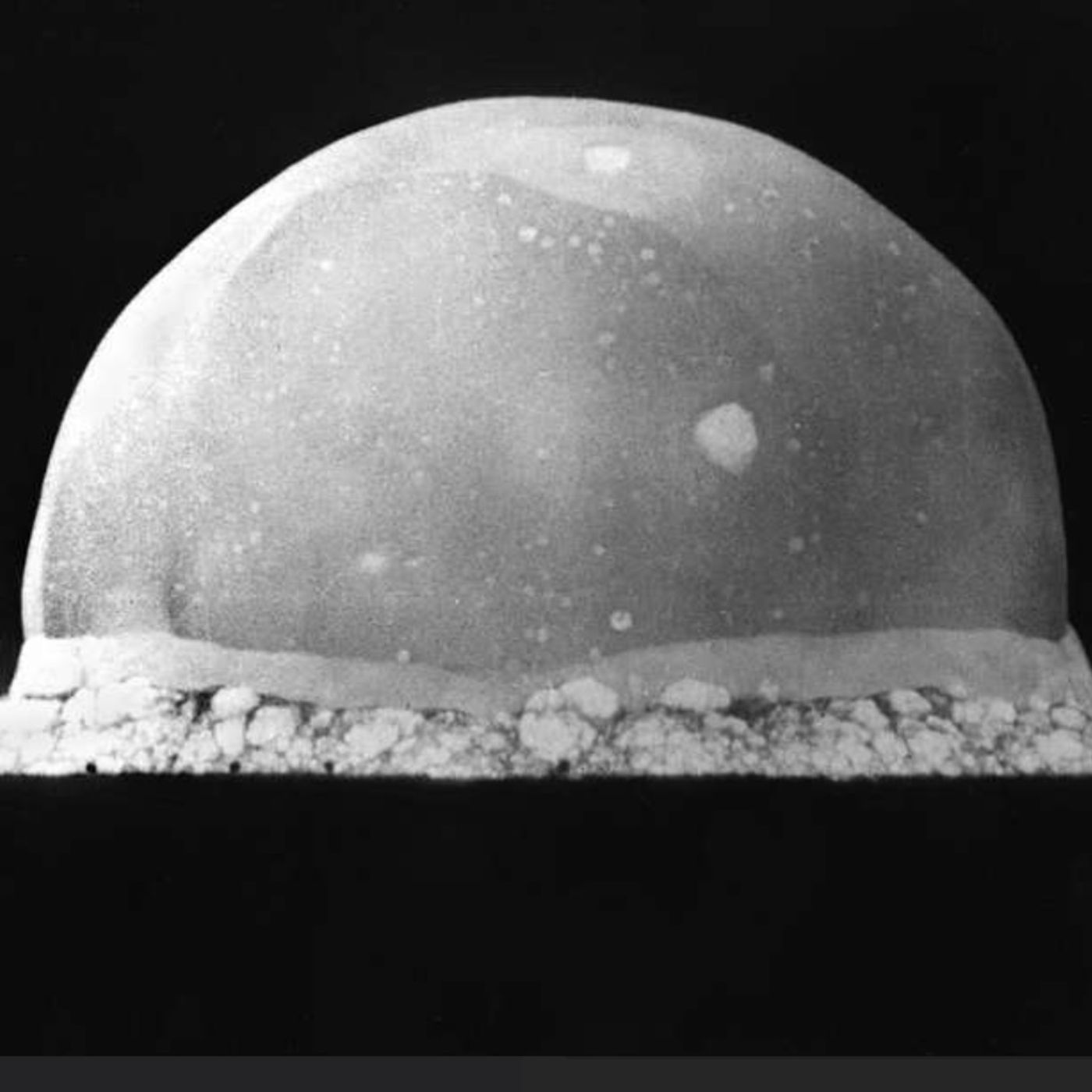
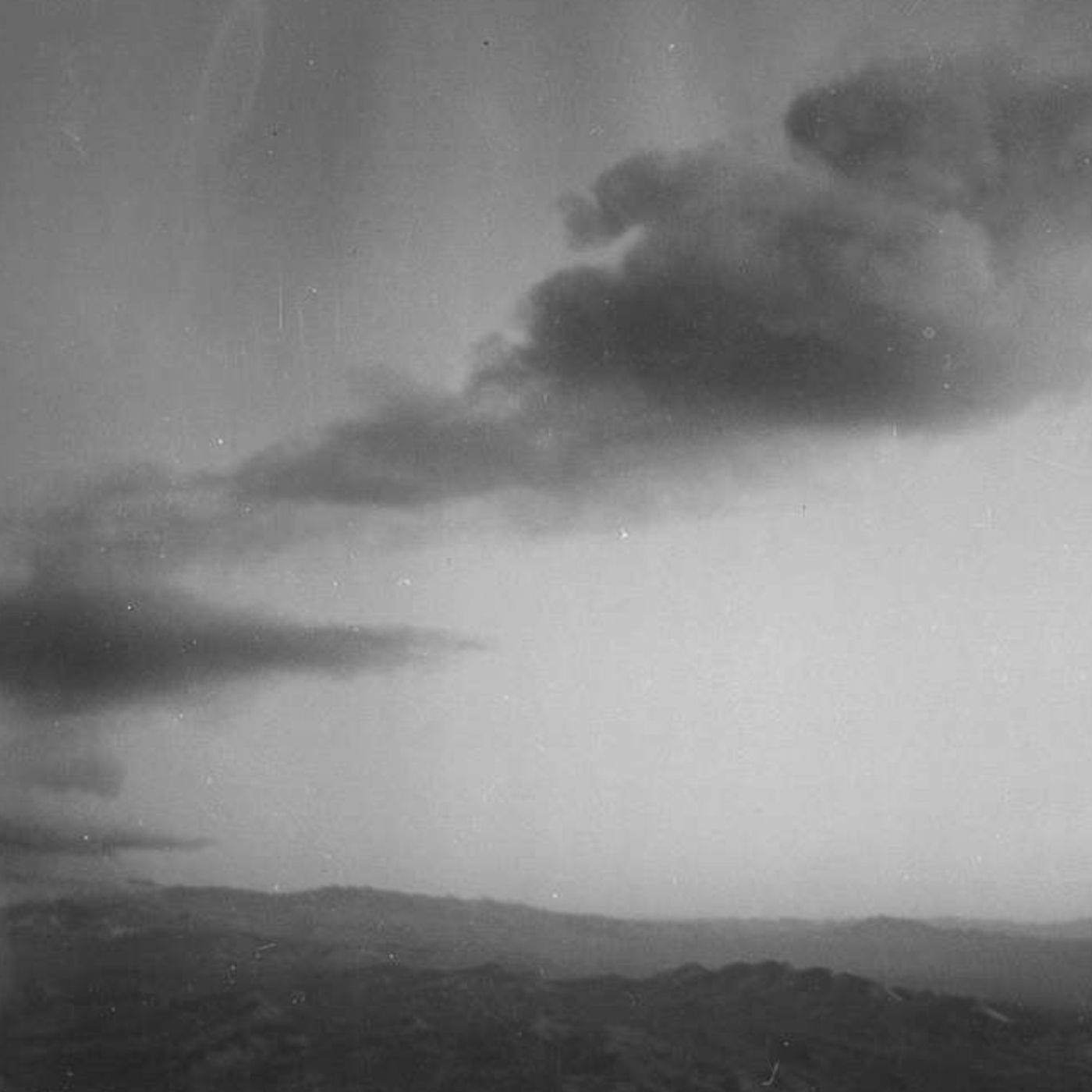
1945 1TRINITY TEST Strategic Nuclear Arms Control Negotiation Challenges — Part One Colonel Jeff McCausland examines the divergence between strategic and non-strategic nuclear weapons, noting that the lapse of bilateral treaties leaves major arsenals unconstrained. While President Trump seeks trilateral denuclearization with Russia and China, Beijing refuses to negotiate until it achieves parity, leaving formal reductions unlikely amid ongoing global military modernization. (1)
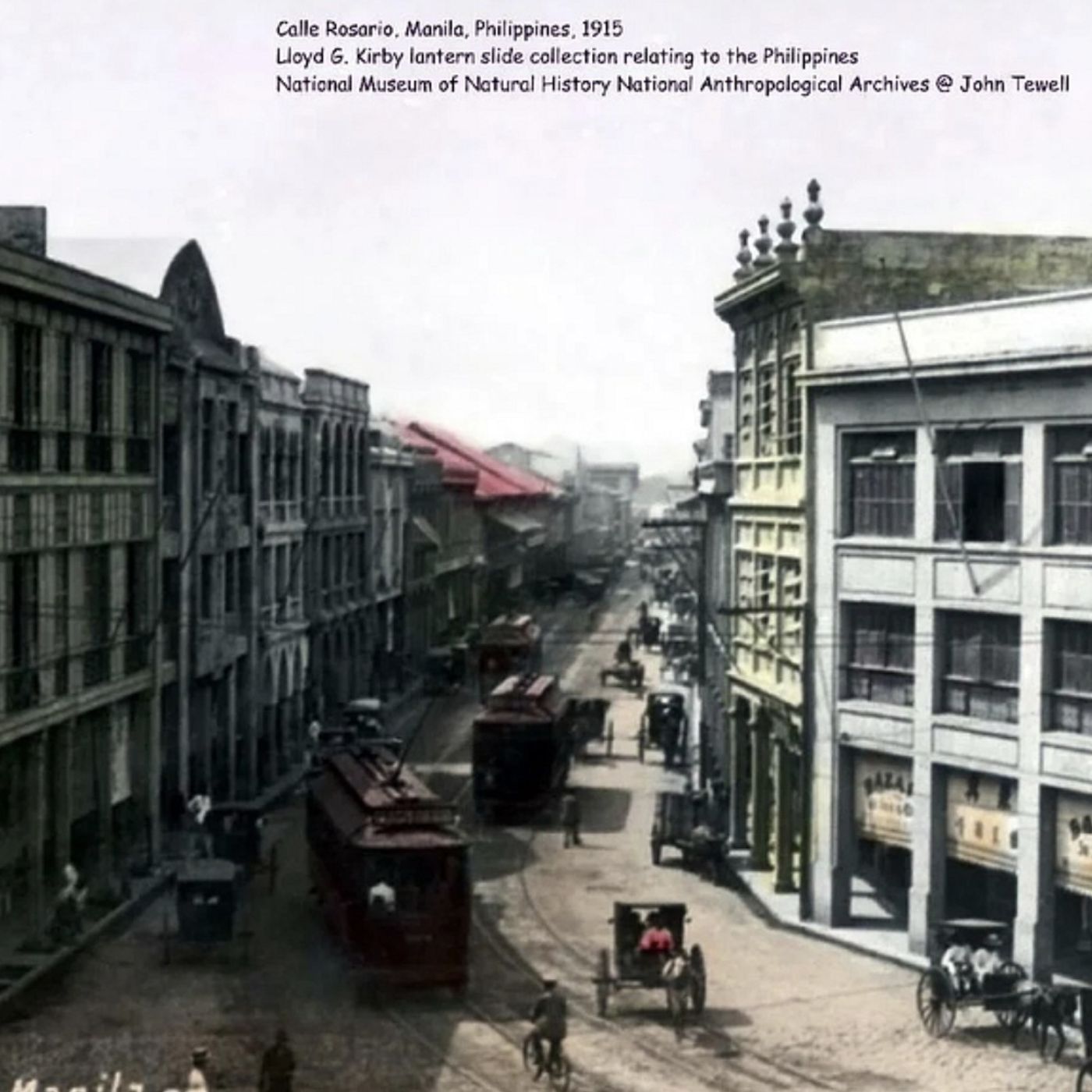
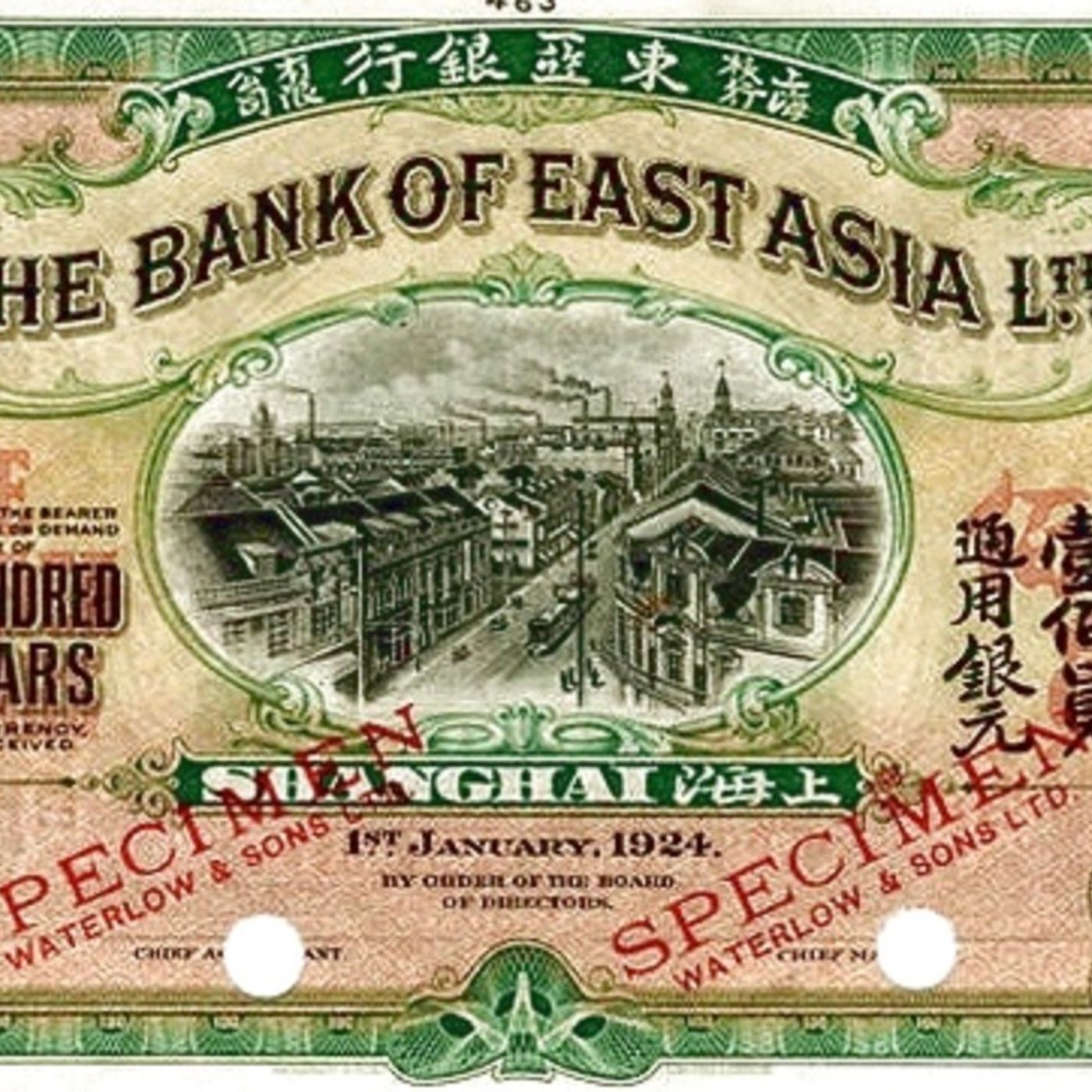
1915 MANILA STREAMING-MAKING THE JOHN BATCHELOR SHOW 11-18-2026 Episode Overview: The sources provide a comprehensive overview of major international summits and geopolitical tensions, focusing on President Trump's diplomatic engagements in Asia, specifically the ASEAN meeting in Manilaand the APEC summit in Shenzhen. Analysts discuss the strategic importance of strengthening alliances through the Quad and partnering with key nations like Indonesia to counter Chinese expansion in the South China Sea. The discussions also highlight critical human rights issues, particularly the persecution of Hong Kong dissidents Jimmy Laiand Joshua Wong, and question whether the United States can effectively negotiate their release. Experts further examine the complex proxy conflicts involving Russia, China and Iran, alongside vulnerabilities in American infrastructure and the ongoing economic struggles facing Beijing. Finally, the conversations touch on global trade policies, semiconductor export cont
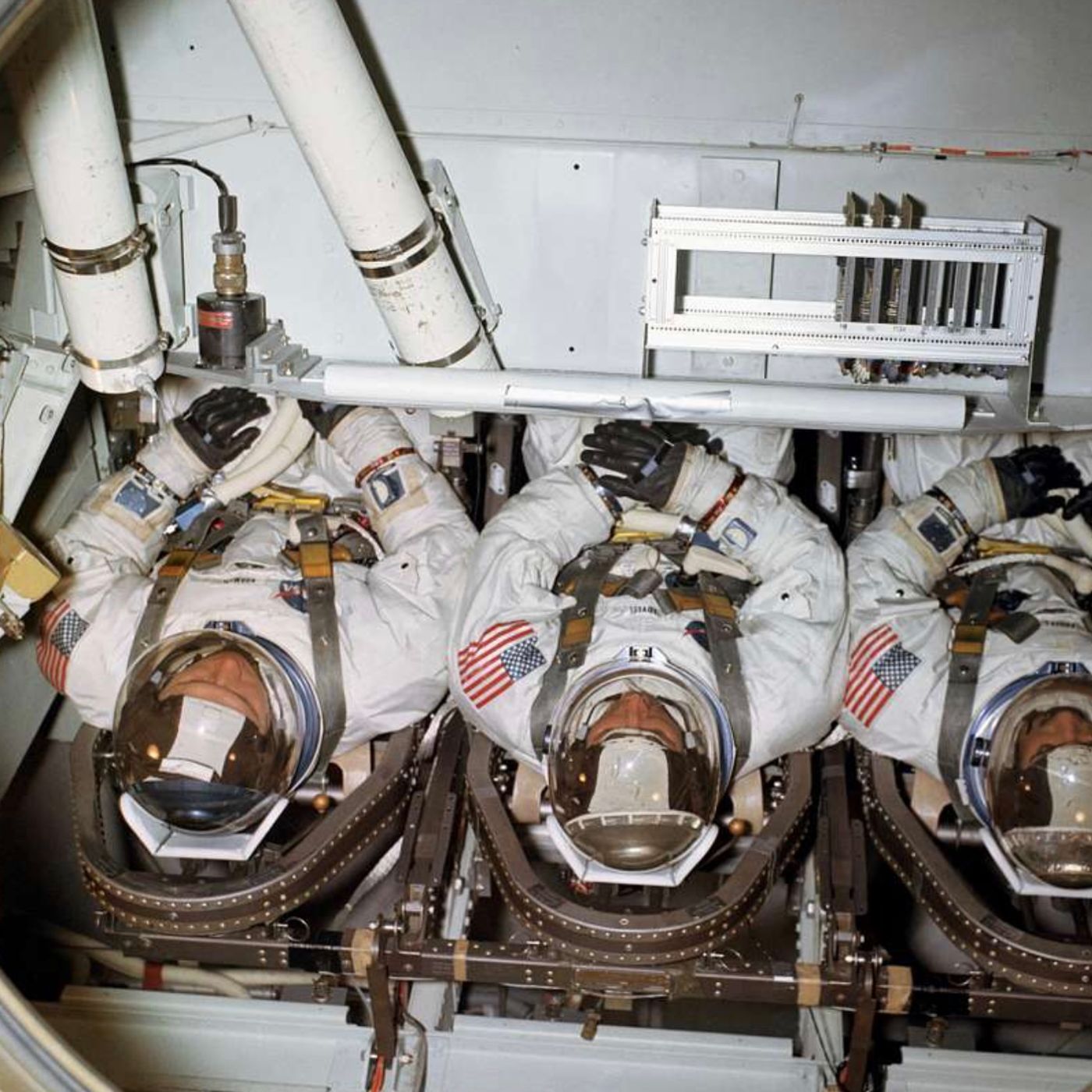
1988 APOLLO 8 CONTENTS JOHN BATCHELOR SHOW 11-17-26 Strong Economy Navigates Artificial Intelligence Dynamics — Part One Liz Peek argues that American economic fundamentals remain robust, supported by strong consumer spending, low unemployment, and rising after-tax wages across income groups. Although stock market volatility and rapid artificial intelligence investment create uncertainty, consumer confidence persists, and despite partisan debates and proposed regulatory spending plans, productivity gains from technology adoption continue to drive growth. (1) Stabilizing Energy Markets Power Holiday Outlook — Part Two Liz Peek reports that global oil markets are stabilizing as Middle East export volumes rise despite ongoing maritime friction and transit security challenges. Falling crude and gasoline prices are easing consumer pressure and shifting Federal Reserve interest rate expectations, while strong labor conditions and steady wage growth support an optimistic holiday spending outl
Corporate Tax Proposals Contradict Airline Strategy Michael Toth critiques United Airlines CEO Scott Kirby for advocating a national wealth tax while gearing United’s business model toward affluent travelers. Highlighting population and capital flight from high-tax states to low-tax jurisdictions like Texas, Toth argues that wealth confiscation harms economic mobility, philanthropy, and broad-based private sector growth. (16)
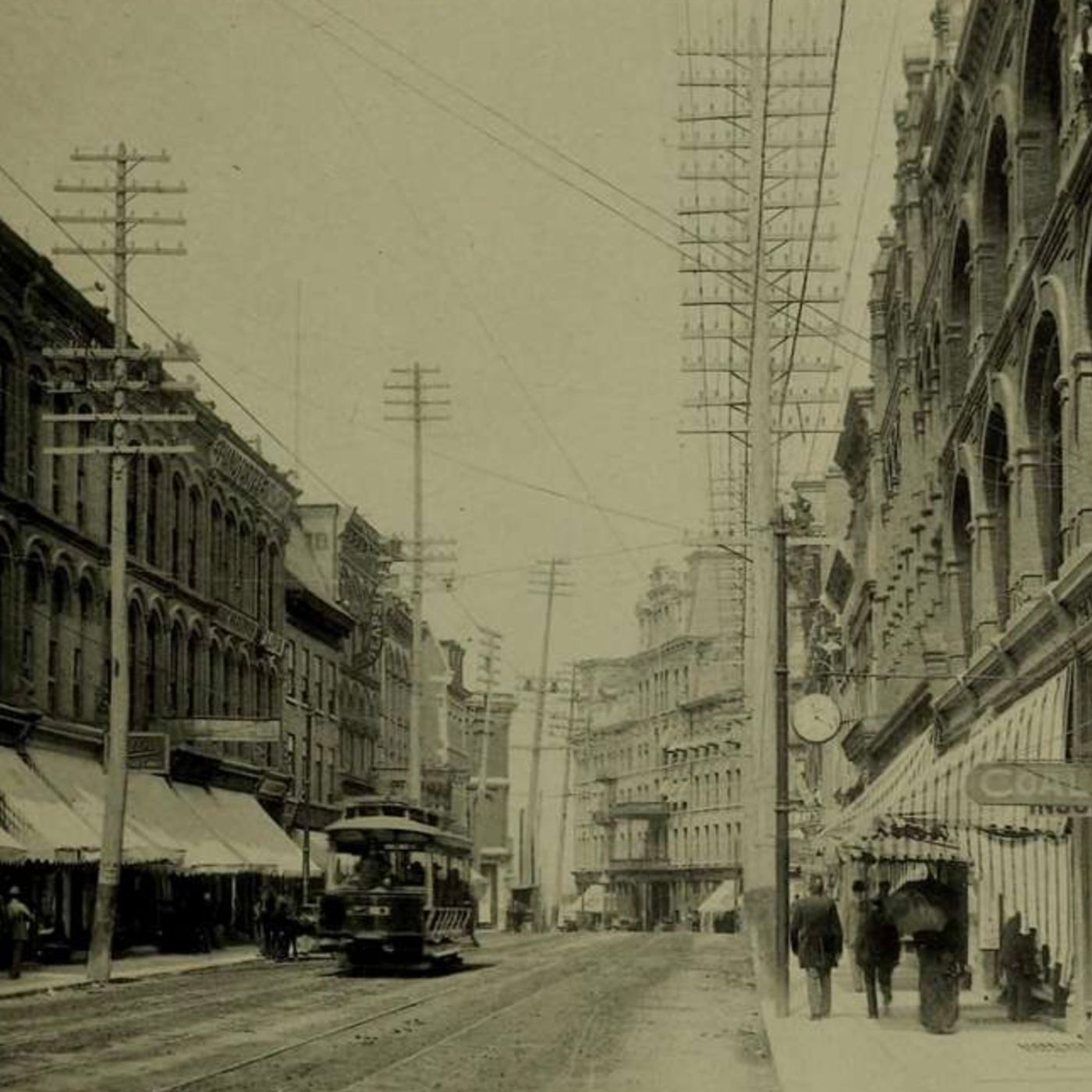
1900 OTTAWA Biographer Analyzes Legacies of Global Leaders Conrad Black evaluates the political legacies of Donald Trump, Benjamin Netanyahu, and Mark Carney. Trump, he argues, broke woke cultural orthodoxy while stimulating growth through border control and energy deregulation, and Netanyahu decisively defended Israeli security against existential threats, while Carney faces the challenge of reducing Canada’s reliance on the public sector for prosperity. (15)
2020 PUNTLAND Transnational Extremism Complicates Horn Foreign Operations — Part Two Caleb Weiss and Bill Roggio describe al-Shabaab as a potent transnational al-Qaeda affiliate seeking regional expansion and strikes on Western targets. Political infighting in Mogadishu and foreign interventions, including Turkish drone strikes against local political factions, complicate international counterterrorism strategy and deepen instability across the Horn of Africa. (14)
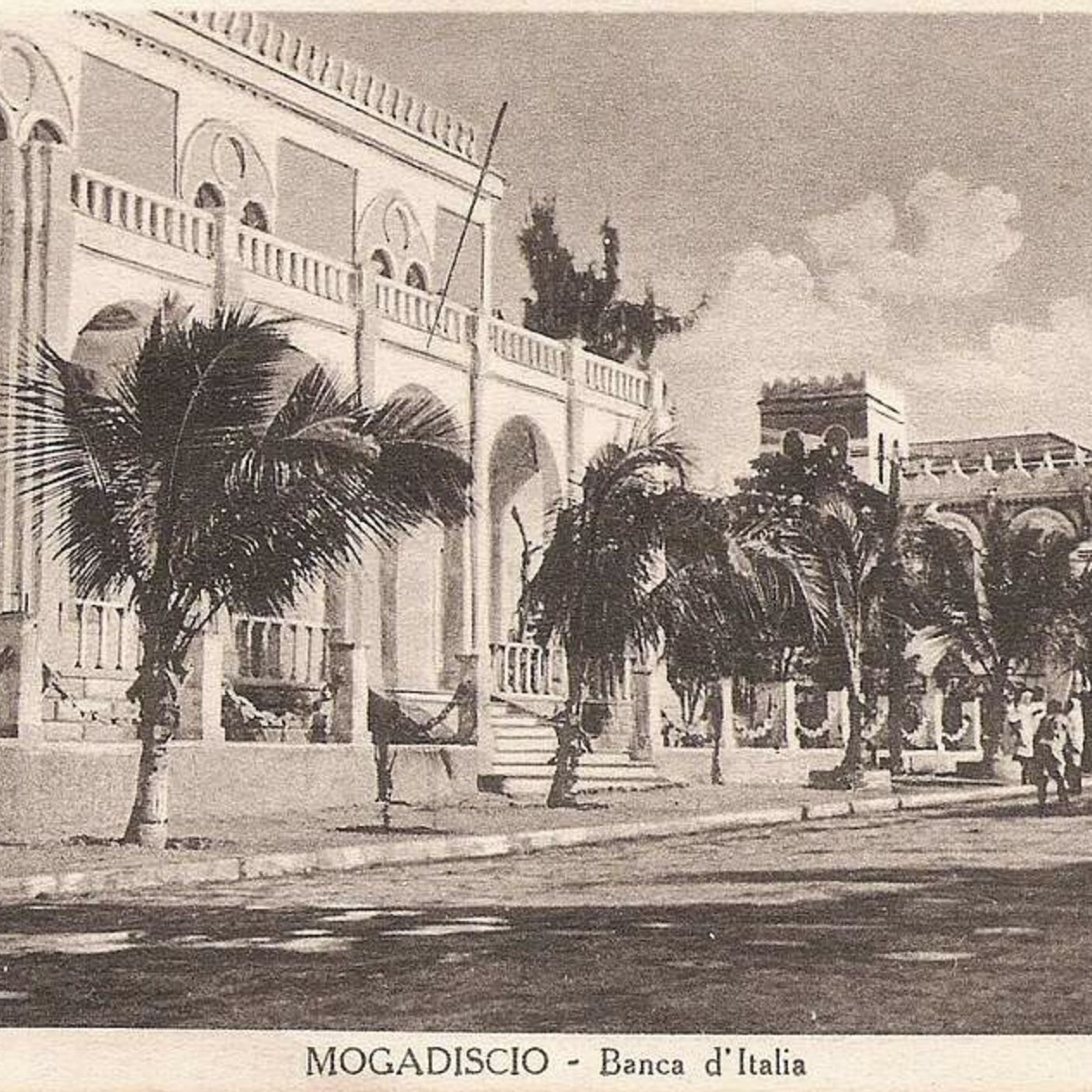
1950 BANK OF ITALY MOGADISHU, SOMALIA Ugandan Withdrawal Threatens Somali Security Stability — Part One Caleb Weiss and Bill Roggio discuss a major al-Shabaab attack that killed hundreds of troops in Lower Shabelle, underscoring security vulnerabilities in East Africa. Uganda’s announced withdrawal of peacekeepers after two decades leaves critical gaps around Mogadishu, while US forces maintain counterterrorism operations and Somali forces attempt to backfill positions. (13)
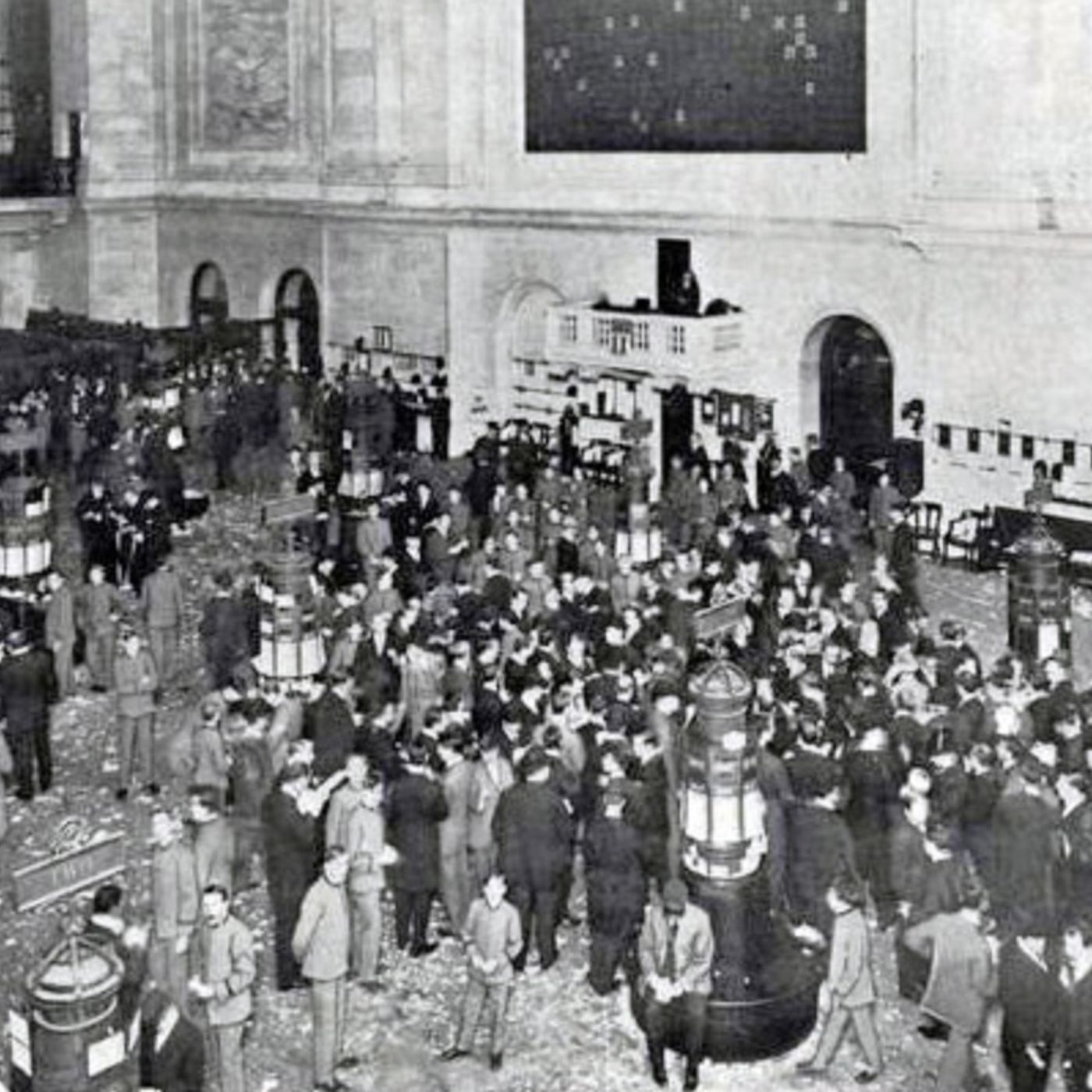
1908 NYSE Governance Vulnerabilities Expose Technology Security Risks — Part Two Joseph Sternberg argues that the controversy surrounding Nvidia’s executive leadership exposes significant governance deficits and foreign intelligence risks in high-tech sectors. As data center operations navigate export controls, inadequate board oversight and missing succession planning create structural risks, and regulatory policy must balance corporate governance standards with national security. (12)
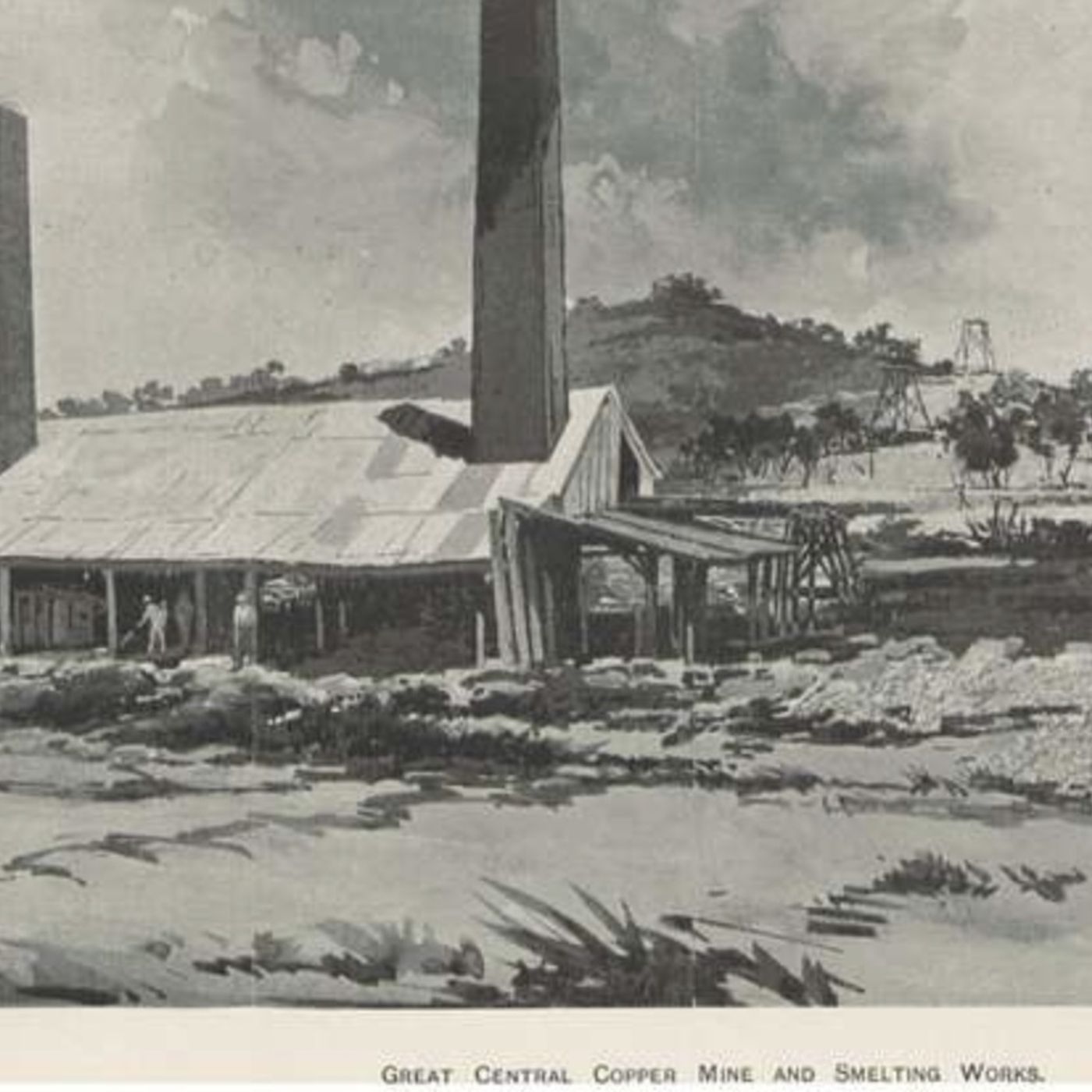
1899 COPPER MINING Voters Reject California Wealth Tax Proposal — Part One Joseph Sternberg explains how California voters defeated a proposed 5 percent wealth tax on billionaires, recognizing that capital mobility and departing taxpayers threaten broader state revenues. Taxing asset inflation faces strong public resistance and economic flaws, and with conventional capital tax hikes risking productivity losses, lawmakers face narrowing options, including spending cuts. (11)
1945 OKLAHOMA CITY Nuclear Powers Face Complex Global Summit — Part Two Mary Kissel assesses the upcoming summit of the leaders of the United States, Russia, and China, highlighting growing nuclear proliferation concerns and shifting power balances. While arms control transparency remains vital, adversaries use such meetings for propaganda and strategic advantage, and addressing regional proxy conflicts requires clear public communication and cohesive national strategy. (10)
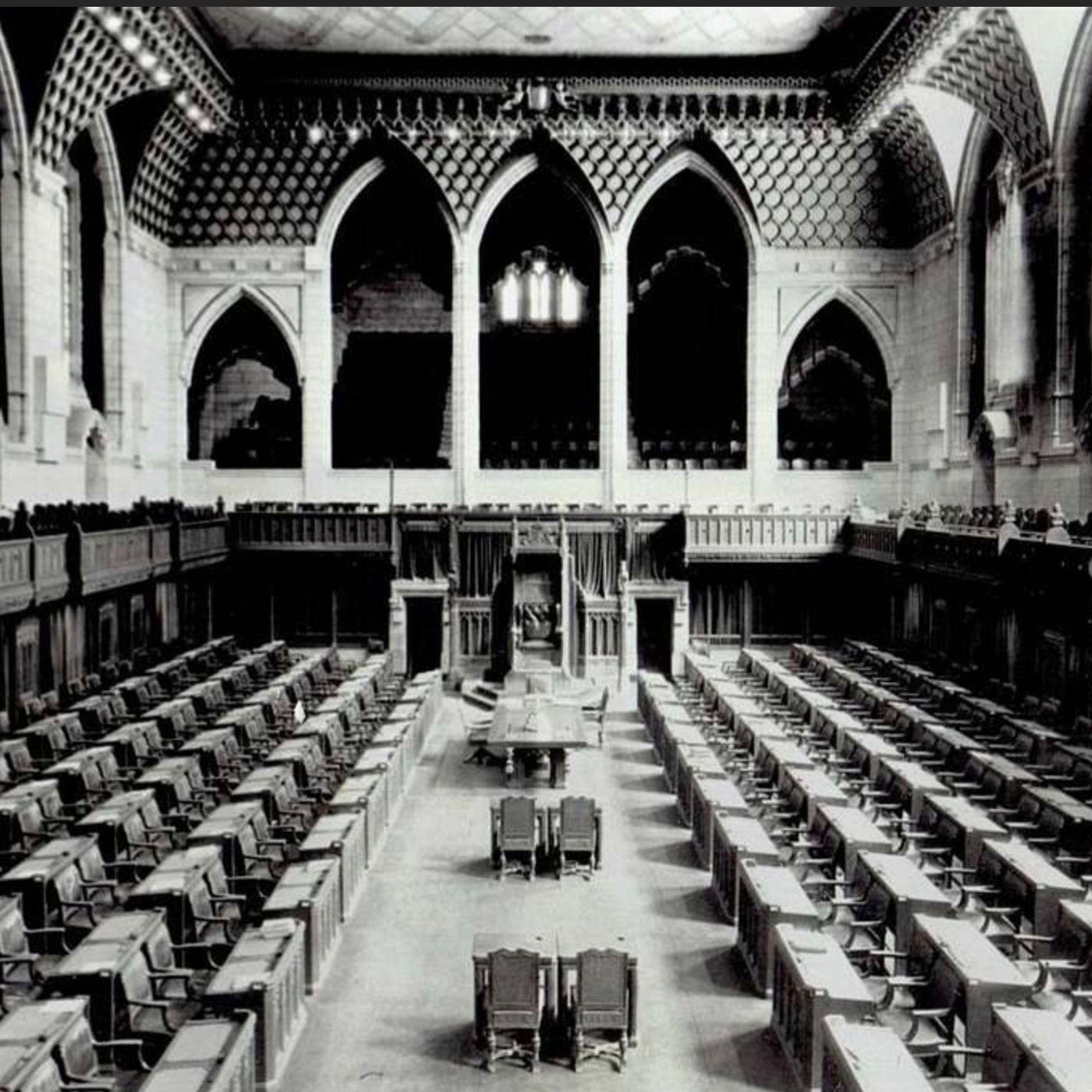
1932 COMMONS OTTAWA Personal Envoys Reshape Modern American Diplomacy — Part One Mary Kissel examines presidential reliance on personal emissaries rather than career Foreign Service officers, reflecting a preference for business-style negotiation. While non-traditional approaches produced breakthroughs like the Abraham Accords, she argues that effective foreign policy requires institutional coordination, and that inexperienced envoys struggle against entrenched adversaries like Russia over Ukraine. (9)
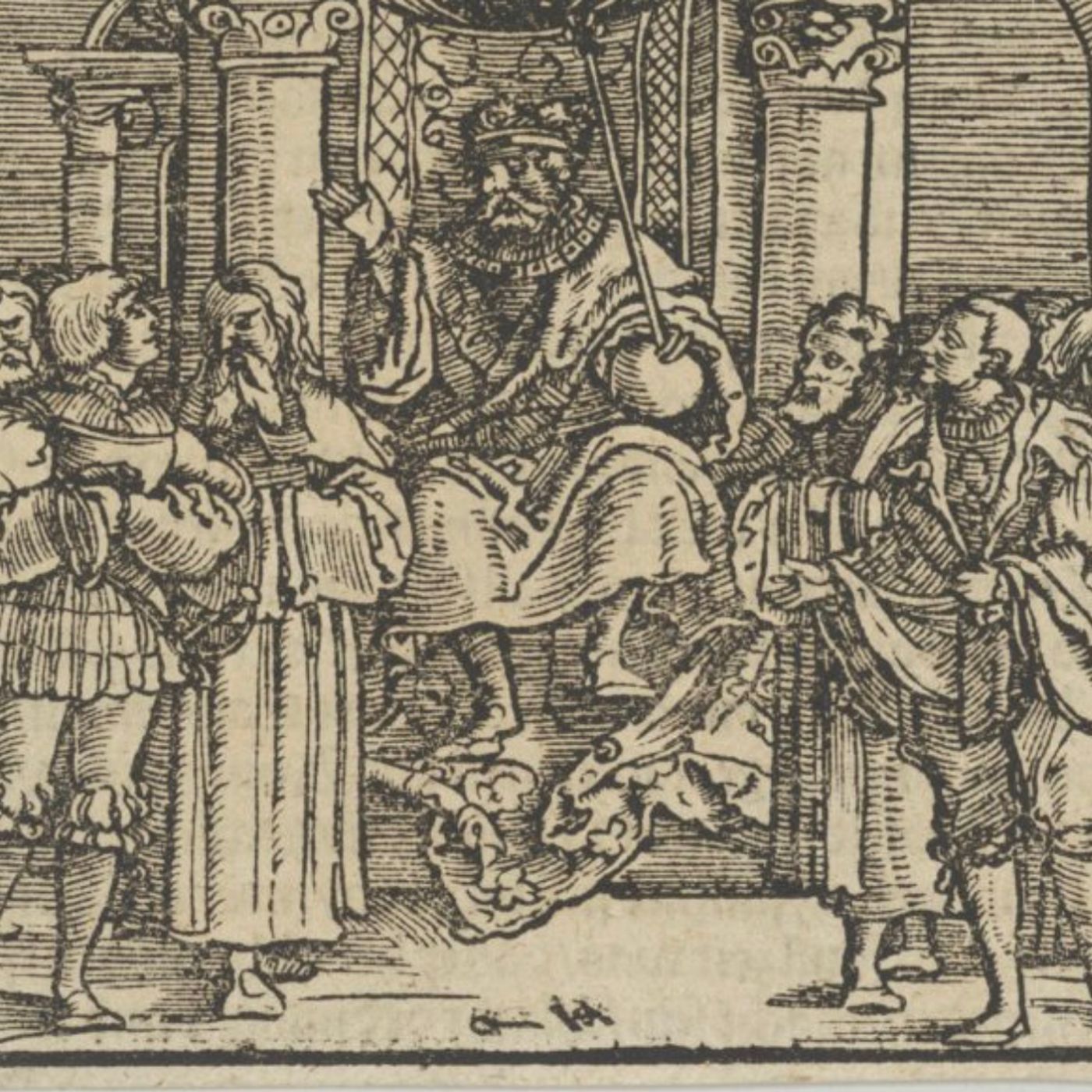
ARCHIDAMAS KING OF SPARTA - THUCYDIDES King Charles Emphasizes Faith and Unity — Part Four Gregory Copley describes how King Charles III emphasizes Christian values, compassion, and religious inclusion to foster cohesion across a diverse Britain and the Commonwealth. Navigating societal shifts and challenges to the monarchy, his reign seeks to bridge cultural divisions while preparing Prince William for a modernizing constitutional role. (8)
1932 Nonkinetic Strategies Redefine Modern Global Conflict — Part Three Gregory Copley argues that the traditional rules-based international order is giving way to decentralized state self-interest and balance-of-power dynamics. Modern conflict increasingly relies on non-kinetic strategies, including economic pressure, cyber operations, and psychological tactics, as nations navigate fluid alliances and global institutions struggle to maintain stability. (7)
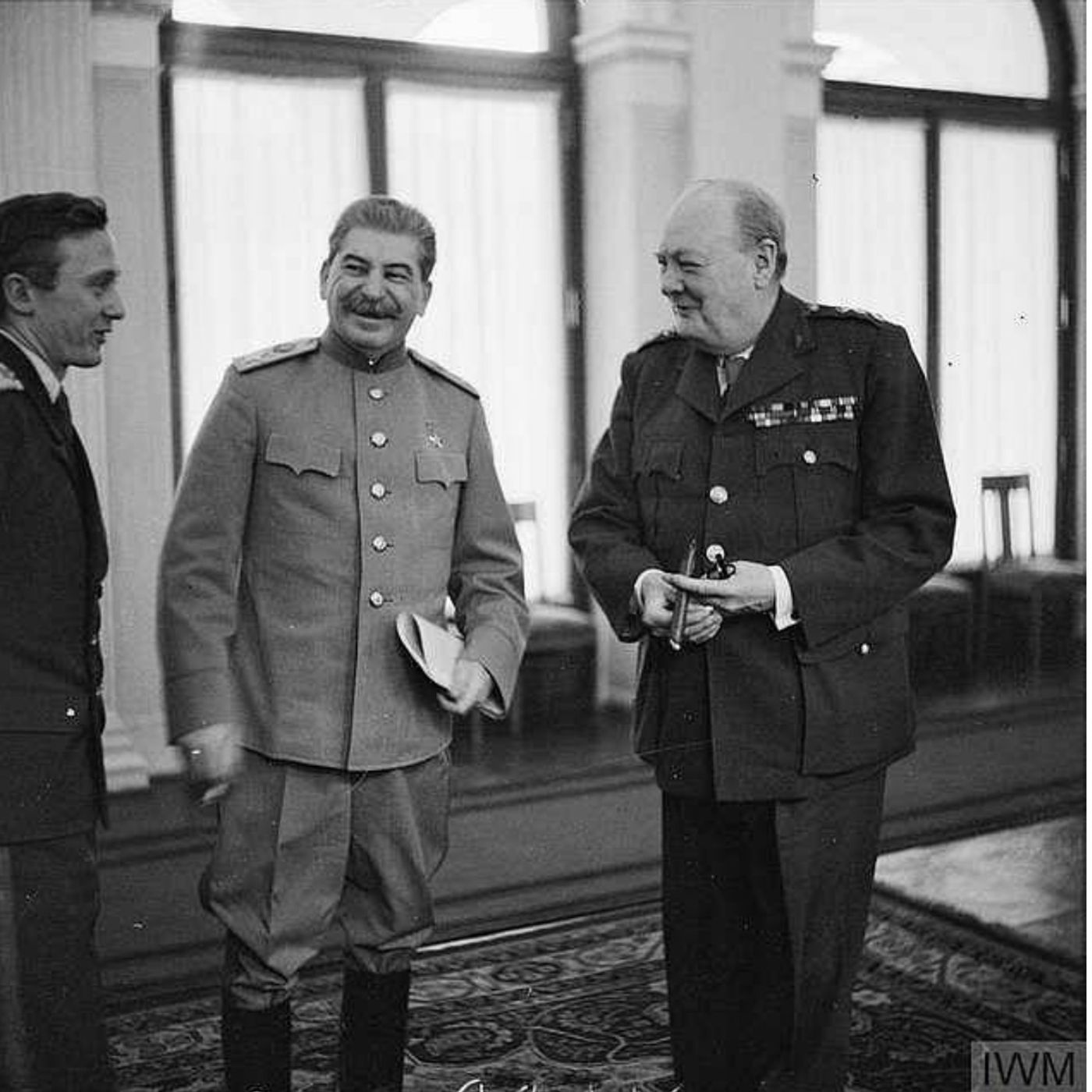
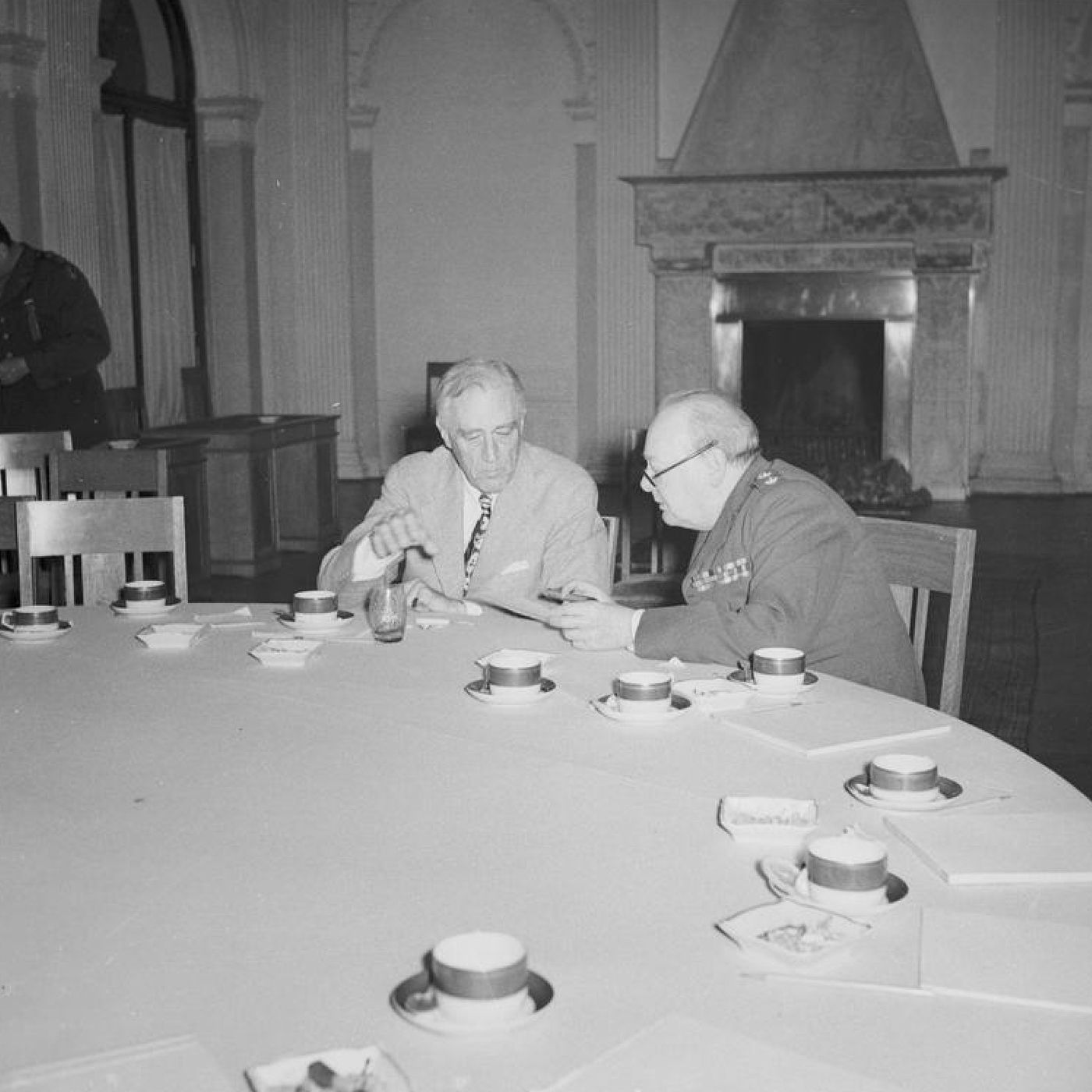
1945 STALIN AND CHURCHILL Gregory Copley contrasts the coming summit in Shenzhen of American, Russian, and Chinese leaders with historic wartime alliances. Facing domestic economic fragility, political pressure, and strategic rivalry, the three powers project stability without substantive diplomatic consensus, revealing transactional relations rather than a unified global vision. (6)
1945 YALTA FDR AND CHURCHILL Historical Yalta Conference Shaped Postwar Order — Part One Gregory Copley revisits the 1945 Yalta Conference, where Franklin Roosevelt, Winston Churchill, and Joseph Stalindetermined the postwar global structure. Amid shifting ambitions and mutual distrust, the Western leaders conceded Eastern Europe and Poland to Soviet influence, establishing divisions across Europe that lasted long after World War II. (5)
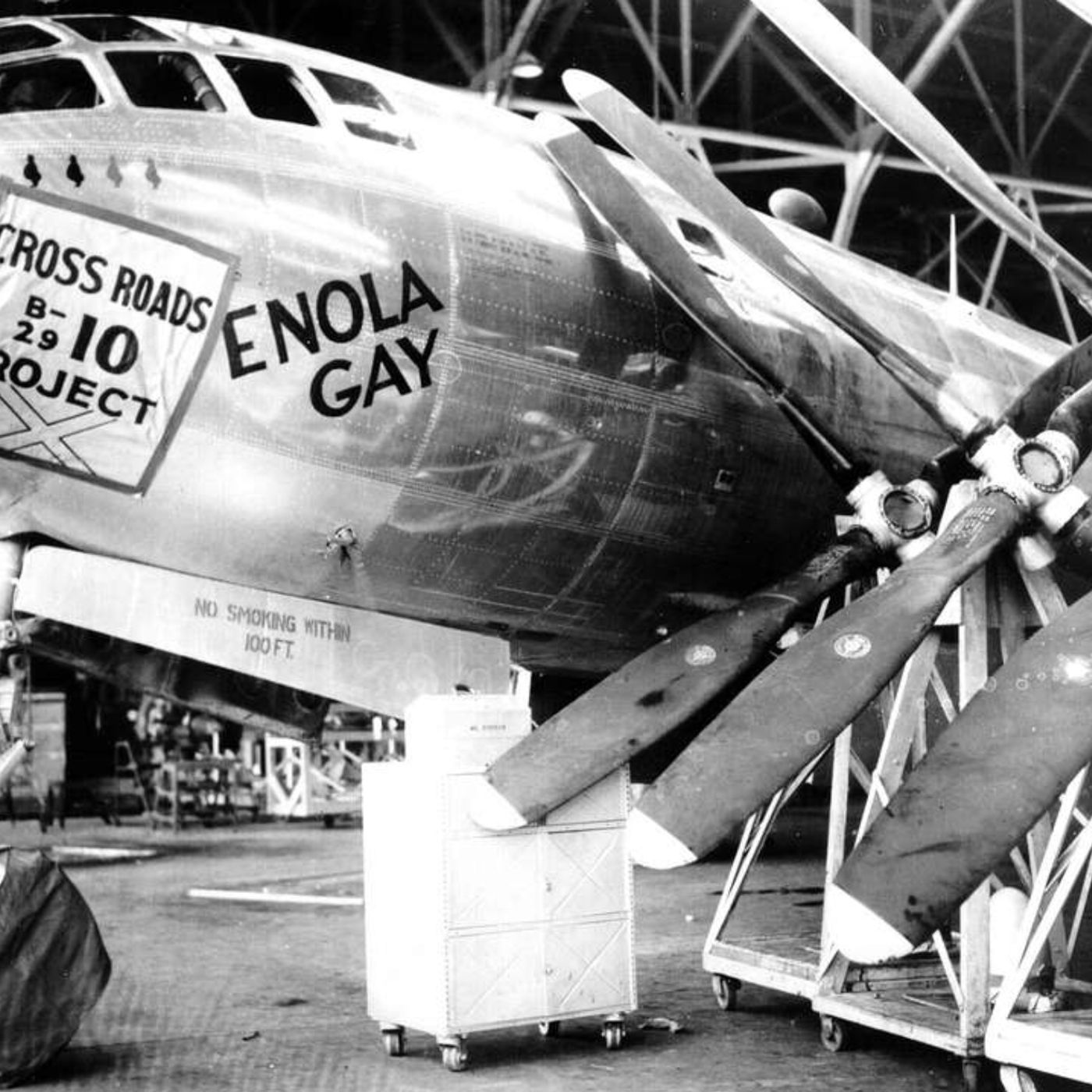
1969 APOLLO 10 Lunar Competition Advances Commercial Moon Missions — Part Two Doug Messier describes accelerating lunar exploration amid growing competition between NASA and China’s space program. Military agencies are exploring lunar orbiters for surveillance and communication, while commercial ventures like Japan’s ispace advance lander designs under NASA’s CLPS program. Despite mixed robotic mission outcomes, long-term Artemis ambitions focus on building infrastructure. (4)
19531 Vulcan Rocket Failure Highlights Engine Challenges — Part One Doug Messier explains that United Launch Alliance’s Vulcan Centaur failed to place Amazon Leo satellites into orbit because of first-stage BE-4 engine underperformance. Built by Blue Origin, the BE-4 faces scrutiny after past valve issues and test-stand explosions, and the setback threatens upcoming lunar landing schedules. (3)
1901=3 BWAUMONT TEXAS Liz Peek reports that global oil markets are stabilizing as Middle East export volumes rise despite ongoing maritime friction and transit security challenges. Falling crude and gasoline prices are easing consumer pressure and shifting Federal Reserve interest rate expectations, while strong labor conditions and steady wage growth support an optimistic holiday spending outlook. (2)
december 1963 Strong Economy Navigates Artificial Intelligence Dynamics — Part One Liz Peek argues that American economic fundamentals remain robust, supported by strong consumer spending, low unemployment, and rising after-tax wages across income groups. Although stock market volatility and rapid artificial intelligence investment create uncertainty, consumer confidence persists, and despite partisan debates and proposed regulatory spending plans, productivity gains from technology adoption continue to drive growth. (1)
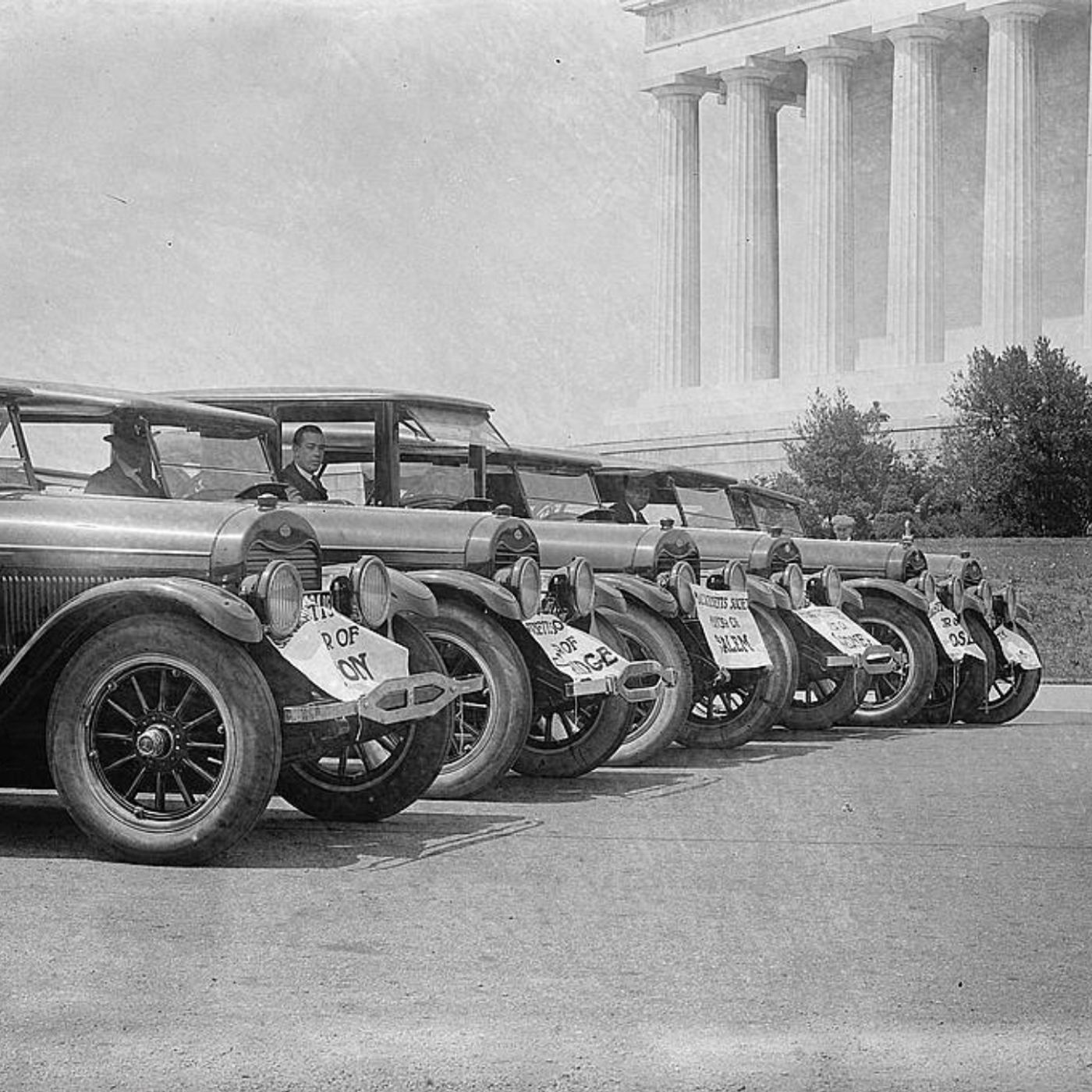
1920 FORD MOTOR COMPANY The provided sources feature a conversation between John and Jim regarding the historical patterns of economic booms and busts. The speakers analyze previous market crashes, such as the dotcom bust of 2000 and the 1987 stock market crash, drawing comparisons to the current artificial intelligence and data center speculation. They discuss how speculative bubbles often attract uninformed retail investors—referred to as sheep—before ultimately triggering corrections, tighter regulations, or severe recessions. Furthermore, the discussion touches upon modern economic anomalies like the wealth effect, where household stock holdings exceed housing values, and how local communities are increasingly pushing back against the disruptive infrastructure demands of data centers.
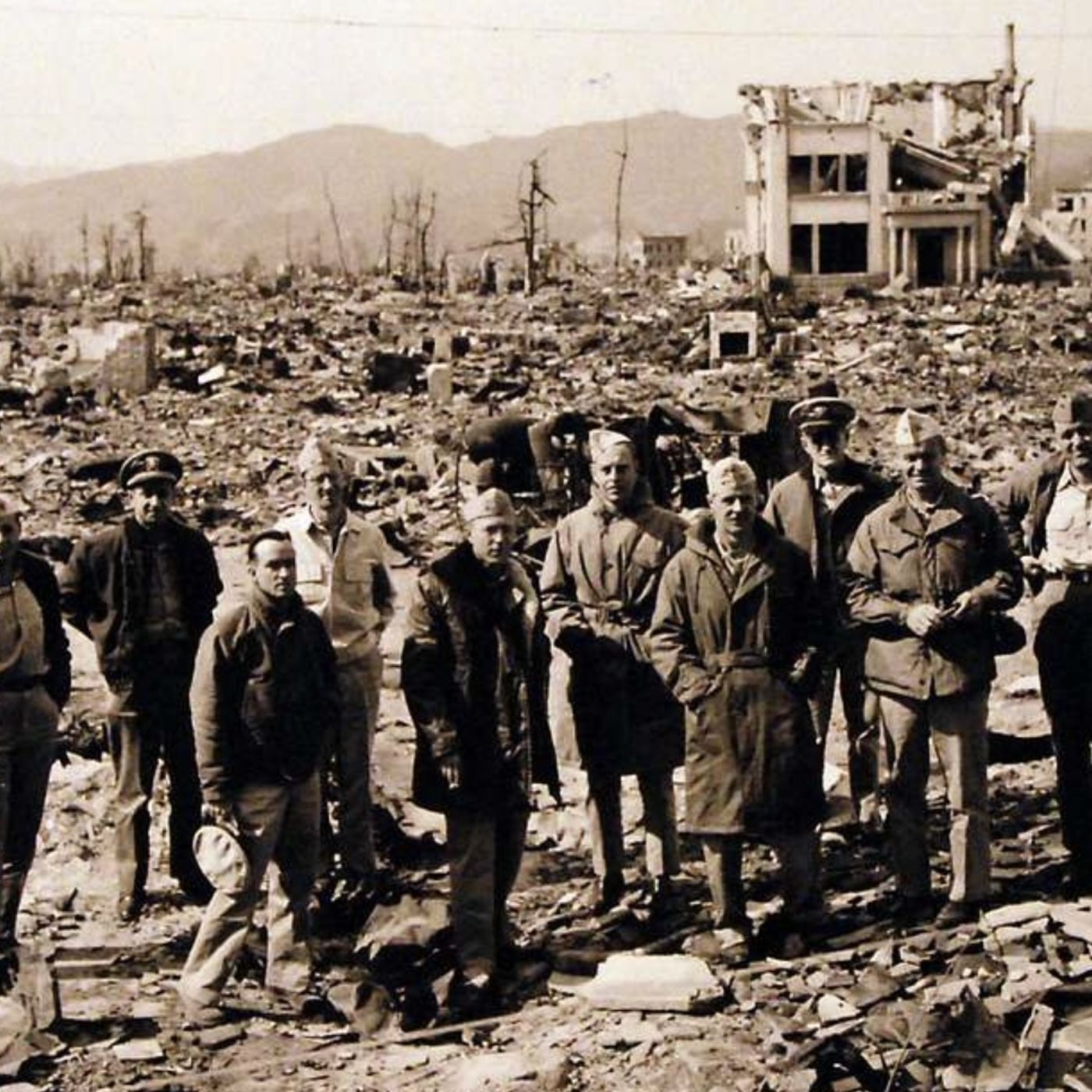
1945 HIROSHIMA CONTENTS JOHN BATCHELOR SHOW 11-16-2026 Israeli Coalition Talks and Regional Turmoil Malcolm Hoenlein examines complex Israeli coalition negotiations following the recent elections, noting how Gadi Eisenkot seeks support to build a governing majority while Benjamin Netanyahu pushes for a broad unity government. The conversation also details escalating Houthi advances toward Aden in Yemen and rising security vulnerabilities across Bahrain. (1) Lebanese Security Paralysis and Horn Tensions Malcolm Hoenlein analyzes the structural paralysis within Lebanon's leadership over disarming Hezbollah and securing weapons caches near the Litani River. The discussion further explores escalating tensions in the Horn of Africainvolving Ethiopia and Sudan, alongside anti-Israel curricula in Syria that promote hostility and religious martyrdom among youth. (2) US China Trade Disputes and Tariffs Alan Tonelson and Gordon Chang evaluate volatile US-China economic relations amid disclosures
1955 NEVADA Modern Theater Nuclear Imbalance Vulnerability Gap Peter Huessy warns of a modern theater nuclear gap between Western powers and Russia, noting Moscow’s vast stockpile of battlefield nuclear weapons. He explains how this imbalance allows Russia to employ nuclear coercion, leaving Ukraine and NATO allies vulnerable, and urges Western leaders to restore credible deterrence. (16)