CONTENTS JOHN BATCHELOR SHOW 11-16-2026
Listen through the publisher, then discuss the episode here or arrange an in-person Roundtable. Your city determines where to meet.
Roundtables are designed for groups of four, with a shared subject and room for everyone to speak. Come for discussion, with no dating expectation.
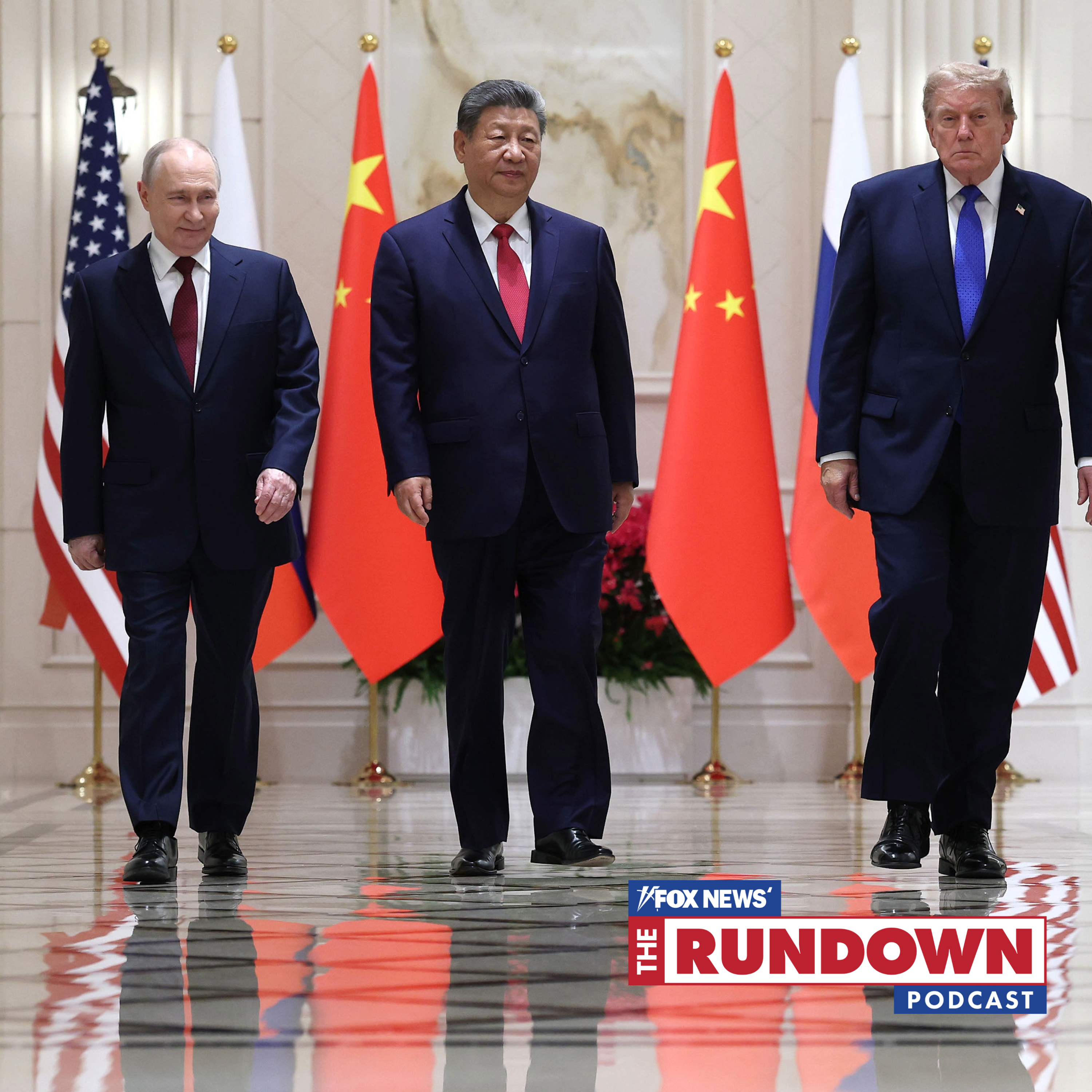
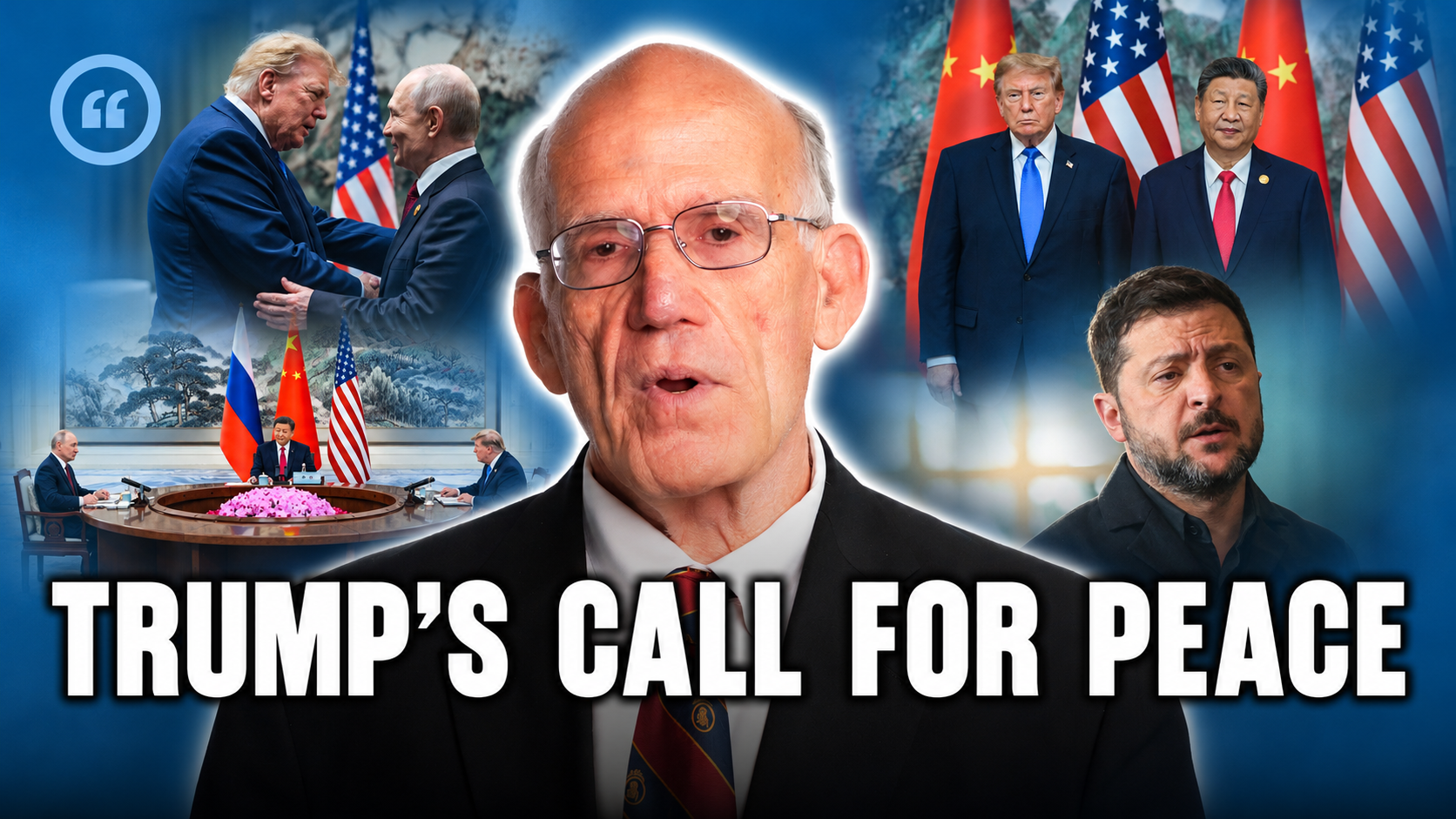
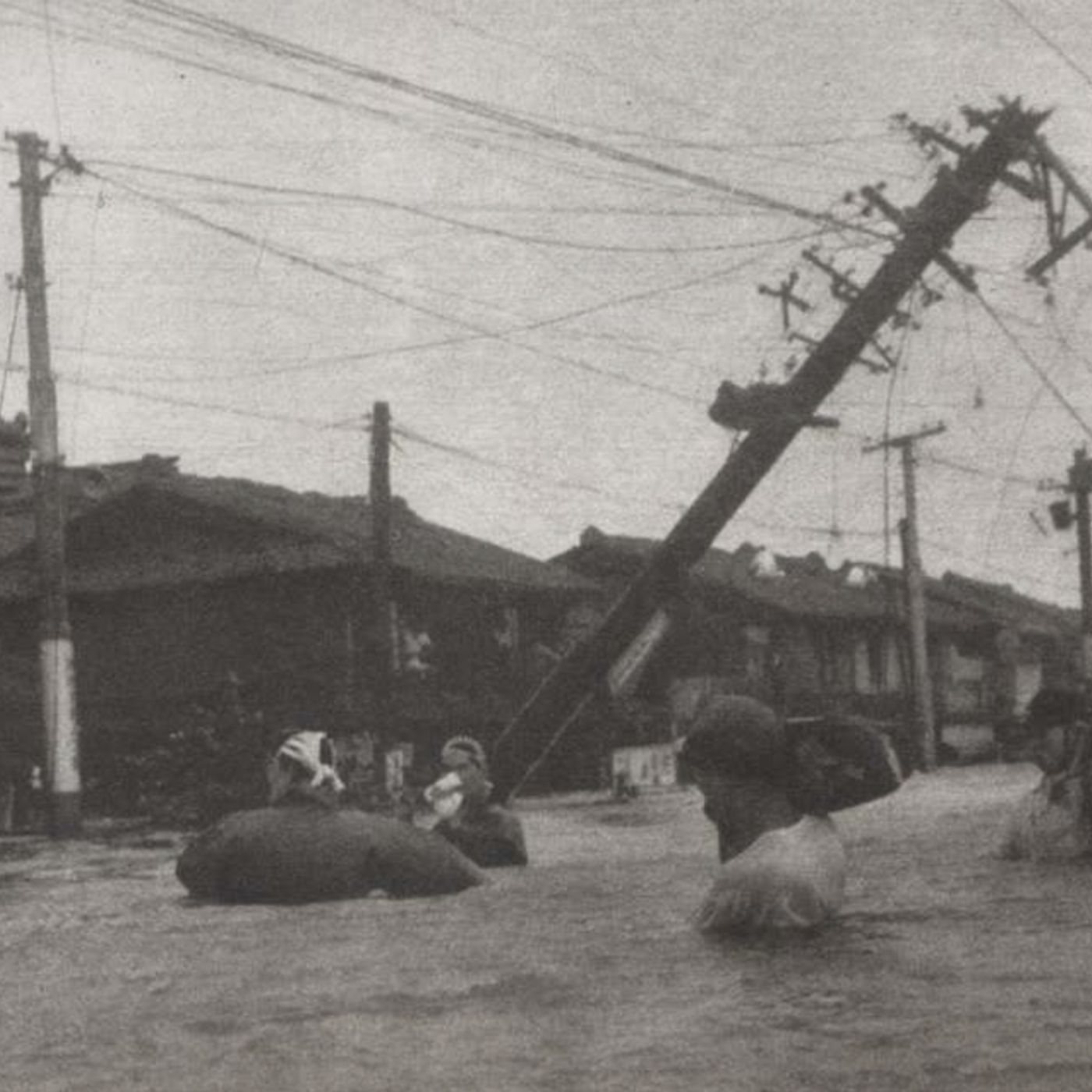
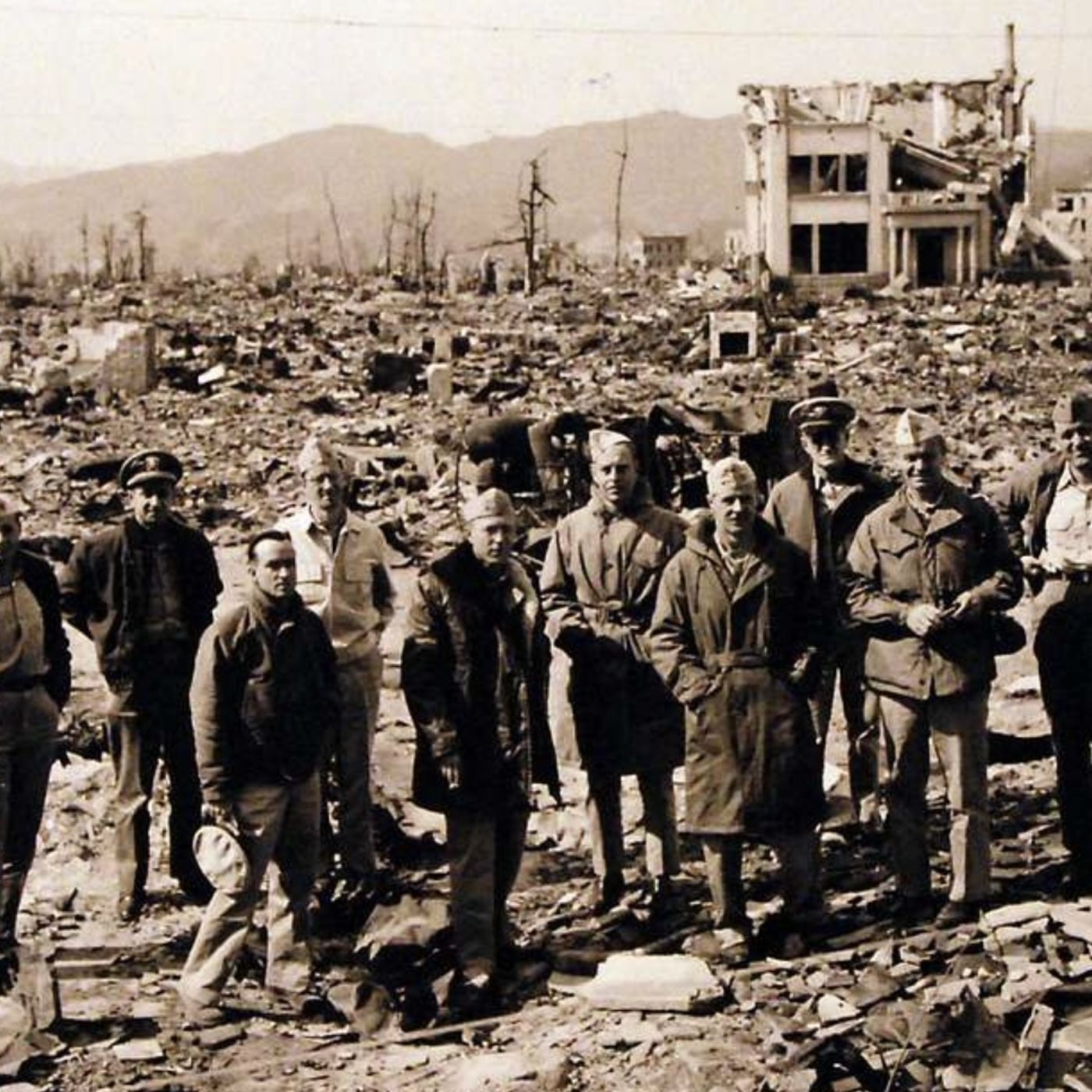
1945 HIROSHIMA CONTENTS JOHN BATCHELOR SHOW 11-16-2026 Israeli Coalition Talks and Regional Turmoil Malcolm Hoenlein examines complex Israeli coalition negotiations following the recent elections, noting how Gadi Eisenkot seeks support to build a governing majority while Benjamin Netanyahu pushes for a broad unity government. The conversation also details escalating Houthi advances toward Aden in Yemen and rising security vulnerabilities across Bahrain. (1) Lebanese Security Paralysis and Horn Tensions Malcolm Hoenlein analyzes the structural paralysis within Lebanon's leadership over disarming Hezbollah and securing weapons caches near the Litani River. The discussion further explores escalating tensions in the Horn of Africainvolving Ethiopia and Sudan, alongside anti-Israel curricula in Syria that promote hostility and religious martyrdom among youth. (2) US China Trade Disputes and Tariffs Alan Tonelson and Gordon Chang evaluate volatile US-China economic relations amid disclosures surrounding Nvidiasemiconductor smuggling allegations. They critique poorly timed diplomatic meetings while assessing China's dominance over critical rare earth minerals, unfulfilled Chinese agricultural purchase commitments, and ongoing administration tariff debates over strategic trade leverage. (3) China Property Collapse and Structural Reforms Andrew Collier and Gordon Chang discuss China's severe real estate crisis, noting sharp declines in property investment and vast unoccupied housing developments. They explain President Xi Jinping's reluctance to enact structural economic reforms, preferring state-directed lending into high-technology sectors, and advise Washington to leverage these domestic vulnerabilities. (4 )Big Three Summit Comparison to Yalta Bill Roggio and Edmund Fitton-Brown evaluate the prospective summit between the American, Russian, and Chinese leaders, comparing it to the 1945 Yalta Conference. They argue that, unlike Allied cooperation against common adversaries in World War II, today's geopolitical rivalries and deep ideological divides will prevent meaningful diplomatic breakthroughs. (5) Middle East Battlefronts and Volatile Stalemates Bill Roggio and Edmund Fitton-Brown analyze interconnected Middle Eastern battlefronts spanning Israel, Lebanon, Yemen, and the Persian Gulf. They highlight how tactical Israeli successes against Hezbollah and American maritime strength contrast with Houthi advances in Yemen, concluding that these conflicts remain locked in a volatile, enduring stalemate. (6) European Allies Evaluate Iranian Standoff Dynamics Bill Roggio and Edmund Fitton-Brown assess European anxieties over potential American policy shifts toward Russiaand Iran. They examine Israel's strategic constraints in attempting to dismantle Iran's proxy network, noting that temporary tactical damage cannot eliminate the broader threat without sustained, holistic international counterpressure. (7) Israeli Politics Maneuvering and Gaza Strikes Samuel Ben-Ur, Bill Roggio, and Edmund Fitton-Brown detail complex Israeli coalition building between Gadi Eisenkot and Benjamin Netanyahu. They also examine targeted IDF strikes against senior Hamas commanders inside Gaza hospital infrastructure, alongside allegations of election interference involving members of the Ra'am party. (8) Pope Pastoral Visit and Amazon Damage Alejandro Peña Esclusa describes Pope Leo XIV's pastoral visit across South America, emphasizing his spiritual engagement with millions. The conversation contrasts the papal tour with severe environmental damage in the Amazonrainforest, where illegal gold mining and government corruption continue to poison vital waterways and destroy local ecosystems. (9) Venezuela Regime Fractures and Democratic Transition Alejandro Peña Esclusa reports on political developments in Venezuela, highlighting rifts between civilian and military leadership. He explains how dwindling regime control, widespread protests, and international pressure are paving the way for anticipated democratic elections, while noting the extensive investment required to rebuild the nation's ruined infrastructure. (10) Baluch Insurgency Operations and Iranian Influence Janatyn Sayeh and Bill Roggio examine the evolving tactics of Baluch separatists targeting Iranian security forces through precise intelligence and targeted assassinations. They discuss potential financial backing from Saudi Arabia and Israel, alongside the strategic risks facing the US Fifth Fleet headquarters in nearby Bahrain. (11) Ukraine Drone Warfare and Infrastructure Bombardments John Hardie and Bill Roggio analyze the attritional war between Russia and Ukraine, detailing ongoing drone bombardments of Ukrainian energy and water infrastructure. They observe that despite winter hardships and air defense shortages, neither side is likely to accept territorial compromise, pointing toward eventual exhaustion rather than a negotiated settlement. (12) Houthi Military Advances Toward Aden Stronghold Bridget Toomey and Bill Roggio review advancing Houthi forces in Yemen, detailing how the rebels seized the Red Seacoastline and pushed toward Aden. They discuss the pressure on Yemen's internationally recognized government, leadership changes in Saudi Arabia's military, and Houthi efforts to claim regional Islamic legitimacy. (13) Iraqi Government Standoff with Iran Militias Bridget Toomey and Bill Roggio analyze political and military friction in Iraq, focusing on Prime Minister Zaid's efforts to curb powerful Iran-backed militias like Kata'ib Hezbollah. They examine the risks of financial sanctions, militia intimidation, and potential kinetic clashes that could trigger wider domestic conflict. (14) Cold War Missile Deployments and Deterrence Peter Huessy reviews Cold War nuclear strategy, detailing the 1983 deployment of Pershing II missiles to West Germany to counter Soviet SS-20 intermediate-range missiles. He highlights how President Ronald Reagan navigated intense public protests and intelligence debates to establish credible deterrence and force arms negotiations with Moscow. (15) Modern Theater Nuclear Imbalance Vulnerability Gap Peter Huessy warns of a modern theater nuclear gap between Western powers and Russia, noting Moscow's vast stockpile of battlefield nuclear weapons. He explains how this imbalance allows Russia to employ nuclear coercion, leaving Ukraine and NATO allies vulnerable, and urges Western leaders to restore credible deterrence. (16)
Episode information is provided by the publisher. Listening takes place on the publisher’s service.
Listen at the source ↗