English-language podcasts

The John Batchelor Show

NOT YALTA 2026 Modern Summit Reflects Fragmented Global Leadership — Part Two GREGORY COPLEY 2 111726
8 min

Listen through the publisher, then discuss the episode here or arrange an in-person Roundtable. Your city determines where to meet.

Roundtables are designed for groups of four, with a shared subject and room for everyone to speak. Come for discussion, with no dating expectation.

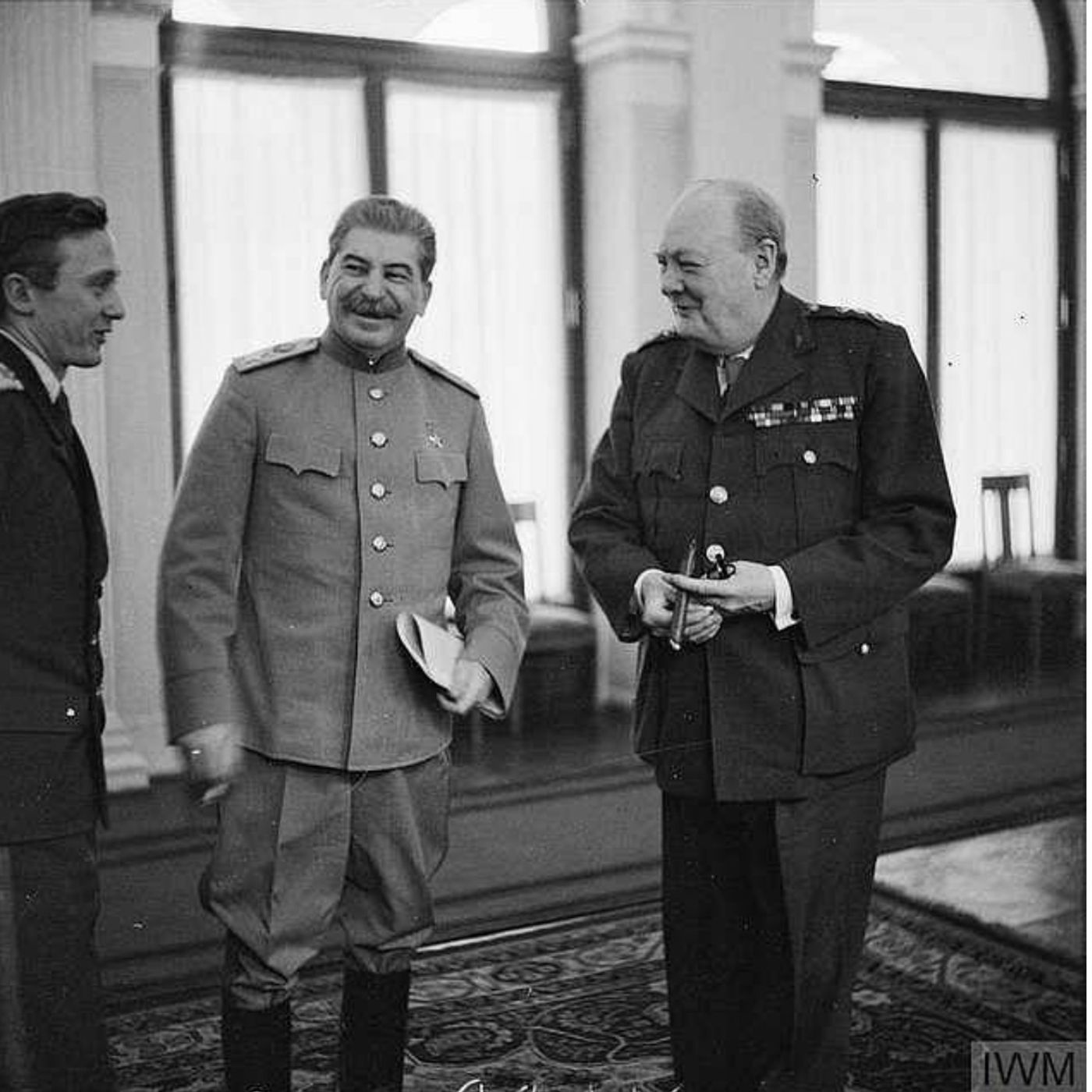
1945 STALIN AND CHURCHILL Gregory Copley contrasts the coming summit in Shenzhen of American, Russian, and Chinese leaders with historic wartime alliances. Facing domestic economic fragility, political pressure, and strategic rivalry, the three powers project stability without substantive diplomatic consensus, revealing transactional relations rather than a unified global vision. (6)

Episode information is provided by the publisher. Listening takes place on the publisher’s service.

Listen at the source ↗

Featured places to meet in Palo Alto, CA

Explore these places and arrange a conversation through ThinkMatch.

City guide for Palo Alto, CA

More from The John Batchelor Show

The John Batchelor Show

Floods Wash Snakes Downtown JEREMY-ZAKIS

9 min

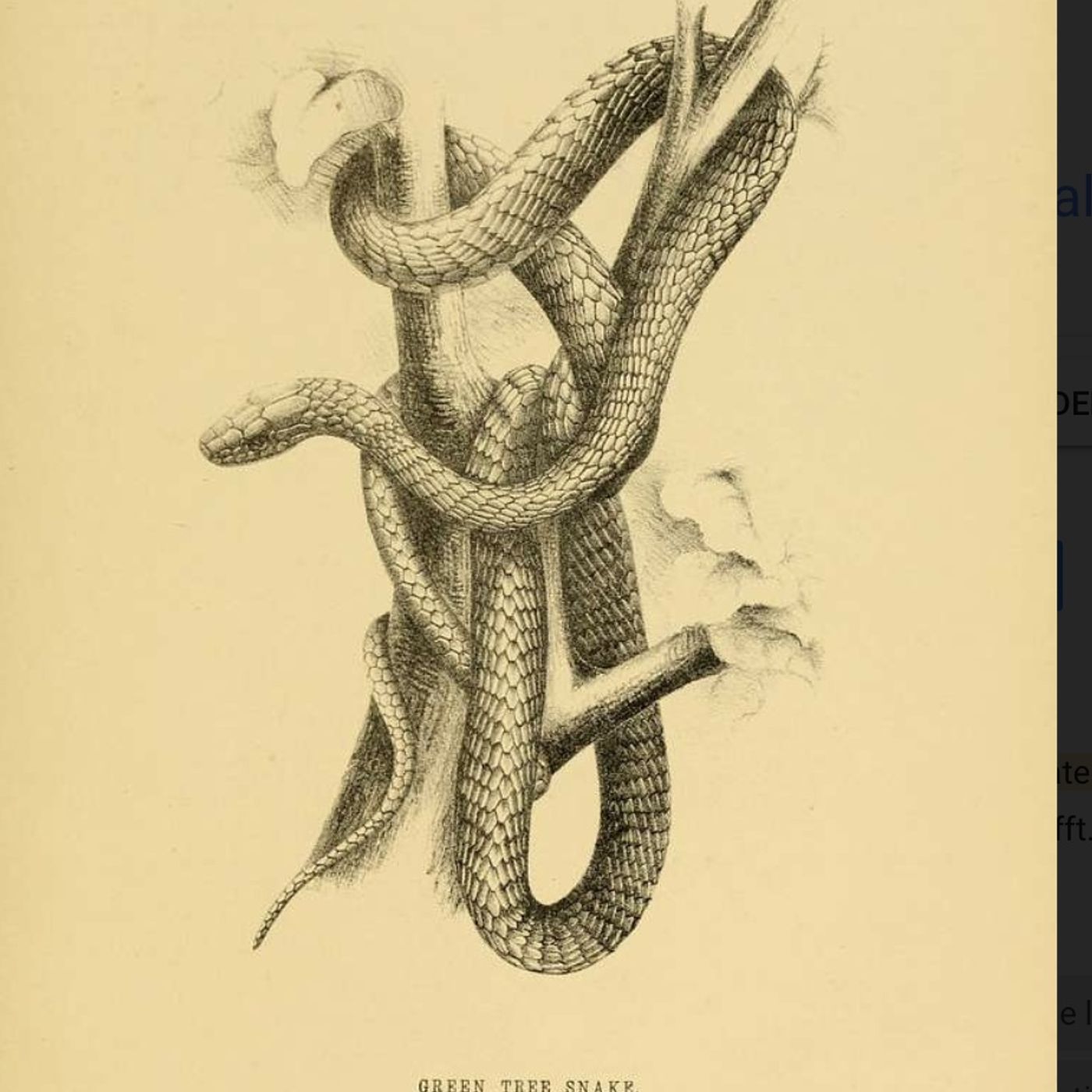
Floods Wash Snakes Downtown Jeremy Zakis explains the official warnings issued in Melbourne after floodwaters washed venomous snakes into the central business district. Snake catchers face surging demand and charge costly call-out fees, while unseasonable storms have disrupted local wildlife, leaving kangaroos hyperactive and erratic on the roads. (2)

Discuss this episode

Community Poll

Environmental monitoring data should be accessible to affected communities.

Share your view, then see how readers voted. No sign-in required. This poll is shared across stories.

Do you agree or disagree?

Choose one answer

Common Quandary

A Common Quandary to discuss

Another conversation to explore, separate from this news story.

Your family connection could get your child into their dream school. Do you use it?

A university argues that considering family ties builds loyalty and encourages donations that fund scholarships. Critics say the preference preserves inherited advantage and takes places from stronger applicants.

Can benefits to the whole institution justify an unequal admissions advantage?

Explore this quandary