NVIDIA Technological Ambition and Modern Corporate Hubris — Part Four ARTHUR HERMAN 4 111926
7 min
Listen through the publisher, then discuss the episode here or arrange an in-person Roundtable. Your city determines where to meet.
Roundtables are designed for groups of four, with a shared subject and room for everyone to speak. Come for discussion, with no dating expectation.
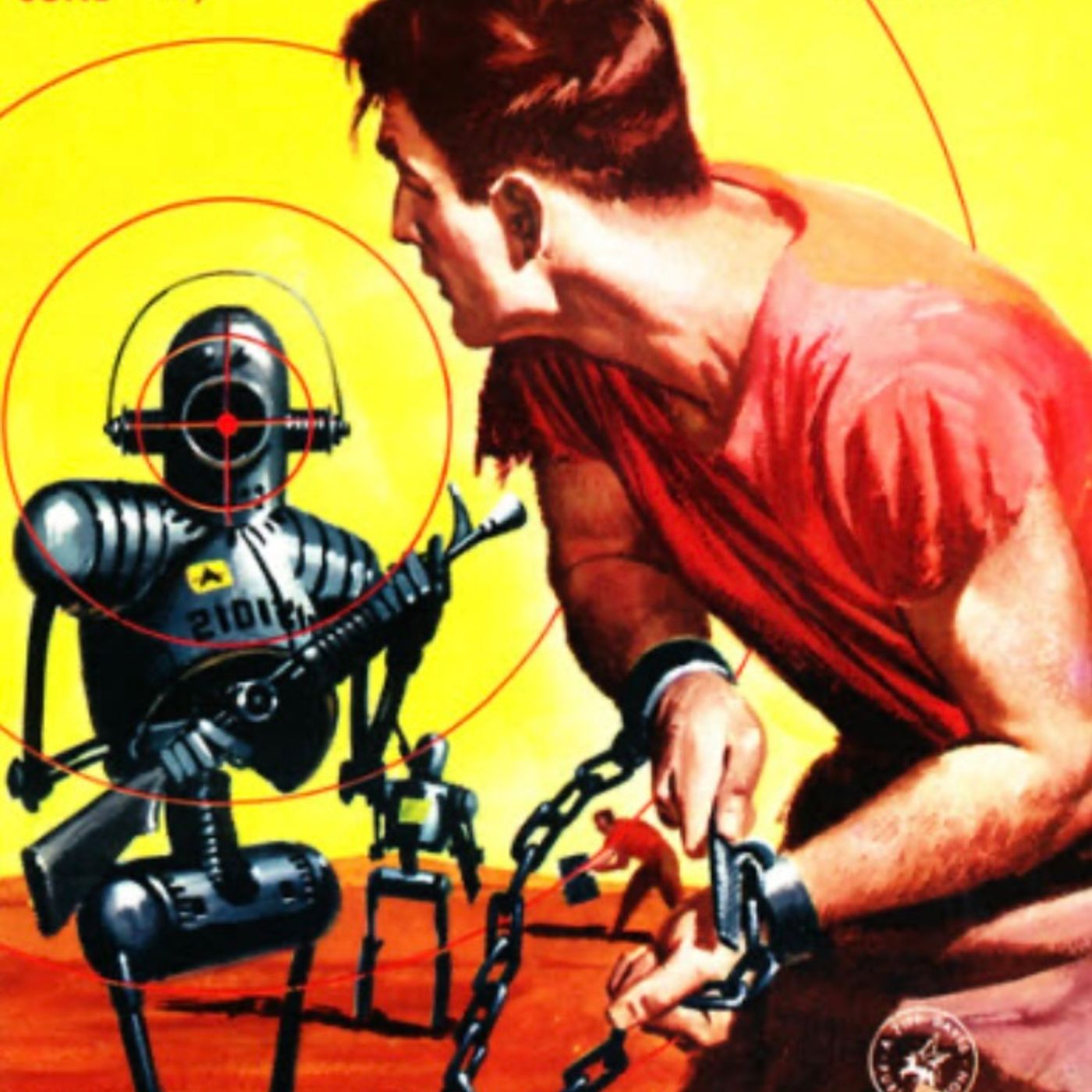
JUNE 1957 Technological Ambition and Modern Corporate Hubris — Part Four Arthur Herman, author of Founders’ Fire: From 1776 to the Age of Trump, examines Nvidia CEO Jensen Huang, connecting his AI hardware innovations to Robert Noyce’s pioneering silicon microchip. Drawing on Greek tragedy, Herman illustrates how extraordinary entrepreneurial success and media veneration can breed hubris, leading even visionary founders to miscalculate on fast-evolving technological frontiers. (8)
Episode information is provided by the publisher. Listening takes place on the publisher’s service.
November 21, 2026; 10am: The president’s coziness with tech oligarchs is muddying the waters of protecting America’s best interests. Congressman-elect Dan Koh expresses his concerns about the series of recent tech outages and how the administration is prioritizing beneficial relationships and cash over the safety of Americans and their cybersecurity; Lisa Rubin breaks down the obstacles ex-Nvidia CEO Jensen Huang can expect as legal inquiries come his way; Project 2025 may seem like a distant memory, but its policies are more present in this administration than you might think. David Graham outlines the consequences of the Heritage Foundation’s influence; Victor Fontanez is known on the internet as VicBlends, a viral haircutting sensation. But to many in the California prison system, he’s a mentor and hero, helping incarcerated men prepare for a career. Fontanez reflects on his impact. Hosted by Simplecast, an AdsWizz company.
One of the best Christian films that Glenn Beck has ever seen was written by… Ben Shapiro? Glenn speaks with Ben about his new film, “Confession,” starring Rob Lowe and James Franco, a gritty drama about a prisoner in Stalin’s USSR. They discuss why Ben wanted to tell this story, why it feels very different from your standard Christian film, and what it may signal about Hollywood, which is snubbing it. Glenn also gets Ben’s thoughts on why antisemitism has become so popular on both the left and right, as well as what it truly means to be a man. Plus, Ben gives his rapid-fire takes on this week’s biggest news stories: the release of GTA VI, the outages, Jensen Huang and Nvidia, Robert Pattinson’s casting as James Bond, the midterms, the next leaders of the Republican and Democratic parties, data centers in space, how Joe Rogan became a right-wing icon, and whether woke is coming back. Glenn’s Sponsors: PreBorn: This Christmas, you can sponsor an ultrasound and help save a baby’s life fo
Hey everybody, Tom Bilyeu here. On today’s episode of Impact Theory, we’re taking on a topic that’s got the whole world holding its breath: the escalating crisis between the United States and Iran. As tensions ratchet up, we’re asking the tough questions—how did we get stuck in this “escalation trap,” and what does it mean for America’s global leverage, our economy, and our very sense of security? The conversation focused on why the traditional idea of “strategy” might be failing policymakers, using powerful analogies—like chess versus roulette—to show how doubling down in conflict can spiral out of control. We’ll break down the risks of tactical “wins” that create even bigger crises, the real leverage Iran holds with control of the Strait of Hormuz, and the mounting pressure on President Trump as political support erodes and legacy hangs in the balance. A key theme that emerged is what happens when military might runs into decentralized opposition, and why high-stakes gambles—like the
Instant Access to your FREE training course: https://nci.university (https://nci.university/) Uploaded 27-07-25 This is the simulation you already live inside of—and you’ve been breathing it like oxygen since the day you were born. In this video, we expose the invisible machinery beneath modern life—how symbols have replaced truth, how marketing has replaced meaning, and how our desires are manufactured by the very system that feeds on them. Drawing from the work of Jean Baudrillard and the hidden mechanisms of simulacra, we walk you through 10 real-life “glitches” that reveal the truth: • Why your food is rendered, not real • How social media replaced memory • Why you take photos of things you never actually see • And why even your “rebellion” is likely pre-approved This isn’t a conspiracy. It’s a mirror. And once you see it, you can’t unsee it. simulation theory, simulated reality, Baudrillard simulation, are we in a simulation, hyperreality explained, social media illusion, digital
Tonight on America At Night with McGraw Milhaven, we explore the legacy of humanity's journey into interstellar space, the cultural phenomenon surrounding one of gaming's most anticipated releases, and the lessons behind a legendary broadcasting career. Ann Druyan, co-creator of Cosmos, Creative Director of the Voyager Interstellar Messaging Project, and widow of Carl Sagan, joins us for Part 2 of our Voyager 1 series. She reflects on the "soul" of Voyager, the Golden Record, and the message humanity sent into the cosmos. Professor Edward Castronova of Indiana University Bloomington examines the extraordinary anticipation surrounding Grand Theft Auto VI, its cultural influence, and the economic power of the gaming industry. Pat Piper, author and former producer for Larry King, discusses his book The Quiet Teacher, sharing its themes and the experiences that shaped his writing. Plus, Mathew Wolfe, our entertainment guru, returns with the latest box office results, movie news, and Hollyw
Sandpaper Scandal Resurfaces Again Jeremy Zakis reviews the 2018 cricket scandal in which Australian players secretly used sandpaper to alter the ball. The controversy has resurfaced after a former teammate published a book accusing current captain Pat Cummins of involvement, sparking intense debate despite official support for Cummins. (3)
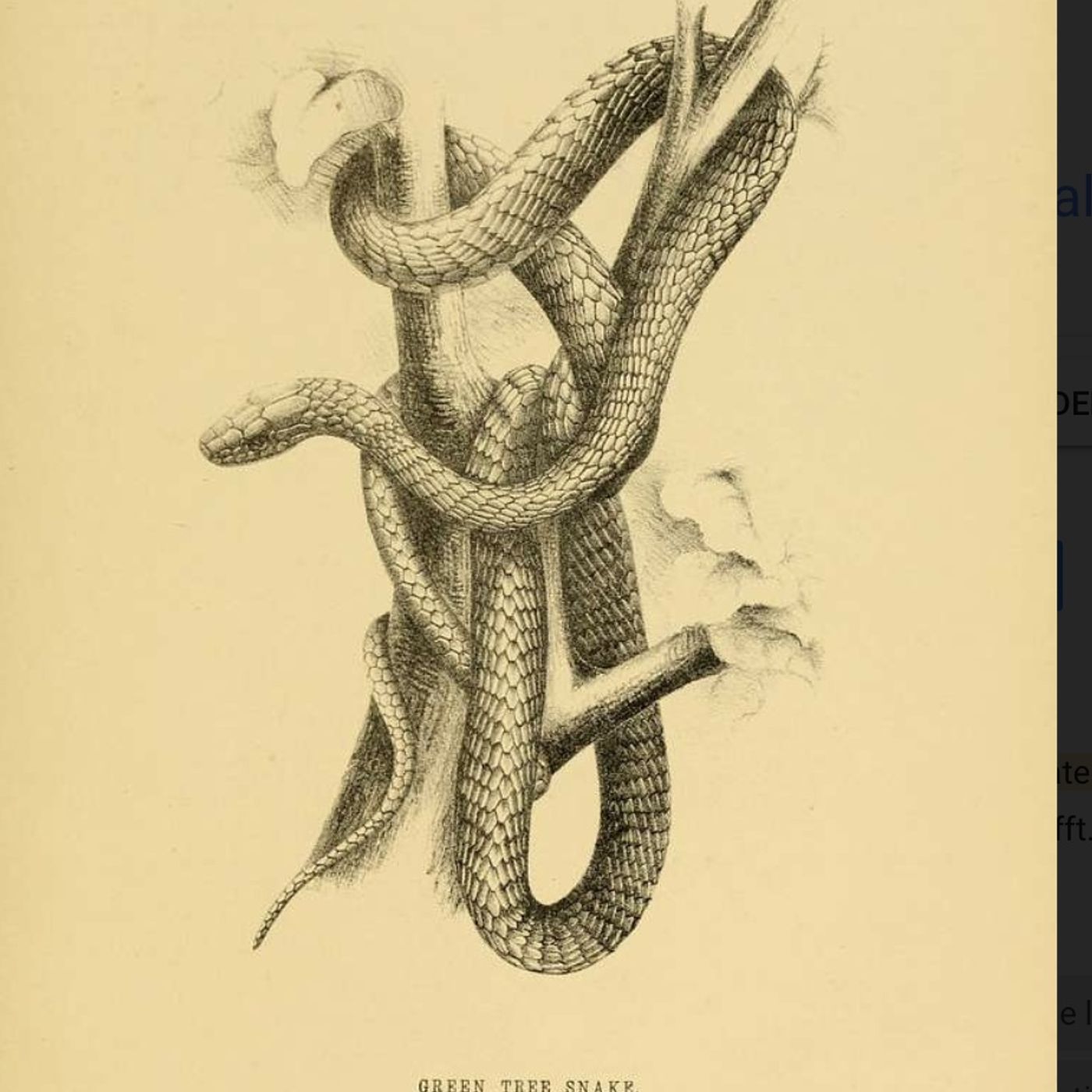
Floods Wash Snakes Downtown Jeremy Zakis explains the official warnings issued in Melbourne after floodwaters washed venomous snakes into the central business district. Snake catchers face surging demand and charge costly call-out fees, while unseasonable storms have disrupted local wildlife, leaving kangaroos hyperactive and erratic on the roads. (2)
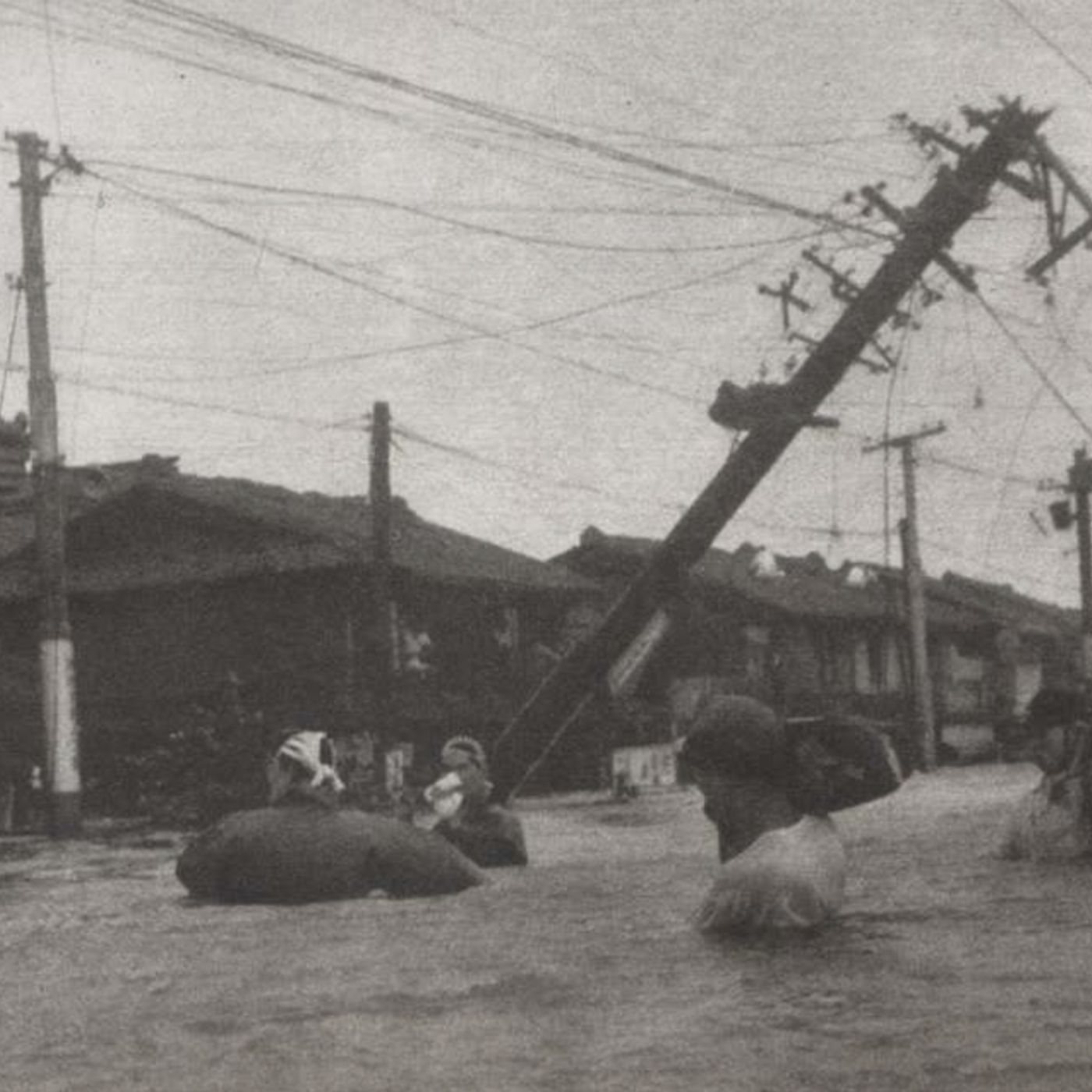
1950 Super El Niño Spring Storms Jeremy Zakis discusses extreme spring weather across Australia, driven by a super El Niño and elevated ocean temperatures. Heavy rain, microbursts, and severe winds in South Australia toppled massive power lines and spawned funnel clouds, while Sydney faces hot, chaotic, (1)
Paid endorsements should be clearly distinguished from independent recommendations.
Share your view, then see how readers voted. No sign-in required. This poll is shared across stories.
Do you agree or disagree?
Common Quandary
A Common Quandary to discuss
Another conversation to explore, separate from this news story.
A new email address earns another free month. How many free trials are too many?
A streaming service offers a free month to every new account and makes cancellation deliberately confusing. You discover that slightly different email addresses let you repeat the trial indefinitely without lying about your identity.
Must customers respect the spirit of rules designed to manipulate them?